Motion Is Lotion: Why Moving Your Body Is So Important
Stiff knees in the morning, a back that aches after a long drive on I-75, shoulders that feel tight after a day at the computer. Most people think the answer is more rest. Usually it is the opposite. At Back In Motion we often say motion is lotion, or “movement is medicine,” because moving your body is one of the most natural ways it keeps itself healthy.
Dr. James Porco, one of our Doctors of Physical Therapy, explains why this saying is one of our favorites. Here is what regular movement does for your joints, your mind, your gut and your heart, and how to start safely.
What Does “Motion Is Lotion” Mean?
Your joints are built to move. When you bend, walk and load them, the fluid inside the joint moves around and helps feed the cartilage. When you stop moving, joints tend to stiffen and the muscles around them weaken, which often makes the pain worse.
When people hear “movement is medicine,” many think only of muscles. The benefits go far beyond your muscles and joints.
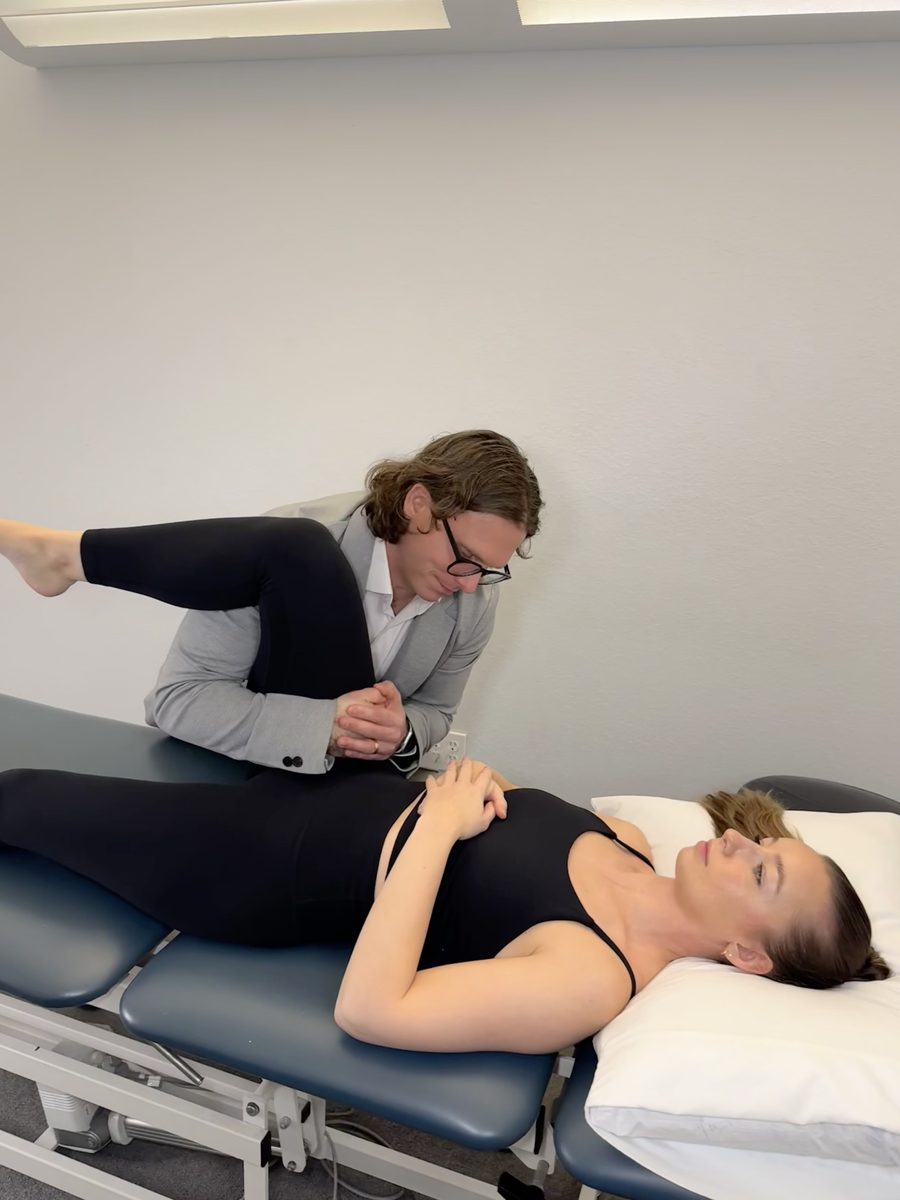
How Movement Helps Your Muscles and Joints
- Joint lubrication: movement helps nourish and lubricate your joints.
- Less stiffness: regular motion eases joint pain and stiffness for many people.
- Flexibility and mobility: you keep the range of motion you use every day.
- Strength: muscles get stronger when you challenge them.
- Balance and posture: both improve with practice (see signs you’re at risk of falling).
- Bone health: loading your bones helps maintain their density.
- Better sleep: active people often sleep better.
How Movement Helps Your Mind
Exercise triggers a positive emotional response. Many people notice the change within a few weeks:
- Lower stress: movement is a healthy outlet for a busy day.
- Better mood and self-esteem: you feel more capable when your body works well.
- Sharper thinking: regular activity supports cognitive function.
- More energy and motivation: it sounds backwards, but moving more usually leaves you less tired.
How Movement Helps Digestion, Heart and Lungs
Movement helps your gut move food along and is linked with a more diverse gut microbiome and lower markers of inflammation in the blood. For your heart and lungs, regular exercise can:
- Raise your exercise tolerance: everyday tasks feel easier.
- Help manage body weight: especially when paired with good nutrition.
- Lower blood pressure and “bad” cholesterol: two big drivers of heart disease.
- Improve insulin sensitivity: your body handles blood sugar better.
How to Start Moving More, Safely
- Move often: break up long periods of sitting with a short walk or a few stretches every hour.
- Move well: quality beats quantity. Good form protects your joints.
- Add a little load: two or three short strength sessions a week make a big difference (see our guide to the 6 movements every program needs).
- Build gradually: add a few minutes or a little weight at a time, not everything at once.
- Get help with pain: if a movement hurts every time, change it and get it checked.
When to Talk to a Professional First
Talk to your doctor or a physical therapist before starting if you have a heart or lung condition, a recent surgery or injury, or pain that is getting worse. Stop and get checked right away if you have chest pain, unusual shortness of breath, dizziness, or numbness or weakness in an arm or leg.
Everything we do follows The Gray Method™: find the cause, fix it, then build you up so it stays fixed.
Let Movement Be Your Medicine
Not sure how much or what kind of movement is right for you? Our personal training in Fort Myers builds a plan around your body, with degreed, certified coaches who specialize in adults 50+ and work alongside our Doctors of Physical Therapy.
Not sure where to start? Our Free Fit-After-50 Assessment is about 30 minutes, one-on-one, with a gentle movement screen and a personal roadmap. No cost, no pressure, no contracts.
Call our office at (239) 223-0484 to schedule your assessment.
About the Author: Dr. Scott Gray


Get Dr. Gray's Best-Selling Book, Free
Why pain keeps coming back, and how The Gray Method™ helps you fix it for good.
Send Me the Free BookOur Most-Read Articles
- 1Three Conditions That Mimic Sciatica PainBack
- 2The Great Plantar Fasciitis Debate: Why Boots & Cortisone Rarely Fix ItFoot
- 3Common Causes of Lower Back Pain: Herniated DiscBack
- 4The 3 Most Common Symptoms of Knee Meniscal TearsKnee
- 5What Is Hip Bursitis?Hip
- 6Pelvic Pain Explained: When It's Not a UTI but Feels Like OnePelvic
What Do You Need Help With?
- 🩺Back, neck & joint pain→
- 💪Fitness for adults 50+→
- 💙Pelvic health→
- ⚡Sports performance→
- ⛳Golf performance→
Talk to a Doctor of Physical Therapy
One-on-one care that finds the cause of your pain. Fort Myers, Cape Coral & Estero.
Inquire About an Appointment Or call (239) 223-0484