Three Symptoms of Knee Meniscal Tears
Knee pain can make your life feel stuck. You might have pain in the knee joint, or feel your knee grinding, popping or catching when you move. These can be signs of a knee meniscal tear. Here are three common meniscus tear symptoms, what else can cause them, and when to get your knee checked.
What Is the Meniscus?
Each knee has two meniscus cartilages, C-shaped cushions that sit between the thigh bone and the shin bone. The medial meniscus is on the inside of the knee and the lateral meniscus is on the outside. They absorb shock and help the knee stay stable.
A meniscus can tear suddenly, often with a twist on a bent knee during sports, or gradually as the cartilage wears with age. In older adults, a tear can happen with an everyday movement like getting up from a squat.
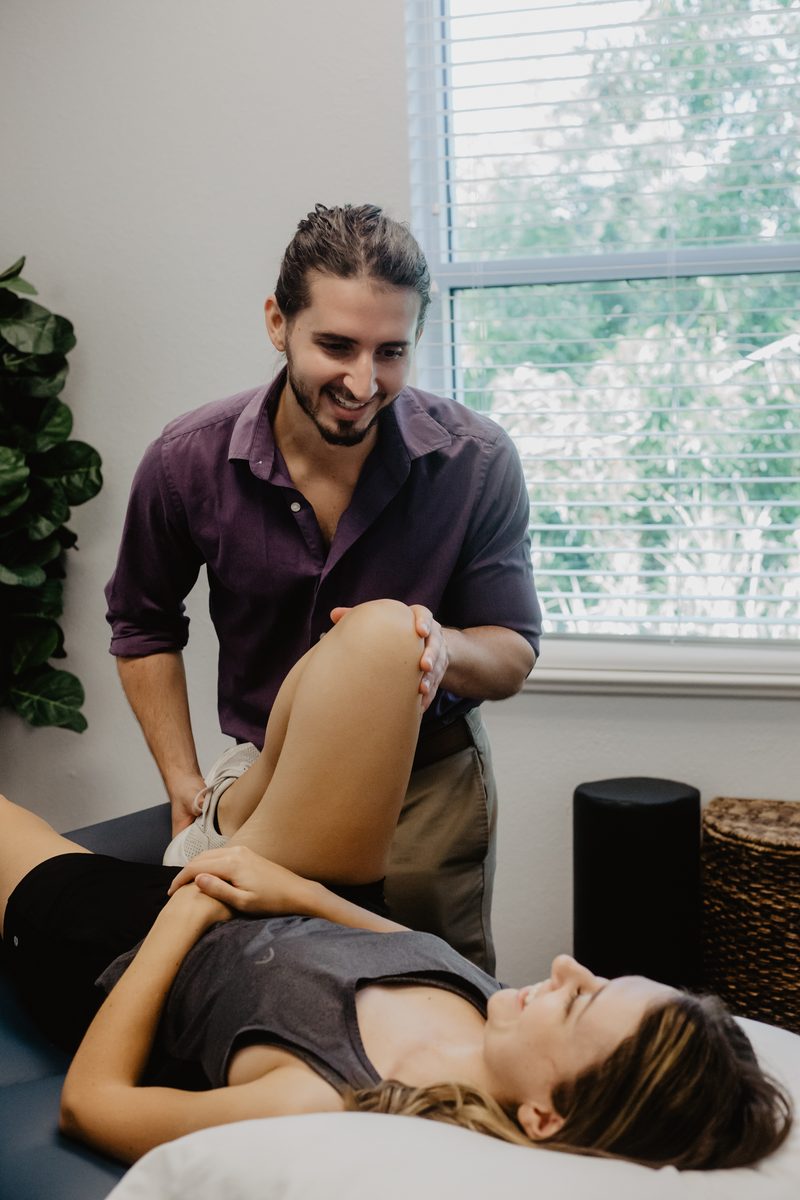
1. Knee Popping and Grinding
Knee popping and grinding are often linked to the torn cartilage sandwiched between the bones of the knee. A torn meniscus is one of the most common causes of painful knee popping and catching. It can come from an injury or develop over time.
Not all knee noise is a problem. Painless clicking is common. Popping or grinding that comes with pain, swelling or catching deserves a closer look.
To reduce stress on a noisy, painful knee:
- Squat with good form: knees in line with your toes and weight through your hips
- Improve hip mobility: stiff hips push extra load onto the knees
- Keep a healthy weight: less load on the knee with every step
- Restore range of motion: especially your ability to fully straighten the knee
- Strengthen your legs: the quadriceps, hamstrings and glutes support the knee
- Use a knee support if it helps: for short-term comfort during activity
2. Pain Across the Inside Part of Your Knee
The medial meniscus sits on the inside of the knee, and a tear there often causes pain along the inner joint line. Pain is usually worse with twisting, squatting or pivoting. Tears can come from wear of the cartilage over time or from intense activities like sports that put sudden stress on the knee.
Inner knee pain isn’t always the meniscus, though. Other causes include:
- Osteoarthritis
- Rheumatoid arthritis
- Medial collateral ligament (MCL) injury, see our guide to knee sprains
- Medial meniscus injury
- Pes anserine bursitis
- Medial plica irritation
- Knee contusion (bruising)
Treatment options for inner knee pain range from home care and physical therapy to injections and, in some cases, surgery. Many meniscus tears, especially those that develop gradually, respond well to a guided exercise program. That’s why a thorough exam matters.
3. Catching or Reduced Range of Motion of Your Knee
Range of motion (ROM) is how far, and in which directions, a joint can move. A torn piece of meniscus can get caught in the joint, making the knee catch, lock or refuse to fully straighten or bend.
Other things that can limit knee range of motion include:
- Dislocations
- Fractures (these need urgent care)
- Joint swelling
- Osteoarthritis
When to Get Your Knee Checked Right Away
- A locked knee: you can’t straighten it fully
- Rapid swelling: swelling within hours of an injury
- Can’t bear weight: you can’t put weight on the leg, or the knee gives way
- Signs of infection or a clot: a hot, red knee with fever, or calf pain and swelling
How Physical Therapy Helps a Meniscus Tear
With The Gray Method™, a Doctor of Physical Therapy examines the knee and how your hips, ankles and back move to find what is overloading it. Your plan may include hands-on care to restore motion, and strength and control work for the muscles that protect the knee. Try our meniscus strengthening exercises, and read our guide to knee physical therapy in Fort Myers to see what treatment looks like.
Meniscus Tear FAQs
Can a meniscus tear heal without surgery?
Many can be managed without surgery, especially tears that come on gradually. The outer edge of the meniscus has a better blood supply than the inner part, so where the tear is matters. A knee that stays locked usually needs a surgical opinion.
Is it OK to walk on a torn meniscus?
Often yes, if walking doesn’t increase pain or swelling and the knee isn’t locking or giving way. Avoid deep squats, twisting and pivoting until you’ve had it checked.
How do I know if it’s a meniscus tear or arthritis?
Symptoms can overlap, and both can be present at once. Catching and locking point more toward a tear. A hands-on exam helps sort it out, with imaging if your exam suggests you need it.
Get Back to Moving Without Knee Pain
Don’t let it keep hurting when we can help you get your life back on track. Our knee pain treatment in Fort Myers starts with The Gray Method™, one-on-one with a Doctor of Physical Therapy at our clinics in Fort Myers, Cape Coral and Estero.
Start with our Fixing the Cause & Not Just the Symptoms Assessment, or Inquire About an Appointment →
Call our office at (239) 223-0484 to schedule your appointment.
About the Author: Dr. Scott Gray


Get Dr. Gray's Best-Selling Book, Free
Why pain keeps coming back, and how The Gray Method™ helps you fix it for good.
Send Me the Free BookOur Most-Read Articles
- 1Three Conditions That Mimic Sciatica PainBack
- 2The Great Plantar Fasciitis Debate: Why Boots & Cortisone Rarely Fix ItFoot
- 3Common Causes of Lower Back Pain: Herniated DiscBack
- 4The 3 Most Common Symptoms of Knee Meniscal TearsKnee
- 5What Is Hip Bursitis?Hip
- 6Pelvic Pain Explained: When It's Not a UTI but Feels Like OnePelvic
What Do You Need Help With?
- 🩺Back, neck & joint pain→
- 💪Fitness for adults 50+→
- 💙Pelvic health→
- ⚡Sports performance→
- ⛳Golf performance→
Talk to a Doctor of Physical Therapy
One-on-one care that finds the cause of your pain. Fort Myers, Cape Coral & Estero.
Inquire About an Appointment Or call (239) 223-0484