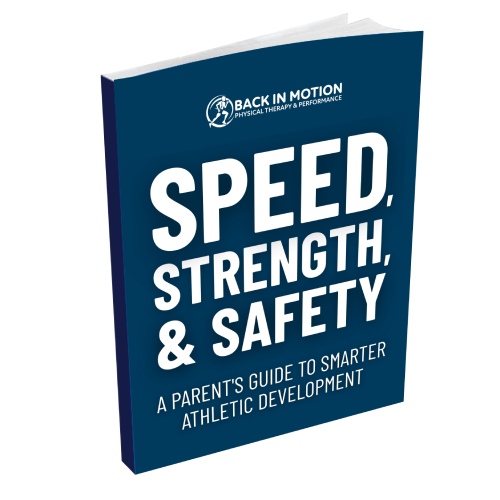
How You Can Help Your Athlete Reach Their Athletic Potential
Every parent of an athlete has seen it: a talented, hard-working kid who just can’t seem to reach the next level. Hard work matters, but it isn’t always enough. Physical development, smart training, recovery and nutrition all play a part. Here’s how you can help your athlete reach their potential.
Sports, when they’re coached and managed well, come with lifelong benefits: confidence, resilience, teamwork and healthy habits. The goal of good training is to build on all of them.
1. Add Sports Performance Training
Sports performance training is a structured program built around what an athlete’s sport demands. Think of it as a supplement to practice. It covers what regular practice can’t, with three main payoffs:
- Fewer injuries: Strength training is one of the best-proven ways to lower sports injury risk.
- Better performance: Stronger, more powerful athletes run faster, jump higher and change direction better.
- Making the most of the growing years: Young athletes are still developing coordination, strength and endurance, and good coaching helps them build it safely.
A good program also finds and corrects weaknesses. Maybe your athlete is a step slow, can’t jump well or loses steam late in games. A trained eye can see it and fix it.
Each of our sessions includes a thorough dynamic warm-up, that day’s speed or explosiveness skill, age-appropriate strength training, sport-specific conditioning and a cool-down. Our athletes’ training is designed and overseen by Dr. Scott Gray, a Doctor of Physical Therapy and sports performance coach, and a former Division 1 football player who understands the athlete’s perspective.
2. Help Them Unlock Their Potential
Build Confidence
Athletes perform the way they believe they can. Confidence comes from regular practice and seeing real progress. One of the first things we teach our athletes is that speed, coordination and endurance are learnable skills. Don’t buy into “some kids have it, some don’t.”
Set Long-Term Goals
Help your athlete set a big goal, then break it into short-term steps they can track. Let them set their own goals and encourage them to dream big.
Keep Training Fun
Training is hard work, but an athlete who comes to dread it won’t stay consistent. A positive, supportive environment matters.
Recognize What Makes Them Unique
Every athlete is different: their body, mindset, strengths and weaknesses. What works for one may not work for another. The best training is built around the individual.
Track Progress
Many promising athletes stall because their training never changes as they improve. Keep some kind of measure, like sprint times, jump height or strength numbers, and adjust the plan as they grow.
Let Them Own It
Give your athlete responsibility for their goals and effort. Guidance from qualified coaches helps, but they’re the ones who have to put in the work.
3. Build Healthy Habits Off the Field
Diet and lifestyle make a big difference in how an athlete feels and performs:
- Go easy on sugary foods and drinks. Whole foods and complex carbohydrates give steadier energy.
- Get enough protein spread through the day to support recovery and growth.
- Don’t try new foods or supplements on game day. Test anything new in practice first.
- Skip the huge meal the night before. Fueling well comes from what you eat all week, not one big dinner.
- Prioritize sleep. Growing athletes need plenty of it to recover.
4. Get Help When Something Hurts
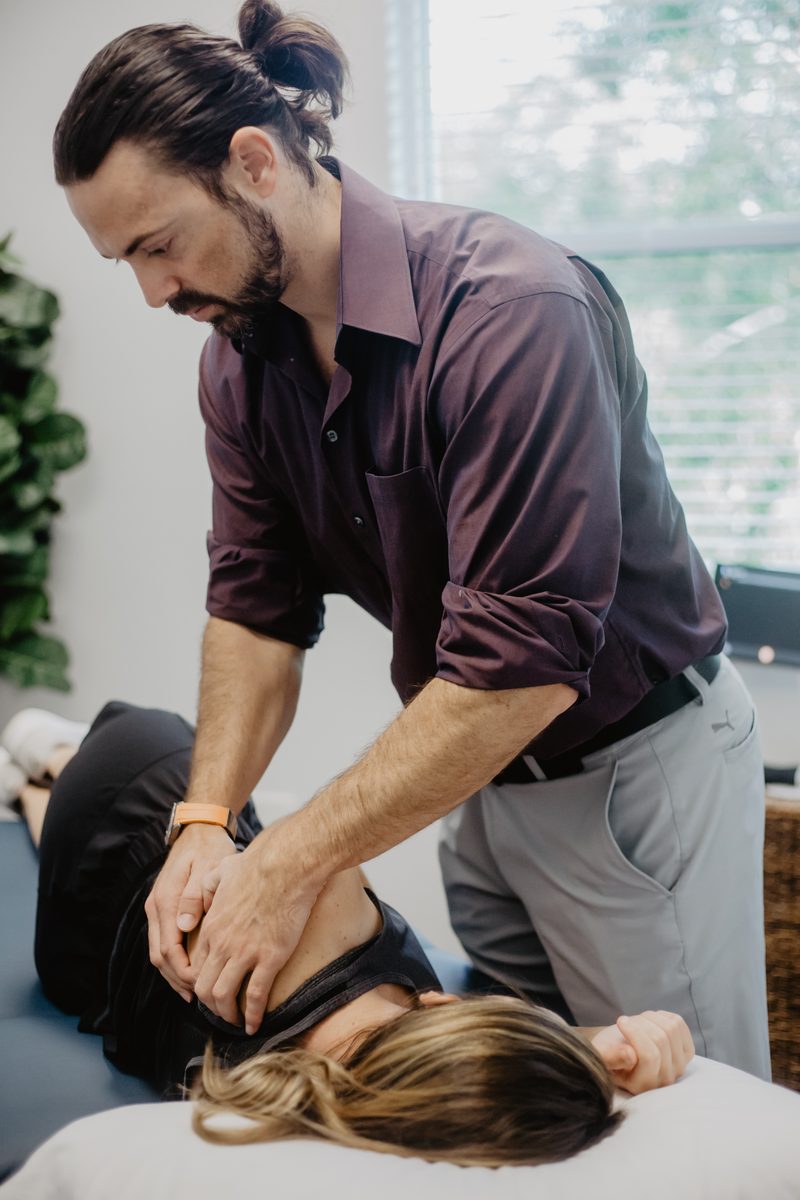
Athletes put a lot of stress on their bodies, and injuries can derail a season. A physical therapist can screen how an athlete moves, spot problems before they become injuries and treat injuries when they happen. Our sports physical therapy team works hand in hand with our coaches.
When to Get Your Athlete Checked
Most aches settle with rest and smart training, but get your athlete checked if you notice:
- Numbness, tingling or weakness: in an arm or leg
- Bladder or bowel changes: or numbness in the groin or inner thighs
- Pain after a fall or accident: or a joint that won’t take your weight
- Swelling, heat or redness: that keeps building
- Night pain, fever or unexplained weight loss: along with your pain
Research
- Lauersen JB, Andersen TE, Andersen LB. Strength training as superior, dose-dependent and safe prevention of acute and overuse sports injuries. Br J Sports Med. 2018;52(24):1557-1563. PubMed
- Lloyd RS, Faigenbaum AD, Stone MH, et al. Position statement on youth resistance training: the 2014 International Consensus. Br J Sports Med. 2014;48(7):498-505. PubMed
Keep reading: 7 reasons why your athlete needs sports performance training and the importance of strength training for youth athletes. Our programs follow The Gray Method™.
Help Your Athlete Reach Their Potential
Our sports performance training program helps athletes get stronger, faster and more confident, with less risk of injury.
Ready to get started? Inquire About Training →
Call our office at (239) 223-0484 to schedule your athlete’s first session.
About the Author: Ashley Gray


Get Dr. Gray's Best-Selling Book, Free
Why pain keeps coming back, and how The Gray Method™ helps you fix it for good.
Send Me the Free BookOur Most-Read Articles
- 1Three Conditions That Mimic Sciatica PainBack
- 2The Great Plantar Fasciitis Debate: Why Boots & Cortisone Rarely Fix ItFoot
- 3Common Causes of Lower Back Pain: Herniated DiscBack
- 4The 3 Most Common Symptoms of Knee Meniscal TearsKnee
- 5What Is Hip Bursitis?Hip
- 6Pelvic Pain Explained: When It's Not a UTI but Feels Like OnePelvic
What Do You Need Help With?
- 🩺Back, neck & joint pain→
- 💪Fitness for adults 50+→
- 💙Pelvic health→
- ⚡Sports performance→
- ⛳Golf performance→
Talk to a Doctor of Physical Therapy
One-on-one care that finds the cause of your pain. Fort Myers, Cape Coral & Estero.
Inquire About an Appointment Or call (239) 223-0484