5 Signs That You’re at Risk of Falling
It starts small. You push off the armrests to get out of a chair, you reach for the wall on the way to the bathroom at night, or you catch your toe on a rug a little more often. Most people brush these off as just getting older.
They are worth paying attention to. Here are 5 signs you’re at risk of falling, simple ways to make your home safer, and how physical therapy builds the strength and balance that keep you on your feet.
Why Falls Matter So Much After 65
At least one in three people over 65 who live at home fall each year (Sherrington et al., 2019). Falls are one of the biggest threats to independence, and once you have fallen, the fear of falling again can make you move less, which makes balance worse.
The good news: falls are not just bad luck. Many are linked to weakness, poor balance and hazards at home, and all three can be improved.
5 Signs You’re at Risk of Falling
- You can’t get out of a chair without your hands: needing to push off, or a helping hand, usually means your leg and hip muscles have lost strength.
- You need your hands to get up from the floor: if getting up from a chair is hard, getting up from the floor is even harder, and it takes strength and stability you may be losing.
- You trip more often: or you reach for furniture and walls to steady yourself, a sign your coordination and balance are slipping.
- You feel unsteady walking, or don’t like walking alone: moving less leads to weaker legs and worse balance, a cycle that makes falls more likely.
- You are afraid of falling: fear often comes with changes in vision, medicines that cause dizziness, or being in unfamiliar places, and it is a risk factor on its own.
Dizziness or a spinning feeling can also be part of the problem. Learn more in our guide to balance problems.
5 Ways to Make Your Home Safer
1. Keep It Clear and Keep It Lit
Pick up cords, clothes and clutter from walkways, and get rid of small, loose throw rugs that roll up. Use night lights between the bedroom and bathroom. Then ask a friend or family member to walk through your home and spot anything you missed.
2. Watch Out for Pets
We love them, but pets love being right under our feet. A collar with a bell gives you an early warning, and plenty of play and exercise means less following you around the house.
3. Create a Slip-Free Bathroom
The bathroom’s wet, hard surfaces make it one of the most dangerous rooms in the house. Keep the floor dry, use non-slip mats in the shower and where water collects, keep it brightly lit, and install grab bars by the shower and toilet.
4. Wear the Right Footwear
Choose non-slip socks or slippers with a textured sole at home, and well-fitting shoes with firm soles when you go out. Avoid flip-flops, loose sandals and high heels. For more tips, see how to choose the right shoes.
5. Keep Moving, in a Fun Way
Staying active is one of the best things you can do for balance. Walking, tai chi and even movement-based video games can keep you on your feet, as long as you start at a level that feels safe.
How a Physical Therapist Lowers Your Fall Risk
Exercise is one of the best-proven ways to prevent falls. A large Cochrane review found that exercise programs reduced the rate of falls in older adults by about 23%, and programs combining balance, functional and strength exercises worked best (Sherrington et al., 2019).
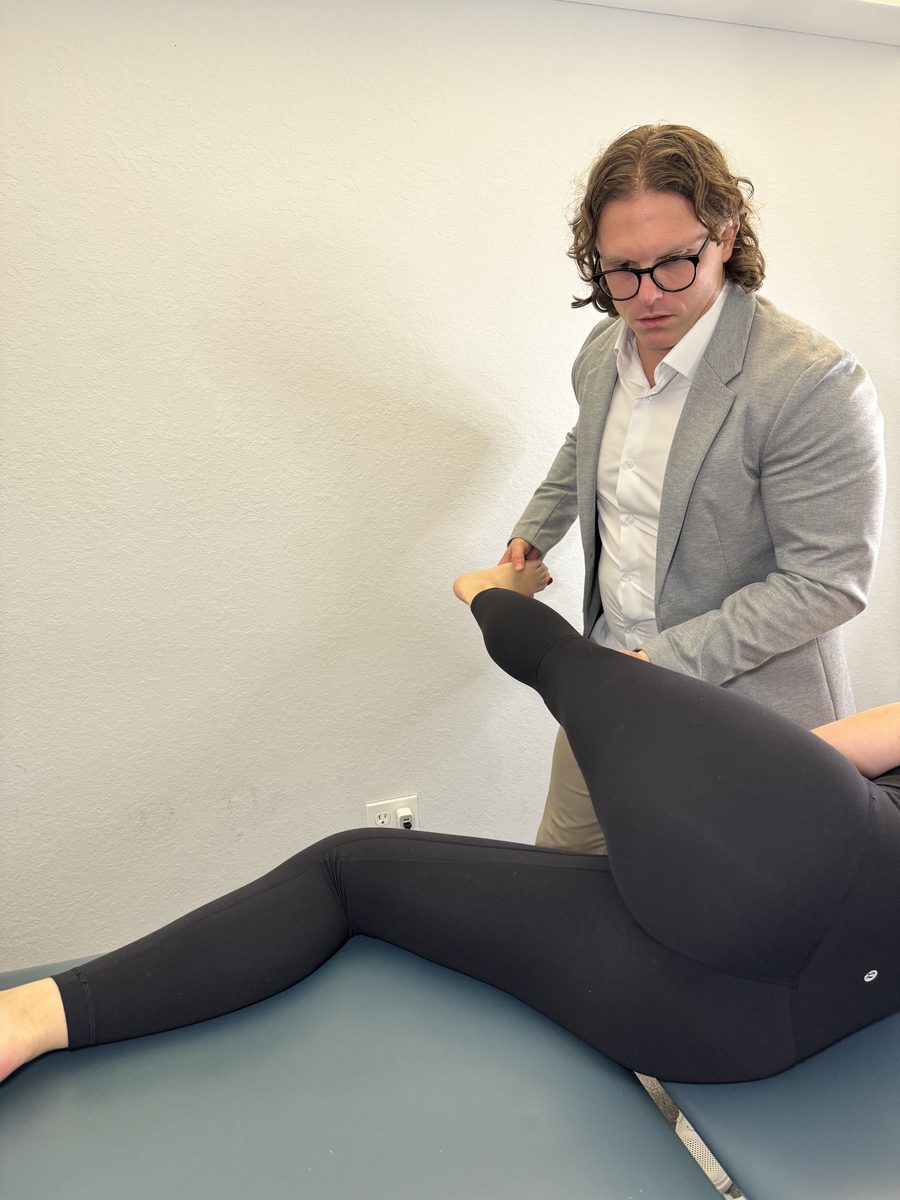
A Doctor of Physical Therapy starts by testing your balance, strength, walking and mobility, then builds a plan around what they find:
- Strength training: for your hips and legs, so getting up and catching yourself is easier
- Balance training: in real-life situations such as turning, stepping off a curb or walking on sand
- Getting up from the floor: practiced safely, so you know how if you do fall
- Home and footwear advice: tailored to your routine
Our post on surprising benefits of physical therapy explains more ways it keeps you independent.
When to See a Doctor Right Away
- A fall with a head injury: especially if you take blood thinners
- Sudden dizziness: with trouble speaking, face drooping or weakness on one side (call 911)
- Fainting or near-fainting: especially when you stand up
- Pain after a fall: or you can’t put weight on a leg
Research
- Sherrington, C., et al. (2019). Exercise for preventing falls in older people living in the community. Cochrane Database of Systematic Reviews, CD012424. PubMed
Stay Steady and Independent
Don’t let poor balance keep you from doing what you love. Our balance and fall prevention therapy tests your fall risk and builds a plan with The Gray Method™, one-on-one with a Doctor of Physical Therapy at our clinics in Fort Myers, Cape Coral and Estero.
Start with our Fixing the Cause & Not Just the Symptoms Assessment, or Inquire About an Appointment →
Call our office at (239) 223-0484 to schedule your appointment.
About the Author: Dr. Scott Gray


Get Dr. Gray's Best-Selling Book, Free
Why pain keeps coming back, and how The Gray Method™ helps you fix it for good.
Send Me the Free BookOur Most-Read Articles
- 1Three Conditions That Mimic Sciatica PainBack
- 2The Great Plantar Fasciitis Debate: Why Boots & Cortisone Rarely Fix ItFoot
- 3Common Causes of Lower Back Pain: Herniated DiscBack
- 4The 3 Most Common Symptoms of Knee Meniscal TearsKnee
- 5What Is Hip Bursitis?Hip
- 6Pelvic Pain Explained: When It's Not a UTI but Feels Like OnePelvic
What Do You Need Help With?
- 🩺Back, neck & joint pain→
- 💪Fitness for adults 50+→
- 💙Pelvic health→
- ⚡Sports performance→
- ⛳Golf performance→
Talk to a Doctor of Physical Therapy
One-on-one care that finds the cause of your pain. Fort Myers, Cape Coral & Estero.
Inquire About an Appointment Or call (239) 223-0484