Hip Replacement Physical Therapy: What to Expect After Surgery
A hip replacement can end years of arthritis pain, but the new joint only works as well as the muscles and movement around it. Hip replacement physical therapy is what restores your range of motion, rebuilds the leg strength that keeps the new hip stable, and teaches you how to move safely while you heal.
Here’s why physical therapy matters after a hip replacement, what to expect from the hospital to home, the warning signs to watch for, and how to protect your new hip for the long run.
What Is Hip Replacement Surgery?
In hip replacement surgery, a surgeon removes a painful hip joint damaged by arthritis and replaces it with an artificial joint, usually made from metal and plastic parts. It’s usually done when other treatments haven’t given enough relief from pain.
Hip replacements are very common, but it still pays to know what to expect once your surgery is over. Physical therapy afterward is a key part of getting a good result.
Why You Need Physical Therapy After a Hip Replacement
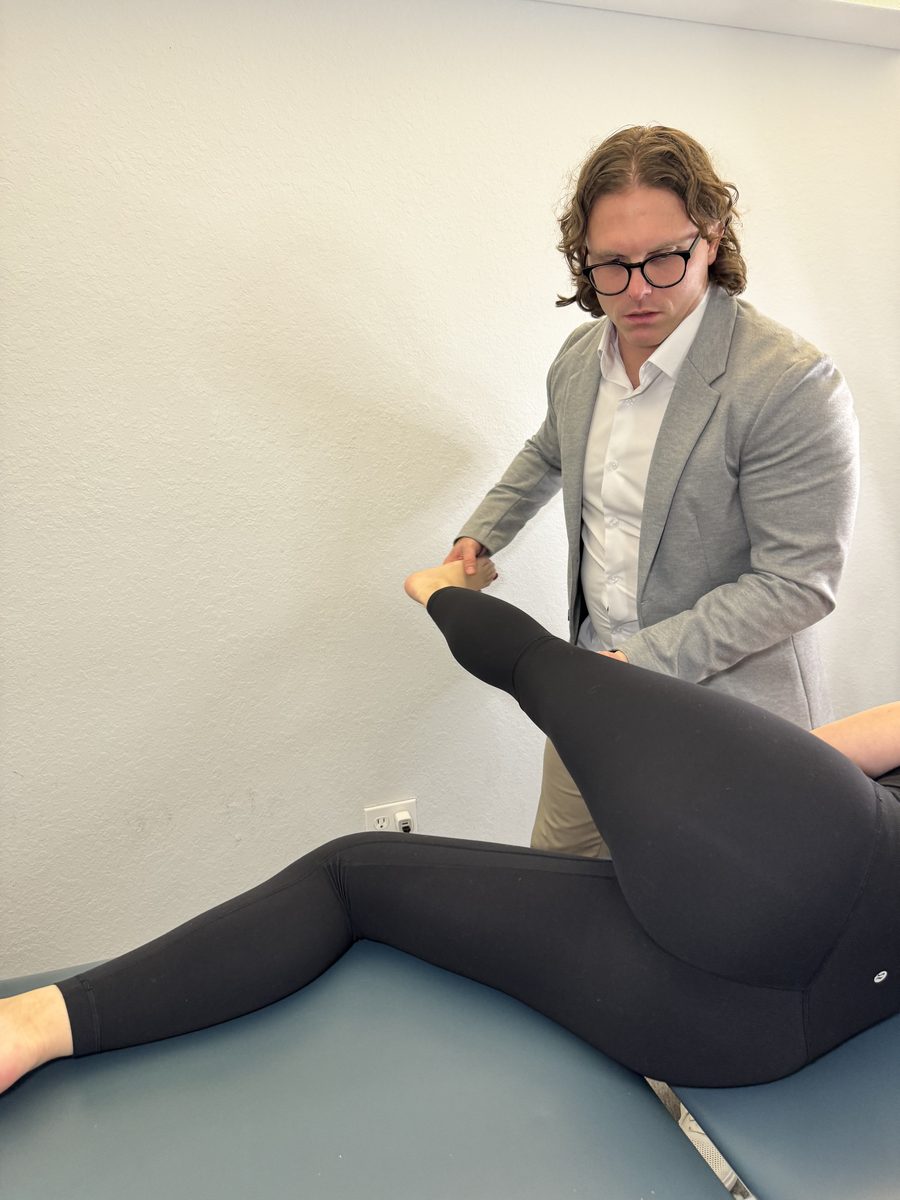
Once the surgeon replaces the joint, the arthritis pain is usually gone, but the work isn’t done. The next step is to restore range of motion in the new joint and build strong support around it by strengthening your leg muscles. That’s where physical therapy comes in.
There’s a window of time after surgery, usually a few weeks and different for everyone, in which it’s important to restore your new hip’s range of motion. People are often afraid to get up after surgery, and if the hip stiffens while you sit, you may have trouble with stairs and other activities. Physical therapy also helps lower the risk of dislocation by strengthening the muscles that keep your new hip in place. The risk of dislocation is highest in the first weeks after surgery, often quoted as the first 6 to 8 weeks.
What to Expect From Physical Therapy After Hip Replacement
In the Hospital
Your first physical therapy session usually happens the day after surgery, while you’re still in the hospital. Your therapist will help you walk with your new joint. The type of surgery you had determines how much weight you’re allowed to put on the leg.
Your therapist may also give you exercises to do in bed to help prevent blood clots, like tightening your thighs, squeezing your buttocks or moving your feet up and down. Managing pain with the medication your doctor prescribes matters at this stage, so you can get up and move.
Going Home
After surgery, you’ll be looking forward to going home and living without the hip pain you had before. But you’ll also need to learn how to move to protect your new joint, which means regular physical therapy visits for a while.
Your physical therapist can teach you how to get in and out of the car and the bathtub, and how to put on your shoes without stressing your hip. They may also suggest helpful equipment like a shower seat, a raised toilet seat and a long-handled shoehorn.
The Weeks After Surgery
Some pain and stiffness are normal after a hip replacement, and working with a physical therapist will help you reduce that discomfort over the following weeks. Our post-surgical rehabilitation builds your strength and walking step by step.
Long Term
Once your doctor gives you the green light, stay active by swimming, dancing and riding a bike on level surfaces. Avoid putting too much stress on the joint with jogging or jumping, and avoid carrying heavy loads, especially on stairs. If pain later keeps you from your normal daily activities, or balance problems make you feel unsafe, it’s always worth seeing a physical therapist.
Warning Signs After Hip Replacement Surgery
Call your surgeon right away, or seek emergency care, if you notice:
- Signs of infection: fever, chills, increasing redness or warmth, or drainage from the incision
- Calf pain or swelling: a painful, swollen or tender calf can be a sign of a blood clot
- Chest pain or shortness of breath: call 911, because this can be a medical emergency
- Possible dislocation: sudden severe hip pain, a pop, a leg that looks shorter or turned, or being unable to put weight on it
Life After Rehab
Finishing rehab is the start, not the finish line. Building strength and balance keeps your new hip working well for years. Our guide to the best hip physical therapy exercises is a good next step, and our article on finding a fitness trainer after a knee or hip replacement explains what to look for when you move on to training. Having a knee replaced instead? Read what to expect from knee replacement physical therapy.
Get the Most Out of Your New Hip
The right rehab makes the difference between a hip that simply stops hurting and a hip that lets you get back to everything you enjoy. Our hip pain treatment in Fort Myers uses The Gray Method™, one-on-one with a Doctor of Physical Therapy, at our clinics in Fort Myers, Cape Coral and Estero.
Start with our Fixing the Cause & Not Just the Symptoms Assessment, or Inquire About an Appointment →
Call our office at (239) 223-0484 to schedule your appointment.
About the Author: Dr. Scott Gray


Get Dr. Gray's Best-Selling Book, Free
Why pain keeps coming back, and how The Gray Method™ helps you fix it for good.
Send Me the Free BookOur Most-Read Articles
- 1Three Conditions That Mimic Sciatica PainBack
- 2The Great Plantar Fasciitis Debate: Why Boots & Cortisone Rarely Fix ItFoot
- 3Common Causes of Lower Back Pain: Herniated DiscBack
- 4The 3 Most Common Symptoms of Knee Meniscal TearsKnee
- 5What Is Hip Bursitis?Hip
- 6Pelvic Pain Explained: When It's Not a UTI but Feels Like OnePelvic
What Do You Need Help With?
- 🩺Back, neck & joint pain→
- 💪Fitness for adults 50+→
- 💙Pelvic health→
- ⚡Sports performance→
- ⛳Golf performance→
Talk to a Doctor of Physical Therapy
One-on-one care that finds the cause of your pain. Fort Myers, Cape Coral & Estero.
Inquire About an Appointment Or call (239) 223-0484