
How to Rebuild Strength Safely After Pain
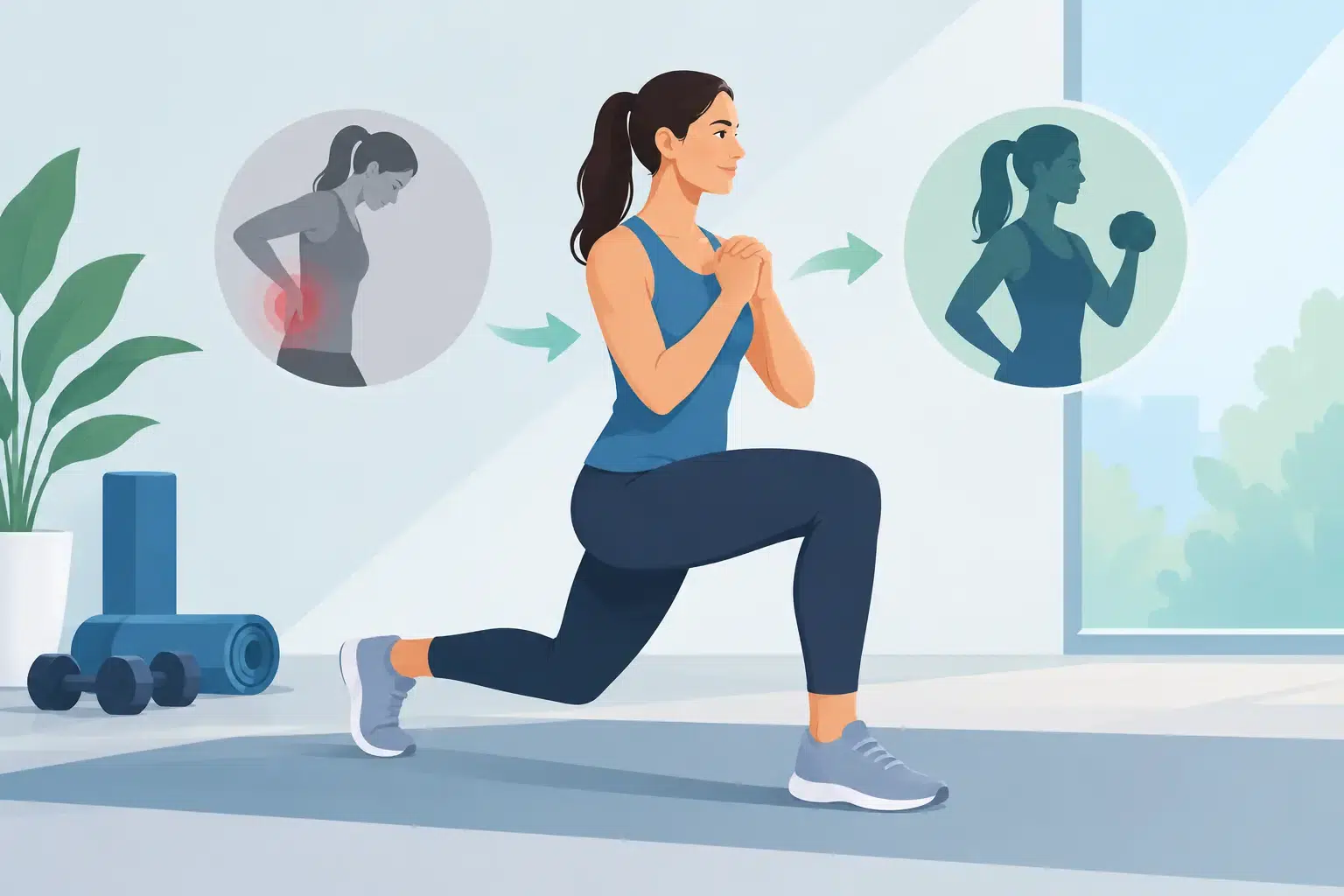
Pain may be gone, but that does not automatically mean your body is ready for the same workouts, mileage, or weekend competition you handled before. Knowing how to rebuild strength safely means recognizing the difference between feeling better and being prepared to perform. The goal is not simply to avoid pain. It is to restore the movement quality, strength, and confidence that let you return to training and daily life without constantly second-guessing every rep.
For active adults and athletes, the biggest mistake is usually doing too much too soon – or avoiding strength work for so long that weakness becomes part of the problem. A better approach uses clear checkpoints, targeted loading, and steady progression.
Start With the Reason Strength Was Lost
Strength can decline after an injury, surgery, a painful flare-up, illness, a busy season away from the gym, or a period of reduced activity. But the right plan depends on why you stopped training in the first place.
A runner returning from knee pain may need better hip control and gradual single-leg loading before adding speed work. A golfer with recurring back stiffness may need to restore hip mobility, trunk endurance, and rotation before returning to full swings. Someone recovering after childbirth may need a pelvic health-informed approach that considers breathing mechanics, pressure management, and core coordination alongside traditional strength training.
This is why generic exercises are rarely enough. The painful area is not always the source of the movement problem. Limited ankle mobility can change how the knee loads. Poor shoulder blade control can place extra demand on the neck or shoulder. A history of back pain can lead to guarded movement that reduces hip strength and confidence.
Before increasing resistance, identify what is limiting you: pain, restricted mobility, poor control, low strength capacity, or a combination of all four. A thorough assessment provides a baseline and prevents you from guessing.
How to Rebuild Strength Safely: Earn the Right to Load
Safe strength rebuilding is not about choosing only easy exercises. It is about choosing exercises your body can perform with good mechanics, then making them more demanding at the right pace.
Early on, the best starting point may be an isometric hold, a supported squat, a light row, a controlled step-up, or a modified push-up. These are not “beginner” exercises in a dismissive sense. They are useful tools for building tolerance while you learn whether a movement is controlled, painful, compensatory, or fatiguing too quickly.
As control improves, progress can come from adding resistance, range of motion, repetitions, time under tension, speed, complexity, or sport-specific demand. You do not need to increase every variable at once. In fact, changing too many variables at the same time is one of the fastest ways to trigger an unnecessary flare-up.
For example, if a squat pattern feels solid with body weight, the next step may be holding a light dumbbell. It may not be deeper range, heavier weight, more sets, and jump training in the same week. One well-chosen progression gives you useful feedback and allows your tissues to adapt.
Use Pain and Recovery as Data, Not a Stop Sign
Pain is real, but it is not always a precise measure of tissue damage or readiness. Mild discomfort during a rebuilding phase can occur, especially after an injury or extended time away from training. The key is understanding the response during the workout, later that day, and the following morning.
A helpful guideline is to keep symptoms low-level and manageable, without sharp pain, instability, numbness, or a meaningful loss of movement quality. If discomfort settles quickly and you return to your usual baseline within 24 hours, the exercise dose may be appropriate. If symptoms steadily rise, linger into the next day, disrupt sleep, cause swelling, or alter how you walk, lift, or move, that is a sign to reduce the load and reassess.
This does not mean every workout should feel perfect. Productive training creates fatigue. But fatigue should not turn a controlled movement into a compensatory one. When form breaks down, the set is finished, even if your program says there are more repetitions to complete.
Restore Movement Quality Before Chasing Numbers
The ability to lift a certain weight is only part of strength. Your body also needs to distribute force well through the joints and tissues involved. That is why movement quality matters before, during, and after an injury.
Consider a simple lower-body example. If your knee collapses inward during a step-down, adding a heavier barbell may reinforce a strategy that irritates the knee, hip, or foot. Improving hip strength, foot control, ankle motion, and single-leg balance can create a better foundation for heavier loading later.
The same principle applies to the upper body. Before pressing overhead after shoulder pain, you may need adequate shoulder range of motion, stable shoulder blade mechanics, trunk control, and the ability to tolerate gradual pressing volume. Strength gains last longer when they are built on a movement pattern your body can own.
At Back In Motion, this assessment-to-performance progression is central to The Gray Method™. Rather than treating strength as a separate phase after rehab, the process connects pain reduction, mobility, movement control, and progressive loading into one plan.
Build Capacity With Consistency, Not Hero Workouts
A single hard session does not rebuild strength. Repeated, tolerable training does.
For most people returning to exercise, two or three focused strength sessions per week is enough to create momentum. Start with a manageable number of exercises and sets, then allow your body to show you how it recovers. The best program is not the most exhausting one. It is the one you can perform consistently while making measurable progress.
Use a simple training log to track the exercise, weight, repetitions, symptoms, and next-day response. This turns vague feelings such as “my knee was a little off” into useful information. You may find that a certain range of motion is tolerable but higher volume is not yet, or that you can lift well but need an additional recovery day after tennis or long runs.
Sleep, nutrition, hydration, and daily stress also influence recovery. They do not replace smart programming, but they affect how much training you can absorb. During a strength rebuilding phase, recovery is part of the plan rather than an afterthought.
Progress From General Strength to Real-Life Demands
Gym strength should eventually carry over to the things you want to do. For a recreational athlete, that might mean cutting, landing, accelerating, and decelerating. For an active parent, it may mean lifting a child, carrying groceries, getting off the floor, or spending a full day on your feet without symptoms. For a golfer, it may mean generating rotation and force through a full round without back or hip irritation.
This is where many return-to-activity plans fall short. A person may be able to perform a few pain-free exercises in the clinic or gym but still lack the endurance, speed, coordination, or confidence for their sport. General strength is the foundation. Specific preparation is the bridge back to the activity that matters.
That bridge should be gradual. A tennis player may begin with controlled lateral movement before full-court drills. A runner may rebuild walking tolerance, then easy running volume, before hills or intervals. A youth athlete may need landing mechanics and single-leg strength before returning to unrestricted jumping and cutting.
Know When You Need Individual Guidance
Self-directed training can work well after a straightforward break from exercise. It becomes less reliable when pain keeps returning, you are unsure what movements to avoid, or you have reached a plateau despite trying to be careful.
Seek a qualified evaluation if you notice persistent swelling, instability, numbness or tingling, loss of strength, locking or catching in a joint, pain that worsens at night, or symptoms that continue to escalate with activity. Guidance is also valuable when you are returning from surgery, managing pelvic floor symptoms, preparing for a demanding sport season, or rebuilding after a complex injury.
An individualized plan should give you more than a list of exercises. You should understand what is being trained, why it matters, how to monitor your response, and what needs to happen before the next progression.
Strength returns when you give your body a clear reason to adapt, enough challenge to improve, and enough control to keep moving forward. Start where you are, measure the response, and build the capacity to do more of what makes you feel like yourself.
About the Author: Dr. Scott Gray




 Call (239) 223-0484
