
Strength Training After Physical Therapy Safely
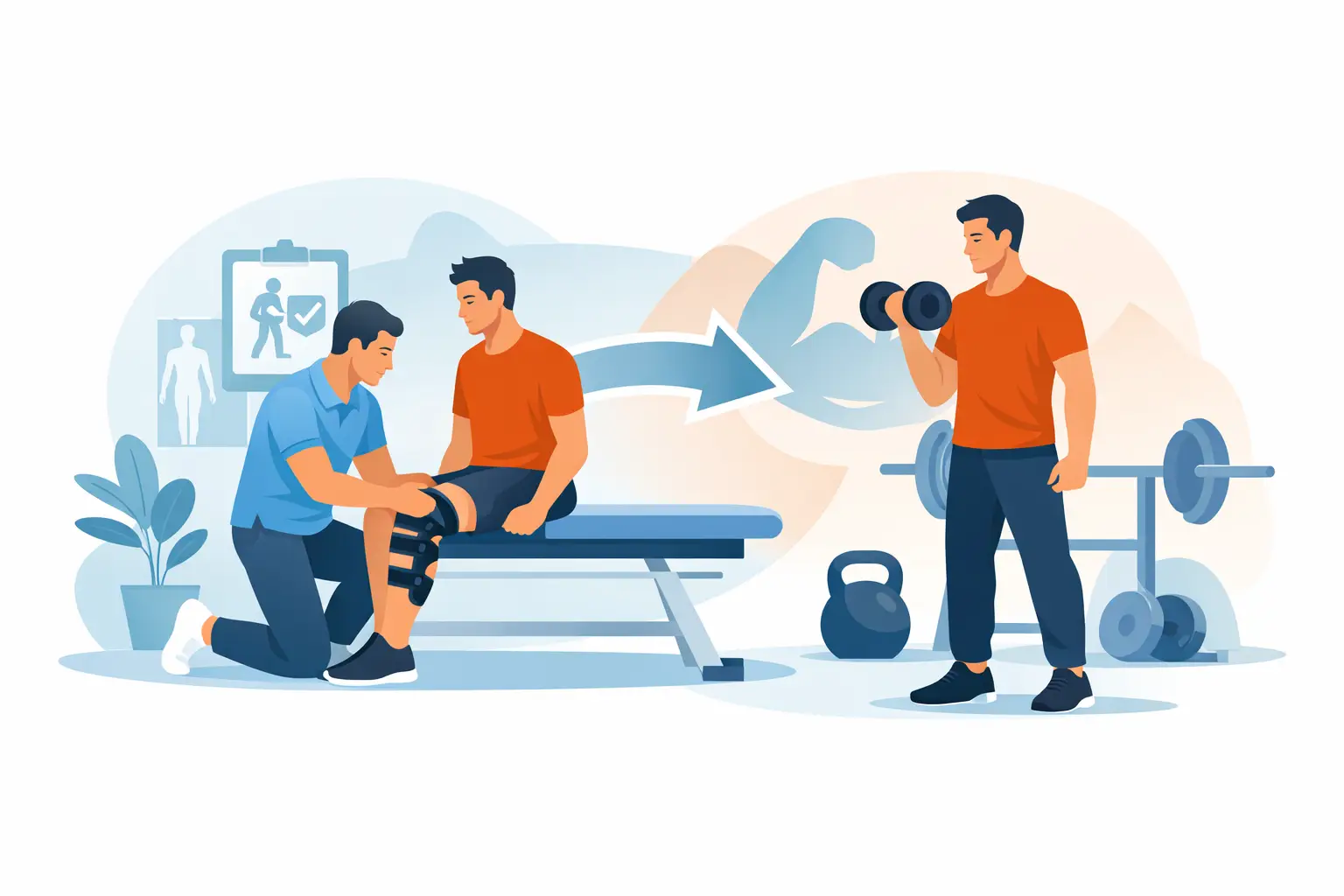
Being discharged from physical therapy can feel like a finish line. For many active adults, it is actually the point where the most valuable work begins. Strength training after physical therapy is how you turn reduced pain and restored motion into the capacity to run, golf, lift, play tennis, carry your kids, or handle a demanding workday without constantly wondering if symptoms will return.
The challenge is that a successful therapy discharge does not automatically mean you are ready for your previous training program. You may be able to walk without pain, perform a bodyweight squat, or complete daily activities comfortably while still lacking the strength, control, endurance, or confidence required for higher-demand exercise. That gap is where reinjury often happens.
A smart transition does not mean avoiding challenge. It means applying challenge with purpose.
Physical Therapy Ends Before Performance Does
Physical therapy is designed to address a specific problem: pain, mobility loss, impaired movement, post-surgical recovery, pelvic floor dysfunction, or an injury that has limited your life. Early rehab often focuses on calming symptoms, restoring range of motion, and teaching your body to tolerate basic movement again.
Those milestones matter, but they are not the same as being prepared for the forces of real life or sport. A recreational runner needs repeated single-leg loading and impact tolerance. A golfer needs hip rotation, trunk control, and the ability to produce force through a full swing. A parent needs to lift, carry, twist, and get up from the floor when tired. An athlete needs speed, deceleration, and the ability to react under pressure.
The exercises that helped you recover may not be enough to prepare you for those demands. Band work, basic balance drills, and light strengthening are often appropriate in rehab, but long-term resilience requires progressive loading. Your body adapts to what it is consistently asked to do.
That does not mean every person needs to barbell squat or deadlift. It means your training should progressively develop the movement patterns and physical qualities your life requires.
When Are You Ready to Start Strength Training After Physical Therapy?
Readiness is not based on a calendar date alone. It depends on the injury, surgery history, tissue healing, current symptoms, medical restrictions, and the demands you are returning to. Someone recovering from a minor ankle sprain may progress quickly. Someone returning after ACL reconstruction, rotator cuff surgery, childbirth-related pelvic floor symptoms, or persistent back pain needs a more specific progression.
In general, you should be able to perform foundational movements with acceptable control and without a significant symptom increase during or after training. This includes patterns such as squatting, hinging, pushing, pulling, stepping, carrying, and single-leg control when appropriate for your condition.
Pain is not always a simple stop signal, especially for people recovering from persistent pain. But pain that becomes sharp, escalating, unstable, or significantly worse for more than 24 hours after exercise deserves attention. Swelling, new numbness or tingling, giving way, loss of range of motion, or a return of symptoms that had resolved are also reasons to adjust the plan and speak with your provider.
A good progression uses your response to training as data. The goal is not to prove toughness in one workout. The goal is to build a body that can handle repeated training weeks.
Clearance Is Not a Complete Plan
A physician or physical therapist may clear you to return to the gym, but clearance is a starting point, not a detailed strength program. “Return as tolerated” leaves a lot of unanswered questions: How much weight? Which exercises? How often? What should you avoid temporarily? How do you know whether soreness is normal or a warning sign?
This is where individualized guidance is valuable. The best plan connects the reason you needed therapy with the activities you want to return to, rather than dropping you back into the same routine that may have contributed to the problem.
Build Capacity Before Chasing Old Numbers
The most common mistake after rehab is trying to pick up where you left off. You may remember deadlifting 225 pounds, running five miles, or playing two hours of tennis. Your current capacity may not match that memory yet.
Start with a baseline that feels almost too manageable. Use lighter loads, fewer total sets, slower tempos, or shorter sessions than your old program. This gives you room to assess how your body responds and make steady progress without turning each workout into a test.
Load is only one variable. You can progress by improving range of motion, increasing repetitions, adding a set, reducing assistance, slowing the lowering phase, increasing carry distance, or improving movement quality under the same load. These options matter when heavier weight is not yet the right next step.
For example, someone returning from knee pain may begin with a supported split squat, then progress to an unassisted split squat, add load, increase depth, and eventually develop more demanding single-leg strength. That sequence creates capacity without rushing to high-impact drills or maximal weights.
Prioritize Movement Patterns, Not Random Exercises
A complete return-to-strength plan should train the patterns your body uses every day. The exact exercise selection depends on your history, mobility, goals, equipment, and symptoms, but most programs benefit from a balanced approach to squatting, hinging, pushing, pulling, carrying, trunk control, and single-leg work.
The exercise itself is not magic. A goblet squat may be an excellent option for one person because it encourages control and allows comfortable depth. For another person with limited hip mobility or a sensitive back, a box squat or leg press may be a better entry point. A trap-bar deadlift may be more comfortable than a conventional barbell deadlift for some lifters, while others may initially benefit from kettlebell hinges or elevated pulls.
This is why generic “best exercises after physical therapy” lists often fail. The right exercise is the one that matches your current capacity and can be progressed toward your goals.
Do Not Skip the Unilateral Work
Many injuries reveal side-to-side differences in strength, balance, and control. Single-leg work such as step-ups, split squats, lunges, single-leg hinges, and controlled lateral movements can help expose and address those differences.
That does not mean unilateral training should dominate every session. It should be used strategically. If you are returning to running, court sports, stairs, or any activity that requires repeated single-leg loading, it is especially valuable to build control before adding more speed and impact.
Train the Whole System, Not Just the Injured Area
If your shoulder was painful, it is tempting to train only the shoulder. If your knee was injured, it is easy to focus only on quadriceps exercises. Local strength matters, but the body does not move in isolated parts.
A shoulder return-to-training plan may also need better trunk control, upper-back strength, grip capacity, and improved pressing mechanics. A knee program may need hip strength, ankle mobility, calf capacity, and single-leg control. Low back symptoms may improve when you develop stronger hips, better hinge mechanics, and confidence under load rather than treating the back as fragile.
At Back In Motion, this is the purpose behind the Gray Method™: identify the movement limitations and loading gaps that contributed to the problem, correct them, and build toward the demands that matter to the individual. The goal is not simply to feel better during treatment. It is to move with more options and greater resilience afterward.
Use a Simple Progression Rule
Your program should be challenging enough to create adaptation without creating a symptom flare that disrupts the next several days. One practical approach is to keep early sets several repetitions away from failure. If you could complete 12 repetitions but stop at 8 or 9 with clean form, you are creating a useful training stimulus while preserving control.
Increase one variable at a time when possible. Add a few repetitions before adding meaningful load. Add load before adding multiple extra sets. Build strength before layering in high-speed movement, jumping, sprinting, or sport-specific conditioning.
Consistency beats occasional heroic sessions. Two or three well-designed strength sessions each week can produce substantial progress when they are repeated over months.
Know the Difference Between Soreness and a Setback
Muscle soreness, mild fatigue, and temporary stiffness can be normal when you reintroduce training. They are especially common when you begin loading muscles that have been underused during recovery. Soreness should be predictable, manageable, and gradually improve as your body adapts.
A setback feels different. Symptoms may become sharper, more localized, more intense, or more limiting than before. You may notice swelling, instability, altered walking mechanics, or pain that disrupts sleep and daily function. If that happens, do not assume you need to quit strength training entirely. The answer is often to modify volume, range, exercise selection, or intensity, then rebuild with a clearer plan.
The Goal Is Confidence Under Load
The real value of post-therapy strength training is not just stronger muscles. It is the confidence that comes from knowing your body can handle what you ask of it. That confidence changes how you pick up a suitcase, swing a club, return to a trail run, or say yes to a weekend game.
Your next phase should not be about protecting an injury forever. It should be about building the strength, movement quality, and capacity that make the injury less likely to define what you can do next.
About the Author: Dr. Scott Gray




 Call (239) 788-0838