
When Postpartum Pelvic Floor Therapy Helps
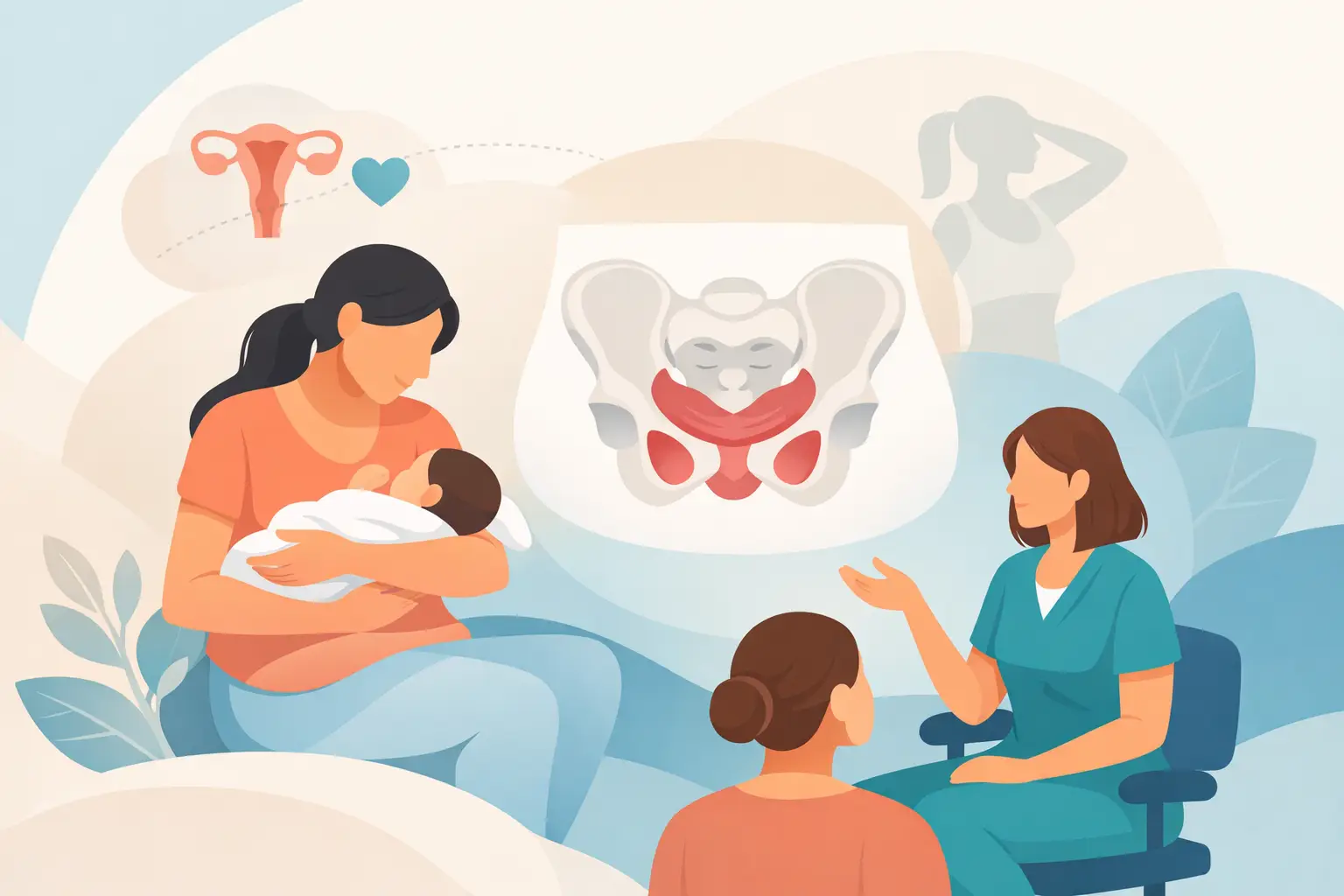
The first workout after having a baby is rarely the real test. The real test is coughing without leaking, picking up the car seat without feeling pressure, getting back to running without heaviness, or having sex without pain. That is where postpartum pelvic floor therapy can make a measurable difference. It is not just about doing Kegels or waiting for your body to “bounce back.” It is about identifying what changed during pregnancy and delivery, then rebuilding strength, coordination, and pressure control so your body feels reliable again.
Many women are told that symptoms after birth are normal. In one sense, they are common. But common does not mean you have to keep living with them. Leaking urine, pelvic pressure, low back pain, abdominal weakness, painful intercourse, constipation, or a sense that your core is not working the way it used to are all signs that your system may need more than time alone.
What postpartum pelvic floor therapy actually treats
Pregnancy and delivery place a significant load on the pelvic floor, abdominal wall, hips, spine, and rib cage. That matters because these areas do not function in isolation. If the pelvic floor is underactive, overactive, poorly coordinated, or trying to compensate for weakness somewhere else, symptoms can show up in ways that feel unrelated at first.
Postpartum pelvic floor therapy is commonly used to address urinary leaking, urinary urgency, pelvic organ prolapse symptoms, tailbone pain, abdominal separation, scar sensitivity after C-section or tearing, pain with penetration, constipation, and a lingering sense of instability through the core and pelvis. It can also help women who want to return to strength training, CrossFit, running, tennis, golf, or general exercise without guessing their way through recovery.
This is where a generic handout falls short. Two women can both have leaking after delivery and need completely different treatment. One may need to improve pelvic floor strength and timing. Another may already be gripping too much and need to restore relaxation, mobility, and better pressure management before adding strengthening work. Good care starts by figuring out which problem you actually have.
Why symptoms show up after birth
The pelvic floor is a group of muscles and connective tissues that support the bladder, bowel, and uterus while also helping manage pressure through the trunk. During pregnancy, those tissues deal with months of increasing load. During delivery, they may be stretched significantly. Add changes in sleep, breathing patterns, lifting demands, posture during feeding, and reduced exercise tolerance, and it is easy to see why symptoms can persist.
But the issue is not always damage in the dramatic sense people fear. Sometimes the problem is poor coordination. Sometimes the pelvic floor is weak. Sometimes it is stiff and guarded. Sometimes the real driver is how the rib cage, diaphragm, abdominals, and hips are working together – or not working together.
That is why a movement-based, root-cause approach matters. If you only treat the symptom, progress tends to stall. If you identify the mechanical limitations underneath it, recovery becomes much more efficient.
What to expect from postpartum pelvic floor therapy
A strong evaluation should feel specific, not rushed. Your provider should ask about your pregnancy, delivery, current symptoms, training goals, bowel and bladder habits, pain patterns, and daily activity demands. If you are an active adult who wants to get back to lifting, running, or high-intensity training, that goal should be part of the plan from day one.
The physical assessment may include breathing mechanics, abdominal wall function, posture, hip mobility, trunk control, scar mobility, and movement patterns such as squatting, hinging, carrying, and getting up from the floor. Internal pelvic floor assessment can be a helpful part of care because it gives direct information about strength, tone, endurance, tenderness, and coordination, but it should always be explained clearly and done with your consent. In some cases, treatment can still begin even if internal work is deferred.
From there, the plan should be built around your findings, not a standard postpartum timeline. Early treatment may focus on reducing pain, restoring breathing mechanics, reconnecting core function, and improving bowel and bladder habits. Later phases often progress into strength work, impact preparation, return-to-running drills, lifting mechanics, and sport-specific movement.
Why Kegels are not the whole answer
Kegels have become the default advice for almost every pelvic floor issue, but they are not a complete strategy. They can help in the right context, yet they can also be the wrong starting point.
If your pelvic floor is already overactive, constantly braced, or painful, adding more contractions can increase symptoms. If you leak during jumping or lifting because you cannot manage pressure through your whole trunk, isolated squeezes will only take you so far. And if your hip strength, rib cage position, or breathing mechanics are limiting your ability to transfer force well, you need a broader plan.
Effective postpartum pelvic floor therapy looks at function, not just muscle activation. Can you contract when needed, relax when needed, and coordinate the pelvic floor with breathing, abdominal control, and movement? That is a much more useful question than whether you are doing Kegels every day.
Returning to exercise after pregnancy
A lot of active women are cleared for exercise at six weeks and assume that means their body is fully ready. In reality, medical clearance and performance readiness are not the same thing.
Some women can resume walking, light strength work, and progressive conditioning fairly quickly. Others need more time and structure, especially if they are dealing with prolapse symptoms, significant tearing, C-section recovery, persistent pain, or a feeling of heaviness with impact. Neither situation is a failure. It just means the progression should match the body in front of you.
For return to exercise, the right questions are practical. Can you breathe well under load? Can you control pressure during a squat, deadlift, or carry? Can you tolerate impact without leaking or pelvic heaviness? Can you recover from training without symptom flare-ups later that day or the next morning? Those markers tell you far more than the calendar does.
This is also where a rehab-to-performance model is especially valuable. The goal is not simply to reduce symptoms at rest. The goal is to restore capacity so your body can handle real life and higher-level training again.
When to start postpartum pelvic floor therapy
Earlier is often better, but that does not mean you missed your chance if your baby is six months old, two years old, or older. Some women start therapy within the first few weeks postpartum for education, breathing, mobility, pain control, and early recovery support. Others come in much later when they realize symptoms are not resolving or they want to return to more demanding activity.
If you are dealing with leaking, pressure, bulging, pain, constipation, abdominal doming, scar discomfort, or fear around exercise, it is reasonable to get assessed. Waiting may help in some mild cases, but it also allows poor compensation patterns to stick around. A clear exam removes the guesswork.
For women in Fort Myers who want more than generic postpartum advice, working with a provider who understands both pelvic health and return-to-performance training can be a major advantage. That bridge matters when your goal is not just feeling better, but moving better and getting fully back to your life.
What good progress looks like
Progress is not always linear, especially in the postpartum phase where sleep, stress, feeding demands, and overall recovery can shift week to week. But good therapy should still create a clear direction.
You should understand what is driving your symptoms, what the treatment plan is targeting, and how progress will be measured. That might mean less leaking, improved bowel function, reduced heaviness, better tolerance for lifting, stronger abdominal control, or a safe progression back to running. The point is that recovery should become more predictable, not more confusing.
At Back In Motion Physical Therapy & Performance, that kind of precision matters because treatment should move beyond symptom management. The best postpartum care helps you restore confidence in your body, build real strength, and return to movement without the constant question of whether something is wrong.
If your body still feels different in a way that limits how you move, train, or live, do not write it off as the price of motherhood. The right plan can change more than symptoms. It can give you back trust in your body, which is often the piece women miss most.
About the Author: Dr. Scott Gray


Get Dr. Gray's Best-Selling Book, Free
Why pain keeps coming back, and how The Gray Method™ helps you fix it for good.
Send Me the Free BookOur Most-Read Articles
- 1Three Conditions That Mimic Sciatica PainBack
- 2The Great Plantar Fasciitis Debate: Why Boots & Cortisone Rarely Fix ItFoot
- 3Common Causes of Lower Back Pain: Herniated DiscBack
- 4The 3 Most Common Symptoms of Knee Meniscal TearsKnee
- 5What Is Hip Bursitis?Hip
- 6Pelvic Pain Explained: When It's Not a UTI but Feels Like OnePelvic
What Do You Need Help With?
- 🩺Back, neck & joint pain→
- 💪Fitness for adults 50+→
- 💙Pelvic health→
- ⚡Sports performance→
- ⛳Golf performance→
Talk to a Doctor of Physical Therapy
One-on-one care that finds the cause of your pain. Fort Myers, Cape Coral & Estero.
Inquire About an Appointment Or call (239) 223-0484
