
Physical Therapy for Disc Bulge Works
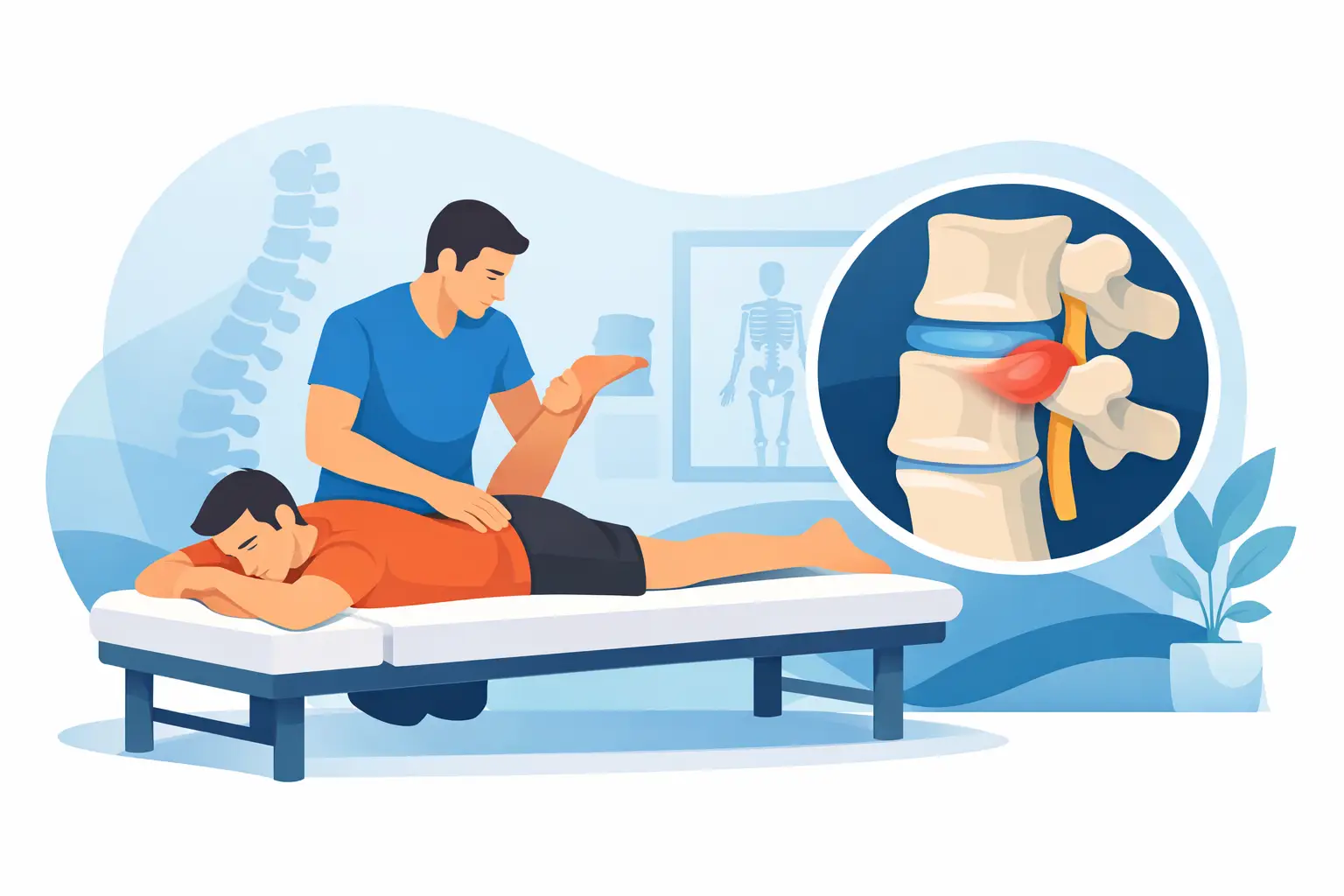
A disc bulge can make simple movements feel unpredictable. One day it is a stiff back after a long drive. The next, it is pain down the leg when you bend, sit, or try to train. The good news is that physical therapy for disc bulge is not about generic stretches or weeks of passive treatment. Done well, it is a precise process that reduces irritation, restores motion, rebuilds strength, and helps you move with confidence again.
What a disc bulge actually means
A disc sits between the bones of your spine and helps absorb force. A bulge means the disc has changed shape and is pressing outward beyond its usual boundary. That sounds dramatic, but the reality is more nuanced. Not every disc bulge causes pain, and not every painful back flare means the disc is the only problem.
This matters because many active adults and athletes hear the words disc bulge and immediately assume they should stop lifting, stop running, or avoid spinal movement altogether. That is rarely the best long-term plan. Imaging findings do not always match symptoms. What matters more is how your body is moving, what positions trigger symptoms, how irritable the area is, and whether the nerve tissue is involved.
When a disc bulge is symptomatic, people often report back pain, glute pain, pain down the leg, numbness, tingling, or a sense that certain movements are suddenly off limits. Sitting, bending, coughing, lifting, or getting up from a chair may provoke symptoms. For some, extension is the issue. For others, flexion is worse. That is exactly why cookie-cutter rehab falls short.
Why physical therapy for disc bulge should be individualized
The biggest mistake in rehab for a disc bulge is treating every case the same. Two people can have the same MRI language and need very different plans.
One person may need to calm down a highly irritable nerve and regain tolerance to sitting. Another may need to restore hip mobility and learn how to load their trunk without repeatedly stressing the same pattern. An athlete may be pain-free walking around but flare up during rotational power or heavy hinging. A parent may only notice symptoms when lifting a child out of a car seat.
Physical therapy for disc bulge works best when the treatment is built around symptom behavior, movement limitations, training history, and goals. That means the right plan is not just about pain relief. It is about identifying why the area keeps getting overloaded and what has to change so the problem does not keep returning.
What a good evaluation should look at
A strong plan starts with a thorough assessment, not a handout. You want to know more than where it hurts.
A clinician should look at when symptoms started, what positions make them better or worse, whether symptoms stay in the back or travel into the leg, and how irritable the condition is right now. They should also assess lumbar motion, hip mobility, trunk control, breathing strategy, lifting mechanics, and how you tolerate walking, sitting, bending, and transitional movements.
For active adults and athletes, the evaluation should go a step further. If your goal is getting back to golf, tennis, running, the gym, or recreational sports, your rehab has to connect to those demands. If it does not, you may feel better for a few weeks but still not be ready for the movements your life actually requires.
Physical therapy for disc bulge: what treatment often includes
Early treatment usually focuses on reducing symptom sensitivity. That can involve repeated movements in the direction your body responds well to, positional changes, manual therapy when appropriate, and strategies to reduce nerve irritation. The goal is not to chase pain all day. The goal is to find what helps your symptoms centralize, settle, or become more predictable.
As irritability improves, treatment should shift toward restoring mobility where you need it and control where you lack it. Often that includes the hips, trunk, rib cage, and pelvis. Many disc-related flare-ups are not just about a vulnerable spinal segment. They are also about poor load distribution through the rest of the system.
Then comes the part many people miss: progressive strengthening. If your back only feels okay when life is easy, you are not actually done. You need enough capacity to handle work, training, sport, travel, yard work, and the unexpected movements that happen in real life. Strength work may include hinging, squatting, carries, anti-rotation work, and gradual exposure to bending and lifting. The exact sequence depends on the person.
That progression matters. Too little loading can leave you deconditioned and afraid to move. Too much, too soon can spike symptoms. The sweet spot is controlled exposure that builds tolerance without repeatedly aggravating the tissue.
What physical therapy is trying to change
A disc bulge rehab plan should create change in three areas.
First, it should reduce symptom irritability. That means pain becomes less intense, less frequent, or less likely to travel into the leg. Second, it should improve movement quality. You should be able to sit, bend, rotate, and transition with better control and less guarding. Third, it should build capacity. You need enough strength and endurance to return to your normal life without constantly managing around your back.
This is where a rehab-to-performance approach is valuable. Pain relief is only phase one. Long-term success comes from building a body that can handle more.
What to avoid when you have a disc bulge
Rest is useful in very small doses, but extended shutdown usually backfires. Avoiding all movement can increase stiffness, reduce strength, and make the spine more sensitive. At the same time, pushing through sharp or spreading symptoms because you want to stay tough is not smart either.
The better approach is guided modification. You temporarily reduce the specific movements or loads that keep provoking symptoms, while staying active in ways your body tolerates. That may mean changing your lifting range, breaking up sitting time, adjusting your running volume, or using different setup positions in the gym.
Another common mistake is collecting random exercises from social media. Some drills help one person and flare up another. If your symptoms worsen every time you follow a generic routine, that is not a discipline problem. It is a dosage and matching problem.
How long does recovery take?
It depends on symptom severity, duration, nerve involvement, training history, sleep, stress, and how well the rehab plan matches the problem. Some people respond quickly within a few weeks. Others need a longer progression, especially if symptoms have been coming and going for months or if they have already lost strength and confidence.
The important point is this: progress is not just about pain disappearing overnight. Early wins may look like sitting longer without leg pain, getting out of bed with less stiffness, or returning to modified training without a flare-up. Those changes matter because they tell you the system is calming down and becoming more resilient.
When to get help sooner rather than later
If your pain is traveling down the leg, you have numbness or tingling, symptoms are getting worse instead of better, or your normal workouts and daily tasks keep triggering flare-ups, it is worth getting assessed. The sooner you understand your movement pattern and symptom drivers, the sooner you can stop guessing.
In Fort Myers, many active adults wait too long because they assume back pain is something they just need to stretch around. But if the issue is recurring, the real problem is often not a lack of effort. It is a lack of specificity.
At Back In Motion Physical Therapy & Performance, that is exactly where a root-cause-driven process changes the game. A structured evaluation, clear progression, and a return-to-performance mindset help you move past short-term relief and build a back that is prepared for more.
The bigger goal: getting back to life without fear
The best rehab plan for a disc bulge does more than calm pain. It gives you a roadmap. You learn which movements help, which loads you can tolerate today, what needs to improve, and how to progress without second-guessing every activity.
That matters if you want to lift again, play your sport, travel comfortably, keep up with your kids, or simply stop planning your day around your back. A strong program does not tell you that your spine is fragile. It shows you how to restore motion, rebuild strength, and trust your body again.
If your back has been limiting how you train or live, the next step is not more rest and not more random advice. It is a plan that matches your body, your symptoms, and the level you want to return to.
About the Author: Dr. Scott Gray


Get Dr. Gray's Best-Selling Book, Free
Why pain keeps coming back, and how The Gray Method™ helps you fix it for good.
Send Me the Free BookOur Most-Read Articles
- 1Three Conditions That Mimic Sciatica PainBack
- 2The Great Plantar Fasciitis Debate: Why Boots & Cortisone Rarely Fix ItFoot
- 3Common Causes of Lower Back Pain: Herniated DiscBack
- 4The 3 Most Common Symptoms of Knee Meniscal TearsKnee
- 5What Is Hip Bursitis?Hip
- 6Pelvic Pain Explained: When It's Not a UTI but Feels Like OnePelvic
What Do You Need Help With?
- 🩺Back, neck & joint pain→
- 💪Fitness for adults 50+→
- 💙Pelvic health→
- ⚡Sports performance→
- ⛳Golf performance→
Talk to a Doctor of Physical Therapy
One-on-one care that finds the cause of your pain. Fort Myers, Cape Coral & Estero.
Inquire About an Appointment Or call (239) 223-0484
