
Pelvic Health Fort Myers for Stronger Movement
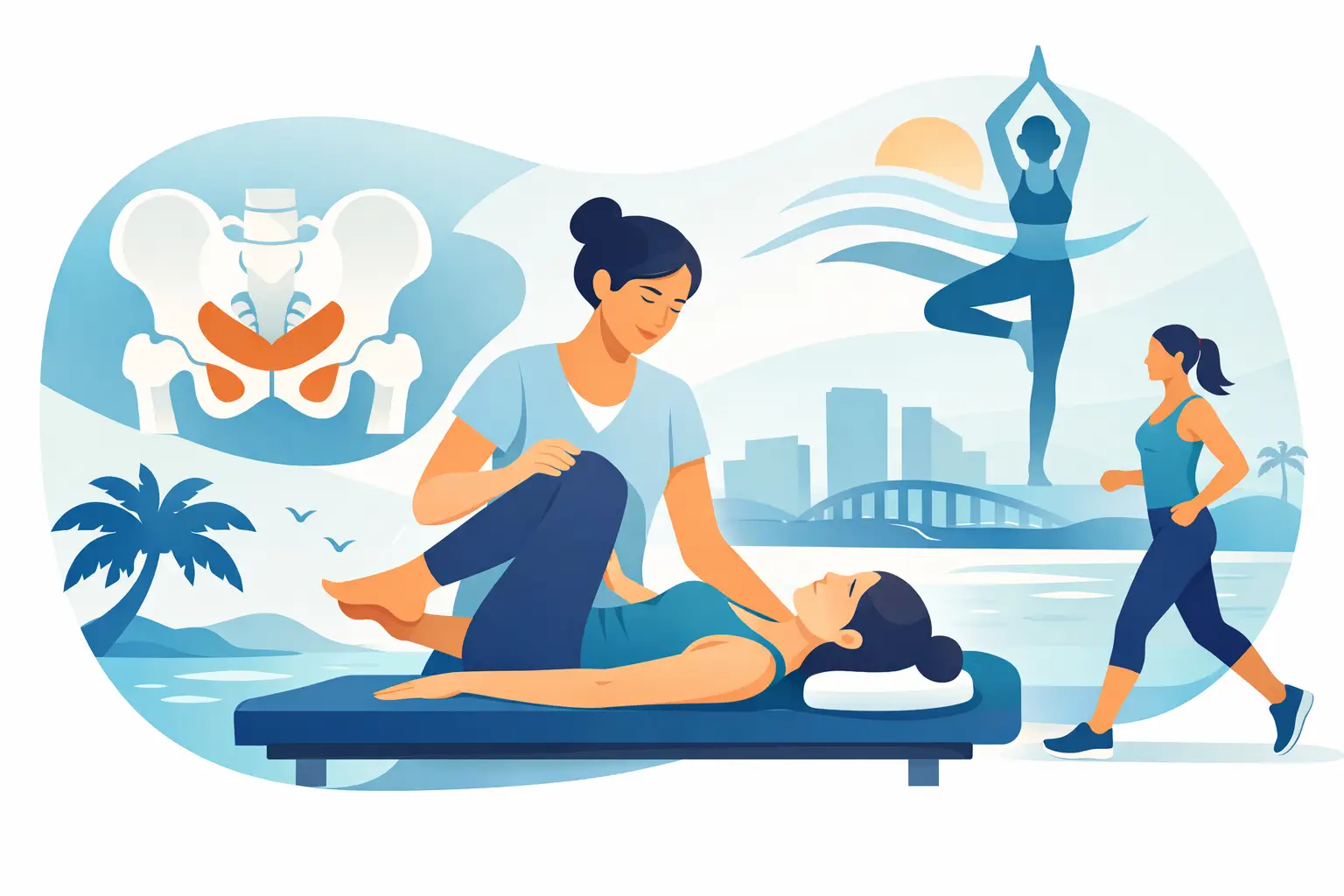
A run should not end because of pelvic pressure. A tennis match should not be planned around the nearest restroom. And leaking during a jump, cough, or heavy lift is not simply something you have to accept. Pelvic health Fort Myers care is about finding out why these symptoms are happening, then building the strength, coordination, and confidence to move without holding back.
Pelvic floor symptoms can be frustrating because they often feel personal, unpredictable, and disconnected from the rest of the body. In reality, the pelvic floor works as part of a larger movement system. Your breathing mechanics, hip mobility, abdominal control, training volume, posture, and previous injuries can all influence how it functions. A precise plan looks beyond the symptom and addresses the movement patterns contributing to it.
What Pelvic Health Physical Therapy Can Help Address
The pelvic floor is a group of muscles at the base of the pelvis. These muscles support pelvic organs, contribute to bladder and bowel control, respond to changes in pressure during activity, and work with the diaphragm, abdominals, hips, and low back to create stability.
When that system is not coordinating well, symptoms can show up during exercise, work, pregnancy, postpartum recovery, or ordinary daily activities. Pelvic health physical therapy may help with urinary leakage, urinary urgency or frequency, pelvic pain, pain with intercourse, constipation, pelvic heaviness or pressure, pregnancy-related discomfort, postpartum recovery, and pain in the low back, hips, tailbone, or groin when pelvic floor involvement is part of the picture.
Symptoms do not always mean the pelvic floor is weak. Sometimes the muscles are underactive and need more strength. Sometimes they are overactive, guarded, or unable to relax. In those cases, doing more Kegels without an assessment can reinforce the problem. The right approach depends on what your body is doing now and what you need it to do.
Pelvic Health Fort Myers Care Should Be Individualized
Generic exercise handouts leave too much unanswered. If you leak while running but not while lifting, experience pain after sitting but not walking, or feel pelvic pressure only late in a round of golf, those details matter. They point to specific demands, positions, and fatigue patterns that should shape treatment.
A thorough pelvic health evaluation starts with a conversation about your symptoms, health history, goals, training routine, and the activities you want to return to. It also assesses the broader movement system: breathing patterns, trunk control, hip strength, mobility, balance, load tolerance, and movement during tasks that matter to you.
An internal pelvic floor assessment may be clinically appropriate and can provide useful information about muscle tone, strength, endurance, relaxation, and coordination. It should always be explained clearly and performed only with your informed consent. External assessment and movement testing can also provide valuable direction. The goal is not to force every person into the same exam or treatment plan. It is to gather the information needed to make good decisions.
At Back In Motion Physical Therapy & Performance, this root-cause approach aligns with The Gray Method™: identify the limitation, correct it with targeted treatment, and progress toward stronger, more capable movement. That progression matters because relief is only the first milestone. You also need the capacity to handle the activities that brought symptoms on in the first place.
Treatment Is More Than Pelvic Floor Exercises
Effective care can include hands-on treatment, education, mobility work, strength training, breathing retraining, coordination drills, and a progressive home program. The exact mix depends on the findings.
For someone with a tight, painful pelvic floor, early treatment may focus on down-training, breathing, hip mobility, and learning how to release unnecessary tension. For someone who leaks during impact exercise, treatment may emphasize pressure management, pelvic floor timing, single-leg control, progressive loading, and a structured return to jumping or running. A postpartum client may need to rebuild abdominal and pelvic floor coordination before returning to heavier strength training. An athlete with groin pain may need pelvic floor work alongside hip, trunk, and sport-specific rehabilitation.
This is where trade-offs matter. Rest can calm symptoms temporarily, but avoiding all activity for too long can reduce strength and confidence. Pushing through symptoms without a plan can also prolong the problem. The better middle ground is to modify the demand, improve the movement strategy, and gradually reload the system.
Pressure Management Matters During Training
Your pelvic floor responds to pressure changes created by breathing, lifting, coughing, running, and jumping. Bracing hard at the wrong time, holding your breath through every rep, or repeatedly training to fatigue without adequate control can aggravate symptoms for some people.
That does not mean you should avoid lifting heavy weights or stop running forever. It means your strategy has to match your current capacity. A physical therapist can help you adjust breathing, bracing, exercise selection, load, range of motion, and volume so training becomes part of recovery instead of a repeated irritation.
Returning to the Activities That Matter to You
Pelvic symptoms can quietly narrow a person’s life. You may stop taking fitness classes, avoid long car rides, skip pickleball, hesitate to pick up your child, or wear dark clothing “just in case.” Those adjustments are understandable, but they should not have to become permanent.
The end goal of pelvic health rehabilitation is functional freedom. That can mean getting through a workday without urgency, returning to pain-free intimacy, lifting with confidence, or running on Fort Myers trails without planning your route around a bathroom. For athletes, it may mean rebuilding the ability to sprint, cut, jump, rotate, and absorb force without symptoms or fear.
Progress is rarely a straight line. Sleep, stress, hormonal changes, training spikes, and recovery habits can affect symptoms. A good plan accounts for those variables rather than treating a temporary flare as failure. Measurable checkpoints help: fewer leakage episodes, less pain, improved tolerance for sitting or walking, better lifting capacity, or a gradual increase in mileage and impact work.
When to Seek Help Rather Than Waiting It Out
Many people wait months or years before talking about pelvic symptoms. They assume the issue is normal after pregnancy, part of aging, or the unavoidable cost of staying active. Pelvic floor dysfunction is common, but common does not mean you have to live with it.
Consider an evaluation if symptoms are limiting exercise, work, sleep, travel, intimacy, or confidence. Seek prompt medical evaluation for new or severe pelvic pain, unexplained bleeding, fever, blood in urine or stool, sudden changes in bladder or bowel control, numbness in the saddle area, or significant weakness in the legs. Pelvic physical therapy works best as part of appropriate medical care when red-flag symptoms are present.
You do not need to wait until symptoms are severe to get answers. An early assessment can clarify what is happening, reduce uncertainty, and give you a practical path forward.
Your body is not asking you to stop moving. It may be asking for a better strategy, the right progression, and support that is built around the life you want to live.
About the Author: Dr. Scott Gray





 Call (239) 788-0838