
Why Most Exercise Programs Make You Hurt
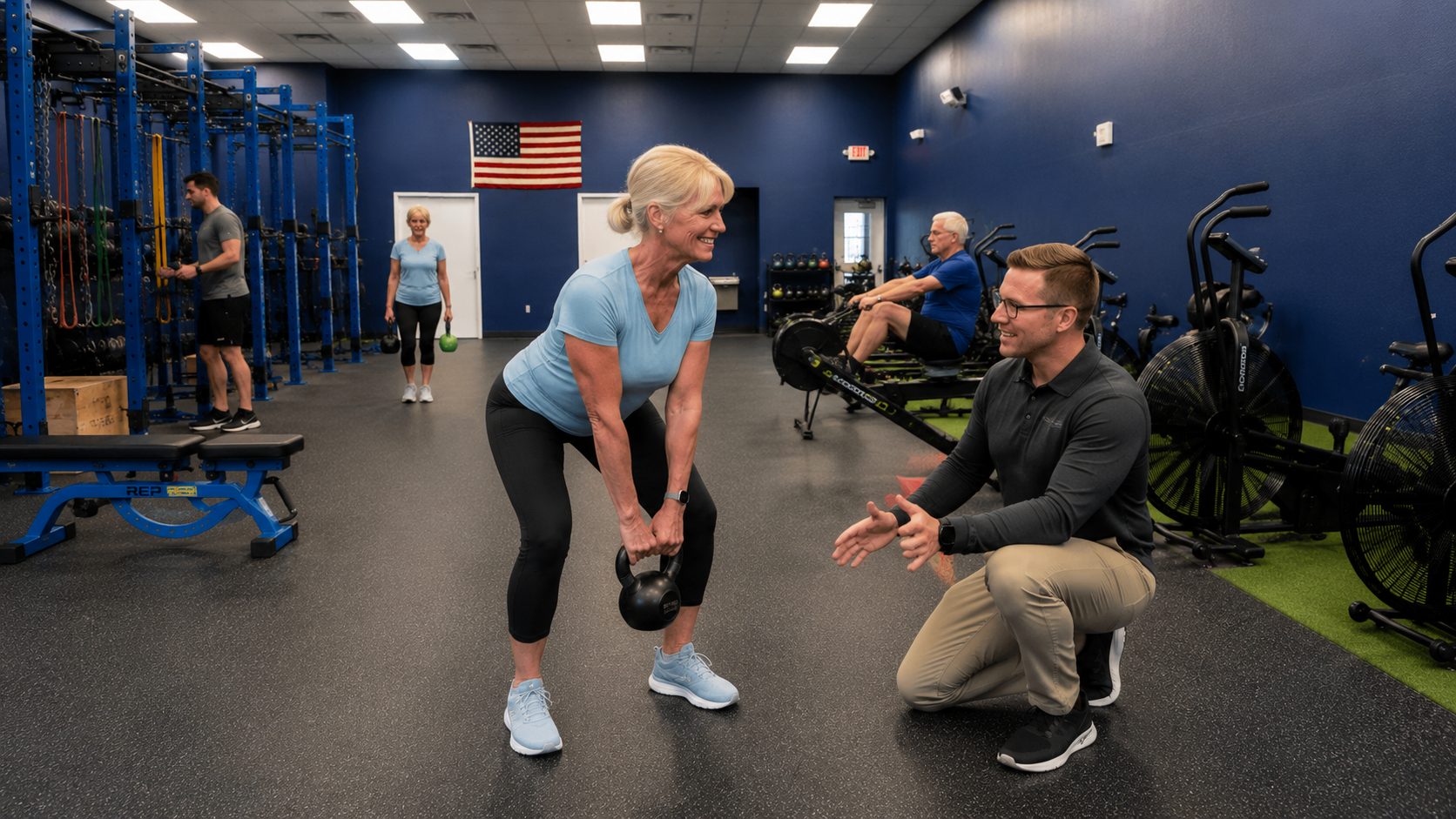
Pain during exercise is often treated like a badge of honor. Push through it. Stretch more. Take a rest day and try again. But Why Most Exercise Programs Make You Hurt & What to do Instead comes down to one simple truth: most programs are built for a general population, while your body has specific limitations, movement habits, and training demands.
That mismatch is where trouble starts. A workout can look great on paper and still be the wrong fit for your hips, shoulders, spine, pelvic floor, or training history. When the program ignores how you move, pain is not bad luck. It is feedback.
Why most exercise programs make you hurt in the first place
Most exercise plans are designed around exercises, not around people. They assume you have the mobility to squat deep, the control to press overhead, the trunk stability to run high mileage, or the recovery capacity to handle repeated intensity. A lot of active adults and athletes do not have those pieces fully in place, especially if they are coming off an old injury, spending long hours sitting, or trying to return to activity after time away.
The biggest issue is not exercise itself. It is poor exercise selection, poor progression, and poor timing. If you load dysfunction, you usually get more dysfunction. That can show up as knee pain during lunges, back tightness after deadlifts, hip pinching during squats, shoulder irritation with pressing, or leaking and pressure symptoms during core and strength work.
Generic programs also tend to chase fatigue instead of movement quality. You may feel like you got a hard workout, but soreness and exhaustion are not proof that training is helping. If your body is compensating through every rep, you are reinforcing the exact pattern that keeps causing irritation.
The real problem is usually underneath the painful area
This is where many people get stuck. They treat the spot that hurts and miss the reason it keeps getting overloaded.
A painful knee may be dealing with limited ankle mobility or weak hip control. Shoulder pain may have more to do with thoracic stiffness, rib position, or poor scapular mechanics than the shoulder joint itself. Low back pain during lifting may reflect deficits in hip motion, breathing strategy, trunk control, or simply a load progression that outpaced your capacity.
That is why symptom-based fixes often fail. Ice, rest, foam rolling, and random stretching can calm things down temporarily, but they rarely solve the movement issue driving the pain. If you go right back to the same poorly matched program, the pain usually returns.
What to do instead
Start with assessment, not assumption. Before you change exercises, increase weight, or sign up for the next challenge, you need to know what your body can currently do well and where it is compensating.
A smarter plan looks at mobility, strength, control, balance, impact tolerance, breathing mechanics, and sport or activity demands. From there, the program should be built around your starting point, not somebody else’s highlight reel.
That often means regressing before progressing. Not because you are weak, but because the foundation matters. If a barbell back squat hurts, the answer is not always to stop training legs. It may mean using a different squat variation, adjusting range of motion, improving ankle and hip mechanics, and rebuilding load gradually. If running flares up your shin, knee, or pelvic floor symptoms, you may need to improve force absorption, single-leg control, and pacing before pushing mileage.
The right program should do three things at the same time: reduce irritation, improve movement quality, and build capacity. Miss one of those, and progress usually stalls.
What effective programming actually feels like
Good training is not pain-free every second, and it is not always easy. But it should feel purposeful. You should know why you are doing each exercise, what it is supposed to improve, and how it connects to your bigger goal.
You should also see progression that makes sense. Better joint motion. Cleaner movement. Less post-workout flare-up. More confidence under load. A gradual return to running, lifting, golf, tennis, or whatever matters most to you.
This is the difference between chasing random workouts and following a plan. At Back In Motion Physical Therapy & Performance, that process is built around finding the root cause first, then progressing from rehab into stronger, more resilient performance. That bridge matters, because many people do not just want pain relief. They want to trust their body again.
If your workout keeps hurting, it is time to change the process
Pain is not always a sign that exercise is bad for you. More often, it is a sign that your current plan is missing something important. The fix is not to stop moving. It is to train with more precision.
When exercise matches your mobility, control, strength, and goals, it stops feeling like punishment and starts doing what it should have done all along – helping you move better, get stronger, and return to activity with confidence.
About the Author: Dr. Scott Gray




 Call (239) 223-0484
