
A Guide to Personalized Physical Therapy
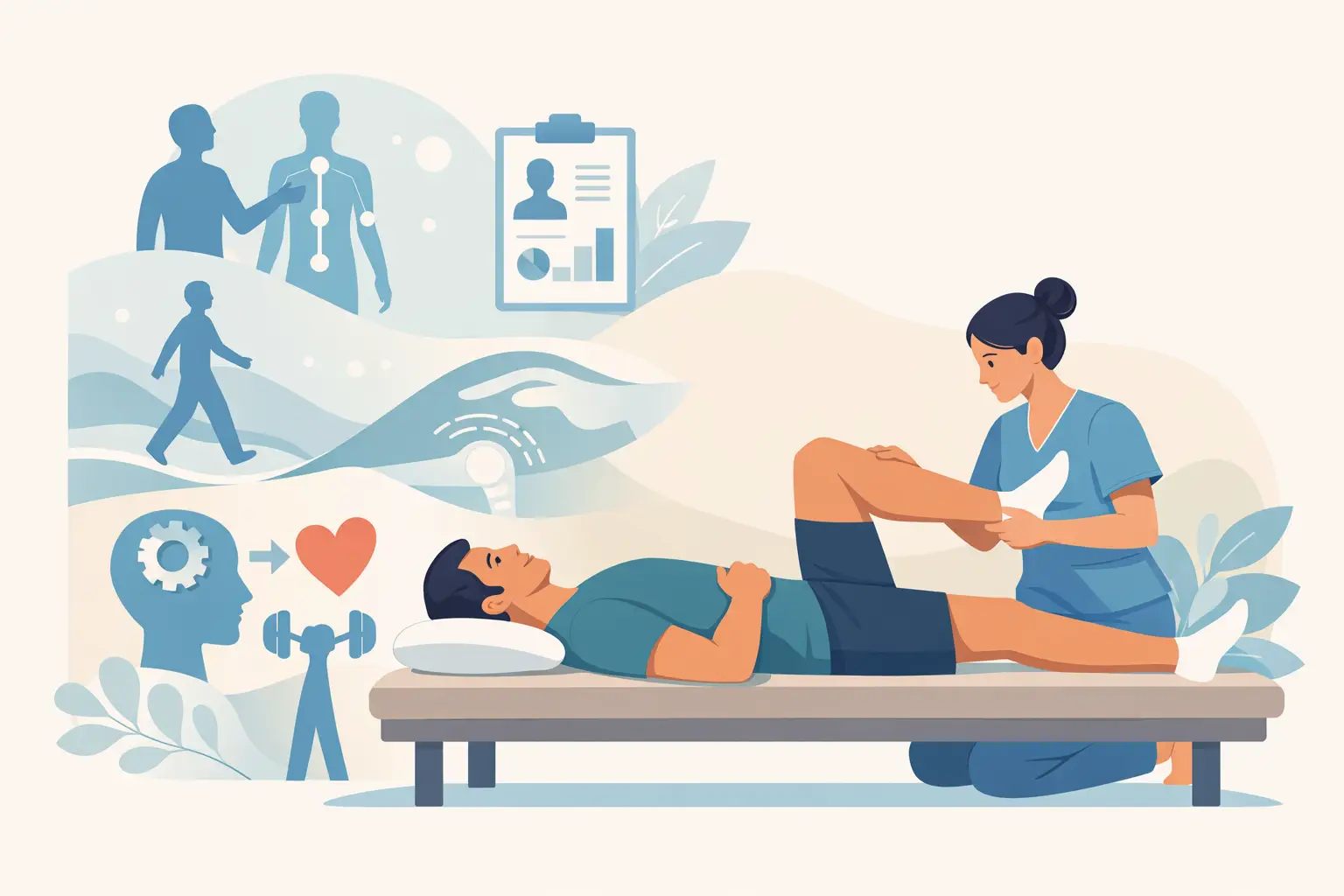
You can do all the “right” things – rest, stretch, foam roll, even finish a round of standard physical therapy – and still end up with the same knee pain on stairs, the same shoulder pinch in the gym, or the same back tightness after a run. That is exactly why a guide to personalized physical therapy matters. If the real problem was never identified, the plan was always going to fall short.
Generic rehab tends to chase symptoms. Personalized physical therapy is different. It starts by asking better questions, looking closely at how you move, and building a treatment plan around your body, your sport, your daily demands, and your goals. For active adults and athletes, that difference is often what separates temporary relief from real progress.
What personalized physical therapy actually means
Personalized physical therapy is not just a nicer way to describe one-on-one care. It means your treatment is built from an individual evaluation rather than a preset protocol. Two people can have the same diagnosis on paper and need completely different plans.
Take low back pain. One person may be dealing with poor hip mobility and strength deficits that overload the spine during lifting. Another may have limited thoracic rotation, a breathing pattern issue, and movement habits that show up during tennis or golf. If both people get the same exercises, one might improve and the other might stay stuck.
A personalized plan accounts for what hurts, why it hurts, what makes it worse, what has already failed, and what you need your body to do next. That might mean returning to deadlifts, running without flare-ups, recovering after childbirth, or building enough control and strength to avoid repeating the same injury cycle.
Why generic treatment often stalls progress
Many people are not frustrated because they never sought help. They are frustrated because they did, and the help did not change much. Short visits, rushed exercise handouts, and passive treatments can leave big gaps in care.
That model can calm symptoms for some people, especially in the early stage of pain. But it often breaks down when the issue is more complex, recurrent, or tied to how someone moves under real-world demands. If treatment never progresses beyond basic exercises or never connects rehab to strength and performance, the body may feel better briefly without becoming more capable.
This is where personalization matters most. The goal is not simply to reduce pain in the clinic. The goal is to restore movement quality, build capacity, and prepare you to handle the activities that matter to you outside the clinic.
A guide to personalized physical therapy starts with assessment
The most important part of the process is the evaluation. Not the quick version. The thorough one.
A strong assessment looks beyond the painful area. If your knee hurts, the right clinician should still look at your ankle mobility, hip control, trunk stability, training history, and loading patterns. If your shoulder hurts, they should care about your thoracic spine, scapular mechanics, strength balance, exercise technique, and sport demands.
This is where root-cause thinking changes the game. Pain does not always tell you where the real problem started. The body compensates well, until it does not. Personalized physical therapy is designed to catch those compensations early, explain them clearly, and turn them into a plan.
For active clients, that plan should also include baseline measures. Range of motion, strength, tolerance to loading, balance, speed of movement, and task-specific function all matter. You want more than “it seems better.” You want objective signs that you are moving toward your goal.
The best treatment plan is specific to your life
A personalized plan should fit your schedule, training background, recovery capacity, and motivation level. That sounds obvious, but it is where many rehab programs lose people.
If you are a busy parent who wants to get through workouts without hip pain, your program needs to be efficient and realistic. If you are a runner training for a race, your rehab must account for mileage, intensity, and return-to-run progressions. If you are dealing with pelvic floor symptoms, the plan has to reflect the demands of your body and your daily life with precision and respect.
This is also why personalized physical therapy is not just about choosing the right exercises. It is about choosing the right dosage, the right sequence, and the right progression. An exercise can be excellent for one person and poorly timed for another. Pushing too hard too early can flare symptoms. Staying too basic too long can delay recovery.
That balance is clinical judgment. It is one of the biggest differences between a tailored plan and a generic one.
Rehab should progress into strength and performance
For active adults and athletes, pain relief is only the first checkpoint. If rehab stops there, the body may return to activity without enough strength, control, or tolerance to stay there.
That is why the best personalized care moves in phases. Early on, the focus may be reducing pain, restoring motion, and calming irritated tissues. Then the work shifts to correcting movement limitations, improving strength, and rebuilding confidence. After that, rehab should start to resemble the demands of your real life or sport.
A golfer needs rotational control. A runner needs load tolerance and impact management. A tennis player needs power transfer and shoulder resilience. Someone returning to the gym needs a plan for squatting, hinging, pressing, and pulling without falling back into the same pattern that caused the problem.
This rehab-to-performance model matters because injury recovery is not complete when symptoms fade. It is complete when your body can handle the demands you place on it.
What to look for in a personalized physical therapy provider
If you are trying to choose the right clinic, look past the marketing language and pay attention to the process. Personalized care should be visible in how the provider evaluates, explains, and progresses your treatment.
You should expect a clear explanation of what is driving your pain or limitation, not just a label. You should expect one-on-one attention and a plan that evolves based on your response. You should also expect treatment to include active strategies, not just passive ones. Hands-on care can help in the right context, but it should support movement-based progress, not replace it.
It also helps to work with a provider who understands training and performance, not only rehab. That is especially true if your goal is returning to lifting, running, court sports, or other high-demand activity. Recovery is better when the person guiding it knows how to bridge the gap between pain and performance.
In Fort Myers, that matters for people who want to stay active year-round. When your lifestyle includes golf, tennis, running, boating, gym training, or recreational sports, you need a plan built for movement, not just symptom management.
The trade-off: personalized care asks more of you
There is a reason individualized physical therapy gets better results for many active people, and it is not because it is easier. A personalized plan is more precise, but it also requires buy-in.
You may need to relearn movement patterns, track symptoms honestly, and stay consistent with a program that evolves over time. You may also hear that a favorite workout, training habit, or recovery shortcut is part of the problem. That is not a setback. It is useful information.
The upside is that you are no longer guessing. You know what the issue is, what the plan is, and what progress should look like. For most people, that clarity is a relief. It replaces frustration with direction.
When personalized physical therapy makes the biggest difference
Not every ache requires a highly customized rehab plan. Some minor issues improve quickly with smart activity modification and a few focused exercises. But personalization becomes much more valuable when pain keeps returning, when previous treatment did not work, or when your goal is more demanding than just getting through the day.
It is especially useful for recurring sports injuries, post-surgical recovery, pelvic health concerns, persistent mobility restrictions, and cases where pain appears in one area but the actual dysfunction starts somewhere else. It also matters when you want to keep training while recovering rather than shutting everything down.
That is where a structured method helps. At Back In Motion Physical Therapy & Performance, the focus is on identifying the true source of dysfunction, correcting limiting patterns, and progressing clients toward stronger, more resilient movement. That kind of system is built for people who want a plan they can trust.
A good personalized program should leave you feeling more in control of your body, not more dependent on treatment. You should understand what you are working on, why it matters, and how it connects to your next goal. That is the standard worth looking for.
If you are tired of chasing the same pain and ready for a plan that matches how you actually live and move, personalized physical therapy is not a luxury. It is often the most efficient path forward.
About the Author: Dr. Scott Gray




 Call (239) 223-0484
