
Can Physical Therapy Prevent Surgery?
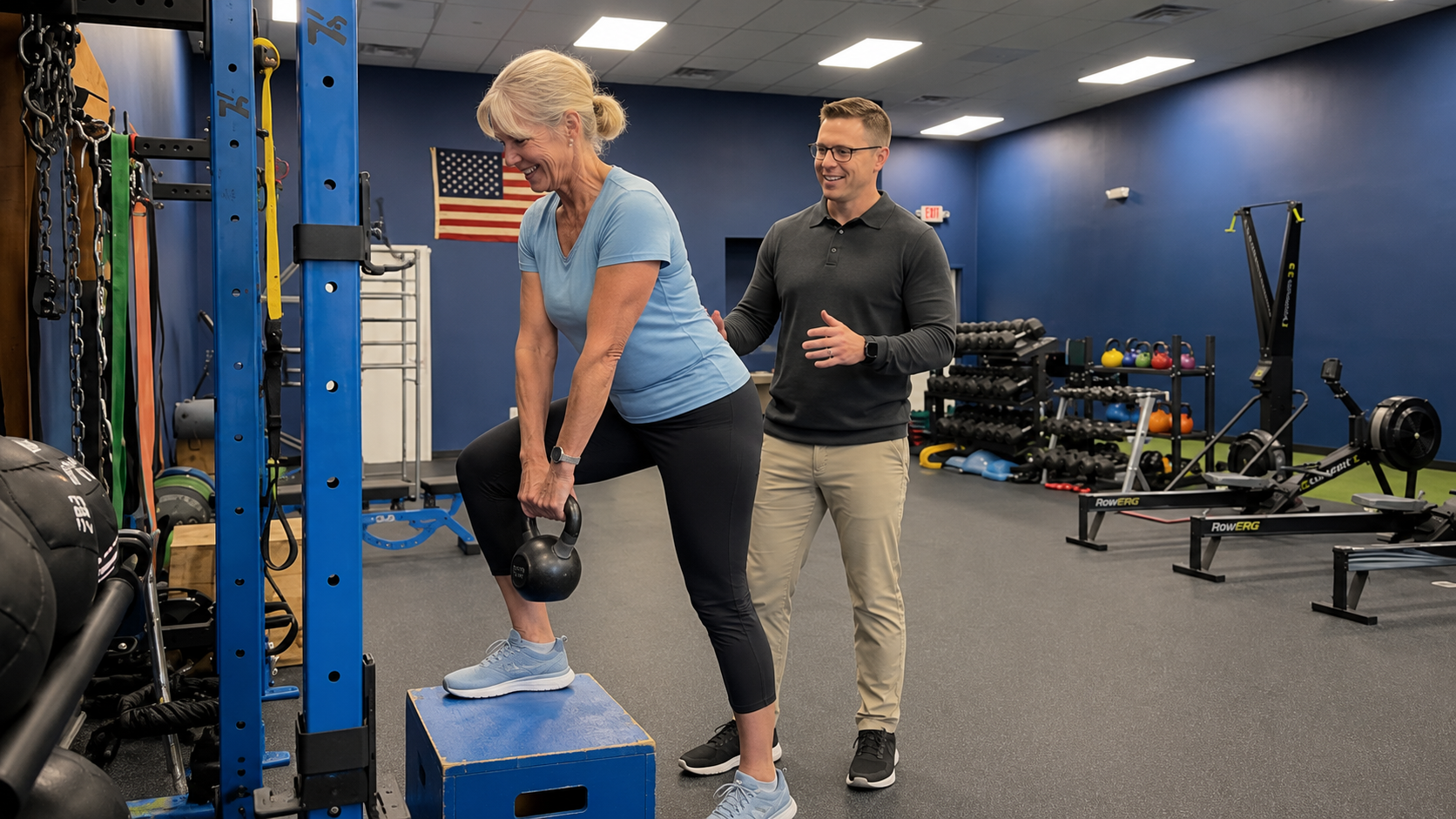
A lot of people ask this question after they have already been told they might need a procedure, an injection, or time away from training: can physical therapy prevent surgery? In many cases, yes. But the better answer is this – physical therapy can often change the path if the real problem is identified early, treated precisely, and progressed the right way.
That matters if you are an active adult, runner, golfer, tennis player, lifter, or parent trying to stay in the game. Surgery has a place. It can be the right decision for the right condition. But many people are pushed toward it before they have gone through a structured plan to improve mobility, reduce irritation, rebuild strength, and restore movement quality.
When can physical therapy prevent surgery?
Physical therapy is most likely to prevent surgery when pain is being driven by movement dysfunction, strength deficits, poor load tolerance, joint stiffness, muscle imbalance, or compensation patterns rather than a problem that absolutely requires surgical repair.
That includes many cases of low back pain, neck pain, shoulder impingement, rotator cuff-related pain, knee pain, tendinopathy, plantar fasciitis, hip pain, and some meniscus or labral issues. Imaging often shows wear-and-tear findings that look alarming on paper but do not always explain the full picture. A disc bulge, a partial tendon tear, or arthritis changes can exist alongside a body that still has plenty of potential to move well and function without surgery.
This is where a detailed assessment matters. If your pain started because one area is overloaded, another area is restricted, and your movement strategy has slowly broken down, then the right rehab plan can take pressure off the irritated tissue and build the system back up.
Why some people improve without an operation
Pain is not just about damaged tissue. It is also about stress on the tissue, how well your body distributes force, and whether you have the mobility and strength to handle your daily activity or sport.
Take a common example: shoulder pain during pressing, serving, or reaching overhead. The shoulder is where the pain shows up, but the problem may also involve limited thoracic mobility, poor scapular control, weakness through the rotator cuff, or a training pattern that keeps irritating the same structure. If you only chase the painful spot, progress is slow. If you restore the mechanics around it, symptoms often improve and function comes back.
The same thing happens with knee pain. Some people are told the knee is the issue, when the bigger driver is poor hip control, ankle stiffness, reduced single-leg strength, or a sudden spike in training load. Surgery does not fix all of that. A well-built rehab plan can.
Can physical therapy prevent surgery for disc, meniscus, and rotator cuff problems?
Sometimes yes, and this is where nuance matters.
With disc-related back pain, many people improve significantly through targeted physical therapy. If the main issue is pain with bending, prolonged sitting, poor trunk control, or nerve irritation that responds to movement-based treatment, strength work, and activity modification, surgery may not be necessary. But if there is progressive neurological loss, severe weakness, or bowel and bladder changes, that is a different category and needs immediate medical attention.
Meniscus injuries are similar. Some tears are traumatic and mechanically block the knee. Those cases may need surgical evaluation. But many meniscus findings on MRI are degenerative and not the sole reason a knee hurts. If the joint can move, swelling is controlled, and strength and stability improve, plenty of people return to walking, lifting, running, or recreational sports without surgery.
Rotator cuff tears also sit in the gray area. Full-thickness tears in highly active individuals may require surgical discussion, especially after trauma. But many partial tears and rotator cuff-related pain cases respond very well to physical therapy. Better shoulder mechanics, stronger cuff and scapular muscles, and smarter loading can reduce pain and restore function enough to avoid an operation.
The difference between generic rehab and effective rehab
Not all physical therapy gives you the same chance of avoiding surgery.
If treatment is built around short visits, passive modalities, and a printout of general exercises, you may feel like you tried PT when you really never got a plan specific to your body. That is a major reason people lose confidence in conservative care too early.
Effective rehab starts by asking better questions. What movements provoke symptoms? What is stiff? What is weak? What compensations are showing up? What can you not tolerate now that you need to get back to? What is the actual barrier between your current state and your next level of function?
At Back In Motion, that root-cause approach is central to how we evaluate and progress care. The goal is not just to calm symptoms down for a week. The goal is to restore clean movement, build capacity, and give you a path back to lifting, running, playing, or living without feeling fragile.
What physical therapy can do before surgery is on the table
The best rehab plans do more than reduce pain. They improve the factors that often drive the need for surgery in the first place.
First, physical therapy can reduce irritation. That might mean modifying movement patterns, reducing compressive stress, unloading a tendon, or improving joint mechanics so an aggravated area gets a chance to settle down.
Second, it can restore mobility where your body has become restricted. Limited hip rotation, ankle dorsiflexion, thoracic extension, or pelvic control can push too much stress into another joint. When you restore those missing pieces, pain often becomes more manageable.
Third, it builds strength and load tolerance. This is where many people finally turn the corner. It is one thing to feel better at rest. It is another to handle stairs, deadlifts, pickleball, or a long workday without symptoms spiking. Strength gives tissues the capacity to handle life again.
Fourth, physical therapy helps you test reality. If you respond well to a structured progression, you may realize surgery is not your only path. If you do not respond despite good compliance and the right progression, that information is useful too. It helps clarify whether a surgical consult makes more sense.
When surgery may still be the right move
A strong physical therapist should never pretend every condition can be rehabbed away.
Some injuries clearly need a surgical opinion. Fractures, complete tendon ruptures in the right setting, major ligament injuries with instability, severe joint damage, progressive neurological deficits, and certain traumatic injuries fall into that category. There are also cases where someone has done high-quality rehab, made partial progress, but still cannot function at the level they need. At that point, surgery may be the best next step.
This is not a failure of physical therapy. It is good decision-making. The real question is whether you have had a true movement-based evaluation and a meaningful attempt at conservative care before accepting surgery as inevitable.
How to know if your current problem deserves a PT-first approach
If your pain has been lingering, keeps coming back, or gets worse with specific movements but you can still function, that is often a good sign to start with physical therapy. The same is true if you have been told you have arthritis, a disc issue, a meniscus tear, or a rotator cuff problem but have not gone through a progressive strength and movement plan.
You are also a strong candidate for PT-first care if your pain is limiting workouts, sports, walking, sleep, or daily tasks and no one has clearly explained why it keeps happening. Those situations often improve when the full movement system is evaluated instead of chasing symptoms.
The sooner you address the problem, the better. Early intervention gives you more room to calm irritation, correct faulty mechanics, and rebuild before the issue becomes more chronic and more limiting.
The better question to ask
Instead of only asking can physical therapy prevent surgery, ask this: has the real cause of my pain been identified, and have I gone through a plan that actually addresses it?
That is where people often find their answer.
Surgery can be necessary. But it should not be the default just because pain has lasted longer than expected or imaging looks scary. Many active adults and athletes do not need less activity – they need a smarter path back to it. The right physical therapy plan can give you that path, and sometimes that is exactly what keeps the operating room off the calendar.
If you are dealing with pain that keeps interrupting training, sport, or daily life, the smartest next step is not guessing. It is getting assessed by someone who can tell you what is driving the problem, what can improve, and what a real return-to-activity plan should look like.
About the Author: Dr. Scott Gray




 Call (239) 223-0484
