
Physical Therapy Fort Myers: What to Expect
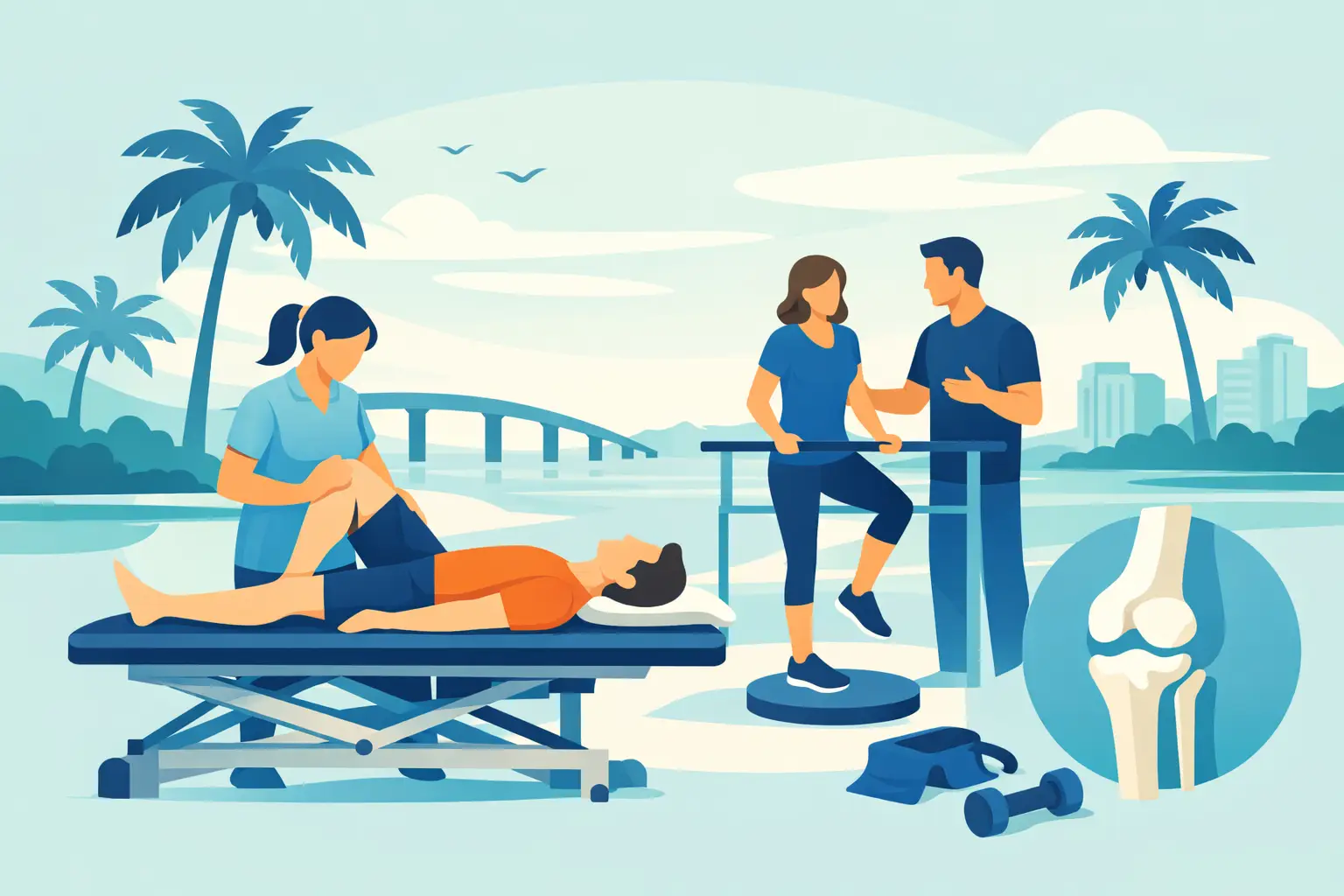
If your knee still hurts every time you squat, your shoulder keeps barking during tennis, or your back tightens up after a few hours at your desk, you do not need more guesswork. The right physical therapy Fort Myers patients choose should do more than calm symptoms for a few days. It should identify why the problem keeps showing up, give you a clear plan, and help you return to training, work, sport, and everyday life with more confidence.
That sounds obvious, but many people have already been through a version of care that felt rushed, generic, or disconnected from their actual goals. They got a few exercises, a heat pack, maybe some manual therapy, and very little explanation. Pain improved just enough to get by, then came back as soon as activity picked up. If that cycle sounds familiar, the issue is not that physical therapy failed. It is that the process stopped too early or never addressed the real driver of the problem.
What good physical therapy in Fort Myers should actually do
At a high level, physical therapy should reduce pain, improve mobility, rebuild strength, and restore function. But those goals only matter if they are tied to your life. For one person, function means walking without hip pain. For another, it means getting back to deadlifts, golf, pickleball, distance running, or postpartum exercise without fear.
That is why strong care starts with assessment, not assumptions. A painful shoulder may be a shoulder problem, but it may also reflect thoracic stiffness, poor scapular control, training errors, or tissue overload from doing too much too soon. Knee pain can come from local irritation, but it can also be driven by ankle restriction, hip weakness, load tolerance issues, or movement patterns that never got cleaned up after a previous injury.
When the assessment is precise, treatment gets more precise too. Instead of chasing symptoms, the plan addresses the movement limitation, strength deficit, tissue irritability, and activity demand that are actually keeping you stuck.
Why recurring pain keeps coming back
Recurring pain usually has a pattern. Maybe you rest, feel better, then the pain returns when you restart workouts. Maybe you finished rehab after an old injury but never built back enough strength or capacity for your sport. Maybe imaging showed something, but nobody explained whether that finding was really driving your symptoms.
Pain is rarely just about one structure on one bad day. It often reflects a mismatch between what your body can currently tolerate and what you are asking it to do. That mismatch can come from poor movement mechanics, underloaded tissues, sudden spikes in activity, limited mobility, or compensation patterns that spread stress to the wrong area.
This is where a root-cause approach matters. If treatment focuses only on short-term relief, you may feel better briefly without becoming more durable. If treatment progresses from pain reduction into mobility work, strength development, and graded return to activity, your odds of staying active improve.
How to choose physical therapy Fort Myers residents can trust
Not every clinic is built for the same kind of patient. If you are active, want answers, and expect a clear progression back to the things you care about, ask better questions before you book.
Start with the evaluation process. You want a provider who looks at more than the painful spot. They should assess how you move, how strong you are, what aggravates the issue, what your training or daily routine looks like, and what your real goal is. If your goal is to return to sport or strength training, that should shape the plan from day one.
Next, look at how treatment time is used. Passive care can help in the right context, but it should not be the entire plan. Manual therapy, dry needling, or soft tissue work may reduce pain and improve motion, but lasting change usually comes from movement retraining, strength work, load management, and progression.
You should also ask whether the clinic can bridge the gap between rehab and performance. That matters more than people think. Many injuries do not happen because someone was not treated. They happen because someone stopped at feeling decent instead of rebuilding the capacity to handle real life and real sport.
What a more effective plan looks like
The strongest rehab plans are individualized, progressive, and tied to measurable outcomes. That means your therapist should be able to explain what they found, why it matters, and what they are doing about it.
A typical progression starts by calming pain and restoring motion where needed. But it should not stay there. As symptoms improve, the plan should shift into strength, coordination, balance, impact tolerance, and return-to-activity drills based on your goals. A runner may need single-leg control and progressive loading. A golfer may need hip rotation, trunk control, and force transfer. A new mom dealing with pelvic floor issues may need breathing mechanics, core coordination, and gradual strength progression that respects healing while restoring confidence.
This is also where coaching matters. Good physical therapy is not just a list of exercises. It is a guided process that helps you understand what your body is doing, what to modify, what to push, and when to progress. That level of clarity reduces fear and keeps you moving forward.
Common conditions that benefit from a root-cause approach
Most people think of physical therapy after surgery or a major injury, but many of the best results come from addressing problems earlier. Low back pain, neck pain, shoulder impingement, rotator cuff irritation, knee pain, plantar fasciitis, Achilles pain, hip tightness, sports injuries, balance deficits, and pelvic health concerns all benefit from a deeper assessment.
The same is true for performance plateaus that do not seem medical at first. If you cannot squat without pain, rotate fully in your golf swing, accelerate confidently after a hamstring strain, or return to lifting after childbirth, the issue is not just discomfort. It is reduced capacity. Physical therapy should help restore that capacity, not simply tell you to avoid the movement forever.
For active adults and athletes, this matters because the goal is not to become less active to stay comfortable. The goal is to become more prepared for the demands you want to handle.
Why individualized care beats generic rehab
There is a big difference between doing exercise and following a plan built for you. Two people can both have shoulder pain and need completely different treatment. One may need more mobility and better overhead mechanics. The other may need less stretching, more cuff strength, and better control under load.
Generic rehab tends to miss those distinctions. It often gives everyone similar exercises with minor tweaks and hopes time does the rest. Sometimes that works, especially for mild issues. But for recurring pain, athletic goals, pelvic health concerns, or higher-demand movement, generic care usually leaves too much on the table.
Individualized care is more demanding because it requires more thinking, more testing, and more progression. It also tends to be more effective because it matches treatment to the person instead of the diagnosis alone. That is a major reason practices like Back In Motion Physical Therapy & Performance build care around a structured assessment and progression model rather than short symptom-based visits.
What results should feel like
Progress is not always perfectly linear, and any honest provider should tell you that. Some conditions settle down quickly. Others improve in stages. You may feel better before you move better, or move better before you feel fully confident again. That does not mean the plan is off track. It means recovery has layers.
Still, good therapy should create momentum. You should understand your diagnosis in plain language. You should know what you are working on and why. You should see changes in pain, movement quality, strength, tolerance, or activity level over time.
Most of all, you should leave treatment more capable than when you started. Not just relieved, but stronger. Not just less symptomatic, but better prepared.
If you are looking for physical therapy in Fort Myers, set the bar higher than temporary relief. Choose care that explains the problem, measures progress, and builds you back for the life you actually want to live. The right plan does not just help you get out of pain. It helps you trust your body again.
About the Author: Dr. Scott Gray


 Call (239) 223-0484
