
January 2026
A New Year, A Reset — And Why Getting Back on Track Matters
A Personal Note from Dr. Scott:

January has a way of putting pressure on all of us. New goals. Big expectations. A quiet (or sometimes loud) voice telling us that this is the moment we’re supposed to get everything together — physically, mentally, and emotionally. We’re told this is the time to reset, refocus, and go all in.
But if I’m being honest, that pressure can do more harm than good.
Every January, I see the same pattern — not just in the clinic, but in my own life as well. People come in feeling behind before the year has even really started. Stiffer than they’d like to be. Less motivated than they expected. Unsure of how to restart without making things worse.
Here’s the truth: the people who make the biggest progress aren’t the ones who go all-in on January 1st. They’re not the ones trying to erase December in a week. They’re the ones who pause, take a breath, and reset with intention. They listen to where their body is right now, not where they think it should be.
After the holidays, your body doesn’t need punishment. It needs clarity. It needs movement that restores confidence, not workouts that leave you sore, frustrated, or questioning whether you should’ve started at all. It needs consistency more than intensity — and patience more than perfection.
If you’re feeling stiff, off, hesitant to restart, or unsure where to begin, you’re not failing. You’re human. In fact, you’re exactly where most people are this time of year — even the ones who don’t talk about it. And that’s okay.
This January isn’t about proving anything. It’s about reconnecting with your body, rebuilding trust in what it can do, and setting a foundation that actually lasts beyond the first few weeks of the year.
Let’s make this January about moving better, feeling stronger, and creating momentum you can sustain — not just for this month, but for the entire year ahead.
– Dr. Scott
Article of the Month
Why Most Fitness Goals Fall Apart by February — And How to Do Things Differently This Year

Every January, motivation is high. Schedules are packed. Goals feel clear and exciting. There’s a sense that this is the year things finally click.
And then February arrives.
Work gets busy. Soreness doesn’t go away. Old aches resurface. The routine that felt doable a few weeks ago suddenly feels overwhelming. Slowly, consistency fades — not because people don’t care, but because the approach was never built to last.
At Back in Motion, we see this cycle every single year. And the truth is, most people don’t fail because they lack discipline or motivation. They struggle because they repeat the same patterns that work against their body instead of with it.
Here’s why most fitness goals fall apart by February — and how to approach this year differently.
1. Doing Too Much, Too Soon
After the holidays, many people feel pressure to “make up for lost time.” That often leads to jumping straight into high-intensity workouts, long sessions, or heavy loads without allowing the body time to adapt.
The result? Excessive soreness, flare-ups of old injuries, or new aches that weren’t there before. Instead of building momentum, people feel discouraged and start skipping sessions — or stop altogether.
Progress doesn’t come from shocking the system. It comes from gradual, intentional loading that respects where your body is right now.
Starting slower isn’t a setback. It’s a strategy.
2. Ignoring What the Body Is Communicating
Pain, stiffness, and movement limitations don’t reset just because the calendar changes.
Many people expect their body to perform the way it did months ago. When it doesn’t, they push through discomfort, assume pain is “normal,” or believe they just need to tough it out.
But pain is information.
Ignoring it often leads to compensations — subtle changes in how you move that place stress on other areas of the body. Over time, this creates bigger problems, not better results.
Listening to your body doesn’t mean avoiding challenge. It means training in a way that builds confidence instead of breaking it down.
3. Relying on Motivation Instead of Structure
Motivation is powerful — but it’s temporary.
Everyone feels motivated at the beginning of the year. Very few people feel motivated on a busy Tuesday night in February. When motivation is the main driver, consistency disappears the moment life gets hectic.
Structure is what carries progress forward.
That structure might include:
- A realistic training schedule
- Clear progression and expectations
- Accountability to a coach
- A plan designed around real life, not an ideal version of it
People who succeed long-term don’t rely on how they feel each day. They rely on systems that make consistency possible.
4. Following Generic Programs Instead of Personalized Ones
One of the most common mistakes people make is following plans that weren’t designed for them.
Online workouts, social media routines, and one-size-fits-all programs don’t account for injury history, mobility limitations, lifestyle demands, or individual goals. What works well for one person can be completely wrong for another.
Your body has a history — and that history matters.
Personalized training isn’t about complexity. It’s about intention. When a plan is built around your body, progress becomes safer, more efficient, and far more sustainable.
This is exactly why working with our personal trainers in Fort Myers looks different than following a generic program. Training should adapt to you, not the other way around.
5. Confusing Effort With Progress
Sweating more doesn’t always mean improving.
Hard workouts feel productive, but effort alone doesn’t equal results. Real progress comes from improved movement quality, better control, increased capacity, and consistent execution over time.
Pushing harder through pain or poor mechanics often delays progress instead of accelerating it.
Smarter training prioritizes:
- Moving well before moving heavy
- Quality over quantity
- Long-term consistency over short-term exhaustion
When training aligns with what your body needs, progress becomes steadier — and easier to maintain.
How to Do Things Differently This Year
The solution isn’t doing more. It’s doing what your body needs right now.
That means:
- Building consistency before intensity
- Addressing limitations instead of ignoring them
- Choosing structure over motivation
- Training with intention instead of urgency
January doesn’t need to be extreme to be effective. It just needs to be thoughtful.
The people who succeed year after year aren’t chasing quick fixes. They’re building foundations — and that’s what lasts.
Staff Spotlight
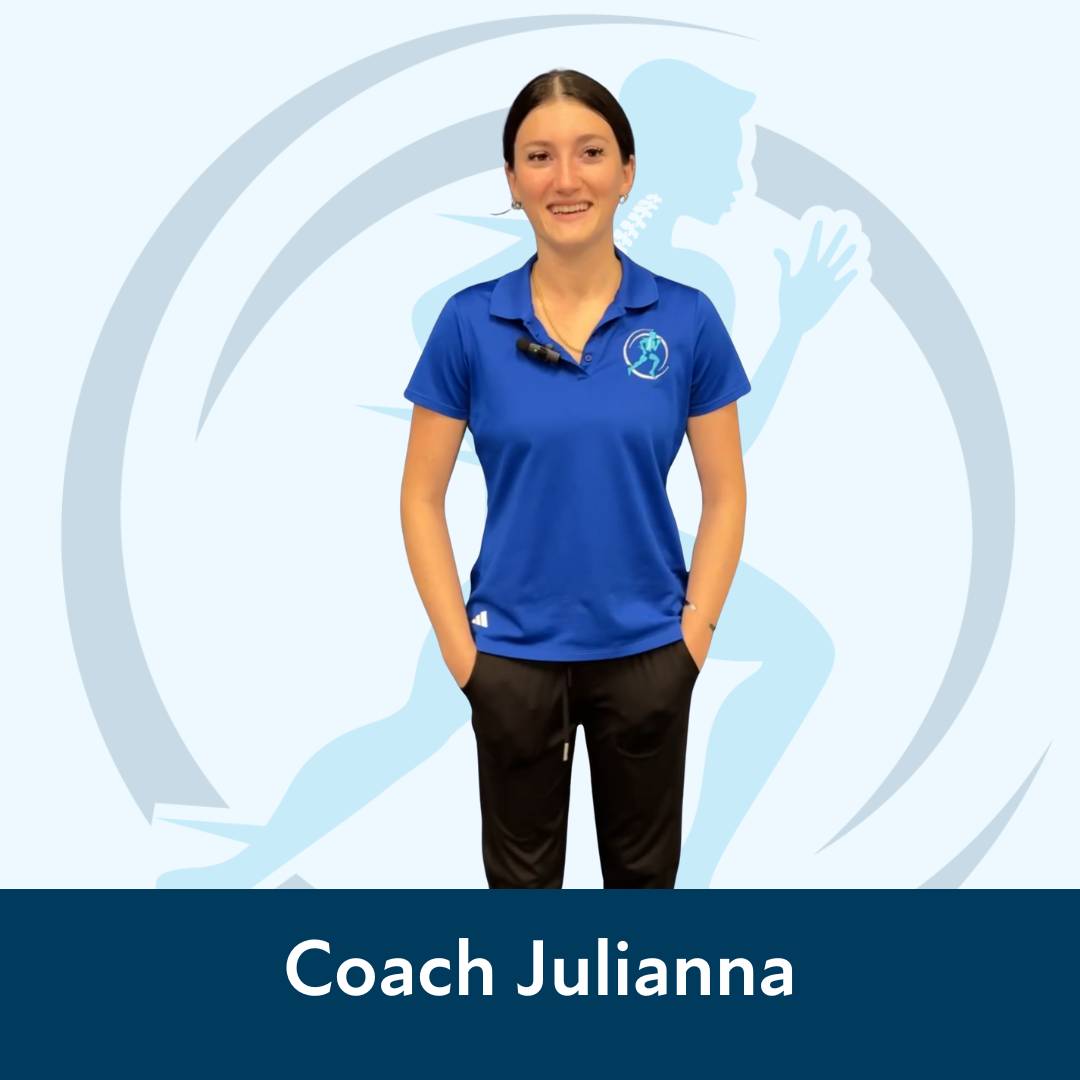
Meet Julianna — Personal Trainer
Julianna brings energy, empathy, and intentional coaching to every session she leads.
What sets her apart is her ability to meet people where they are — whether that’s returning from injury, restarting fitness after time off, or building confidence from the ground up.
Her focus isn’t just workouts. It’s helping clients feel capable, strong, and supported every step of the way.
Fitness Corner
60 Strong Fitness Coaching Program — January Enrollment Only
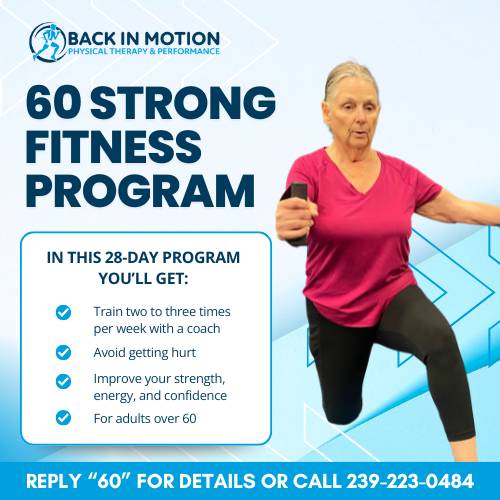
If you’re ready to get back into training the right way, our 60 Strong coaching program is designed for exactly this moment — and January is the only time we’re opening this program to new clients.
This is a structured 60-day fitness program built to help you rebuild strength, improve movement, and regain confidence in your body — without rushing the process or risking setbacks.
Because of the level of coaching, attention, and support involved, spots are limited, and once January enrollment closes, we will not be accepting new participants until a future session.
What You’ll Get Inside 60 Strong
- Guided strength training sessions led by experienced coaches
- A progressive program that meets you where you are and builds week by week
- Emphasis on proper movement, mobility, and control — not just intensity
- Coaching support and accountability to help you stay consistent
- A safe, supportive environment focused on long-term results, not quick fixes
This program is intentionally designed to help you:
- Move better and feel more confident in your body
- Build strength safely and intelligently
- Create consistency without burnout or extremes
- Return to training with clarity and purpose
No guesswork. No random workouts. Just a smarter, more sustainable approach.
Who This Program Is For
- Adults over 60 getting back into fitness after time off
- People who want structure and guidance, not chaos
- Individuals who value quality movement and long-term progress
- Those who want to feel stronger, more capable, and more confident
- Anyone tired of restarting every January and ready to do things differently
Who This Program Is Not For
- Those looking for a quick fix or extreme transformation
- People who want to train without coaching or feedback
- Anyone unwilling to commit to consistency over intensity
- Individuals looking for a one-size-fits-all program
Why Spots Are Limited
To ensure each participant receives proper coaching, attention, and progression, we cap enrollment. This allows us to maintain the quality and care that define how we coach.
Once January spots are filled, enrollment closes.
Start Strong — and Stay Strong
January doesn’t need to be about doing more. It needs to be about doing things better.
If this is the year you want to stop starting over — 60 Strong for Fitness is where it begins.
Oliver’s Healthy Recipe

Oliver’s Corner Recipe

Oliver’s Healthy Recipe – January Reset Chicken & Vegetable Soup
This month’s recipe is all about warmth, nourishment, and recovery — because fueling your body properly matters just as much as how you train.
Think:
- High-quality protein
- Anti-inflammatory ingredients
- Simple, satisfying meals that support healing and energy
Food should help you feel better, not guilty.
Ingredients
Ingredients
- 1–1½ lbs boneless, skinless chicken breast or thighs
- 1 tbsp olive oil or avocado oil
- 1 yellow onion, diced
- 3 cloves garlic, minced
- 3 carrots, sliced
- 2 celery stalks, sliced
- 1 zucchini, chopped
- 1 cup spinach or kale
- 6–8 cups low-sodium bone broth or chicken broth
- 1 tsp turmeric
- ½ tsp ground ginger
- 1 tsp dried thyme or rosemary
- Salt and pepper to taste
- Optional: squeeze of fresh lemon juice
Instructions
- Heat oil in a large pot over medium heat. Add onion and cook until soft.
- Add garlic, turmeric, ginger, and herbs. Stir until fragrant.
- Add carrots, celery, and zucchini. Cook for 3–5 minutes.
- Pour in broth and add chicken. Bring to a gentle boil.
- Reduce heat and simmer for 20–25 minutes, until chicken is cooked through.
- Remove chicken, shred it, and return it to the pot.
- Stir in spinach or kale and cook for another 2–3 minutes.
- Season with salt, pepper, and a squeeze of lemon if desired.
Why We Love This for Our Clients
After time off, heavier foods, or inconsistent routines, your body often needs simplicity and nourishment, not extremes. This meal supports:
- Recovery after workouts
- Reduced inflammation
- Stable energy throughout the day
- Digestion and hydration
It’s a great reminder that food should help you feel better, not guilty — especially in January.
Fitness Client Of The Month
Fitness Client of the Month: Fran Rapuano
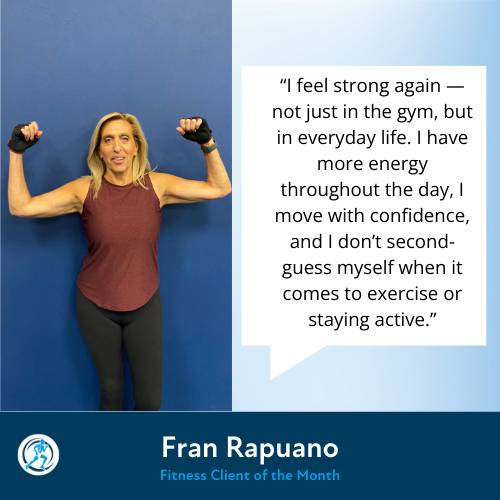
Fran’s story is a great reminder that progress doesn’t require perfection.
By staying consistent, listening to her body, and trusting the process, she’s continued to build strength and confidence — even when life gets busy.
Slow progress done the right way still counts. And it adds up.
Patient Case Study of the Month
How Tom Fixed His Shoulder Pain After Years of Suffering

Tom came to us frustrated. Shoulder pain had lingered for years, limiting workouts and everyday activities.
Instead of pushing through pain, we:
- Identified the root cause
- Restored mobility and control
- Rebuilt strength the right way
The result? No more pain, better movement, and confidence he hadn’t felt in a long time.
Fixing issues doesn’t require extremes — it requires the right plan. Learn how Tom got his shoulder pain cured wit the Gray Method ™.

 Call (239) 223-0484
