
February 2026
Stiffness, Fatigue, and Plateaus: What Your Body Is Actually Telling You
A Note on Playing the Long Game With Your Health

One of the hardest parts of health and fitness isn’t knowing what to do — it’s staying patient long enough for the right things to actually work.
Most people don’t struggle because they’re lazy, unmotivated, or unwilling to put in effort. They struggle because progress doesn’t always show up in obvious or exciting ways right away. Strength builds quietly. Better movement shows up subtly. Confidence improves long before it feels dramatic or visible.
In a world that rewards quick wins and instant results, it’s easy to assume that if you’re not sore, sweating, or exhausted, nothing is happening. But that mindset often leads people to push too hard, jump from plan to plan, or abandon something that was actually working — just not loudly.
Playing the long game with your health means understanding that small, consistent decisions matter more than big, short bursts of effort. It means choosing structure over motivation, because motivation fades. It means choosing guidance over guessing, because trial-and-error gets expensive — physically and mentally. And it means choosing patience over frustration, even when progress feels slower than you’d like.
It also means recognizing that your body is always adapting. The way you trained five or ten years ago may not be what serves you best today. That’s not a failure — it’s part of growth. Adjusting your approach doesn’t mean you’re “starting over.” It means you’re training smarter.
At Back in Motion, our goal isn’t just to help you feel better today. It’s to help you build a body that supports the life you want to live — whether that’s staying active, keeping up with family, performing in your sport, or simply moving through your day with more confidence and less hesitation.
The long game isn’t flashy. But it’s reliable. And it’s always worth sticking with.
— Dr. Scott
Article of the Month
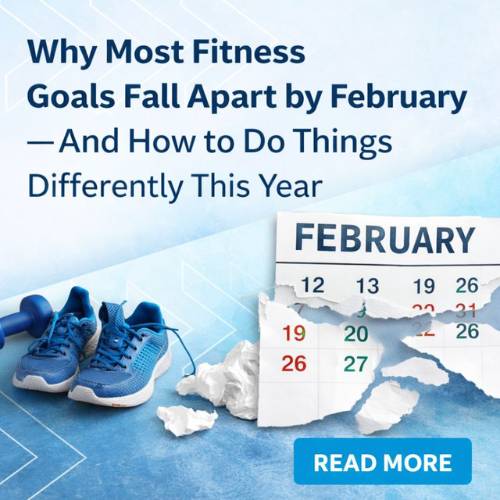
Stiffness, Fatigue, and Plateaus: What Your Body Is Actually Telling You
Stiffness that lingers.
Fatigue that doesn’t make sense.
Progress that suddenly stalls.
Most people experience at least one of these at some point in their health or fitness journey. And when they do, the first assumption is often that something is wrong—or worse, that they’re simply getting older and should learn to live with it.
But in most cases, these symptoms aren’t failures. They’re feedback.
Your body is constantly communicating with you. The problem is that most people have never been taught how to listen.
These Aren’t Problems — They’re Signals
Stiffness, fatigue, and plateaus are not random. They don’t show up “just because.” They are signals that something in your system isn’t matching your current needs.
Think of them as warning lights on your dashboard—not signs that the engine is broken, but indicators that something needs attention.
Unfortunately, many people respond to these signals by doing one of three things:
- Pushing harder
- Doing more
- Or stopping altogether
None of those responses actually address the root issue.
To move forward, you first have to understand what these signals usually mean.
What Lingering Stiffness Is Really Telling You
Stiffness is one of the most misunderstood sensations in the body.
Many people assume stiffness means they need to stretch more. While stretching can help in certain situations, persistent stiffness is rarely just about “tight muscles.”
More often, stiffness is a sign of poor movement quality or imbalanced workload.
When certain joints or muscles aren’t doing their fair share, other areas step in to compensate. Those overworked areas eventually become stiff—not because they’re weak, but because they’re doing too much.
For example:
- Limited hip mobility often leads to stiffness in the lower back
- Poor thoracic (mid-back) movement can show up as neck or shoulder tightness
- Weak or underactive glutes can lead to stiff hips, hamstrings, or knees
In these cases, stretching the stiff area might provide temporary relief, but it doesn’t solve the real problem. The stiffness returns because the movement pattern hasn’t changed.
The solution isn’t more stretching—it’s better movement.
Why Fatigue Feels Worse Than It Should
Fatigue is another signal people tend to misinterpret.
If you’re training regularly, some fatigue is normal. But when you feel disproportionately tired—especially compared to the amount of work you’re doing—that’s usually a sign of inefficiency, not weakness.
In an efficient system:
- Muscles share the workload appropriately
- Joints move the way they’re designed to move
- Energy is used effectively
In an inefficient system, your body works harder than it needs to. Small tasks feel exhausting. Workouts drain you instead of energizing you. Recovery takes longer than it should.
This often happens when:
- You’re compensating for mobility restrictions
- You’re training around old injuries instead of addressing them
- Your nervous system is constantly “bracing” to protect unstable areas
The result? You burn more energy just to get through basic movements.
Fatigue, in this case, isn’t a lack of effort. It’s a lack of efficiency.
The Truth About Plateaus
Plateaus are frustrating—but they’re also incredibly informative.
Most people assume a plateau means they need:
- More intensity
- More volume
- Or a completely new program
But plateaus usually happen because your plan no longer matches your body.
What worked six months ago may not be what you need today. As your body adapts, the demands must change too.
Plateaus often show up when:
- You keep repeating the same movements without progression
- You train strengths while ignoring limitations
- Your recovery no longer matches your workload
- Your training doesn’t account for changes in age, stress, or lifestyle
A plateau doesn’t mean you’re stuck. It means your body is asking for a smarter approach.
Why “Doing More” Often Makes Things Worse
When stiffness, fatigue, or plateaus show up, the instinct is usually to push harder. But pushing through the wrong problem only amplifies it.
More volume on poor movement increases wear and tear.
More intensity on unstable joints increases fatigue.
More effort without clarity increases frustration.
This is why so many motivated, disciplined people end up feeling stuck. They’re working hard—but not necessarily working smart.
Progress doesn’t come from doing more. It comes from doing what actually matters.
What “Doing Things Smarter” Really Looks Like
Sustainable progress usually comes from a few key adjustments—not drastic overhauls.
1. Improving How You Move
Movement quality sets the foundation for everything else. When joints move well and muscles do their intended job, the entire system becomes more efficient.
This includes:
- Restoring joint mobility where it’s missing
- Improving control and coordination
- Reducing compensations that lead to stiffness and fatigue
Better movement doesn’t just reduce pain—it improves performance and recovery.
2. Addressing Weak or Underused Areas
Your body is only as strong as its weakest link. If certain muscles aren’t contributing properly, others will take over—and eventually complain.
Targeted strength work helps redistribute the workload so no single area is doing more than it should.
3. Matching Training to Your Current Capacity
Training should reflect where your body is now, not where it used to be or where you think it should be.
That doesn’t mean lowering standards. It means respecting reality.
When training matches capacity:
- Recovery improves
- Fatigue decreases
Progress becomes more predictable
Learning to Listen Changes Everything
Stiffness, fatigue, and plateaus aren’t reasons to quit. They’re invitations to reassess.
When you learn to listen to these signals instead of fighting them, progress becomes sustainable again. Your body feels more capable. Training feels purposeful. And confidence returns—not because you’re pushing harder, but because you’re moving forward intelligently.
At Back in Motion, this philosophy guides everything we do. We don’t chase symptoms. We don’t guess. We assess, identify what’s actually driving the problem, and build a plan that fits the individual—not a generic template.
Because when you understand what your body is telling you, progress stops feeling like a battle—and starts feeling like momentum again.
Staff Spotlight
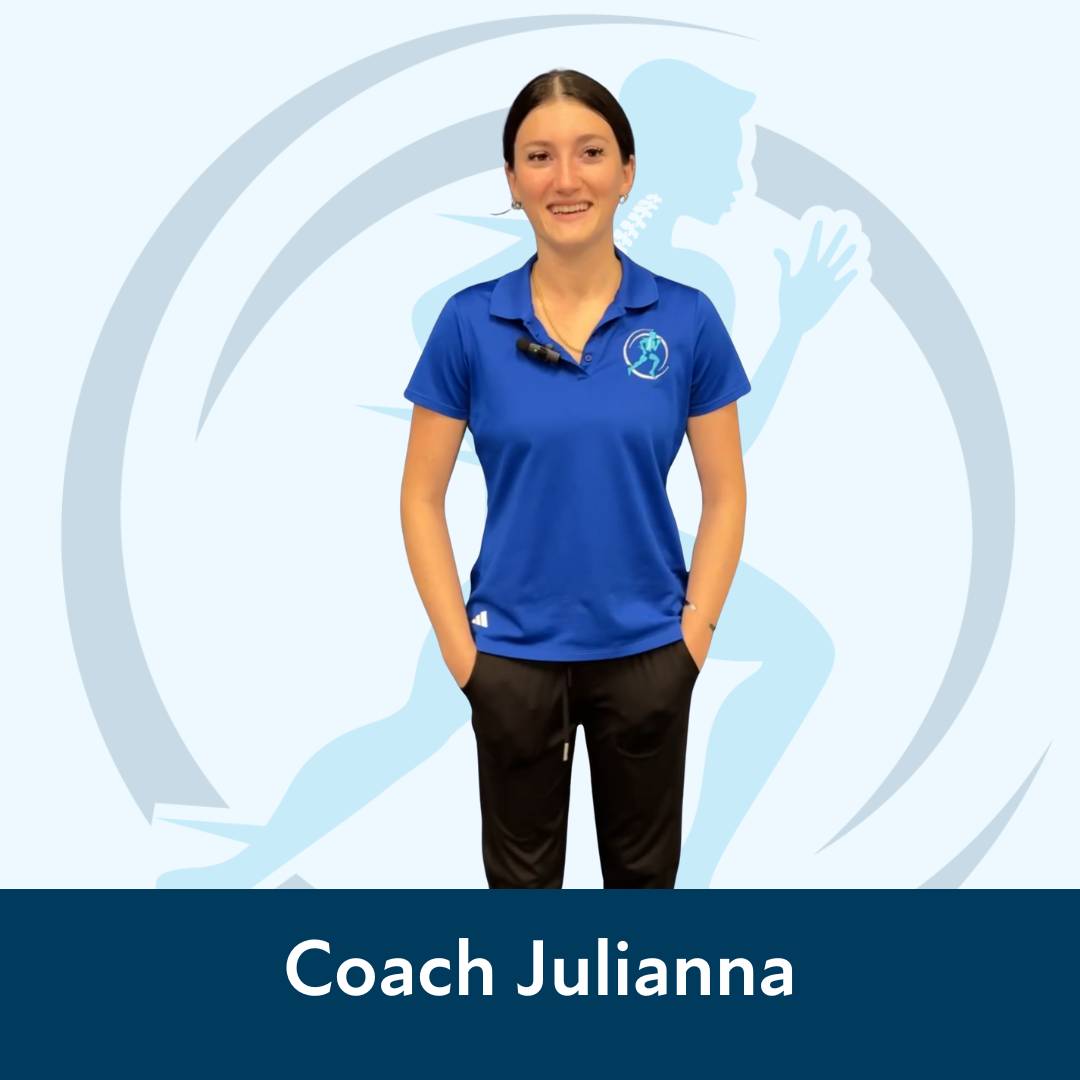
Meet New Personal Trainer – Ron Demattia
We’re excited to welcome Ron Demattia to the Back in Motion team.
Ron brings a thoughtful, supportive coaching style that aligns perfectly with our philosophy — focusing on proper movement, smart progression, and meeting people where they’re at. His passion for helping clients feel confident, capable, and safe in their training makes him a great addition to our community.
Be sure to say hello when you see him on the floor!
Fitness Corner
February at Back in Motion: Coaching, Connection, and a Little Fun
This month is all about learning, connection, and doing life together a little better.
Coffee with a Coach
📅 February 19th | 9:00–10:00 AM
A relaxed, informal time to ask questions, talk training, recovery, and health — or just connect with our coaching team over coffee.
Valentine’s Week – Bring a Spouse Week
📅 February 9th–13th
Training is better when shared. This week, members can bring a spouse to experience what smart, supportive coaching feels like — no pressure, just movement and encouragement.
These events are part of what makes Back in Motion more than a gym — they help create a community that supports long-term success.
Oliver’s Healthy Recipe

Oliver’s Corner Recipe

Oliver’s Healthy Recipe – Mediterranean Lemon Garlic Salmon with Roasted Veggies
Good nutrition doesn’t have to be complicated to be effective.
This month’s recipe is a simple, comforting option that supports recovery, energy, and busy schedules. It’s easy to prepare, full of real ingredients, and works just as well for post-workout fuel as it does for a weeknight dinner.
(Perfect for anyone who wants to eat better without overthinking it.)
Ingredients
Fitness Client Of The Month
Fitness Client of the Month: Anna De Rocha
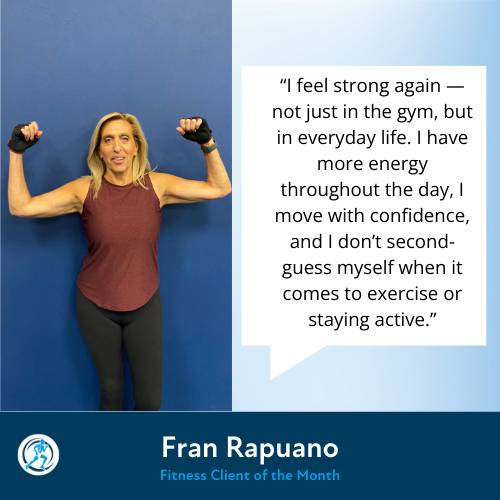
Anna is a great example of what happens when consistency meets the right plan.
Rather than chasing quick fixes, Anna committed to showing up, learning her body, and trusting the process. Over time, that consistency has led to noticeable improvements in her strength, energy, and confidence — without feeling beaten down or overwhelmed.
Her progress is a reminder that sustainable results come from doing the right things, the right way, over time.
Great work, Anna!
Patient Case Study of the Month
A Real-World Example of Fixing the Cause
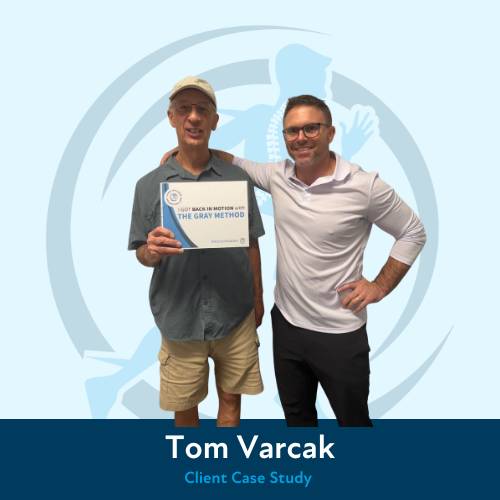
We recently worked with a client who had been dealing with recurring discomfort despite trying rest, stretching, and “pushing through.”
Instead of focusing on where it hurt, we assessed how they were moving — and quickly identified the real issue: certain areas were doing too much work while others weren’t contributing enough.
By addressing those underlying movement patterns and building strength where it was actually needed, symptoms improved and confidence returned. No guesswork. No endless trial and error.
This is the difference between treating symptoms and fixing the cause — and why results finally stick.
Offer of the Month
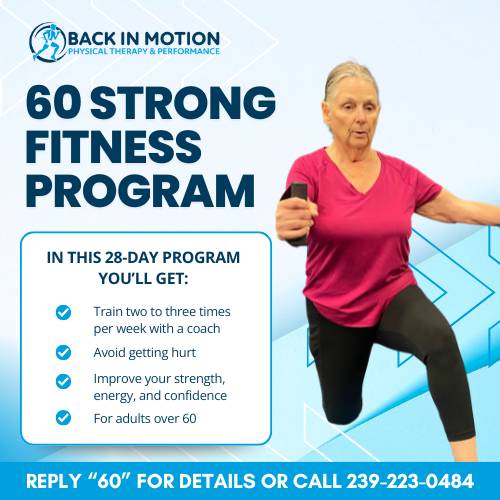
28-Day Strong Start: A Safe and Proven Way to Enhance Your Strength, Energy, and Confidence
Strong Start is designed for adults who want to feel stronger and more capable — without worrying about getting hurt or doing the wrong thing.
Over 28 days, you’ll get:
- Professional coaching every session
- A clear, structured plan built around your body
- Safe, joint-friendly strength training
- Guidance that builds confidence, not confusion
If you’ve been hesitant to start — or frustrated by past attempts — Strong Start offers a smart, supported way forward.
If you’d like more details or want to see if it’s a good fit, just reach out. We’re happy to help.

 Call (239) 223-0484
