Everything You Need to Know About Arthritis
It starts small. Your knees feel stiff when you get out of bed, your hands ache after gardening, or your hip complains on the walk back from the beach. Then someone tells you it’s “just arthritis” and there isn’t much to do except take a pill and slow down.
That isn’t the whole story. Arthritis is common, but it is also very treatable, and movement is one of the best treatments there is. Here’s what arthritis is, the early signs to watch for, what makes it worse, and how physical therapy helps you stay active.
What Is Arthritis?
Arthritis means joint inflammation. The term covers around 200 conditions that affect the joints, the tissues around them and other connective tissue. It can cause pain, stiffness, swelling and a loss of motion.
People of all ages can have it, including children. It is more common in women and becomes more common as we get older, but many people notice their first symptoms in their 40s.
The Main Types
- Osteoarthritis: the most common type, sometimes called “wear and tear” arthritis. The cartilage that cushions the ends of the bones thins over time, most often in the knees, hips, hands and spine.
- Rheumatoid arthritis: an autoimmune condition, where the immune system inflames the lining of the joints. It often starts in the small joints of the hands, wrists and feet, and needs care from a rheumatologist.
- Juvenile arthritis: any type of arthritis that starts before age 18. It often affects the knees, ankles and wrists.
- Gout and related conditions: caused by crystals forming in a joint, often the big toe, after a problem with how the body processes uric acid.
What Causes Arthritis?
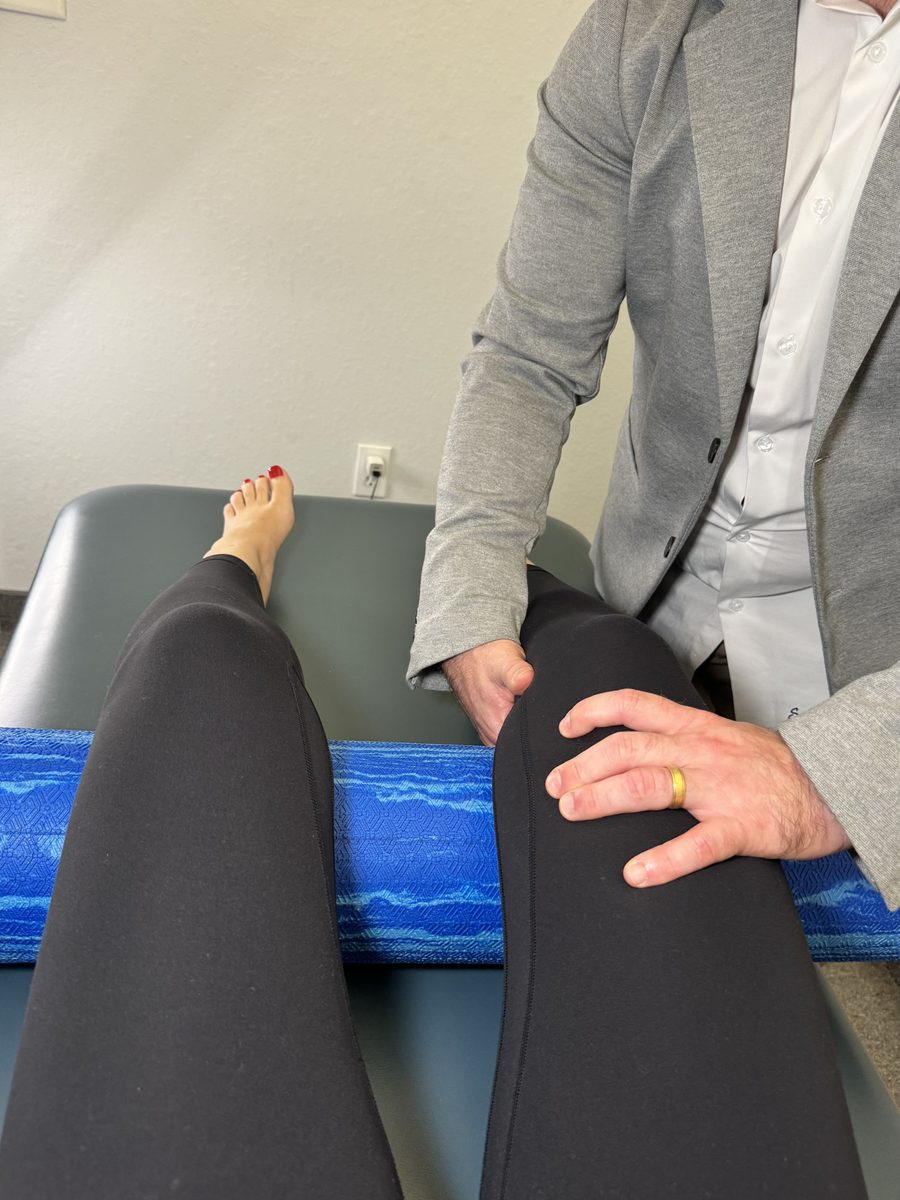
Cartilage is the firm, flexible tissue that absorbs shock in your joints. When there’s less of it, or the joint lining is inflamed, the joint becomes painful and stiff. The cause depends on the type, but these factors raise your risk:
- Age: joints see more years of use
- Sex: most types are more common in women
- Genes: rheumatoid arthritis and some other forms run in families
- Extra body weight: adds load to the knees and hips
- Past injuries: a torn meniscus or ligament can lead to arthritis in that joint later on
- Infection: bacteria or viruses can inflame a joint
- Repetitive work: lots of kneeling, squatting or heavy lifting over many years
3 Early Signs You May Have Arthritis
1. Morning Stiffness
Many people with arthritis feel stiff and achy getting out of bed, and again after sitting for a long time. With osteoarthritis, that stiffness usually eases within about 30 minutes of moving. With rheumatoid arthritis, it often lasts longer, which is one clue the two are different.
2. Pain With Weight-Bearing
Your hips and knees carry your body weight with every step. During normal walking, the force through those joints is about three times your body weight, so 15 extra pounds can feel like an extra 45 pounds to your knees. That’s why even a modest change in weight, like 10 to 20 pounds, can ease joint pain (more in losing weight to alleviate knee pain).
3. Less Range of Motion
You may notice a joint simply doesn’t move as far as it used to. Arthritis in the hands can make it hard to make a fist. In the hip, putting on socks gets harder. Over time, everyday tasks that used to be easy start taking effort.
When to See a Doctor Right Away
Most arthritis builds slowly. Get checked promptly if you notice:
- A hot, red, swollen joint: especially with fever, which can mean infection or gout
- Sudden severe pain: or a joint you can’t bear weight on
- Several joints flaring at once: with fatigue or feeling unwell
- Numbness or weakness: in an arm or leg along with neck or back pain
- Night pain: that doesn’t ease with rest, or unexplained weight loss
Treatment Options for Arthritis
The main goals of treatment are to ease pain, keep you moving, and protect the joint from further damage. Your doctor may suggest a combination of options.
Physical Therapy: The First Choice for Most People
Strengthening the muscles around a joint is one of the most effective parts of arthritis care. Stronger muscles take load off the joint, and better motion means less stiffness. At our Fort Myers physical therapy clinic, a physical therapist can help with:
- Strength and mobility exercises: matched to the joint, your goals and how irritable it is
- Hands-on treatment: to ease stiffness and restore motion
- Movement coaching: how to use your strongest muscles and joints for daily tasks
- Pain-calming tools: such as heat or cold when they help you move more
- Assistive devices: fitting and using a cane or walker properly, if you need one
- Home and work changes: such as cushioned mats where you stand for long periods
- Rest and pacing: a schedule that balances activity with recovery
Before your first visit, think about your goals: getting in and out of the car without pain, reaching the top kitchen shelf, or walking 18 holes again. Sharing them helps your therapist build a plan around your life.
Medication: Use With Care
Pain relievers, anti-inflammatories, topical creams and steroid injections can calm symptoms. They don’t strengthen the joint, and some carry side effects with long-term use, so talk with your doctor about the right plan for you. Our post on treatments for easing arthritis covers more options.
Surgery: Usually a Last Resort
Joint replacement, most often of the hip or knee, can help when a joint is severely damaged and other care hasn’t worked. Even then, physical therapy before and after surgery helps you recover faster. And pain today doesn’t automatically mean surgery tomorrow (see why knee pain today doesn’t mean knee replacement tomorrow).
The Mistake That Makes Arthritis Worse
The most common mistake is stopping. When joints hurt, it’s natural to move less, but inactivity weakens the muscles, stiffens the joints and usually makes pain worse.
Your mindset matters too. Stress, poor sleep and low mood can turn up the volume on pain, and people who feel in control of their treatment usually cope better. A few habits that help:
- Keep moving: low-impact activity like walking, swimming and cycling, plus strength work, eases pain and protects your joints
- Do what you enjoy: make time each week for the people and activities that lift your mood
- Stick with the plan: follow your exercises and check in with your physical therapist when a flare-up happens, so you know what to adjust
Keep Arthritis From Slowing You Down
Arthritis can’t be cured, but it can be managed, and most people can stay active and strong with the right plan. Our physical therapy in Fort Myers finds what’s overloading your joints with The Gray Method™, one-on-one with a Doctor of Physical Therapy at our clinics in Fort Myers, Cape Coral and Estero.
Start with our Fixing the Cause & Not Just the Symptoms Assessment, or Inquire About an Appointment →
Call our office at (239) 223-0484 to schedule your appointment.
About the Author: Dr. Scott Gray


Get Dr. Gray's Best-Selling Book, Free
Why pain keeps coming back, and how The Gray Method™ helps you fix it for good.
Send Me the Free BookOur Most-Read Articles
- 1Three Conditions That Mimic Sciatica PainBack
- 2The Great Plantar Fasciitis Debate: Why Boots & Cortisone Rarely Fix ItFoot
- 3Common Causes of Lower Back Pain: Herniated DiscBack
- 4The 3 Most Common Symptoms of Knee Meniscal TearsKnee
- 5What Is Hip Bursitis?Hip
- 6Pelvic Pain Explained: When It's Not a UTI but Feels Like OnePelvic
What Do You Need Help With?
- 🩺Back, neck & joint pain→
- 💪Fitness for adults 50+→
- 💙Pelvic health→
- ⚡Sports performance→
- ⛳Golf performance→
Talk to a Doctor of Physical Therapy
One-on-one care that finds the cause of your pain. Fort Myers, Cape Coral & Estero.
Inquire About an Appointment Or call (239) 223-0484