
When Should Pelvic Pain Be Checked? Key Signs
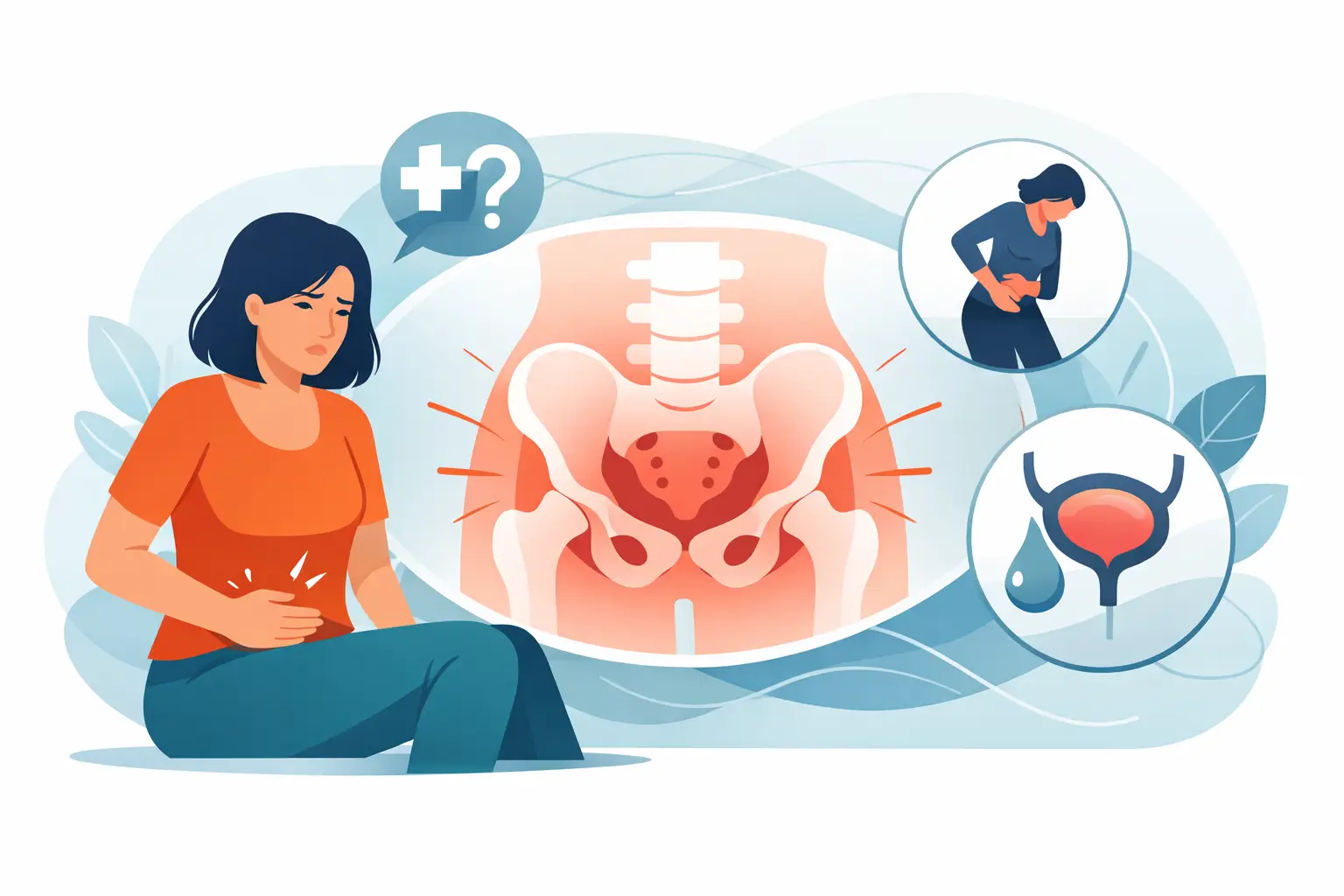
Pelvic pain can change how you train, work, sleep, use the bathroom, and feel in your own body. If you are asking, “when should pelvic pain be checked,” the short answer is sooner than you may think – especially if it is recurring, affecting daily life, or making you alter how you move.
Pelvic pain is not always an emergency, and it is not always caused by one structure. Muscles, joints, nerves, connective tissue, the bladder and bowel, reproductive organs, surgical scar tissue, and even the way you manage pressure during lifting can all contribute. The goal is not to panic over every symptom. It is to recognize when pain needs medical attention and when a detailed movement and pelvic health assessment can help you stop working around it.
When Should Pelvic Pain Be Checked Right Away?
Some pelvic symptoms need urgent medical evaluation rather than a wait-and-see approach. Seek emergency care or contact an appropriate medical provider promptly if pelvic pain is sudden and severe, comes with fainting or dizziness, or occurs with heavy vaginal bleeding. The same applies to pain with fever, chills, persistent vomiting, a rigid or swollen abdomen, blood in urine or stool, or an inability to urinate or have a bowel movement.
Pregnancy changes the decision-making process. Pelvic or abdominal pain during pregnancy, especially when paired with bleeding, shoulder pain, dizziness, contractions, fluid leakage, or a noticeable change in fetal movement, should be discussed with an obstetric provider immediately. Do not try to train through it or assume it is a normal part of pregnancy.
New numbness in the groin or saddle area, sudden leg weakness, or new loss of bladder or bowel control also requires urgent evaluation. These symptoms can signal a serious neurologic issue. The same is true for intense testicular pain or swelling, which should be assessed urgently.
Urgent symptoms are the exception, but they matter. Once serious causes have been ruled out, many people benefit from a more complete plan that addresses the pain, movement restrictions, and physical demands that may be keeping the problem active.
When Should Pelvic Pain Be Checked by a Pelvic Health Specialist?
You do not need to wait until pain becomes unbearable. Schedule an evaluation when pelvic pain lasts more than a few days, returns repeatedly, or interferes with exercise, sex, sitting, sleep, work, or bathroom habits. Pain that appears only during a specific activity still counts. For a runner, that may mean deep pelvic aching after mile three. For a golfer, it may be sharp pain during rotation. For a lifter, it may be pressure, pulling, or pain during squats, deadlifts, or core work.
A pelvic health physical therapist can be a strong next step when symptoms appear related to movement, muscle tension, loading, recovery from pregnancy or surgery, or difficulty coordinating the pelvic floor. This is not limited to women or postpartum patients. Men can experience pelvic pain related to the pelvic floor, hips, spine, urinary symptoms, or chronic muscle guarding as well.
Common reasons to be evaluated include pain with intercourse or tampon use, pain during or after bowel movements, urinary urgency or leakage, constipation with straining, pelvic heaviness or pressure, tailbone pain, groin pain, and lower abdominal pain that is not resolving. You should also be assessed if you keep being told that tests are normal but your symptoms are still limiting your life. Normal imaging does not mean the pain is imagined, nor does it rule out a treatable movement or muscle-control problem.
Recurring pain is a signal, not a training problem to ignore
Active adults are often skilled at pushing through discomfort. That mindset can be useful in a hard workout, but it can backfire with pelvic symptoms. If pain predictably appears after tennis, cycling, heavy lifting, running hills, or a long day on your feet, your body is giving you information about capacity, pressure management, mobility, or recovery.
Resting for a few days may quiet symptoms, but it does not necessarily solve the reason they return when activity resumes. The better question is: what changed in your movement, training load, strength, breathing strategy, or recovery that made this area less tolerant of demand?
Pelvic Pain Is Not Always a Pelvic Floor Weakness Problem
Many people hear “pelvic floor” and assume they need more Kegels. That is not always the answer. Pelvic floor muscles need the ability to contract, relax, lengthen, and coordinate with the diaphragm, deep core, hips, and trunk. A muscle that is constantly tense can be just as problematic as one that lacks strength.
For example, someone may leak urine while running because they are not managing impact and pressure well, not simply because their pelvic floor is weak. Another person may feel pelvic pain during intercourse because the pelvic floor is overactive and unable to relax. A powerlifter may feel pressure with heavy attempts because technique, bracing, hip mobility, and load progression are not matching current capacity.
This is why generic exercise sheets can fall short. The right plan depends on your symptoms, goals, anatomy, medical history, and the activities you want to return to. Sometimes the solution begins with reducing irritation and improving relaxation. Other times it involves progressive strengthening, better lifting mechanics, mobility work, and a structured return to running or sport. Often, it includes a combination.
What a Thorough Pelvic Pain Evaluation Should Look Like
A high-quality assessment should connect your symptoms to the way you live and move. It starts with a detailed conversation: when the pain began, where you feel it, what makes it better or worse, your medical and surgical history, bowel and bladder habits, training routine, and specific goals.
The physical assessment may include posture, breathing mechanics, abdominal wall function, hip and spine mobility, strength, balance, gait, squat or hinge mechanics, and sport-specific movement. With informed consent, an internal pelvic floor assessment may also be recommended when it is clinically appropriate. It is never mandatory, and it is only one piece of the full picture.
At Back In Motion, the emphasis is on identifying the factors that keep symptoms going rather than chasing pain from appointment to appointment. A plan should give you clarity: what you can continue doing, what needs to be modified temporarily, what you are building toward, and how progress will be measured.
What to Do While You Wait for an Appointment
Avoid the two extremes: complete shutdown and forcing your way through sharp or escalating pain. Keep moving within a tolerable range when you can, but reduce the activity, range, speed, or load that reliably provokes symptoms. If squats hurt at depth, for example, temporarily adjust the depth or resistance rather than testing the painful position every session.
Pay attention to patterns. Note whether symptoms relate to your menstrual cycle, long periods of sitting, hydration, constipation, sexual activity, certain exercises, or stress. This information can make an evaluation more efficient and precise.
Try not to self-prescribe aggressive stretching, intense core work, or high-volume Kegels without an assessment. Those strategies help some people and aggravate others. If pain is increasing, disrupting sleep, or changing your ability to urinate, have bowel movements, or function normally, contact a medical provider rather than waiting it out.
Pelvic Pain Should Not Define Your Activity Level
Pain in the pelvis can feel personal, confusing, and easy to minimize. But recurring symptoms are not a condition of being active, postpartum, aging, or training hard. With the right medical guidance and an individualized plan, many people can return to lifting, running, playing sports, and moving through daily life with more confidence – not by ignoring the signal, but by addressing what it is asking for.
About the Author: Dr. Scott Gray


Get Dr. Gray's Best-Selling Book, Free
Why pain keeps coming back, and how The Gray Method™ helps you fix it for good.
Send Me the Free BookOur Most-Read Articles
- 1Three Conditions That Mimic Sciatica PainBack
- 2The Great Plantar Fasciitis Debate: Why Boots & Cortisone Rarely Fix ItFoot
- 3Common Causes of Lower Back Pain: Herniated DiscBack
- 4The 3 Most Common Symptoms of Knee Meniscal TearsKnee
- 5What Is Hip Bursitis?Hip
- 6Pelvic Pain Explained: When It's Not a UTI but Feels Like OnePelvic
What Do You Need Help With?
- 🩺Back, neck & joint pain→
- 💪Fitness for adults 50+→
- 💙Pelvic health→
- ⚡Sports performance→
- ⛳Golf performance→
Talk to a Doctor of Physical Therapy
One-on-one care that finds the cause of your pain. Fort Myers, Cape Coral & Estero.
Inquire About an Appointment Or call (239) 223-0484
