What Is Patellofemoral Pain? Why the Front of Your Knee Hurts on Stairs, Squats, and After Sitting
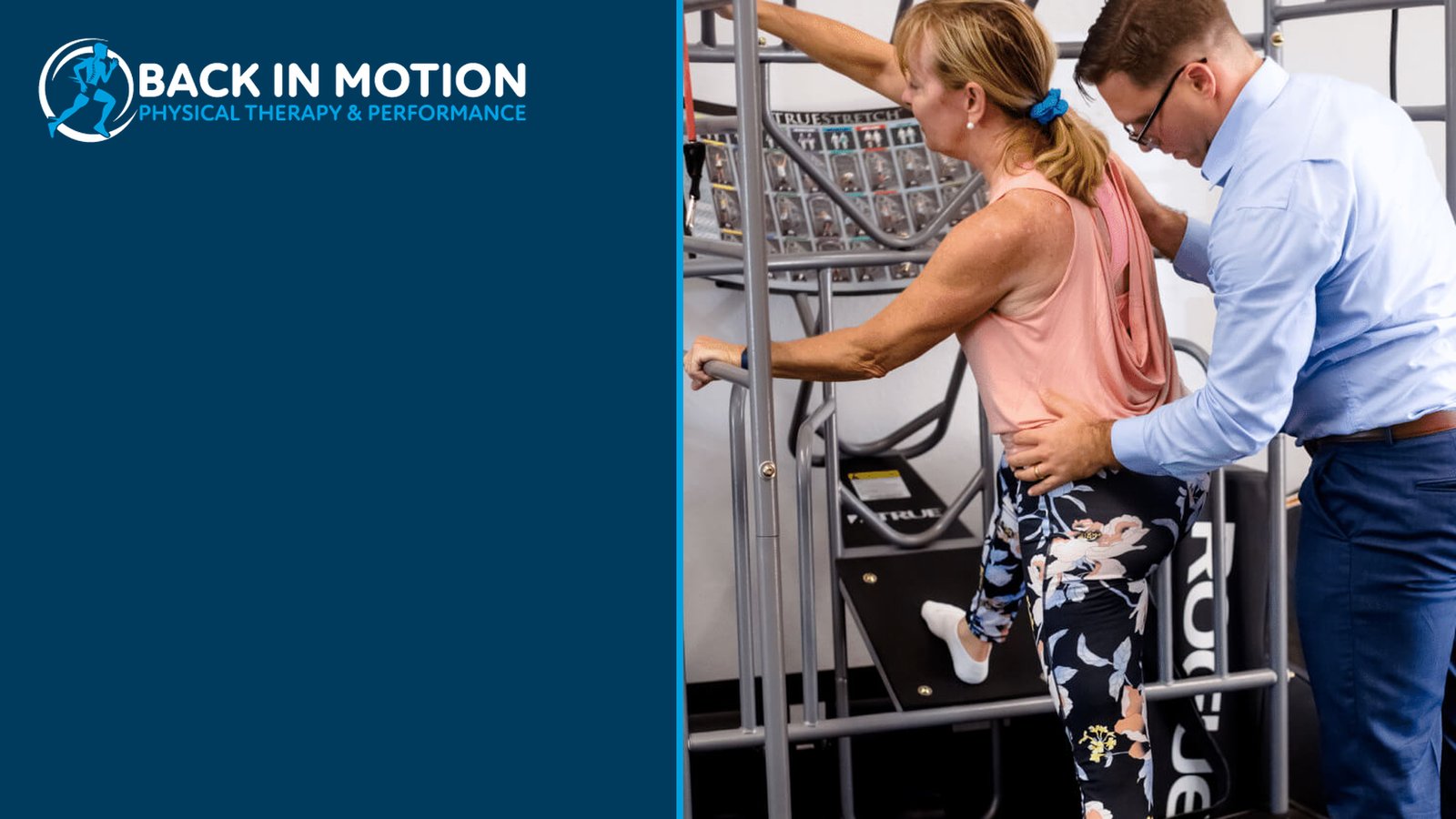
Going up the stairs is okay. Going down makes you grab the railing. Getting up from a low chair or out of the car takes a “one, two, three.” Sitting through a long movie leaves the front of your knee achy and stiff when you finally stand.
If the pain lives around or behind your kneecap, there’s a good chance you’ve heard the term patellofemoral pain, or one of its nicknames like “runner’s knee.” Here’s what it actually means, what usually drives it, and why the fix rarely lives at the knee alone.
Patellofemoral Pain: A Simple Definition
Patellofemoral pain is pain around or behind the kneecap (the patella), where it glides along the groove at the end of your thighbone (the femur). That joint is called the patellofemoral joint, which is where the name comes from.
It’s a description of where it hurts and what aggravates it, not a single injury like a torn ligament. That’s important, because it means the real question is: why is this joint irritated?
Common Signs of Patellofemoral Pain
People with patellofemoral pain often notice:
- A dull ache around or behind the kneecap
- Pain going down stairs or hills
- Pain with squatting, kneeling, or lunging
- Pain or stiffness after sitting for a long time with knees bent
- Pain getting up from low chairs, the couch, or the car
- Sometimes a grinding or clicking feeling (which is often not a problem on its own)
It can affect active adults, runners, athletes, and adults over 50 who simply want to get through the day without thinking about their knees.
Get checked promptly if your knee is very swollen, locks or gives way, can’t take weight, looks deformed after a fall, or is hot and red.
Why It Happens: The Kneecap Is Often the Victim, Not the Cause
The kneecap rides in its groove as your knee bends and straightens. How smoothly it does that depends on what’s happening above and below the knee. That’s why “fixing the cause, not just the symptoms” matters so much here.
Weak or tired hips
When the muscles on the side and back of the hip aren’t doing their share, the thigh can turn inward during stairs, squats, and running. That changes how the kneecap tracks and increases stress on the joint.
Quads that aren’t ready for the load
Your thigh muscles control the knee every time you go downstairs or lower into a chair. When they’re weak, or when they’ve backed off because of pain, the knee has less support.
Stiff ankles and feet
If your ankle doesn’t bend well, your knee often makes up for it by drifting forward or inward. The knee ends up doing work the ankle should be sharing.
Too much, too soon
A new exercise class, more hills, extra yard work, or a jump in running mileage can all irritate the joint if your body didn’t have time to build up to it.
Movement habits
How you squat, step down, land, and get out of a chair all affect knee stress. Small changes in form can make a meaningful difference. If squats are your trigger, read 3 Reasons Why Squatting Hurts Your Knees.
Our free report, 7 Reasons Your Knee Hurts When You Walk, Squat, or Take the Stairs, goes deeper into these drivers and what you can do about them.
Why Common Advice Often Falls Short
- “Just rest it.” Rest can calm pain down, but it also lets muscles get weaker, so the knee is even less prepared when you return.
- “Wear a brace.” Supports can feel good short-term, but they don’t build strength or change how you move.
- “Get an X-ray.” Imaging has its place, but what shows up on a scan doesn’t always match how much it hurts or why. We explain more in Why Looking Solely at Your X-Ray or MRI for Knee Pain Can Be Misleading.
- “Avoid stairs and squats forever.” Those are everyday movements. The goal is to make them comfortable again, not give them up.
How Physical Therapy Helps Fix the Cause
At Back In Motion, we use The Gray Method™ to look at the whole chain, from your hips to your feet. A plan for patellofemoral pain often includes:
- A root-cause check of how you squat, step down, balance, and walk.
- Calming the knee by adjusting activities for a short time, not stopping everything.
- Hip and quad strengthening, progressed to match what your knee can handle.
- Ankle and hip mobility so the knee isn’t doing extra work.
- Movement retraining for stairs, chairs, squats, and your sport or workouts.
- A clear plan for getting back to the things you love, like golf, pickleball, walking, or playing with the grandkids.
Want to go deeper? Read A Definitive Guide to Knee Physical Therapy or visit our Knee Pain page.
The Bottom Line
Patellofemoral pain is common, and it’s often very workable. The pain shows up at the kneecap, but the reasons usually live in your hips, thighs, ankles, and the way you move. When you fix those, stairs and chairs get easier again.
Your Next Step
👉 Download your free report, “7 Reasons Your Knee Hurts When You Walk, Squat, or Take the Stairs”
It’s a simple, practical read that helps you understand what’s really behind the pain in your knee, so you can start fixing the cause instead of avoiding the stairs.
This article is for education only and isn’t a substitute for a personal medical evaluation.
About the Author: grok bot


Get Dr. Gray's Best-Selling Book, Free
Why pain keeps coming back, and how The Gray Method™ helps you fix it for good.
Send Me the Free BookOur Most-Read Articles
- 1Three Conditions That Mimic Sciatica PainBack
- 2The Great Plantar Fasciitis Debate: Why Boots & Cortisone Rarely Fix ItFoot
- 3Common Causes of Lower Back Pain: Herniated DiscBack
- 4The 3 Most Common Symptoms of Knee Meniscal TearsKnee
- 5What Is Hip Bursitis?Hip
- 6Pelvic Pain Explained: When It's Not a UTI but Feels Like OnePelvic
What Do You Need Help With?
- 🩺Back, neck & joint pain→
- 💪Fitness for adults 50+→
- 💙Pelvic health→
- ⚡Sports performance→
- ⛳Golf performance→
Talk to a Doctor of Physical Therapy
One-on-one care that finds the cause of your pain. Fort Myers, Cape Coral & Estero.
Inquire About an Appointment Or call (239) 223-0484