
Pelvic Health for Stronger, Confident Movement
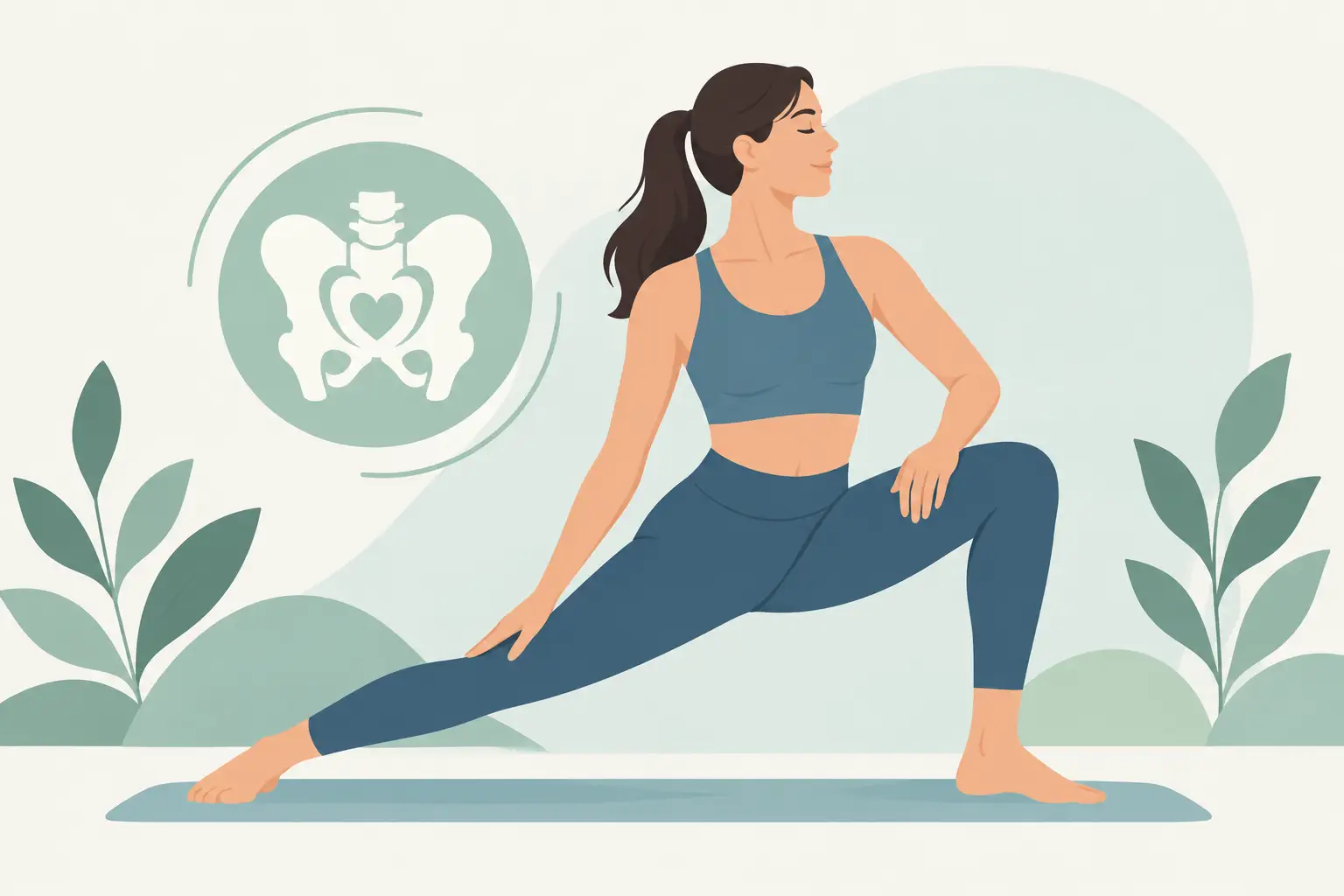
Leaking during a run, pressure with a heavy lift, pain during sex, or a constant feeling that your core is not working can make active people quietly change how they live. They skip workouts, avoid certain movements, and assume it is simply part of pregnancy, aging, or training hard. Pelvic health concerns are common, but they are not something you have to work around forever.
The pelvic floor is not a separate system that only matters after childbirth or when symptoms become severe. It works with your diaphragm, abdominal wall, hips, spine, and nervous system every time you breathe, lift, run, squat, cough, or change direction. When that system is not coordinating well, pain and symptoms can show up in the gym, on the court, during a golf swing, or in ordinary daily life.
What Pelvic Health Actually Covers
Pelvic health physical therapy addresses the muscles, connective tissue, nerves, joints, and movement patterns that influence bladder, bowel, sexual, and core function. That can include urinary or bowel leakage, pelvic pain, painful intercourse, constipation, urgency, pelvic pressure, tailbone pain, low back pain, and a feeling of heaviness or instability through the pelvis.
For some people, symptoms begin during pregnancy or after delivery. For others, they develop after surgery, menopause, a back or hip injury, a long period of stress, or a gradual increase in training volume. Athletes can experience pelvic floor symptoms too. A runner who leaks on long runs, a tennis player with groin pain, or a lifter who feels pressure during a deadlift may need more than generic core exercises.
Symptoms do not automatically mean the pelvic floor is weak. In many cases, the muscles are overactive, guarded, poorly coordinated, or unable to relax at the right time. Strength matters, but timing, mobility, breathing, and load management matter just as much. That is why a one-size-fits-all prescription of Kegels can miss the actual problem and sometimes make symptoms worse.
The Pelvic Floor Is Part of Your Movement System
Your pelvic floor responds to changes in pressure. When you inhale, your diaphragm and pelvic floor should move together. When you exhale, brace, lift, jump, or cough, the system needs to manage force without excessive strain. If your rib cage is stiff, your breathing is shallow, your hips lack control, or you hold tension through your abdomen all day, the pelvic floor may be asked to compensate.
This is also why pelvic symptoms can be connected to issues that seem unrelated. A history of low back pain, hip impingement, abdominal surgery, ankle limitations, or repeated hamstring strains can affect how you load the pelvis. The goal is not to blame every problem on the pelvic floor. The goal is to assess the full movement picture and determine what is actually driving your symptoms.
A useful example is the athlete who leaks during box jumps but has no issue walking or cycling. The answer may involve pelvic floor coordination, but it may also involve landing mechanics, fatigue, breathing strategy, jump volume, and the way she prepares for impact. A productive plan accounts for all of it.
When Pelvic Health Symptoms Deserve an Evaluation
You do not need to wait until symptoms disrupt every part of your day. An evaluation is appropriate when you notice leaking with exercise, coughing, sneezing, or urgency; pelvic heaviness or pressure; pain in the pelvis, hips, abdomen, or tailbone; pain with sexual activity; persistent constipation or straining; or difficulty returning to running, lifting, and impact activity after pregnancy or surgery.
It is also worth getting assessed if you are doing the right things on paper but still do not feel confident. Maybe you have been cleared to exercise after delivery, yet running feels uncomfortable. Maybe your back has improved, but squatting still creates pelvic pressure. Maybe you can train, but only by bracing so hard that you cannot breathe normally. Clearance is not always the same as readiness.
Some symptoms require medical attention beyond physical therapy. Sudden severe pelvic pain, unusual bleeding, fever, new numbness, loss of bladder or bowel control, or rapidly worsening symptoms should be evaluated promptly by the appropriate medical provider. Pelvic physical therapy can be a valuable part of care, but it works best within the right clinical plan.
What a Strong Pelvic Health Plan Looks Like
A thorough plan begins with listening. Your symptoms, training goals, medical history, daily routines, and concerns all matter. Pelvic health is personal, and a quality evaluation should explain what will be assessed, obtain consent, and give you control throughout the process. Internal assessment can provide useful information in some situations, but it is never automatic or required. External movement assessment, breathing analysis, strength testing, and symptom history can also guide care.
From there, treatment should match the findings. Someone with a tense, painful pelvic floor may first need down-training, breathing work, mobility, and strategies to reduce guarding. Someone with poor support during impact may need progressive strength, coordination, and graded exposure to running or jumping. A person recovering after childbirth may need both approaches, along with guidance on abdominal wall loading and return-to-exercise progressions.
At Back In Motion, that progression fits the same principle used across rehab and performance: identify the limiting factor, correct what is limiting movement, then build capacity with purpose. Hands-on care may be appropriate, but it should not be the entire plan. Lasting results require active practice and a clear path back to the activities you value.
Training Without Avoiding Your Body
Many people respond to pelvic symptoms by stopping everything. Temporary modification can be smart, especially when a movement clearly aggravates symptoms. But permanent avoidance often reduces strength and confidence, which can make return to activity more difficult.
The better approach is to find the dose you can tolerate and progress from there. That may mean reducing running intervals, changing lift volume, adjusting depth or load, improving exhale timing during effort, or building single-leg control before adding impact. It may also mean learning that pressure during a lift is not always dangerous, while recognizing that persistent heaviness, pain, or leakage is useful feedback that the current demand exceeds your capacity.
There are trade-offs. If a race is two weeks away and symptoms are increasing, the immediate priority may be symptom control and a modified training plan rather than chasing a personal record. If your goal is to return to heavy lifting over the next several months, gradual loading and technique changes can create a much stronger foundation. The right answer depends on your body, your symptoms, and what you want to get back to.
Confidence Is a Performance Goal
Pelvic health care is not only about reducing symptoms. It is about being able to laugh without crossing your legs, pick up your child without fear, finish a run without planning around bathrooms, and train with confidence instead of constant tension.
Your body is capable of adaptation when it is given the right information, the right load, and enough time to build. If pelvic symptoms are changing the way you move, that is not a reason to settle for less. It is a reason to get a clear assessment and a plan that helps you return to life feeling strong, capable, and in control.
About the Author: Dr. Scott Gray


Get Dr. Gray's Best-Selling Book, Free
Why pain keeps coming back, and how The Gray Method™ helps you fix it for good.
Send Me the Free BookOur Most-Read Articles
- 1Three Conditions That Mimic Sciatica PainBack
- 2The Great Plantar Fasciitis Debate: Why Boots & Cortisone Rarely Fix ItFoot
- 3Common Causes of Lower Back Pain: Herniated DiscBack
- 4The 3 Most Common Symptoms of Knee Meniscal TearsKnee
- 5What Is Hip Bursitis?Hip
- 6Pelvic Pain Explained: When It's Not a UTI but Feels Like OnePelvic
What Do You Need Help With?
- 🩺Back, neck & joint pain→
- 💪Fitness for adults 50+→
- 💙Pelvic health→
- ⚡Sports performance→
- ⛳Golf performance→
Talk to a Doctor of Physical Therapy
One-on-one care that finds the cause of your pain. Fort Myers, Cape Coral & Estero.
Inquire About an Appointment Or call (239) 223-0484
