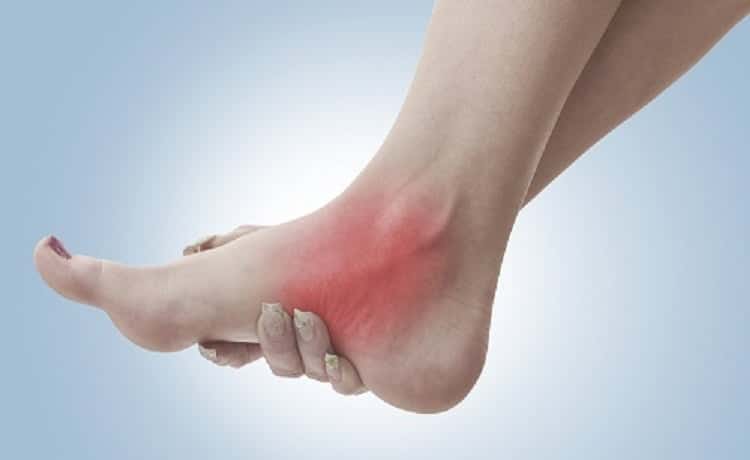
Category: Foot & Ankle Pain Injuries

  • How The Gray Method™ Can Help With Bunions

    How The Gray Method™ Can Help With Bunions

    Have you had surgery to remove your bunions only to have them grow back?


    Bunions can be extremely uncomfortable and painful. Most bunions cannot be self-treated and require medical attention for long-term relief.


    However, the good news is that there are non-surgical options that can help you out.


    Most medical professionals will recommend surgery to remove painful bunions.


    The problem….


    Surgery doesn’t get to the root cause of your bunions and simply addresses the symptoms.


    And because of that, bunions will gradually return after removal.


    This article will cover the definition and symptoms of bunions, followed by how physical therapy is the best non-surgical bunion treatment option that helps to improve and alleviate the discomfort caused by bunions.


    What Is A Bunion?


    A bunion is defined as a bump or a protrusion that develops on the side of the foot. It mostly appears at the joint where the foot meets the big toe. A bunion can be classified into four categories: mild, moderate, large, and severe. Although there can be many causes for bunions, the most reported causes include:


    1. Foot shape
    2. Flat arches
    3. Loose joints
    4. Weak/tight hips
    5. Osteoarthritis
    6. Heredity


    Bunions can be aggravated by wrong, ill-fitting footwear as the shoe rubs against the bump, causing increased swelling and discomfort for the individual.


    The reason bunions are likely to reform after surgery is because if your bunions for example are caused by weak or tight hips, simply removing your bunions doesn’t address the hips right?


    Thus, your bunions can return as your feet will continue to compensate for your weak hip.


    In order to fix the root cause of your bunions, you have to make a conscious effort to improve and retrain your biomechanics.


    Sometimes it can be as simple as learning to use and strengthening the entire kinetic chain, but in most cases it is necessary to address the cause of the dysfunction that led to the problem in the first place.


    bunion treatment in fort myers


    What Are The Symptoms Of Bunions?


    Individuals can experience a variety of symptoms when it comes to bunions. It is often experienced by women and older people. A few common signs that people often report include:


    • Swelling, irritation, and pain in and around the joint connecting the foot and big toe. It is often exacerbated by movement
    • You may also notice a gradual increase in the size of the bump, leading to greater pain and difficulty in walking
    • A noticeable change in your gait
    • Pain and discomfort while wearing shoes, especially closed-toed, tight shoes
    • Compromised balance, leading to greater chances of falling
    • Physical deformities where the toes are crowded close to each other
    • Noticeable decrease in the quality of life because of pain and irritation caused by the bump


    If you are experiencing any of the above-listed symptoms, we highly suggest you book a consultation with a physiotherapist.


    How Can Physical Therapy Help With Bunions?


    The philosophy behind physical therapy is improving the overall mobility and flexibility of the body.


    The therapy focuses on improving the person’s health and quality of life by addressing the physical pain present in the body.


    Consulting a physiotherapist can help determine the root cause of your bunion and address it accordingly.


    Medical professionals like physical therapists are trained to observe walking patterns, how to place your feet, and deal with the overall trauma on the injured site to determine the right course of action.


    Physical therapists check for the severity of the bunion before recommending a course of action.


    In most cases, a physiotherapist can help the patient with a wide range of treatments that help with the pain and injury.


    These treatments include pain management, exercise, gait training, and greater awareness about proper footwear and movement.


    Physical therapy aims to improve the correct angle of the big toe so that it does not rub against the joint. Added benefits include increased muscle strength, flexibility, and mobility.


    Once the appropriate diagnosis is made, the doctor and patient work together to create a program to reduce the pain and the size of the bunion.


    Physical Therapy’s Approach To Bunions


    Manual Therapy


    With manual therapy, the physiotherapist focuses on gently massaging and moving the big toe an anchor to improve mobility and flexibility of the joints. The aim is to reduce the stiffness in the area and increase the range of motion. In addition, manual therapy can address concerns that are generally difficult to self-treat.


    Exercise


    Exercise includes a wide variety of motion movements that help restore normal mobility of the foot. The aim is to reduce the stress caused by the bunion on the big toe. Exercises include gait training and stretching to improve the range of motion of the foot.


    Functional Training


    Once the patient has regained strength, motion, and muscle in and around the big toe, foot, and ankle, the focus turns to more rigorous exercises. Here the job of the physical therapist is to customize a series of exercises that will help reduce the stress on the bunion.


    Orthotics And Other Physical Tools


    The physical therapist may recommend using tools like splints, shoe inserts, and other devices that may improve the foot’s overall range of motion.


    Splints are often used to mitigate the stress and pain on the big toe. Bespoke and over-the-counter arch supports, also known as foot orthotics, are used to keep the ankle and the foot in the appropriate position while walking.


    Finally, a cane or a crutch can help relieve pressure on the foot and improve the individual’s ability to walk.


    Your Ticket To Non-Surgical Bunion Treatment…


    If you have been suggested or thinking about surgery for your bunions, think again!


    Surgery does not fix the underlying cause of bunions which could be


    If you or someone you know is suffering from bunions and you’re looking for non-surgical treatment, sign-up for a free bunion analysis with one of our Doctors of Physical Therapy in either our Fort Myers, Florida or Cape Coral, Florida clinics.


    We’ve helped 100’s of people just like you improve the appearance and pain of their bunions and we can help you too!

  • How To Choose The Right Shoes For You

    What do you look for when you go shoe shopping? The look? The style? The color?


    Or simply just the name of the brand?


    Well, here’s some news for you! There is a lot that goes into orthotics that you need to consider before you choose your shoes!


    A lot of these considerations are beneficial in keeping your feet happy and healthy as you indulge in your favorite activities. What’s more, custom orthotics can also help you prevent injuries and keep your entire body healthy at the same time!


    So, how do you choose the right shoe for yourself? Here are the eight main things you need to look for!


    #1 Look For A Stiff Back


    A stiff back is never good news except when it’s on your shoes! You need to ensure that your shoes are supportive enough, especially if you will engage in high-intensity activities while wearing the shoes!


    But how do you check whether your shoe has a stiff back or not? Here is a simple test you can perform. Use one hand to grab the heel and the other one to grasp the area right above the heel. Try moving the shoe from side to side around the heel. If it doesn’t budge, you know that you have a shoe with a stiff back!


    #2 Look For Torque


    Your shoes need to have a slight amount of torque to them. What does this mean? Well, it means that if you are holding your shoe at both ends and twisting it, it should not bend too much or too little. Just a slight twist shows that your shoe has a good amount of torque!


    #3 A Good Bend Is Crucial


    Your shoe needs to bend exactly at the point where your toes bend. Don’t be shy to put on the shoe in the store and walk around for a bit in it. Notice where the bend occurs. If it seems slightly off, then you might be better off choosing a different shoe!


    #4 Are They Wide & Long Enough?


    Shoe sizes are often measured in length, and most people do not really pay much attention to the width of the shoe. However, it is just as crucial for you to ensure that the shoe is broad enough for your feet to fit into it comfortably. A good test to check the width and length of your shoe is to check your toes. Are they curling in the shoe? Or perhaps they are being pushed in? These are some signs that the length and width of the shoe aren’t right!


    #5 Comfort Is Key


    Even if the shoe that you choose fulfills all the above criteria that we have just mentioned, it is no good if it’s not comfortable! Have you ever put on a shoe where you simply slide your foot in and feel so relaxed that you just want to sink into a chair and close your eyes? That’s the kind of comfort you should be looking for in your shoes!


    #6 Choose The Right Shoe Depending On What You Are Doing That Day


    Sandals and boots may not be supportive enough for long-distance walking or running. You can increase the comfort you feel by choosing shoes with straps or boots with extra arch support. If you are selecting minimalist shoes (i.e., shoes that mimic “barefoot” walking and running), it is essential for you to get guidance regarding proper form and technique from your physical trainer.


    #7 Running Shoes Or Sport-Specific Shoes?


    If you choose a shoe for a specific sport, it would be wise for you to choose a sport-specific shoe to provide extra comfort and support rather than a simple running shoe.


    And when it comes to running shoes, there are four different kinds that you can choose from: stability, motion control, minimalist, and neutral/cushioning. How do you know which kind to purchase?


    Well, here is a simple test you can perform.


    Try balancing on one leg or performing a one-leg squat. If the shoe feels uncomfortable in any way, then you might need a different kind!


    #8 No Heels, Please!


    High heels are incredibly problematic, especially when it comes to the feet, the knees, and the back. It would be advisable for you to stay away from high heels altogether, or if that is not possible, use wedges/lower heels!


    Our Top Recommendation For Best Orthotic Comfort!


    As a clinic, the most important thing that we look out for in shoes is whether they can provide the right amount of support and comfort to users or not.


    After conducting extensive research, we have concluded that Brooks Running Shoes provide some of the softest and most comfortable shoes with excellent DNA LOFT cushioning. They even have a quiz where you can find the perfect shoes for yourself by answering a few simple questions!


    Brooks shoes also pair perfectly with our custom foot orthotics and always recommend our patients these shoes!


    Do you have any more questions regarding the “perfect” shoe? Let me know in the comments below!

  • A Definitive Guide to Foot & Ankle Physical Therapy in Fort Myers, FL

    Some Interesting Facts About Knees and Ankles and How They Are Related


    As the years advance, the human body undergoes a natural wear-and-tear process, wherein even the cartilage cushioning vital joints is not immune. The consequence of this wear and tear often leads to the uncomfortable scenario where bones begin to rub against each other, culminating in the dreaded occurrence of joint inflammation.

    Among the intricate network of joints in the human body, ankles take a remarkable place, often being both complex and essential. They can, however, be surprisingly easy to neglect in terms of regular care and maintenance. The implications of this oversight are far-reaching, given that your ankles significantly influence your overall mobility.

    The human body is a symphony of interconnected parts, and the ankles play a crucial role in facilitating an array of movements. Yet, as the aging process unfolds, the ankles tend to lose some of their range of motion and flexibility, unless they are provided with the proper attention they deserve.

    It is not uncommon for individuals to experience knee pain, seemingly unrelated to their ankles, when in fact, the two are intricately linked. A lack of mobility in the ankles can give rise to knee pain, further complicating the issue. If the ankle fails to execute its intended range of motion, it can inadvertently cause the knees to move incorrectly, setting the stage for debilitating knee pain that may even extend to the hips.

    The pivotal relationship between ankle and knee health is an area of expertise at Back In Motion. Our team is well-versed in the complexities of these joints, their optimal functionality, and the potential factors that can lead to their malfunction. Unlike a primary care practitioner who might prematurely attribute joint pain in individuals over the age of 50, 60, and 70 to various forms of arthritis, we conduct a comprehensive evaluation. This approach allows us to discern whether the issue stems from a minor sprain, an unnoticed fracture, an injury to the talus (heel bone), or a form of Achilles tendonitis or tendinosis, characterized by strain and inflammation. Instead of merely prescribing rest and pills, which can sometimes prolong the healing process, we employ a tailored approach aimed at facilitating recovery by encouraging controlled movement, promoting circulation, and minimizing stiffness.

    While not all issues can be immediately resolved through treatment, our examination may occasionally lead to recommendations for further diagnostic studies, such as X-rays or MRIs, to precisely determine the root cause. At times, the problem may originate in another part of the body, contributing to or triggering the observed pain.

    Are You Worried About or Frustrated with Ankle and/or Foot Pain?
    If you find yourself plagued by concerns or frustrations related to ankle and foot pain, the information presented here outlines the common conditions, their underlying causes, and effective treatment options available through consultation with a Doctor of Physical Therapy. Whether you have sustained an injury that seems to defy healing, struggle with pain during any form of walking, experience discomfort or imbalance while bearing weight on one side, or encounter persistent sensations of burning, tingling, or numbness, you can rest assured that you don’t have to accept living with these discomforts as an inevitable fate.

    You Don’t Have to “Live” with Foot or Ankle Pain & Help Is Within Your Reach


    Most foot and ankle problems can be traced back to injuries, extended periods of immobilization, ill-fitting footwear, excessive use, or irregular foot biomechanics. It is important to recognize that pain in this region can be indicative of an underlying issue, such as inflammation or an untreated fracture. The complexity of the anatomical structure of the feet and ankles underscores the significance of identifying the root cause, thereby enabling the provision of tailored treatment for resolution.

    If you’ve been thinking that it will eventually go away, you might be doing more harm than good.

    Back In Motion boasts extensive experience in addressing a spectrum of foot and ankle-related discomfort, stemming from years of collaboration with diverse clientele, including elite athletes, sedentary individuals, and dedicated fitness enthusiasts. This wealth of experience, combined with our proprietary approach, the GRAY METHOD™, empowers us to not only treat these conditions but also delve deeper into the intricacies to uncover the precise cause and institute the most suitable remedies.

    The path to relief from foot and ankle discomfort commences with a thorough understanding of the underlying issues. To embark on this journey towards improved mobility and a pain-free existence, we invite you to contact our office at 239-766-5547 and schedule your consultation. Alternatively, you can initiate the process through our user-friendly online form.

    Your quest for a life unhindered by ankle and foot pain begins here. Let’s unveil the root cause of your discomfort and get you back in motion!

    If you are looking for exceptional foot and ankle pain treatment near you, visit Back In Motion Physical Therapy & Performance!

    [/fusion_text][/fusion_builder_column][/fusion_builder_row][/fusion_builder_container]

    Treatments for Plantar Fasciitis:

    The primary approach to managing plantar fasciitis revolves around conservative treatments, with advanced methods reserved for cases that fail to respond to initial interventions. Invasive options such as surgery, injections, or pain medication are occasionally considered, but these interventions often provide temporary relief due to their focus on addressing the symptoms rather than the root cause.

    A Doctor of Physical Therapy offers a range of treatments designed to alleviate plantar fasciitis effectively. These interventions encompass ankle and foot mobilizations, active release techniques, taping, dry needling, the provision of foot orthotics, and specialized strengthening and stretching exercises aimed at restoring optimal foot function and diminishing discomfort.

    By comprehensively addressing the various facets of plantar fasciitis, patients can improve their chances of sustained relief and enhanced mobility, ultimately resuming their daily activities with reduced discomfort.

    Some Interesting Facts About Knees and Ankles and How They Are Related


    As the years advance, the human body undergoes a natural wear-and-tear process, wherein even the cartilage cushioning vital joints is not immune. The consequence of this wear and tear often leads to the uncomfortable scenario where bones begin to rub against each other, culminating in the dreaded occurrence of joint inflammation.

    Among the intricate network of joints in the human body, ankles take a remarkable place, often being both complex and essential. They can, however, be surprisingly easy to neglect in terms of regular care and maintenance. The implications of this oversight are far-reaching, given that your ankles significantly influence your overall mobility.

    The human body is a symphony of interconnected parts, and the ankles play a crucial role in facilitating an array of movements. Yet, as the aging process unfolds, the ankles tend to lose some of their range of motion and flexibility, unless they are provided with the proper attention they deserve.

    It is not uncommon for individuals to experience knee pain, seemingly unrelated to their ankles, when in fact, the two are intricately linked. A lack of mobility in the ankles can give rise to knee pain, further complicating the issue. If the ankle fails to execute its intended range of motion, it can inadvertently cause the knees to move incorrectly, setting the stage for debilitating knee pain that may even extend to the hips.

    The pivotal relationship between ankle and knee health is an area of expertise at Back In Motion. Our team is well-versed in the complexities of these joints, their optimal functionality, and the potential factors that can lead to their malfunction. Unlike a primary care practitioner who might prematurely attribute joint pain in individuals over the age of 50, 60, and 70 to various forms of arthritis, we conduct a comprehensive evaluation. This approach allows us to discern whether the issue stems from a minor sprain, an unnoticed fracture, an injury to the talus (heel bone), or a form of Achilles tendonitis or tendinosis, characterized by strain and inflammation. Instead of merely prescribing rest and pills, which can sometimes prolong the healing process, we employ a tailored approach aimed at facilitating recovery by encouraging controlled movement, promoting circulation, and minimizing stiffness.

    While not all issues can be immediately resolved through treatment, our examination may occasionally lead to recommendations for further diagnostic studies, such as X-rays or MRIs, to precisely determine the root cause. At times, the problem may originate in another part of the body, contributing to or triggering the observed pain.

    Are You Worried About or Frustrated with Ankle and/or Foot Pain?
    If you find yourself plagued by concerns or frustrations related to ankle and foot pain, the information presented here outlines the common conditions, their underlying causes, and effective treatment options available through consultation with a Doctor of Physical Therapy. Whether you have sustained an injury that seems to defy healing, struggle with pain during any form of walking, experience discomfort or imbalance while bearing weight on one side, or encounter persistent sensations of burning, tingling, or numbness, you can rest assured that you don’t have to accept living with these discomforts as an inevitable fate.

    You Don’t Have to “Live” with Foot or Ankle Pain & Help Is Within Your Reach


    Most foot and ankle problems can be traced back to injuries, extended periods of immobilization, ill-fitting footwear, excessive use, or irregular foot biomechanics. It is important to recognize that pain in this region can be indicative of an underlying issue, such as inflammation or an untreated fracture. The complexity of the anatomical structure of the feet and ankles underscores the significance of identifying the root cause, thereby enabling the provision of tailored treatment for resolution.

    If you’ve been thinking that it will eventually go away, you might be doing more harm than good.

    Back In Motion boasts extensive experience in addressing a spectrum of foot and ankle-related discomfort, stemming from years of collaboration with diverse clientele, including elite athletes, sedentary individuals, and dedicated fitness enthusiasts. This wealth of experience, combined with our proprietary approach, the GRAY METHOD™, empowers us to not only treat these conditions but also delve deeper into the intricacies to uncover the precise cause and institute the most suitable remedies.

    The path to relief from foot and ankle discomfort commences with a thorough understanding of the underlying issues. To embark on this journey towards improved mobility and a pain-free existence, we invite you to contact our office at 239-766-5547 and schedule your consultation. Alternatively, you can initiate the process through our user-friendly online form.

    Your quest for a life unhindered by ankle and foot pain begins here. Let’s unveil the root cause of your discomfort and get you back in motion!

    If you are looking for exceptional foot and ankle pain treatment near you, visit Back In Motion Physical Therapy & Performance!

    [/fusion_text][/fusion_builder_column][/fusion_builder_row][/fusion_builder_container]

    Treatments for Posterior Tibial Tendon Dysfunction:

    In the early stages of posterior tibial tendon dysfunction, prompt intervention can lead to symptom resolution without the necessity of surgical measures, potentially halting the condition’s progression. A tailored physical therapy regimen is often the treatment of choice for mild to moderate cases, focusing on specific exercises aimed at enhancing tendon and muscle strength while preserving flexibility. Additionally, exercises are frequently recommended following a period of immobilization, ensuring the gradual rehabilitation of the affected tendon.

    By addressing posterior tibial tendon dysfunction in its initial stages, patients can increase their likelihood of recovery without invasive procedures and maintain a higher quality of life.


    Foot Condition #6: Plantar Fasciitis

    What Is the Plantar Fascia?

    Plantar fasciitis is a condition characterized by irritation and subsequent inflammation of the plantar fascia, a resilient band of tissue extending from the heel to the toes. This inflammation commonly manifests as persistent heel pain, often exacerbated during the initial steps after prolonged periods of rest. Several factors contribute to the development of plantar fasciitis, with foot arch type playing a pivotal role.

    Individuals with either overly flat or high-arched feet are more susceptible to the onset of plantar fasciitis. Additionally, wearing non-supportive footwear on unyielding and flat surfaces elevates the mechanical strain experienced by the plantar fascia, potentially precipitating this condition, particularly for those engaged in occupations requiring prolonged periods of weight-bearing activities.

    Furthermore, there is notable evidence supporting the link between obesity and overuse in the genesis of plantar fasciitis. Excess body weight places added pressure on the plantar fascia, intensifying the strain it endures during daily activities.

    Plantar view of foot showing plantar fascia. SOURCE: Skin based on 2B4256, fascia from 5B11887. Used in 83735, versions in 2B4256, 7B11421

    Signs and Symptoms of Plantar Fasciitis:

    Plantar fasciitis presents a distinct set of signs and symptoms, which aid in its identification:

    1. Heel Pain: The most prominent and debilitating symptom is pain localized at the bottom of the heel.

    2. Arch Pain: Discomfort may also extend to the arch of the foot, reflecting the plantar fascia’s extensive coverage.

    3. Morning Pain: Pain is often most acute during the initial steps taken in the morning or after prolonged periods of inactivity.

    4. Progressive Pain: Over the course of months, individuals may experience an increase in the intensity of pain.

    5. Heel Swelling: Swelling may develop at the base of the heel, contributing to the overall discomfort.

    The pain’s character frequently evolves; it may temporarily diminish following a few minutes of walking, as the act of walking gently stretches the inflamed fascia. However, the pain tends to return with prolonged weight-bearing activities, such as standing or walking for extended durations.

    Treatments for Plantar Fasciitis:

    The primary approach to managing plantar fasciitis revolves around conservative treatments, with advanced methods reserved for cases that fail to respond to initial interventions. Invasive options such as surgery, injections, or pain medication are occasionally considered, but these interventions often provide temporary relief due to their focus on addressing the symptoms rather than the root cause.

    A Doctor of Physical Therapy offers a range of treatments designed to alleviate plantar fasciitis effectively. These interventions encompass ankle and foot mobilizations, active release techniques, taping, dry needling, the provision of foot orthotics, and specialized strengthening and stretching exercises aimed at restoring optimal foot function and diminishing discomfort.

    By comprehensively addressing the various facets of plantar fasciitis, patients can improve their chances of sustained relief and enhanced mobility, ultimately resuming their daily activities with reduced discomfort.

    Some Interesting Facts About Knees and Ankles and How They Are Related


    As the years advance, the human body undergoes a natural wear-and-tear process, wherein even the cartilage cushioning vital joints is not immune. The consequence of this wear and tear often leads to the uncomfortable scenario where bones begin to rub against each other, culminating in the dreaded occurrence of joint inflammation.

    Among the intricate network of joints in the human body, ankles take a remarkable place, often being both complex and essential. They can, however, be surprisingly easy to neglect in terms of regular care and maintenance. The implications of this oversight are far-reaching, given that your ankles significantly influence your overall mobility.

    The human body is a symphony of interconnected parts, and the ankles play a crucial role in facilitating an array of movements. Yet, as the aging process unfolds, the ankles tend to lose some of their range of motion and flexibility, unless they are provided with the proper attention they deserve.

    It is not uncommon for individuals to experience knee pain, seemingly unrelated to their ankles, when in fact, the two are intricately linked. A lack of mobility in the ankles can give rise to knee pain, further complicating the issue. If the ankle fails to execute its intended range of motion, it can inadvertently cause the knees to move incorrectly, setting the stage for debilitating knee pain that may even extend to the hips.

    The pivotal relationship between ankle and knee health is an area of expertise at Back In Motion. Our team is well-versed in the complexities of these joints, their optimal functionality, and the potential factors that can lead to their malfunction. Unlike a primary care practitioner who might prematurely attribute joint pain in individuals over the age of 50, 60, and 70 to various forms of arthritis, we conduct a comprehensive evaluation. This approach allows us to discern whether the issue stems from a minor sprain, an unnoticed fracture, an injury to the talus (heel bone), or a form of Achilles tendonitis or tendinosis, characterized by strain and inflammation. Instead of merely prescribing rest and pills, which can sometimes prolong the healing process, we employ a tailored approach aimed at facilitating recovery by encouraging controlled movement, promoting circulation, and minimizing stiffness.

    While not all issues can be immediately resolved through treatment, our examination may occasionally lead to recommendations for further diagnostic studies, such as X-rays or MRIs, to precisely determine the root cause. At times, the problem may originate in another part of the body, contributing to or triggering the observed pain.

    Are You Worried About or Frustrated with Ankle and/or Foot Pain?
    If you find yourself plagued by concerns or frustrations related to ankle and foot pain, the information presented here outlines the common conditions, their underlying causes, and effective treatment options available through consultation with a Doctor of Physical Therapy. Whether you have sustained an injury that seems to defy healing, struggle with pain during any form of walking, experience discomfort or imbalance while bearing weight on one side, or encounter persistent sensations of burning, tingling, or numbness, you can rest assured that you don’t have to accept living with these discomforts as an inevitable fate.

    You Don’t Have to “Live” with Foot or Ankle Pain & Help Is Within Your Reach


    Most foot and ankle problems can be traced back to injuries, extended periods of immobilization, ill-fitting footwear, excessive use, or irregular foot biomechanics. It is important to recognize that pain in this region can be indicative of an underlying issue, such as inflammation or an untreated fracture. The complexity of the anatomical structure of the feet and ankles underscores the significance of identifying the root cause, thereby enabling the provision of tailored treatment for resolution.

    If you’ve been thinking that it will eventually go away, you might be doing more harm than good.

    Back In Motion boasts extensive experience in addressing a spectrum of foot and ankle-related discomfort, stemming from years of collaboration with diverse clientele, including elite athletes, sedentary individuals, and dedicated fitness enthusiasts. This wealth of experience, combined with our proprietary approach, the GRAY METHOD™, empowers us to not only treat these conditions but also delve deeper into the intricacies to uncover the precise cause and institute the most suitable remedies.

    The path to relief from foot and ankle discomfort commences with a thorough understanding of the underlying issues. To embark on this journey towards improved mobility and a pain-free existence, we invite you to contact our office at 239-766-5547 and schedule your consultation. Alternatively, you can initiate the process through our user-friendly online form.

    Your quest for a life unhindered by ankle and foot pain begins here. Let’s unveil the root cause of your discomfort and get you back in motion!

    If you are looking for exceptional foot and ankle pain treatment near you, visit Back In Motion Physical Therapy & Performance!

    [/fusion_text][/fusion_builder_column][/fusion_builder_row][/fusion_builder_container]

    Signs and Symptoms of Peroneal Tendon Dysfunction :

    Individuals afflicted by posterior tibial tendon dysfunction typically report discomfort localized on the interior of the foot, primarily in the middle or rear section. The pain tends to mirror the path of the affected tendon, tracing from behind the ankle bone to the inner aspect of the foot.

    Profound weakness in the foot is a common symptom. This weakness becomes apparent when individuals struggle to perform a simple “heel raise” or calf raise exercise. Inability to achieve heel inversion or supination during this exercise often serves as a key diagnostic indicator.

    An advanced clinical sign, known as the “too many toes” sign, becomes evident when an observer positions themselves behind the patient and assesses their feet. If an abnormal number of toes appear to protrude outward on the side of the foot, this is indicative of a collapsed arch and the rotation of toes towards the foot’s lateral aspect. Furthermore, in more advanced stages, visible foot deformities may become apparent.

    Treatments for Posterior Tibial Tendon Dysfunction:

    In the early stages of posterior tibial tendon dysfunction, prompt intervention can lead to symptom resolution without the necessity of surgical measures, potentially halting the condition’s progression. A tailored physical therapy regimen is often the treatment of choice for mild to moderate cases, focusing on specific exercises aimed at enhancing tendon and muscle strength while preserving flexibility. Additionally, exercises are frequently recommended following a period of immobilization, ensuring the gradual rehabilitation of the affected tendon.

    By addressing posterior tibial tendon dysfunction in its initial stages, patients can increase their likelihood of recovery without invasive procedures and maintain a higher quality of life.


    Foot Condition #6: Plantar Fasciitis

    What Is the Plantar Fascia?

    Plantar fasciitis is a condition characterized by irritation and subsequent inflammation of the plantar fascia, a resilient band of tissue extending from the heel to the toes. This inflammation commonly manifests as persistent heel pain, often exacerbated during the initial steps after prolonged periods of rest. Several factors contribute to the development of plantar fasciitis, with foot arch type playing a pivotal role.

    Individuals with either overly flat or high-arched feet are more susceptible to the onset of plantar fasciitis. Additionally, wearing non-supportive footwear on unyielding and flat surfaces elevates the mechanical strain experienced by the plantar fascia, potentially precipitating this condition, particularly for those engaged in occupations requiring prolonged periods of weight-bearing activities.

    Furthermore, there is notable evidence supporting the link between obesity and overuse in the genesis of plantar fasciitis. Excess body weight places added pressure on the plantar fascia, intensifying the strain it endures during daily activities.

    Plantar view of foot showing plantar fascia. SOURCE: Skin based on 2B4256, fascia from 5B11887. Used in 83735, versions in 2B4256, 7B11421

    Signs and Symptoms of Plantar Fasciitis:

    Plantar fasciitis presents a distinct set of signs and symptoms, which aid in its identification:

    1. Heel Pain: The most prominent and debilitating symptom is pain localized at the bottom of the heel.

    2. Arch Pain: Discomfort may also extend to the arch of the foot, reflecting the plantar fascia’s extensive coverage.

    3. Morning Pain: Pain is often most acute during the initial steps taken in the morning or after prolonged periods of inactivity.

    4. Progressive Pain: Over the course of months, individuals may experience an increase in the intensity of pain.

    5. Heel Swelling: Swelling may develop at the base of the heel, contributing to the overall discomfort.

    The pain’s character frequently evolves; it may temporarily diminish following a few minutes of walking, as the act of walking gently stretches the inflamed fascia. However, the pain tends to return with prolonged weight-bearing activities, such as standing or walking for extended durations.

    Treatments for Plantar Fasciitis:

    The primary approach to managing plantar fasciitis revolves around conservative treatments, with advanced methods reserved for cases that fail to respond to initial interventions. Invasive options such as surgery, injections, or pain medication are occasionally considered, but these interventions often provide temporary relief due to their focus on addressing the symptoms rather than the root cause.

    A Doctor of Physical Therapy offers a range of treatments designed to alleviate plantar fasciitis effectively. These interventions encompass ankle and foot mobilizations, active release techniques, taping, dry needling, the provision of foot orthotics, and specialized strengthening and stretching exercises aimed at restoring optimal foot function and diminishing discomfort.

    By comprehensively addressing the various facets of plantar fasciitis, patients can improve their chances of sustained relief and enhanced mobility, ultimately resuming their daily activities with reduced discomfort.

    Some Interesting Facts About Knees and Ankles and How They Are Related


    As the years advance, the human body undergoes a natural wear-and-tear process, wherein even the cartilage cushioning vital joints is not immune. The consequence of this wear and tear often leads to the uncomfortable scenario where bones begin to rub against each other, culminating in the dreaded occurrence of joint inflammation.

    Among the intricate network of joints in the human body, ankles take a remarkable place, often being both complex and essential. They can, however, be surprisingly easy to neglect in terms of regular care and maintenance. The implications of this oversight are far-reaching, given that your ankles significantly influence your overall mobility.

    The human body is a symphony of interconnected parts, and the ankles play a crucial role in facilitating an array of movements. Yet, as the aging process unfolds, the ankles tend to lose some of their range of motion and flexibility, unless they are provided with the proper attention they deserve.

    It is not uncommon for individuals to experience knee pain, seemingly unrelated to their ankles, when in fact, the two are intricately linked. A lack of mobility in the ankles can give rise to knee pain, further complicating the issue. If the ankle fails to execute its intended range of motion, it can inadvertently cause the knees to move incorrectly, setting the stage for debilitating knee pain that may even extend to the hips.

    The pivotal relationship between ankle and knee health is an area of expertise at Back In Motion. Our team is well-versed in the complexities of these joints, their optimal functionality, and the potential factors that can lead to their malfunction. Unlike a primary care practitioner who might prematurely attribute joint pain in individuals over the age of 50, 60, and 70 to various forms of arthritis, we conduct a comprehensive evaluation. This approach allows us to discern whether the issue stems from a minor sprain, an unnoticed fracture, an injury to the talus (heel bone), or a form of Achilles tendonitis or tendinosis, characterized by strain and inflammation. Instead of merely prescribing rest and pills, which can sometimes prolong the healing process, we employ a tailored approach aimed at facilitating recovery by encouraging controlled movement, promoting circulation, and minimizing stiffness.

    While not all issues can be immediately resolved through treatment, our examination may occasionally lead to recommendations for further diagnostic studies, such as X-rays or MRIs, to precisely determine the root cause. At times, the problem may originate in another part of the body, contributing to or triggering the observed pain.

    Are You Worried About or Frustrated with Ankle and/or Foot Pain?
    If you find yourself plagued by concerns or frustrations related to ankle and foot pain, the information presented here outlines the common conditions, their underlying causes, and effective treatment options available through consultation with a Doctor of Physical Therapy. Whether you have sustained an injury that seems to defy healing, struggle with pain during any form of walking, experience discomfort or imbalance while bearing weight on one side, or encounter persistent sensations of burning, tingling, or numbness, you can rest assured that you don’t have to accept living with these discomforts as an inevitable fate.

    You Don’t Have to “Live” with Foot or Ankle Pain & Help Is Within Your Reach


    Most foot and ankle problems can be traced back to injuries, extended periods of immobilization, ill-fitting footwear, excessive use, or irregular foot biomechanics. It is important to recognize that pain in this region can be indicative of an underlying issue, such as inflammation or an untreated fracture. The complexity of the anatomical structure of the feet and ankles underscores the significance of identifying the root cause, thereby enabling the provision of tailored treatment for resolution.

    If you’ve been thinking that it will eventually go away, you might be doing more harm than good.

    Back In Motion boasts extensive experience in addressing a spectrum of foot and ankle-related discomfort, stemming from years of collaboration with diverse clientele, including elite athletes, sedentary individuals, and dedicated fitness enthusiasts. This wealth of experience, combined with our proprietary approach, the GRAY METHOD™, empowers us to not only treat these conditions but also delve deeper into the intricacies to uncover the precise cause and institute the most suitable remedies.

    The path to relief from foot and ankle discomfort commences with a thorough understanding of the underlying issues. To embark on this journey towards improved mobility and a pain-free existence, we invite you to contact our office at 239-766-5547 and schedule your consultation. Alternatively, you can initiate the process through our user-friendly online form.

    Your quest for a life unhindered by ankle and foot pain begins here. Let’s unveil the root cause of your discomfort and get you back in motion!

    If you are looking for exceptional foot and ankle pain treatment near you, visit Back In Motion Physical Therapy & Performance!

    [/fusion_text][/fusion_builder_column][/fusion_builder_row][/fusion_builder_container]

    What Is a Posterior Tibial Tendon?

    The posterior tibial tendon, a pivotal supporting structure in the foot, plays a vital role in maintaining proper foot function during the act of walking. However, alterations in this crucial tendon can lead to a condition known as posterior tibial tendon dysfunction, characterized by the flattening of the foot’s arch. This condition predominantly affects one foot, but bilateral occurrences are not uncommon, often displaying a progressive nature if left untreated.

    The primary etiological factor is the mechanical strain placed on the posterior tibial tendon, particularly prevalent in individuals with flat feet. Symptoms manifest following activities that demand substantial involvement of the tendon, such as running, walking, hiking, or stair climbing.

    Signs and Symptoms of Peroneal Tendon Dysfunction :

    Individuals afflicted by posterior tibial tendon dysfunction typically report discomfort localized on the interior of the foot, primarily in the middle or rear section. The pain tends to mirror the path of the affected tendon, tracing from behind the ankle bone to the inner aspect of the foot.

    Profound weakness in the foot is a common symptom. This weakness becomes apparent when individuals struggle to perform a simple “heel raise” or calf raise exercise. Inability to achieve heel inversion or supination during this exercise often serves as a key diagnostic indicator.

    An advanced clinical sign, known as the “too many toes” sign, becomes evident when an observer positions themselves behind the patient and assesses their feet. If an abnormal number of toes appear to protrude outward on the side of the foot, this is indicative of a collapsed arch and the rotation of toes towards the foot’s lateral aspect. Furthermore, in more advanced stages, visible foot deformities may become apparent.

    Treatments for Posterior Tibial Tendon Dysfunction:

    In the early stages of posterior tibial tendon dysfunction, prompt intervention can lead to symptom resolution without the necessity of surgical measures, potentially halting the condition’s progression. A tailored physical therapy regimen is often the treatment of choice for mild to moderate cases, focusing on specific exercises aimed at enhancing tendon and muscle strength while preserving flexibility. Additionally, exercises are frequently recommended following a period of immobilization, ensuring the gradual rehabilitation of the affected tendon.

    By addressing posterior tibial tendon dysfunction in its initial stages, patients can increase their likelihood of recovery without invasive procedures and maintain a higher quality of life.


    Foot Condition #6: Plantar Fasciitis

    What Is the Plantar Fascia?

    Plantar fasciitis is a condition characterized by irritation and subsequent inflammation of the plantar fascia, a resilient band of tissue extending from the heel to the toes. This inflammation commonly manifests as persistent heel pain, often exacerbated during the initial steps after prolonged periods of rest. Several factors contribute to the development of plantar fasciitis, with foot arch type playing a pivotal role.

    Individuals with either overly flat or high-arched feet are more susceptible to the onset of plantar fasciitis. Additionally, wearing non-supportive footwear on unyielding and flat surfaces elevates the mechanical strain experienced by the plantar fascia, potentially precipitating this condition, particularly for those engaged in occupations requiring prolonged periods of weight-bearing activities.

    Furthermore, there is notable evidence supporting the link between obesity and overuse in the genesis of plantar fasciitis. Excess body weight places added pressure on the plantar fascia, intensifying the strain it endures during daily activities.

    Plantar view of foot showing plantar fascia. SOURCE: Skin based on 2B4256, fascia from 5B11887. Used in 83735, versions in 2B4256, 7B11421

    Signs and Symptoms of Plantar Fasciitis:

    Plantar fasciitis presents a distinct set of signs and symptoms, which aid in its identification:

    1. Heel Pain: The most prominent and debilitating symptom is pain localized at the bottom of the heel.

    2. Arch Pain: Discomfort may also extend to the arch of the foot, reflecting the plantar fascia’s extensive coverage.

    3. Morning Pain: Pain is often most acute during the initial steps taken in the morning or after prolonged periods of inactivity.

    4. Progressive Pain: Over the course of months, individuals may experience an increase in the intensity of pain.

    5. Heel Swelling: Swelling may develop at the base of the heel, contributing to the overall discomfort.

    The pain’s character frequently evolves; it may temporarily diminish following a few minutes of walking, as the act of walking gently stretches the inflamed fascia. However, the pain tends to return with prolonged weight-bearing activities, such as standing or walking for extended durations.

    Treatments for Plantar Fasciitis:

    The primary approach to managing plantar fasciitis revolves around conservative treatments, with advanced methods reserved for cases that fail to respond to initial interventions. Invasive options such as surgery, injections, or pain medication are occasionally considered, but these interventions often provide temporary relief due to their focus on addressing the symptoms rather than the root cause.

    A Doctor of Physical Therapy offers a range of treatments designed to alleviate plantar fasciitis effectively. These interventions encompass ankle and foot mobilizations, active release techniques, taping, dry needling, the provision of foot orthotics, and specialized strengthening and stretching exercises aimed at restoring optimal foot function and diminishing discomfort.

    By comprehensively addressing the various facets of plantar fasciitis, patients can improve their chances of sustained relief and enhanced mobility, ultimately resuming their daily activities with reduced discomfort.

    Some Interesting Facts About Knees and Ankles and How They Are Related


    As the years advance, the human body undergoes a natural wear-and-tear process, wherein even the cartilage cushioning vital joints is not immune. The consequence of this wear and tear often leads to the uncomfortable scenario where bones begin to rub against each other, culminating in the dreaded occurrence of joint inflammation.

    Among the intricate network of joints in the human body, ankles take a remarkable place, often being both complex and essential. They can, however, be surprisingly easy to neglect in terms of regular care and maintenance. The implications of this oversight are far-reaching, given that your ankles significantly influence your overall mobility.

    The human body is a symphony of interconnected parts, and the ankles play a crucial role in facilitating an array of movements. Yet, as the aging process unfolds, the ankles tend to lose some of their range of motion and flexibility, unless they are provided with the proper attention they deserve.

    It is not uncommon for individuals to experience knee pain, seemingly unrelated to their ankles, when in fact, the two are intricately linked. A lack of mobility in the ankles can give rise to knee pain, further complicating the issue. If the ankle fails to execute its intended range of motion, it can inadvertently cause the knees to move incorrectly, setting the stage for debilitating knee pain that may even extend to the hips.

    The pivotal relationship between ankle and knee health is an area of expertise at Back In Motion. Our team is well-versed in the complexities of these joints, their optimal functionality, and the potential factors that can lead to their malfunction. Unlike a primary care practitioner who might prematurely attribute joint pain in individuals over the age of 50, 60, and 70 to various forms of arthritis, we conduct a comprehensive evaluation. This approach allows us to discern whether the issue stems from a minor sprain, an unnoticed fracture, an injury to the talus (heel bone), or a form of Achilles tendonitis or tendinosis, characterized by strain and inflammation. Instead of merely prescribing rest and pills, which can sometimes prolong the healing process, we employ a tailored approach aimed at facilitating recovery by encouraging controlled movement, promoting circulation, and minimizing stiffness.

    While not all issues can be immediately resolved through treatment, our examination may occasionally lead to recommendations for further diagnostic studies, such as X-rays or MRIs, to precisely determine the root cause. At times, the problem may originate in another part of the body, contributing to or triggering the observed pain.

    Are You Worried About or Frustrated with Ankle and/or Foot Pain?
    If you find yourself plagued by concerns or frustrations related to ankle and foot pain, the information presented here outlines the common conditions, their underlying causes, and effective treatment options available through consultation with a Doctor of Physical Therapy. Whether you have sustained an injury that seems to defy healing, struggle with pain during any form of walking, experience discomfort or imbalance while bearing weight on one side, or encounter persistent sensations of burning, tingling, or numbness, you can rest assured that you don’t have to accept living with these discomforts as an inevitable fate.

    You Don’t Have to “Live” with Foot or Ankle Pain & Help Is Within Your Reach


    Most foot and ankle problems can be traced back to injuries, extended periods of immobilization, ill-fitting footwear, excessive use, or irregular foot biomechanics. It is important to recognize that pain in this region can be indicative of an underlying issue, such as inflammation or an untreated fracture. The complexity of the anatomical structure of the feet and ankles underscores the significance of identifying the root cause, thereby enabling the provision of tailored treatment for resolution.

    If you’ve been thinking that it will eventually go away, you might be doing more harm than good.

    Back In Motion boasts extensive experience in addressing a spectrum of foot and ankle-related discomfort, stemming from years of collaboration with diverse clientele, including elite athletes, sedentary individuals, and dedicated fitness enthusiasts. This wealth of experience, combined with our proprietary approach, the GRAY METHOD™, empowers us to not only treat these conditions but also delve deeper into the intricacies to uncover the precise cause and institute the most suitable remedies.

    The path to relief from foot and ankle discomfort commences with a thorough understanding of the underlying issues. To embark on this journey towards improved mobility and a pain-free existence, we invite you to contact our office at 239-766-5547 and schedule your consultation. Alternatively, you can initiate the process through our user-friendly online form.

    Your quest for a life unhindered by ankle and foot pain begins here. Let’s unveil the root cause of your discomfort and get you back in motion!

    If you are looking for exceptional foot and ankle pain treatment near you, visit Back In Motion Physical Therapy & Performance!

    [/fusion_text][/fusion_builder_column][/fusion_builder_row][/fusion_builder_container]

    Foot Condition #5: Posterior Tibial Tendon Dysfunction

    What Is a Posterior Tibial Tendon?

    The posterior tibial tendon, a pivotal supporting structure in the foot, plays a vital role in maintaining proper foot function during the act of walking. However, alterations in this crucial tendon can lead to a condition known as posterior tibial tendon dysfunction, characterized by the flattening of the foot’s arch. This condition predominantly affects one foot, but bilateral occurrences are not uncommon, often displaying a progressive nature if left untreated.

    The primary etiological factor is the mechanical strain placed on the posterior tibial tendon, particularly prevalent in individuals with flat feet. Symptoms manifest following activities that demand substantial involvement of the tendon, such as running, walking, hiking, or stair climbing.

    Signs and Symptoms of Peroneal Tendon Dysfunction :

    Individuals afflicted by posterior tibial tendon dysfunction typically report discomfort localized on the interior of the foot, primarily in the middle or rear section. The pain tends to mirror the path of the affected tendon, tracing from behind the ankle bone to the inner aspect of the foot.

    Profound weakness in the foot is a common symptom. This weakness becomes apparent when individuals struggle to perform a simple “heel raise” or calf raise exercise. Inability to achieve heel inversion or supination during this exercise often serves as a key diagnostic indicator.

    An advanced clinical sign, known as the “too many toes” sign, becomes evident when an observer positions themselves behind the patient and assesses their feet. If an abnormal number of toes appear to protrude outward on the side of the foot, this is indicative of a collapsed arch and the rotation of toes towards the foot’s lateral aspect. Furthermore, in more advanced stages, visible foot deformities may become apparent.

    Treatments for Posterior Tibial Tendon Dysfunction:

    In the early stages of posterior tibial tendon dysfunction, prompt intervention can lead to symptom resolution without the necessity of surgical measures, potentially halting the condition’s progression. A tailored physical therapy regimen is often the treatment of choice for mild to moderate cases, focusing on specific exercises aimed at enhancing tendon and muscle strength while preserving flexibility. Additionally, exercises are frequently recommended following a period of immobilization, ensuring the gradual rehabilitation of the affected tendon.

    By addressing posterior tibial tendon dysfunction in its initial stages, patients can increase their likelihood of recovery without invasive procedures and maintain a higher quality of life.


    Foot Condition #6: Plantar Fasciitis

    What Is the Plantar Fascia?

    Plantar fasciitis is a condition characterized by irritation and subsequent inflammation of the plantar fascia, a resilient band of tissue extending from the heel to the toes. This inflammation commonly manifests as persistent heel pain, often exacerbated during the initial steps after prolonged periods of rest. Several factors contribute to the development of plantar fasciitis, with foot arch type playing a pivotal role.

    Individuals with either overly flat or high-arched feet are more susceptible to the onset of plantar fasciitis. Additionally, wearing non-supportive footwear on unyielding and flat surfaces elevates the mechanical strain experienced by the plantar fascia, potentially precipitating this condition, particularly for those engaged in occupations requiring prolonged periods of weight-bearing activities.

    Furthermore, there is notable evidence supporting the link between obesity and overuse in the genesis of plantar fasciitis. Excess body weight places added pressure on the plantar fascia, intensifying the strain it endures during daily activities.

    Plantar view of foot showing plantar fascia. SOURCE: Skin based on 2B4256, fascia from 5B11887. Used in 83735, versions in 2B4256, 7B11421

    Signs and Symptoms of Plantar Fasciitis:

    Plantar fasciitis presents a distinct set of signs and symptoms, which aid in its identification:

    1. Heel Pain: The most prominent and debilitating symptom is pain localized at the bottom of the heel.

    2. Arch Pain: Discomfort may also extend to the arch of the foot, reflecting the plantar fascia’s extensive coverage.

    3. Morning Pain: Pain is often most acute during the initial steps taken in the morning or after prolonged periods of inactivity.

    4. Progressive Pain: Over the course of months, individuals may experience an increase in the intensity of pain.

    5. Heel Swelling: Swelling may develop at the base of the heel, contributing to the overall discomfort.

    The pain’s character frequently evolves; it may temporarily diminish following a few minutes of walking, as the act of walking gently stretches the inflamed fascia. However, the pain tends to return with prolonged weight-bearing activities, such as standing or walking for extended durations.

    Treatments for Plantar Fasciitis:

    The primary approach to managing plantar fasciitis revolves around conservative treatments, with advanced methods reserved for cases that fail to respond to initial interventions. Invasive options such as surgery, injections, or pain medication are occasionally considered, but these interventions often provide temporary relief due to their focus on addressing the symptoms rather than the root cause.

    A Doctor of Physical Therapy offers a range of treatments designed to alleviate plantar fasciitis effectively. These interventions encompass ankle and foot mobilizations, active release techniques, taping, dry needling, the provision of foot orthotics, and specialized strengthening and stretching exercises aimed at restoring optimal foot function and diminishing discomfort.

    By comprehensively addressing the various facets of plantar fasciitis, patients can improve their chances of sustained relief and enhanced mobility, ultimately resuming their daily activities with reduced discomfort.

    Some Interesting Facts About Knees and Ankles and How They Are Related


    As the years advance, the human body undergoes a natural wear-and-tear process, wherein even the cartilage cushioning vital joints is not immune. The consequence of this wear and tear often leads to the uncomfortable scenario where bones begin to rub against each other, culminating in the dreaded occurrence of joint inflammation.

    Among the intricate network of joints in the human body, ankles take a remarkable place, often being both complex and essential. They can, however, be surprisingly easy to neglect in terms of regular care and maintenance. The implications of this oversight are far-reaching, given that your ankles significantly influence your overall mobility.

    The human body is a symphony of interconnected parts, and the ankles play a crucial role in facilitating an array of movements. Yet, as the aging process unfolds, the ankles tend to lose some of their range of motion and flexibility, unless they are provided with the proper attention they deserve.

    It is not uncommon for individuals to experience knee pain, seemingly unrelated to their ankles, when in fact, the two are intricately linked. A lack of mobility in the ankles can give rise to knee pain, further complicating the issue. If the ankle fails to execute its intended range of motion, it can inadvertently cause the knees to move incorrectly, setting the stage for debilitating knee pain that may even extend to the hips.

    The pivotal relationship between ankle and knee health is an area of expertise at Back In Motion. Our team is well-versed in the complexities of these joints, their optimal functionality, and the potential factors that can lead to their malfunction. Unlike a primary care practitioner who might prematurely attribute joint pain in individuals over the age of 50, 60, and 70 to various forms of arthritis, we conduct a comprehensive evaluation. This approach allows us to discern whether the issue stems from a minor sprain, an unnoticed fracture, an injury to the talus (heel bone), or a form of Achilles tendonitis or tendinosis, characterized by strain and inflammation. Instead of merely prescribing rest and pills, which can sometimes prolong the healing process, we employ a tailored approach aimed at facilitating recovery by encouraging controlled movement, promoting circulation, and minimizing stiffness.

    While not all issues can be immediately resolved through treatment, our examination may occasionally lead to recommendations for further diagnostic studies, such as X-rays or MRIs, to precisely determine the root cause. At times, the problem may originate in another part of the body, contributing to or triggering the observed pain.

    Are You Worried About or Frustrated with Ankle and/or Foot Pain?
    If you find yourself plagued by concerns or frustrations related to ankle and foot pain, the information presented here outlines the common conditions, their underlying causes, and effective treatment options available through consultation with a Doctor of Physical Therapy. Whether you have sustained an injury that seems to defy healing, struggle with pain during any form of walking, experience discomfort or imbalance while bearing weight on one side, or encounter persistent sensations of burning, tingling, or numbness, you can rest assured that you don’t have to accept living with these discomforts as an inevitable fate.

    You Don’t Have to “Live” with Foot or Ankle Pain & Help Is Within Your Reach


    Most foot and ankle problems can be traced back to injuries, extended periods of immobilization, ill-fitting footwear, excessive use, or irregular foot biomechanics. It is important to recognize that pain in this region can be indicative of an underlying issue, such as inflammation or an untreated fracture. The complexity of the anatomical structure of the feet and ankles underscores the significance of identifying the root cause, thereby enabling the provision of tailored treatment for resolution.

    If you’ve been thinking that it will eventually go away, you might be doing more harm than good.

    Back In Motion boasts extensive experience in addressing a spectrum of foot and ankle-related discomfort, stemming from years of collaboration with diverse clientele, including elite athletes, sedentary individuals, and dedicated fitness enthusiasts. This wealth of experience, combined with our proprietary approach, the GRAY METHOD™, empowers us to not only treat these conditions but also delve deeper into the intricacies to uncover the precise cause and institute the most suitable remedies.

    The path to relief from foot and ankle discomfort commences with a thorough understanding of the underlying issues. To embark on this journey towards improved mobility and a pain-free existence, we invite you to contact our office at 239-766-5547 and schedule your consultation. Alternatively, you can initiate the process through our user-friendly online form.

    Your quest for a life unhindered by ankle and foot pain begins here. Let’s unveil the root cause of your discomfort and get you back in motion!

    If you are looking for exceptional foot and ankle pain treatment near you, visit Back In Motion Physical Therapy & Performance!

    [/fusion_text][/fusion_builder_column][/fusion_builder_row][/fusion_builder_container]

    Foot Condition #5: Posterior Tibial Tendon Dysfunction

    What Is a Posterior Tibial Tendon?

    The posterior tibial tendon, a pivotal supporting structure in the foot, plays a vital role in maintaining proper foot function during the act of walking. However, alterations in this crucial tendon can lead to a condition known as posterior tibial tendon dysfunction, characterized by the flattening of the foot’s arch. This condition predominantly affects one foot, but bilateral occurrences are not uncommon, often displaying a progressive nature if left untreated.

    The primary etiological factor is the mechanical strain placed on the posterior tibial tendon, particularly prevalent in individuals with flat feet. Symptoms manifest following activities that demand substantial involvement of the tendon, such as running, walking, hiking, or stair climbing.

    Signs and Symptoms of Peroneal Tendon Dysfunction :

    Individuals afflicted by posterior tibial tendon dysfunction typically report discomfort localized on the interior of the foot, primarily in the middle or rear section. The pain tends to mirror the path of the affected tendon, tracing from behind the ankle bone to the inner aspect of the foot.

    Profound weakness in the foot is a common symptom. This weakness becomes apparent when individuals struggle to perform a simple “heel raise” or calf raise exercise. Inability to achieve heel inversion or supination during this exercise often serves as a key diagnostic indicator.

    An advanced clinical sign, known as the “too many toes” sign, becomes evident when an observer positions themselves behind the patient and assesses their feet. If an abnormal number of toes appear to protrude outward on the side of the foot, this is indicative of a collapsed arch and the rotation of toes towards the foot’s lateral aspect. Furthermore, in more advanced stages, visible foot deformities may become apparent.

    Treatments for Posterior Tibial Tendon Dysfunction:

    In the early stages of posterior tibial tendon dysfunction, prompt intervention can lead to symptom resolution without the necessity of surgical measures, potentially halting the condition’s progression. A tailored physical therapy regimen is often the treatment of choice for mild to moderate cases, focusing on specific exercises aimed at enhancing tendon and muscle strength while preserving flexibility. Additionally, exercises are frequently recommended following a period of immobilization, ensuring the gradual rehabilitation of the affected tendon.

    By addressing posterior tibial tendon dysfunction in its initial stages, patients can increase their likelihood of recovery without invasive procedures and maintain a higher quality of life.


    Foot Condition #6: Plantar Fasciitis

    What Is the Plantar Fascia?

    Plantar fasciitis is a condition characterized by irritation and subsequent inflammation of the plantar fascia, a resilient band of tissue extending from the heel to the toes. This inflammation commonly manifests as persistent heel pain, often exacerbated during the initial steps after prolonged periods of rest. Several factors contribute to the development of plantar fasciitis, with foot arch type playing a pivotal role.

    Individuals with either overly flat or high-arched feet are more susceptible to the onset of plantar fasciitis. Additionally, wearing non-supportive footwear on unyielding and flat surfaces elevates the mechanical strain experienced by the plantar fascia, potentially precipitating this condition, particularly for those engaged in occupations requiring prolonged periods of weight-bearing activities.

    Furthermore, there is notable evidence supporting the link between obesity and overuse in the genesis of plantar fasciitis. Excess body weight places added pressure on the plantar fascia, intensifying the strain it endures during daily activities.

    Plantar view of foot showing plantar fascia. SOURCE: Skin based on 2B4256, fascia from 5B11887. Used in 83735, versions in 2B4256, 7B11421

    Signs and Symptoms of Plantar Fasciitis:

    Plantar fasciitis presents a distinct set of signs and symptoms, which aid in its identification:

    1. Heel Pain: The most prominent and debilitating symptom is pain localized at the bottom of the heel.

    2. Arch Pain: Discomfort may also extend to the arch of the foot, reflecting the plantar fascia’s extensive coverage.

    3. Morning Pain: Pain is often most acute during the initial steps taken in the morning or after prolonged periods of inactivity.

    4. Progressive Pain: Over the course of months, individuals may experience an increase in the intensity of pain.

    5. Heel Swelling: Swelling may develop at the base of the heel, contributing to the overall discomfort.

    The pain’s character frequently evolves; it may temporarily diminish following a few minutes of walking, as the act of walking gently stretches the inflamed fascia. However, the pain tends to return with prolonged weight-bearing activities, such as standing or walking for extended durations.

    Treatments for Plantar Fasciitis:

    The primary approach to managing plantar fasciitis revolves around conservative treatments, with advanced methods reserved for cases that fail to respond to initial interventions. Invasive options such as surgery, injections, or pain medication are occasionally considered, but these interventions often provide temporary relief due to their focus on addressing the symptoms rather than the root cause.

    A Doctor of Physical Therapy offers a range of treatments designed to alleviate plantar fasciitis effectively. These interventions encompass ankle and foot mobilizations, active release techniques, taping, dry needling, the provision of foot orthotics, and specialized strengthening and stretching exercises aimed at restoring optimal foot function and diminishing discomfort.

    By comprehensively addressing the various facets of plantar fasciitis, patients can improve their chances of sustained relief and enhanced mobility, ultimately resuming their daily activities with reduced discomfort.

    Some Interesting Facts About Knees and Ankles and How They Are Related


    As the years advance, the human body undergoes a natural wear-and-tear process, wherein even the cartilage cushioning vital joints is not immune. The consequence of this wear and tear often leads to the uncomfortable scenario where bones begin to rub against each other, culminating in the dreaded occurrence of joint inflammation.

    Among the intricate network of joints in the human body, ankles take a remarkable place, often being both complex and essential. They can, however, be surprisingly easy to neglect in terms of regular care and maintenance. The implications of this oversight are far-reaching, given that your ankles significantly influence your overall mobility.

    The human body is a symphony of interconnected parts, and the ankles play a crucial role in facilitating an array of movements. Yet, as the aging process unfolds, the ankles tend to lose some of their range of motion and flexibility, unless they are provided with the proper attention they deserve.

    It is not uncommon for individuals to experience knee pain, seemingly unrelated to their ankles, when in fact, the two are intricately linked. A lack of mobility in the ankles can give rise to knee pain, further complicating the issue. If the ankle fails to execute its intended range of motion, it can inadvertently cause the knees to move incorrectly, setting the stage for debilitating knee pain that may even extend to the hips.

    The pivotal relationship between ankle and knee health is an area of expertise at Back In Motion. Our team is well-versed in the complexities of these joints, their optimal functionality, and the potential factors that can lead to their malfunction. Unlike a primary care practitioner who might prematurely attribute joint pain in individuals over the age of 50, 60, and 70 to various forms of arthritis, we conduct a comprehensive evaluation. This approach allows us to discern whether the issue stems from a minor sprain, an unnoticed fracture, an injury to the talus (heel bone), or a form of Achilles tendonitis or tendinosis, characterized by strain and inflammation. Instead of merely prescribing rest and pills, which can sometimes prolong the healing process, we employ a tailored approach aimed at facilitating recovery by encouraging controlled movement, promoting circulation, and minimizing stiffness.

    While not all issues can be immediately resolved through treatment, our examination may occasionally lead to recommendations for further diagnostic studies, such as X-rays or MRIs, to precisely determine the root cause. At times, the problem may originate in another part of the body, contributing to or triggering the observed pain.

    Are You Worried About or Frustrated with Ankle and/or Foot Pain?
    If you find yourself plagued by concerns or frustrations related to ankle and foot pain, the information presented here outlines the common conditions, their underlying causes, and effective treatment options available through consultation with a Doctor of Physical Therapy. Whether you have sustained an injury that seems to defy healing, struggle with pain during any form of walking, experience discomfort or imbalance while bearing weight on one side, or encounter persistent sensations of burning, tingling, or numbness, you can rest assured that you don’t have to accept living with these discomforts as an inevitable fate.

    You Don’t Have to “Live” with Foot or Ankle Pain & Help Is Within Your Reach


    Most foot and ankle problems can be traced back to injuries, extended periods of immobilization, ill-fitting footwear, excessive use, or irregular foot biomechanics. It is important to recognize that pain in this region can be indicative of an underlying issue, such as inflammation or an untreated fracture. The complexity of the anatomical structure of the feet and ankles underscores the significance of identifying the root cause, thereby enabling the provision of tailored treatment for resolution.

    If you’ve been thinking that it will eventually go away, you might be doing more harm than good.

    Back In Motion boasts extensive experience in addressing a spectrum of foot and ankle-related discomfort, stemming from years of collaboration with diverse clientele, including elite athletes, sedentary individuals, and dedicated fitness enthusiasts. This wealth of experience, combined with our proprietary approach, the GRAY METHOD™, empowers us to not only treat these conditions but also delve deeper into the intricacies to uncover the precise cause and institute the most suitable remedies.

    The path to relief from foot and ankle discomfort commences with a thorough understanding of the underlying issues. To embark on this journey towards improved mobility and a pain-free existence, we invite you to contact our office at 239-766-5547 and schedule your consultation. Alternatively, you can initiate the process through our user-friendly online form.

    Your quest for a life unhindered by ankle and foot pain begins here. Let’s unveil the root cause of your discomfort and get you back in motion!

    If you are looking for exceptional foot and ankle pain treatment near you, visit Back In Motion Physical Therapy & Performance!

    [/fusion_text][/fusion_builder_column][/fusion_builder_row][/fusion_builder_container]

    Treatments for the Achilles Tendon:

    Successful recovery from Achilles tendon problems necessitates proper treatment. Our advanced treatment methods include:

    1. Specific Strengthening and Stretching Exercises: Tailored exercises to target Achilles tendon issues.

    2. Manual Therapy: Hands-on techniques to alleviate pain and facilitate healing.

    3. Technique Modifications: Correcting gait and activity techniques to reduce stress on the Achilles tendon.

    4. Postural Adjustments: Ensuring proper posture to minimize strain on the tendon.

    5. Patient Education: Comprehensive understanding of the condition and how to manage it.

    6. Shoe Inserts: The use of orthotic inserts to provide proper support to the Achilles tendon.

    7. Dry Needling: The insertion of fine needles into trigger points to alleviate pain and muscle tension.

    Ultimately, our one-on-one approach ensures that we design a personalized treatment plan based on your specific underlying causes to facilitate your recovery.

    Foot Condition #5: Posterior Tibial Tendon Dysfunction

    What Is a Posterior Tibial Tendon?

    The posterior tibial tendon, a pivotal supporting structure in the foot, plays a vital role in maintaining proper foot function during the act of walking. However, alterations in this crucial tendon can lead to a condition known as posterior tibial tendon dysfunction, characterized by the flattening of the foot’s arch. This condition predominantly affects one foot, but bilateral occurrences are not uncommon, often displaying a progressive nature if left untreated.

    The primary etiological factor is the mechanical strain placed on the posterior tibial tendon, particularly prevalent in individuals with flat feet. Symptoms manifest following activities that demand substantial involvement of the tendon, such as running, walking, hiking, or stair climbing.

    Signs and Symptoms of Peroneal Tendon Dysfunction :

    Individuals afflicted by posterior tibial tendon dysfunction typically report discomfort localized on the interior of the foot, primarily in the middle or rear section. The pain tends to mirror the path of the affected tendon, tracing from behind the ankle bone to the inner aspect of the foot.

    Profound weakness in the foot is a common symptom. This weakness becomes apparent when individuals struggle to perform a simple “heel raise” or calf raise exercise. Inability to achieve heel inversion or supination during this exercise often serves as a key diagnostic indicator.

    An advanced clinical sign, known as the “too many toes” sign, becomes evident when an observer positions themselves behind the patient and assesses their feet. If an abnormal number of toes appear to protrude outward on the side of the foot, this is indicative of a collapsed arch and the rotation of toes towards the foot’s lateral aspect. Furthermore, in more advanced stages, visible foot deformities may become apparent.

    Treatments for Posterior Tibial Tendon Dysfunction:

    In the early stages of posterior tibial tendon dysfunction, prompt intervention can lead to symptom resolution without the necessity of surgical measures, potentially halting the condition’s progression. A tailored physical therapy regimen is often the treatment of choice for mild to moderate cases, focusing on specific exercises aimed at enhancing tendon and muscle strength while preserving flexibility. Additionally, exercises are frequently recommended following a period of immobilization, ensuring the gradual rehabilitation of the affected tendon.

    By addressing posterior tibial tendon dysfunction in its initial stages, patients can increase their likelihood of recovery without invasive procedures and maintain a higher quality of life.


    Foot Condition #6: Plantar Fasciitis

    What Is the Plantar Fascia?

    Plantar fasciitis is a condition characterized by irritation and subsequent inflammation of the plantar fascia, a resilient band of tissue extending from the heel to the toes. This inflammation commonly manifests as persistent heel pain, often exacerbated during the initial steps after prolonged periods of rest. Several factors contribute to the development of plantar fasciitis, with foot arch type playing a pivotal role.

    Individuals with either overly flat or high-arched feet are more susceptible to the onset of plantar fasciitis. Additionally, wearing non-supportive footwear on unyielding and flat surfaces elevates the mechanical strain experienced by the plantar fascia, potentially precipitating this condition, particularly for those engaged in occupations requiring prolonged periods of weight-bearing activities.

    Furthermore, there is notable evidence supporting the link between obesity and overuse in the genesis of plantar fasciitis. Excess body weight places added pressure on the plantar fascia, intensifying the strain it endures during daily activities.

    Plantar view of foot showing plantar fascia. SOURCE: Skin based on 2B4256, fascia from 5B11887. Used in 83735, versions in 2B4256, 7B11421

    Signs and Symptoms of Plantar Fasciitis:

    Plantar fasciitis presents a distinct set of signs and symptoms, which aid in its identification:

    1. Heel Pain: The most prominent and debilitating symptom is pain localized at the bottom of the heel.

    2. Arch Pain: Discomfort may also extend to the arch of the foot, reflecting the plantar fascia’s extensive coverage.

    3. Morning Pain: Pain is often most acute during the initial steps taken in the morning or after prolonged periods of inactivity.

    4. Progressive Pain: Over the course of months, individuals may experience an increase in the intensity of pain.

    5. Heel Swelling: Swelling may develop at the base of the heel, contributing to the overall discomfort.

    The pain’s character frequently evolves; it may temporarily diminish following a few minutes of walking, as the act of walking gently stretches the inflamed fascia. However, the pain tends to return with prolonged weight-bearing activities, such as standing or walking for extended durations.

    Treatments for Plantar Fasciitis:

    The primary approach to managing plantar fasciitis revolves around conservative treatments, with advanced methods reserved for cases that fail to respond to initial interventions. Invasive options such as surgery, injections, or pain medication are occasionally considered, but these interventions often provide temporary relief due to their focus on addressing the symptoms rather than the root cause.

    A Doctor of Physical Therapy offers a range of treatments designed to alleviate plantar fasciitis effectively. These interventions encompass ankle and foot mobilizations, active release techniques, taping, dry needling, the provision of foot orthotics, and specialized strengthening and stretching exercises aimed at restoring optimal foot function and diminishing discomfort.

    By comprehensively addressing the various facets of plantar fasciitis, patients can improve their chances of sustained relief and enhanced mobility, ultimately resuming their daily activities with reduced discomfort.

    Some Interesting Facts About Knees and Ankles and How They Are Related


    As the years advance, the human body undergoes a natural wear-and-tear process, wherein even the cartilage cushioning vital joints is not immune. The consequence of this wear and tear often leads to the uncomfortable scenario where bones begin to rub against each other, culminating in the dreaded occurrence of joint inflammation.

    Among the intricate network of joints in the human body, ankles take a remarkable place, often being both complex and essential. They can, however, be surprisingly easy to neglect in terms of regular care and maintenance. The implications of this oversight are far-reaching, given that your ankles significantly influence your overall mobility.

    The human body is a symphony of interconnected parts, and the ankles play a crucial role in facilitating an array of movements. Yet, as the aging process unfolds, the ankles tend to lose some of their range of motion and flexibility, unless they are provided with the proper attention they deserve.

    It is not uncommon for individuals to experience knee pain, seemingly unrelated to their ankles, when in fact, the two are intricately linked. A lack of mobility in the ankles can give rise to knee pain, further complicating the issue. If the ankle fails to execute its intended range of motion, it can inadvertently cause the knees to move incorrectly, setting the stage for debilitating knee pain that may even extend to the hips.

    The pivotal relationship between ankle and knee health is an area of expertise at Back In Motion. Our team is well-versed in the complexities of these joints, their optimal functionality, and the potential factors that can lead to their malfunction. Unlike a primary care practitioner who might prematurely attribute joint pain in individuals over the age of 50, 60, and 70 to various forms of arthritis, we conduct a comprehensive evaluation. This approach allows us to discern whether the issue stems from a minor sprain, an unnoticed fracture, an injury to the talus (heel bone), or a form of Achilles tendonitis or tendinosis, characterized by strain and inflammation. Instead of merely prescribing rest and pills, which can sometimes prolong the healing process, we employ a tailored approach aimed at facilitating recovery by encouraging controlled movement, promoting circulation, and minimizing stiffness.

    While not all issues can be immediately resolved through treatment, our examination may occasionally lead to recommendations for further diagnostic studies, such as X-rays or MRIs, to precisely determine the root cause. At times, the problem may originate in another part of the body, contributing to or triggering the observed pain.

    Are You Worried About or Frustrated with Ankle and/or Foot Pain?
    If you find yourself plagued by concerns or frustrations related to ankle and foot pain, the information presented here outlines the common conditions, their underlying causes, and effective treatment options available through consultation with a Doctor of Physical Therapy. Whether you have sustained an injury that seems to defy healing, struggle with pain during any form of walking, experience discomfort or imbalance while bearing weight on one side, or encounter persistent sensations of burning, tingling, or numbness, you can rest assured that you don’t have to accept living with these discomforts as an inevitable fate.

    You Don’t Have to “Live” with Foot or Ankle Pain & Help Is Within Your Reach


    Most foot and ankle problems can be traced back to injuries, extended periods of immobilization, ill-fitting footwear, excessive use, or irregular foot biomechanics. It is important to recognize that pain in this region can be indicative of an underlying issue, such as inflammation or an untreated fracture. The complexity of the anatomical structure of the feet and ankles underscores the significance of identifying the root cause, thereby enabling the provision of tailored treatment for resolution.

    If you’ve been thinking that it will eventually go away, you might be doing more harm than good.

    Back In Motion boasts extensive experience in addressing a spectrum of foot and ankle-related discomfort, stemming from years of collaboration with diverse clientele, including elite athletes, sedentary individuals, and dedicated fitness enthusiasts. This wealth of experience, combined with our proprietary approach, the GRAY METHOD™, empowers us to not only treat these conditions but also delve deeper into the intricacies to uncover the precise cause and institute the most suitable remedies.

    The path to relief from foot and ankle discomfort commences with a thorough understanding of the underlying issues. To embark on this journey towards improved mobility and a pain-free existence, we invite you to contact our office at 239-766-5547 and schedule your consultation. Alternatively, you can initiate the process through our user-friendly online form.

    Your quest for a life unhindered by ankle and foot pain begins here. Let’s unveil the root cause of your discomfort and get you back in motion!

    If you are looking for exceptional foot and ankle pain treatment near you, visit Back In Motion Physical Therapy & Performance!

    [/fusion_text][/fusion_builder_column][/fusion_builder_row][/fusion_builder_container]

    • Pain and stiffness above the heel or behind the ankle, particularly in the morning.
    • Aggravation of pain during on-foot activities.
    • Swelling around the heel area.
    • A visible bump on the heel.
    • Pain when standing on tiptoe.
    • A perception of the heel being “spongy” when pressed.
    • Pain when pushing off while walking.

    Treatments for the Achilles Tendon:

    Successful recovery from Achilles tendon problems necessitates proper treatment. Our advanced treatment methods include:

    1. Specific Strengthening and Stretching Exercises: Tailored exercises to target Achilles tendon issues.

    2. Manual Therapy: Hands-on techniques to alleviate pain and facilitate healing.

    3. Technique Modifications: Correcting gait and activity techniques to reduce stress on the Achilles tendon.

    4. Postural Adjustments: Ensuring proper posture to minimize strain on the tendon.

    5. Patient Education: Comprehensive understanding of the condition and how to manage it.

    6. Shoe Inserts: The use of orthotic inserts to provide proper support to the Achilles tendon.

    7. Dry Needling: The insertion of fine needles into trigger points to alleviate pain and muscle tension.

    Ultimately, our one-on-one approach ensures that we design a personalized treatment plan based on your specific underlying causes to facilitate your recovery.

    Foot Condition #5: Posterior Tibial Tendon Dysfunction

    What Is a Posterior Tibial Tendon?

    The posterior tibial tendon, a pivotal supporting structure in the foot, plays a vital role in maintaining proper foot function during the act of walking. However, alterations in this crucial tendon can lead to a condition known as posterior tibial tendon dysfunction, characterized by the flattening of the foot’s arch. This condition predominantly affects one foot, but bilateral occurrences are not uncommon, often displaying a progressive nature if left untreated.

    The primary etiological factor is the mechanical strain placed on the posterior tibial tendon, particularly prevalent in individuals with flat feet. Symptoms manifest following activities that demand substantial involvement of the tendon, such as running, walking, hiking, or stair climbing.

    Signs and Symptoms of Peroneal Tendon Dysfunction :

    Individuals afflicted by posterior tibial tendon dysfunction typically report discomfort localized on the interior of the foot, primarily in the middle or rear section. The pain tends to mirror the path of the affected tendon, tracing from behind the ankle bone to the inner aspect of the foot.

    Profound weakness in the foot is a common symptom. This weakness becomes apparent when individuals struggle to perform a simple “heel raise” or calf raise exercise. Inability to achieve heel inversion or supination during this exercise often serves as a key diagnostic indicator.

    An advanced clinical sign, known as the “too many toes” sign, becomes evident when an observer positions themselves behind the patient and assesses their feet. If an abnormal number of toes appear to protrude outward on the side of the foot, this is indicative of a collapsed arch and the rotation of toes towards the foot’s lateral aspect. Furthermore, in more advanced stages, visible foot deformities may become apparent.

    Treatments for Posterior Tibial Tendon Dysfunction:

    In the early stages of posterior tibial tendon dysfunction, prompt intervention can lead to symptom resolution without the necessity of surgical measures, potentially halting the condition’s progression. A tailored physical therapy regimen is often the treatment of choice for mild to moderate cases, focusing on specific exercises aimed at enhancing tendon and muscle strength while preserving flexibility. Additionally, exercises are frequently recommended following a period of immobilization, ensuring the gradual rehabilitation of the affected tendon.

    By addressing posterior tibial tendon dysfunction in its initial stages, patients can increase their likelihood of recovery without invasive procedures and maintain a higher quality of life.


    Foot Condition #6: Plantar Fasciitis

    What Is the Plantar Fascia?

    Plantar fasciitis is a condition characterized by irritation and subsequent inflammation of the plantar fascia, a resilient band of tissue extending from the heel to the toes. This inflammation commonly manifests as persistent heel pain, often exacerbated during the initial steps after prolonged periods of rest. Several factors contribute to the development of plantar fasciitis, with foot arch type playing a pivotal role.

    Individuals with either overly flat or high-arched feet are more susceptible to the onset of plantar fasciitis. Additionally, wearing non-supportive footwear on unyielding and flat surfaces elevates the mechanical strain experienced by the plantar fascia, potentially precipitating this condition, particularly for those engaged in occupations requiring prolonged periods of weight-bearing activities.

    Furthermore, there is notable evidence supporting the link between obesity and overuse in the genesis of plantar fasciitis. Excess body weight places added pressure on the plantar fascia, intensifying the strain it endures during daily activities.

    Plantar view of foot showing plantar fascia. SOURCE: Skin based on 2B4256, fascia from 5B11887. Used in 83735, versions in 2B4256, 7B11421

    Signs and Symptoms of Plantar Fasciitis:

    Plantar fasciitis presents a distinct set of signs and symptoms, which aid in its identification:

    1. Heel Pain: The most prominent and debilitating symptom is pain localized at the bottom of the heel.

    2. Arch Pain: Discomfort may also extend to the arch of the foot, reflecting the plantar fascia’s extensive coverage.

    3. Morning Pain: Pain is often most acute during the initial steps taken in the morning or after prolonged periods of inactivity.

    4. Progressive Pain: Over the course of months, individuals may experience an increase in the intensity of pain.

    5. Heel Swelling: Swelling may develop at the base of the heel, contributing to the overall discomfort.

    The pain’s character frequently evolves; it may temporarily diminish following a few minutes of walking, as the act of walking gently stretches the inflamed fascia. However, the pain tends to return with prolonged weight-bearing activities, such as standing or walking for extended durations.

    Treatments for Plantar Fasciitis:

    The primary approach to managing plantar fasciitis revolves around conservative treatments, with advanced methods reserved for cases that fail to respond to initial interventions. Invasive options such as surgery, injections, or pain medication are occasionally considered, but these interventions often provide temporary relief due to their focus on addressing the symptoms rather than the root cause.

    A Doctor of Physical Therapy offers a range of treatments designed to alleviate plantar fasciitis effectively. These interventions encompass ankle and foot mobilizations, active release techniques, taping, dry needling, the provision of foot orthotics, and specialized strengthening and stretching exercises aimed at restoring optimal foot function and diminishing discomfort.

    By comprehensively addressing the various facets of plantar fasciitis, patients can improve their chances of sustained relief and enhanced mobility, ultimately resuming their daily activities with reduced discomfort.

    Some Interesting Facts About Knees and Ankles and How They Are Related


    As the years advance, the human body undergoes a natural wear-and-tear process, wherein even the cartilage cushioning vital joints is not immune. The consequence of this wear and tear often leads to the uncomfortable scenario where bones begin to rub against each other, culminating in the dreaded occurrence of joint inflammation.

    Among the intricate network of joints in the human body, ankles take a remarkable place, often being both complex and essential. They can, however, be surprisingly easy to neglect in terms of regular care and maintenance. The implications of this oversight are far-reaching, given that your ankles significantly influence your overall mobility.

    The human body is a symphony of interconnected parts, and the ankles play a crucial role in facilitating an array of movements. Yet, as the aging process unfolds, the ankles tend to lose some of their range of motion and flexibility, unless they are provided with the proper attention they deserve.

    It is not uncommon for individuals to experience knee pain, seemingly unrelated to their ankles, when in fact, the two are intricately linked. A lack of mobility in the ankles can give rise to knee pain, further complicating the issue. If the ankle fails to execute its intended range of motion, it can inadvertently cause the knees to move incorrectly, setting the stage for debilitating knee pain that may even extend to the hips.

    The pivotal relationship between ankle and knee health is an area of expertise at Back In Motion. Our team is well-versed in the complexities of these joints, their optimal functionality, and the potential factors that can lead to their malfunction. Unlike a primary care practitioner who might prematurely attribute joint pain in individuals over the age of 50, 60, and 70 to various forms of arthritis, we conduct a comprehensive evaluation. This approach allows us to discern whether the issue stems from a minor sprain, an unnoticed fracture, an injury to the talus (heel bone), or a form of Achilles tendonitis or tendinosis, characterized by strain and inflammation. Instead of merely prescribing rest and pills, which can sometimes prolong the healing process, we employ a tailored approach aimed at facilitating recovery by encouraging controlled movement, promoting circulation, and minimizing stiffness.

    While not all issues can be immediately resolved through treatment, our examination may occasionally lead to recommendations for further diagnostic studies, such as X-rays or MRIs, to precisely determine the root cause. At times, the problem may originate in another part of the body, contributing to or triggering the observed pain.

    Are You Worried About or Frustrated with Ankle and/or Foot Pain?
    If you find yourself plagued by concerns or frustrations related to ankle and foot pain, the information presented here outlines the common conditions, their underlying causes, and effective treatment options available through consultation with a Doctor of Physical Therapy. Whether you have sustained an injury that seems to defy healing, struggle with pain during any form of walking, experience discomfort or imbalance while bearing weight on one side, or encounter persistent sensations of burning, tingling, or numbness, you can rest assured that you don’t have to accept living with these discomforts as an inevitable fate.

    You Don’t Have to “Live” with Foot or Ankle Pain & Help Is Within Your Reach


    Most foot and ankle problems can be traced back to injuries, extended periods of immobilization, ill-fitting footwear, excessive use, or irregular foot biomechanics. It is important to recognize that pain in this region can be indicative of an underlying issue, such as inflammation or an untreated fracture. The complexity of the anatomical structure of the feet and ankles underscores the significance of identifying the root cause, thereby enabling the provision of tailored treatment for resolution.

    If you’ve been thinking that it will eventually go away, you might be doing more harm than good.

    Back In Motion boasts extensive experience in addressing a spectrum of foot and ankle-related discomfort, stemming from years of collaboration with diverse clientele, including elite athletes, sedentary individuals, and dedicated fitness enthusiasts. This wealth of experience, combined with our proprietary approach, the GRAY METHOD™, empowers us to not only treat these conditions but also delve deeper into the intricacies to uncover the precise cause and institute the most suitable remedies.

    The path to relief from foot and ankle discomfort commences with a thorough understanding of the underlying issues. To embark on this journey towards improved mobility and a pain-free existence, we invite you to contact our office at 239-766-5547 and schedule your consultation. Alternatively, you can initiate the process through our user-friendly online form.

    Your quest for a life unhindered by ankle and foot pain begins here. Let’s unveil the root cause of your discomfort and get you back in motion!

    If you are looking for exceptional foot and ankle pain treatment near you, visit Back In Motion Physical Therapy & Performance!

    [/fusion_text][/fusion_builder_column][/fusion_builder_row][/fusion_builder_container]

    Signs and Symptoms of Achilles Tendon Dysfunction:

    The most common symptoms of achilles tendon dysfunction include:

    • Pain and stiffness above the heel or behind the ankle, particularly in the morning.
    • Aggravation of pain during on-foot activities.
    • Swelling around the heel area.
    • A visible bump on the heel.
    • Pain when standing on tiptoe.
    • A perception of the heel being “spongy” when pressed.
    • Pain when pushing off while walking.

    Treatments for the Achilles Tendon:

    Successful recovery from Achilles tendon problems necessitates proper treatment. Our advanced treatment methods include:

    1. Specific Strengthening and Stretching Exercises: Tailored exercises to target Achilles tendon issues.

    2. Manual Therapy: Hands-on techniques to alleviate pain and facilitate healing.

    3. Technique Modifications: Correcting gait and activity techniques to reduce stress on the Achilles tendon.

    4. Postural Adjustments: Ensuring proper posture to minimize strain on the tendon.

    5. Patient Education: Comprehensive understanding of the condition and how to manage it.

    6. Shoe Inserts: The use of orthotic inserts to provide proper support to the Achilles tendon.

    7. Dry Needling: The insertion of fine needles into trigger points to alleviate pain and muscle tension.

    Ultimately, our one-on-one approach ensures that we design a personalized treatment plan based on your specific underlying causes to facilitate your recovery.

    Foot Condition #5: Posterior Tibial Tendon Dysfunction

    What Is a Posterior Tibial Tendon?

    The posterior tibial tendon, a pivotal supporting structure in the foot, plays a vital role in maintaining proper foot function during the act of walking. However, alterations in this crucial tendon can lead to a condition known as posterior tibial tendon dysfunction, characterized by the flattening of the foot’s arch. This condition predominantly affects one foot, but bilateral occurrences are not uncommon, often displaying a progressive nature if left untreated.

    The primary etiological factor is the mechanical strain placed on the posterior tibial tendon, particularly prevalent in individuals with flat feet. Symptoms manifest following activities that demand substantial involvement of the tendon, such as running, walking, hiking, or stair climbing.

    Signs and Symptoms of Peroneal Tendon Dysfunction :

    Individuals afflicted by posterior tibial tendon dysfunction typically report discomfort localized on the interior of the foot, primarily in the middle or rear section. The pain tends to mirror the path of the affected tendon, tracing from behind the ankle bone to the inner aspect of the foot.

    Profound weakness in the foot is a common symptom. This weakness becomes apparent when individuals struggle to perform a simple “heel raise” or calf raise exercise. Inability to achieve heel inversion or supination during this exercise often serves as a key diagnostic indicator.

    An advanced clinical sign, known as the “too many toes” sign, becomes evident when an observer positions themselves behind the patient and assesses their feet. If an abnormal number of toes appear to protrude outward on the side of the foot, this is indicative of a collapsed arch and the rotation of toes towards the foot’s lateral aspect. Furthermore, in more advanced stages, visible foot deformities may become apparent.

    Treatments for Posterior Tibial Tendon Dysfunction:

    In the early stages of posterior tibial tendon dysfunction, prompt intervention can lead to symptom resolution without the necessity of surgical measures, potentially halting the condition’s progression. A tailored physical therapy regimen is often the treatment of choice for mild to moderate cases, focusing on specific exercises aimed at enhancing tendon and muscle strength while preserving flexibility. Additionally, exercises are frequently recommended following a period of immobilization, ensuring the gradual rehabilitation of the affected tendon.

    By addressing posterior tibial tendon dysfunction in its initial stages, patients can increase their likelihood of recovery without invasive procedures and maintain a higher quality of life.


    Foot Condition #6: Plantar Fasciitis

    What Is the Plantar Fascia?

    Plantar fasciitis is a condition characterized by irritation and subsequent inflammation of the plantar fascia, a resilient band of tissue extending from the heel to the toes. This inflammation commonly manifests as persistent heel pain, often exacerbated during the initial steps after prolonged periods of rest. Several factors contribute to the development of plantar fasciitis, with foot arch type playing a pivotal role.

    Individuals with either overly flat or high-arched feet are more susceptible to the onset of plantar fasciitis. Additionally, wearing non-supportive footwear on unyielding and flat surfaces elevates the mechanical strain experienced by the plantar fascia, potentially precipitating this condition, particularly for those engaged in occupations requiring prolonged periods of weight-bearing activities.

    Furthermore, there is notable evidence supporting the link between obesity and overuse in the genesis of plantar fasciitis. Excess body weight places added pressure on the plantar fascia, intensifying the strain it endures during daily activities.

    Plantar view of foot showing plantar fascia. SOURCE: Skin based on 2B4256, fascia from 5B11887. Used in 83735, versions in 2B4256, 7B11421

    Signs and Symptoms of Plantar Fasciitis:

    Plantar fasciitis presents a distinct set of signs and symptoms, which aid in its identification:

    1. Heel Pain: The most prominent and debilitating symptom is pain localized at the bottom of the heel.

    2. Arch Pain: Discomfort may also extend to the arch of the foot, reflecting the plantar fascia’s extensive coverage.

    3. Morning Pain: Pain is often most acute during the initial steps taken in the morning or after prolonged periods of inactivity.

    4. Progressive Pain: Over the course of months, individuals may experience an increase in the intensity of pain.

    5. Heel Swelling: Swelling may develop at the base of the heel, contributing to the overall discomfort.

    The pain’s character frequently evolves; it may temporarily diminish following a few minutes of walking, as the act of walking gently stretches the inflamed fascia. However, the pain tends to return with prolonged weight-bearing activities, such as standing or walking for extended durations.

    Treatments for Plantar Fasciitis:

    The primary approach to managing plantar fasciitis revolves around conservative treatments, with advanced methods reserved for cases that fail to respond to initial interventions. Invasive options such as surgery, injections, or pain medication are occasionally considered, but these interventions often provide temporary relief due to their focus on addressing the symptoms rather than the root cause.

    A Doctor of Physical Therapy offers a range of treatments designed to alleviate plantar fasciitis effectively. These interventions encompass ankle and foot mobilizations, active release techniques, taping, dry needling, the provision of foot orthotics, and specialized strengthening and stretching exercises aimed at restoring optimal foot function and diminishing discomfort.

    By comprehensively addressing the various facets of plantar fasciitis, patients can improve their chances of sustained relief and enhanced mobility, ultimately resuming their daily activities with reduced discomfort.

    Some Interesting Facts About Knees and Ankles and How They Are Related


    As the years advance, the human body undergoes a natural wear-and-tear process, wherein even the cartilage cushioning vital joints is not immune. The consequence of this wear and tear often leads to the uncomfortable scenario where bones begin to rub against each other, culminating in the dreaded occurrence of joint inflammation.

    Among the intricate network of joints in the human body, ankles take a remarkable place, often being both complex and essential. They can, however, be surprisingly easy to neglect in terms of regular care and maintenance. The implications of this oversight are far-reaching, given that your ankles significantly influence your overall mobility.

    The human body is a symphony of interconnected parts, and the ankles play a crucial role in facilitating an array of movements. Yet, as the aging process unfolds, the ankles tend to lose some of their range of motion and flexibility, unless they are provided with the proper attention they deserve.

    It is not uncommon for individuals to experience knee pain, seemingly unrelated to their ankles, when in fact, the two are intricately linked. A lack of mobility in the ankles can give rise to knee pain, further complicating the issue. If the ankle fails to execute its intended range of motion, it can inadvertently cause the knees to move incorrectly, setting the stage for debilitating knee pain that may even extend to the hips.

    The pivotal relationship between ankle and knee health is an area of expertise at Back In Motion. Our team is well-versed in the complexities of these joints, their optimal functionality, and the potential factors that can lead to their malfunction. Unlike a primary care practitioner who might prematurely attribute joint pain in individuals over the age of 50, 60, and 70 to various forms of arthritis, we conduct a comprehensive evaluation. This approach allows us to discern whether the issue stems from a minor sprain, an unnoticed fracture, an injury to the talus (heel bone), or a form of Achilles tendonitis or tendinosis, characterized by strain and inflammation. Instead of merely prescribing rest and pills, which can sometimes prolong the healing process, we employ a tailored approach aimed at facilitating recovery by encouraging controlled movement, promoting circulation, and minimizing stiffness.

    While not all issues can be immediately resolved through treatment, our examination may occasionally lead to recommendations for further diagnostic studies, such as X-rays or MRIs, to precisely determine the root cause. At times, the problem may originate in another part of the body, contributing to or triggering the observed pain.

    Are You Worried About or Frustrated with Ankle and/or Foot Pain?
    If you find yourself plagued by concerns or frustrations related to ankle and foot pain, the information presented here outlines the common conditions, their underlying causes, and effective treatment options available through consultation with a Doctor of Physical Therapy. Whether you have sustained an injury that seems to defy healing, struggle with pain during any form of walking, experience discomfort or imbalance while bearing weight on one side, or encounter persistent sensations of burning, tingling, or numbness, you can rest assured that you don’t have to accept living with these discomforts as an inevitable fate.

    You Don’t Have to “Live” with Foot or Ankle Pain & Help Is Within Your Reach


    Most foot and ankle problems can be traced back to injuries, extended periods of immobilization, ill-fitting footwear, excessive use, or irregular foot biomechanics. It is important to recognize that pain in this region can be indicative of an underlying issue, such as inflammation or an untreated fracture. The complexity of the anatomical structure of the feet and ankles underscores the significance of identifying the root cause, thereby enabling the provision of tailored treatment for resolution.

    If you’ve been thinking that it will eventually go away, you might be doing more harm than good.

    Back In Motion boasts extensive experience in addressing a spectrum of foot and ankle-related discomfort, stemming from years of collaboration with diverse clientele, including elite athletes, sedentary individuals, and dedicated fitness enthusiasts. This wealth of experience, combined with our proprietary approach, the GRAY METHOD™, empowers us to not only treat these conditions but also delve deeper into the intricacies to uncover the precise cause and institute the most suitable remedies.

    The path to relief from foot and ankle discomfort commences with a thorough understanding of the underlying issues. To embark on this journey towards improved mobility and a pain-free existence, we invite you to contact our office at 239-766-5547 and schedule your consultation. Alternatively, you can initiate the process through our user-friendly online form.

    Your quest for a life unhindered by ankle and foot pain begins here. Let’s unveil the root cause of your discomfort and get you back in motion!

    If you are looking for exceptional foot and ankle pain treatment near you, visit Back In Motion Physical Therapy & Performance!

    [/fusion_text][/fusion_builder_column][/fusion_builder_row][/fusion_builder_container]

    Foot Condition #4: Achilles Tendonosis & Tendonitis

    What Is the Achilles Tendon & How Does It Get Injured?

    The Achilles tendon is among the body’s most robust tendons, tasked with bearing your entire body weight. Located at the posterior of the calf, it comprises three muscles: the gastrocnemius, soleus, and plantar muscle, collectively known as the triceps surae.

    achilles tendon

    Both Achilles tendonitis and tendonosis often arise from a sudden increase in repetitive activities involving the Achilles tendon.

    These activities place excessive pressure on the tendon, causing micro-damage to the tendon fibers. Over time, the body’s inability to repair the damaged tissue results in a structural change in the tendon, leading to persistent pain.

    Individuals with excessive internal rotation or pronation, such as those with flat arches, are more susceptible to Achilles tendon issues. Wearing unsupportive footwear on hard, flat surfaces exacerbates the condition, especially for those who spend extended periods on their feet.

    Signs and Symptoms of Achilles Tendon Dysfunction:

    The most common symptoms of achilles tendon dysfunction include:

    • Pain and stiffness above the heel or behind the ankle, particularly in the morning.
    • Aggravation of pain during on-foot activities.
    • Swelling around the heel area.
    • A visible bump on the heel.
    • Pain when standing on tiptoe.
    • A perception of the heel being “spongy” when pressed.
    • Pain when pushing off while walking.

    Treatments for the Achilles Tendon:

    Successful recovery from Achilles tendon problems necessitates proper treatment. Our advanced treatment methods include:

    1. Specific Strengthening and Stretching Exercises: Tailored exercises to target Achilles tendon issues.

    2. Manual Therapy: Hands-on techniques to alleviate pain and facilitate healing.

    3. Technique Modifications: Correcting gait and activity techniques to reduce stress on the Achilles tendon.

    4. Postural Adjustments: Ensuring proper posture to minimize strain on the tendon.

    5. Patient Education: Comprehensive understanding of the condition and how to manage it.

    6. Shoe Inserts: The use of orthotic inserts to provide proper support to the Achilles tendon.

    7. Dry Needling: The insertion of fine needles into trigger points to alleviate pain and muscle tension.

    Ultimately, our one-on-one approach ensures that we design a personalized treatment plan based on your specific underlying causes to facilitate your recovery.

    Foot Condition #5: Posterior Tibial Tendon Dysfunction

    What Is a Posterior Tibial Tendon?

    The posterior tibial tendon, a pivotal supporting structure in the foot, plays a vital role in maintaining proper foot function during the act of walking. However, alterations in this crucial tendon can lead to a condition known as posterior tibial tendon dysfunction, characterized by the flattening of the foot’s arch. This condition predominantly affects one foot, but bilateral occurrences are not uncommon, often displaying a progressive nature if left untreated.

    The primary etiological factor is the mechanical strain placed on the posterior tibial tendon, particularly prevalent in individuals with flat feet. Symptoms manifest following activities that demand substantial involvement of the tendon, such as running, walking, hiking, or stair climbing.

    Signs and Symptoms of Peroneal Tendon Dysfunction :

    Individuals afflicted by posterior tibial tendon dysfunction typically report discomfort localized on the interior of the foot, primarily in the middle or rear section. The pain tends to mirror the path of the affected tendon, tracing from behind the ankle bone to the inner aspect of the foot.

    Profound weakness in the foot is a common symptom. This weakness becomes apparent when individuals struggle to perform a simple “heel raise” or calf raise exercise. Inability to achieve heel inversion or supination during this exercise often serves as a key diagnostic indicator.

    An advanced clinical sign, known as the “too many toes” sign, becomes evident when an observer positions themselves behind the patient and assesses their feet. If an abnormal number of toes appear to protrude outward on the side of the foot, this is indicative of a collapsed arch and the rotation of toes towards the foot’s lateral aspect. Furthermore, in more advanced stages, visible foot deformities may become apparent.

    Treatments for Posterior Tibial Tendon Dysfunction:

    In the early stages of posterior tibial tendon dysfunction, prompt intervention can lead to symptom resolution without the necessity of surgical measures, potentially halting the condition’s progression. A tailored physical therapy regimen is often the treatment of choice for mild to moderate cases, focusing on specific exercises aimed at enhancing tendon and muscle strength while preserving flexibility. Additionally, exercises are frequently recommended following a period of immobilization, ensuring the gradual rehabilitation of the affected tendon.

    By addressing posterior tibial tendon dysfunction in its initial stages, patients can increase their likelihood of recovery without invasive procedures and maintain a higher quality of life.


    Foot Condition #6: Plantar Fasciitis

    What Is the Plantar Fascia?

    Plantar fasciitis is a condition characterized by irritation and subsequent inflammation of the plantar fascia, a resilient band of tissue extending from the heel to the toes. This inflammation commonly manifests as persistent heel pain, often exacerbated during the initial steps after prolonged periods of rest. Several factors contribute to the development of plantar fasciitis, with foot arch type playing a pivotal role.

    Individuals with either overly flat or high-arched feet are more susceptible to the onset of plantar fasciitis. Additionally, wearing non-supportive footwear on unyielding and flat surfaces elevates the mechanical strain experienced by the plantar fascia, potentially precipitating this condition, particularly for those engaged in occupations requiring prolonged periods of weight-bearing activities.

    Furthermore, there is notable evidence supporting the link between obesity and overuse in the genesis of plantar fasciitis. Excess body weight places added pressure on the plantar fascia, intensifying the strain it endures during daily activities.

    Plantar view of foot showing plantar fascia. SOURCE: Skin based on 2B4256, fascia from 5B11887. Used in 83735, versions in 2B4256, 7B11421

    Signs and Symptoms of Plantar Fasciitis:

    Plantar fasciitis presents a distinct set of signs and symptoms, which aid in its identification:

    1. Heel Pain: The most prominent and debilitating symptom is pain localized at the bottom of the heel.

    2. Arch Pain: Discomfort may also extend to the arch of the foot, reflecting the plantar fascia’s extensive coverage.

    3. Morning Pain: Pain is often most acute during the initial steps taken in the morning or after prolonged periods of inactivity.

    4. Progressive Pain: Over the course of months, individuals may experience an increase in the intensity of pain.

    5. Heel Swelling: Swelling may develop at the base of the heel, contributing to the overall discomfort.

    The pain’s character frequently evolves; it may temporarily diminish following a few minutes of walking, as the act of walking gently stretches the inflamed fascia. However, the pain tends to return with prolonged weight-bearing activities, such as standing or walking for extended durations.

    Treatments for Plantar Fasciitis:

    The primary approach to managing plantar fasciitis revolves around conservative treatments, with advanced methods reserved for cases that fail to respond to initial interventions. Invasive options such as surgery, injections, or pain medication are occasionally considered, but these interventions often provide temporary relief due to their focus on addressing the symptoms rather than the root cause.

    A Doctor of Physical Therapy offers a range of treatments designed to alleviate plantar fasciitis effectively. These interventions encompass ankle and foot mobilizations, active release techniques, taping, dry needling, the provision of foot orthotics, and specialized strengthening and stretching exercises aimed at restoring optimal foot function and diminishing discomfort.

    By comprehensively addressing the various facets of plantar fasciitis, patients can improve their chances of sustained relief and enhanced mobility, ultimately resuming their daily activities with reduced discomfort.

    Some Interesting Facts About Knees and Ankles and How They Are Related


    As the years advance, the human body undergoes a natural wear-and-tear process, wherein even the cartilage cushioning vital joints is not immune. The consequence of this wear and tear often leads to the uncomfortable scenario where bones begin to rub against each other, culminating in the dreaded occurrence of joint inflammation.

    Among the intricate network of joints in the human body, ankles take a remarkable place, often being both complex and essential. They can, however, be surprisingly easy to neglect in terms of regular care and maintenance. The implications of this oversight are far-reaching, given that your ankles significantly influence your overall mobility.

    The human body is a symphony of interconnected parts, and the ankles play a crucial role in facilitating an array of movements. Yet, as the aging process unfolds, the ankles tend to lose some of their range of motion and flexibility, unless they are provided with the proper attention they deserve.

    It is not uncommon for individuals to experience knee pain, seemingly unrelated to their ankles, when in fact, the two are intricately linked. A lack of mobility in the ankles can give rise to knee pain, further complicating the issue. If the ankle fails to execute its intended range of motion, it can inadvertently cause the knees to move incorrectly, setting the stage for debilitating knee pain that may even extend to the hips.

    The pivotal relationship between ankle and knee health is an area of expertise at Back In Motion. Our team is well-versed in the complexities of these joints, their optimal functionality, and the potential factors that can lead to their malfunction. Unlike a primary care practitioner who might prematurely attribute joint pain in individuals over the age of 50, 60, and 70 to various forms of arthritis, we conduct a comprehensive evaluation. This approach allows us to discern whether the issue stems from a minor sprain, an unnoticed fracture, an injury to the talus (heel bone), or a form of Achilles tendonitis or tendinosis, characterized by strain and inflammation. Instead of merely prescribing rest and pills, which can sometimes prolong the healing process, we employ a tailored approach aimed at facilitating recovery by encouraging controlled movement, promoting circulation, and minimizing stiffness.

    While not all issues can be immediately resolved through treatment, our examination may occasionally lead to recommendations for further diagnostic studies, such as X-rays or MRIs, to precisely determine the root cause. At times, the problem may originate in another part of the body, contributing to or triggering the observed pain.

    Are You Worried About or Frustrated with Ankle and/or Foot Pain?
    If you find yourself plagued by concerns or frustrations related to ankle and foot pain, the information presented here outlines the common conditions, their underlying causes, and effective treatment options available through consultation with a Doctor of Physical Therapy. Whether you have sustained an injury that seems to defy healing, struggle with pain during any form of walking, experience discomfort or imbalance while bearing weight on one side, or encounter persistent sensations of burning, tingling, or numbness, you can rest assured that you don’t have to accept living with these discomforts as an inevitable fate.

    You Don’t Have to “Live” with Foot or Ankle Pain & Help Is Within Your Reach


    Most foot and ankle problems can be traced back to injuries, extended periods of immobilization, ill-fitting footwear, excessive use, or irregular foot biomechanics. It is important to recognize that pain in this region can be indicative of an underlying issue, such as inflammation or an untreated fracture. The complexity of the anatomical structure of the feet and ankles underscores the significance of identifying the root cause, thereby enabling the provision of tailored treatment for resolution.

    If you’ve been thinking that it will eventually go away, you might be doing more harm than good.

    Back In Motion boasts extensive experience in addressing a spectrum of foot and ankle-related discomfort, stemming from years of collaboration with diverse clientele, including elite athletes, sedentary individuals, and dedicated fitness enthusiasts. This wealth of experience, combined with our proprietary approach, the GRAY METHOD™, empowers us to not only treat these conditions but also delve deeper into the intricacies to uncover the precise cause and institute the most suitable remedies.

    The path to relief from foot and ankle discomfort commences with a thorough understanding of the underlying issues. To embark on this journey towards improved mobility and a pain-free existence, we invite you to contact our office at 239-766-5547 and schedule your consultation. Alternatively, you can initiate the process through our user-friendly online form.

    Your quest for a life unhindered by ankle and foot pain begins here. Let’s unveil the root cause of your discomfort and get you back in motion!

    If you are looking for exceptional foot and ankle pain treatment near you, visit Back In Motion Physical Therapy & Performance!

    [/fusion_text][/fusion_builder_column][/fusion_builder_row][/fusion_builder_container]

    Treatments for Peroneal Tendon Dysfunction:

    Upon receiving a proper diagnosis, it is imperative to commence the correct treatment addressing the root cause. The approach may begin with more conservative methods, gradually incorporating specific exercises to enhance muscle strength, range of motion, and balance as symptoms improve.

    As these conditions often present subtle distinctions and manifest differently in each individual, it is our priority to tailor a combination of therapies to facilitate recovery and an improved quality of life.

    Common treatment options for peroneal tendon dysfunction include:

    1. Foot Orthotics: Customized shoe inserts that provide support and correction for foot biomechanics.

    2. Taping: Employing specialized taping techniques to alleviate stress on the peroneal tendons and promote healing.

    3. Exercise: Prescribed exercises target the affected area, enhancing muscle strength and flexibility.

    4. Patient Education: Understanding the condition and how to manage it is a crucial aspect of the treatment.

    5. Dry Needling: A technique involving the insertion of thin needles into trigger points to relieve pain and muscle tension.

    6. Active Release Technique (ART): A hands-on approach to treat soft tissue injuries by removing adhesions and scar tissue.

    Foot Condition #4: Achilles Tendonosis & Tendonitis

    What Is the Achilles Tendon & How Does It Get Injured?

    The Achilles tendon is among the body’s most robust tendons, tasked with bearing your entire body weight. Located at the posterior of the calf, it comprises three muscles: the gastrocnemius, soleus, and plantar muscle, collectively known as the triceps surae.

    achilles tendon

    Both Achilles tendonitis and tendonosis often arise from a sudden increase in repetitive activities involving the Achilles tendon.

    These activities place excessive pressure on the tendon, causing micro-damage to the tendon fibers. Over time, the body’s inability to repair the damaged tissue results in a structural change in the tendon, leading to persistent pain.

    Individuals with excessive internal rotation or pronation, such as those with flat arches, are more susceptible to Achilles tendon issues. Wearing unsupportive footwear on hard, flat surfaces exacerbates the condition, especially for those who spend extended periods on their feet.

    Signs and Symptoms of Achilles Tendon Dysfunction:

    The most common symptoms of achilles tendon dysfunction include:

    • Pain and stiffness above the heel or behind the ankle, particularly in the morning.
    • Aggravation of pain during on-foot activities.
    • Swelling around the heel area.
    • A visible bump on the heel.
    • Pain when standing on tiptoe.
    • A perception of the heel being “spongy” when pressed.
    • Pain when pushing off while walking.

    Treatments for the Achilles Tendon:

    Successful recovery from Achilles tendon problems necessitates proper treatment. Our advanced treatment methods include:

    1. Specific Strengthening and Stretching Exercises: Tailored exercises to target Achilles tendon issues.

    2. Manual Therapy: Hands-on techniques to alleviate pain and facilitate healing.

    3. Technique Modifications: Correcting gait and activity techniques to reduce stress on the Achilles tendon.

    4. Postural Adjustments: Ensuring proper posture to minimize strain on the tendon.

    5. Patient Education: Comprehensive understanding of the condition and how to manage it.

    6. Shoe Inserts: The use of orthotic inserts to provide proper support to the Achilles tendon.

    7. Dry Needling: The insertion of fine needles into trigger points to alleviate pain and muscle tension.

    Ultimately, our one-on-one approach ensures that we design a personalized treatment plan based on your specific underlying causes to facilitate your recovery.

    Foot Condition #5: Posterior Tibial Tendon Dysfunction

    What Is a Posterior Tibial Tendon?

    The posterior tibial tendon, a pivotal supporting structure in the foot, plays a vital role in maintaining proper foot function during the act of walking. However, alterations in this crucial tendon can lead to a condition known as posterior tibial tendon dysfunction, characterized by the flattening of the foot’s arch. This condition predominantly affects one foot, but bilateral occurrences are not uncommon, often displaying a progressive nature if left untreated.

    The primary etiological factor is the mechanical strain placed on the posterior tibial tendon, particularly prevalent in individuals with flat feet. Symptoms manifest following activities that demand substantial involvement of the tendon, such as running, walking, hiking, or stair climbing.

    Signs and Symptoms of Peroneal Tendon Dysfunction :

    Individuals afflicted by posterior tibial tendon dysfunction typically report discomfort localized on the interior of the foot, primarily in the middle or rear section. The pain tends to mirror the path of the affected tendon, tracing from behind the ankle bone to the inner aspect of the foot.

    Profound weakness in the foot is a common symptom. This weakness becomes apparent when individuals struggle to perform a simple “heel raise” or calf raise exercise. Inability to achieve heel inversion or supination during this exercise often serves as a key diagnostic indicator.

    An advanced clinical sign, known as the “too many toes” sign, becomes evident when an observer positions themselves behind the patient and assesses their feet. If an abnormal number of toes appear to protrude outward on the side of the foot, this is indicative of a collapsed arch and the rotation of toes towards the foot’s lateral aspect. Furthermore, in more advanced stages, visible foot deformities may become apparent.

    Treatments for Posterior Tibial Tendon Dysfunction:

    In the early stages of posterior tibial tendon dysfunction, prompt intervention can lead to symptom resolution without the necessity of surgical measures, potentially halting the condition’s progression. A tailored physical therapy regimen is often the treatment of choice for mild to moderate cases, focusing on specific exercises aimed at enhancing tendon and muscle strength while preserving flexibility. Additionally, exercises are frequently recommended following a period of immobilization, ensuring the gradual rehabilitation of the affected tendon.

    By addressing posterior tibial tendon dysfunction in its initial stages, patients can increase their likelihood of recovery without invasive procedures and maintain a higher quality of life.


    Foot Condition #6: Plantar Fasciitis

    What Is the Plantar Fascia?

    Plantar fasciitis is a condition characterized by irritation and subsequent inflammation of the plantar fascia, a resilient band of tissue extending from the heel to the toes. This inflammation commonly manifests as persistent heel pain, often exacerbated during the initial steps after prolonged periods of rest. Several factors contribute to the development of plantar fasciitis, with foot arch type playing a pivotal role.

    Individuals with either overly flat or high-arched feet are more susceptible to the onset of plantar fasciitis. Additionally, wearing non-supportive footwear on unyielding and flat surfaces elevates the mechanical strain experienced by the plantar fascia, potentially precipitating this condition, particularly for those engaged in occupations requiring prolonged periods of weight-bearing activities.

    Furthermore, there is notable evidence supporting the link between obesity and overuse in the genesis of plantar fasciitis. Excess body weight places added pressure on the plantar fascia, intensifying the strain it endures during daily activities.

    Plantar view of foot showing plantar fascia. SOURCE: Skin based on 2B4256, fascia from 5B11887. Used in 83735, versions in 2B4256, 7B11421

    Signs and Symptoms of Plantar Fasciitis:

    Plantar fasciitis presents a distinct set of signs and symptoms, which aid in its identification:

    1. Heel Pain: The most prominent and debilitating symptom is pain localized at the bottom of the heel.

    2. Arch Pain: Discomfort may also extend to the arch of the foot, reflecting the plantar fascia’s extensive coverage.

    3. Morning Pain: Pain is often most acute during the initial steps taken in the morning or after prolonged periods of inactivity.

    4. Progressive Pain: Over the course of months, individuals may experience an increase in the intensity of pain.

    5. Heel Swelling: Swelling may develop at the base of the heel, contributing to the overall discomfort.

    The pain’s character frequently evolves; it may temporarily diminish following a few minutes of walking, as the act of walking gently stretches the inflamed fascia. However, the pain tends to return with prolonged weight-bearing activities, such as standing or walking for extended durations.

    Treatments for Plantar Fasciitis:

    The primary approach to managing plantar fasciitis revolves around conservative treatments, with advanced methods reserved for cases that fail to respond to initial interventions. Invasive options such as surgery, injections, or pain medication are occasionally considered, but these interventions often provide temporary relief due to their focus on addressing the symptoms rather than the root cause.

    A Doctor of Physical Therapy offers a range of treatments designed to alleviate plantar fasciitis effectively. These interventions encompass ankle and foot mobilizations, active release techniques, taping, dry needling, the provision of foot orthotics, and specialized strengthening and stretching exercises aimed at restoring optimal foot function and diminishing discomfort.

    By comprehensively addressing the various facets of plantar fasciitis, patients can improve their chances of sustained relief and enhanced mobility, ultimately resuming their daily activities with reduced discomfort.

    Some Interesting Facts About Knees and Ankles and How They Are Related


    As the years advance, the human body undergoes a natural wear-and-tear process, wherein even the cartilage cushioning vital joints is not immune. The consequence of this wear and tear often leads to the uncomfortable scenario where bones begin to rub against each other, culminating in the dreaded occurrence of joint inflammation.

    Among the intricate network of joints in the human body, ankles take a remarkable place, often being both complex and essential. They can, however, be surprisingly easy to neglect in terms of regular care and maintenance. The implications of this oversight are far-reaching, given that your ankles significantly influence your overall mobility.

    The human body is a symphony of interconnected parts, and the ankles play a crucial role in facilitating an array of movements. Yet, as the aging process unfolds, the ankles tend to lose some of their range of motion and flexibility, unless they are provided with the proper attention they deserve.

    It is not uncommon for individuals to experience knee pain, seemingly unrelated to their ankles, when in fact, the two are intricately linked. A lack of mobility in the ankles can give rise to knee pain, further complicating the issue. If the ankle fails to execute its intended range of motion, it can inadvertently cause the knees to move incorrectly, setting the stage for debilitating knee pain that may even extend to the hips.

    The pivotal relationship between ankle and knee health is an area of expertise at Back In Motion. Our team is well-versed in the complexities of these joints, their optimal functionality, and the potential factors that can lead to their malfunction. Unlike a primary care practitioner who might prematurely attribute joint pain in individuals over the age of 50, 60, and 70 to various forms of arthritis, we conduct a comprehensive evaluation. This approach allows us to discern whether the issue stems from a minor sprain, an unnoticed fracture, an injury to the talus (heel bone), or a form of Achilles tendonitis or tendinosis, characterized by strain and inflammation. Instead of merely prescribing rest and pills, which can sometimes prolong the healing process, we employ a tailored approach aimed at facilitating recovery by encouraging controlled movement, promoting circulation, and minimizing stiffness.

    While not all issues can be immediately resolved through treatment, our examination may occasionally lead to recommendations for further diagnostic studies, such as X-rays or MRIs, to precisely determine the root cause. At times, the problem may originate in another part of the body, contributing to or triggering the observed pain.

    Are You Worried About or Frustrated with Ankle and/or Foot Pain?
    If you find yourself plagued by concerns or frustrations related to ankle and foot pain, the information presented here outlines the common conditions, their underlying causes, and effective treatment options available through consultation with a Doctor of Physical Therapy. Whether you have sustained an injury that seems to defy healing, struggle with pain during any form of walking, experience discomfort or imbalance while bearing weight on one side, or encounter persistent sensations of burning, tingling, or numbness, you can rest assured that you don’t have to accept living with these discomforts as an inevitable fate.

    You Don’t Have to “Live” with Foot or Ankle Pain & Help Is Within Your Reach


    Most foot and ankle problems can be traced back to injuries, extended periods of immobilization, ill-fitting footwear, excessive use, or irregular foot biomechanics. It is important to recognize that pain in this region can be indicative of an underlying issue, such as inflammation or an untreated fracture. The complexity of the anatomical structure of the feet and ankles underscores the significance of identifying the root cause, thereby enabling the provision of tailored treatment for resolution.

    If you’ve been thinking that it will eventually go away, you might be doing more harm than good.

    Back In Motion boasts extensive experience in addressing a spectrum of foot and ankle-related discomfort, stemming from years of collaboration with diverse clientele, including elite athletes, sedentary individuals, and dedicated fitness enthusiasts. This wealth of experience, combined with our proprietary approach, the GRAY METHOD™, empowers us to not only treat these conditions but also delve deeper into the intricacies to uncover the precise cause and institute the most suitable remedies.

    The path to relief from foot and ankle discomfort commences with a thorough understanding of the underlying issues. To embark on this journey towards improved mobility and a pain-free existence, we invite you to contact our office at 239-766-5547 and schedule your consultation. Alternatively, you can initiate the process through our user-friendly online form.

    Your quest for a life unhindered by ankle and foot pain begins here. Let’s unveil the root cause of your discomfort and get you back in motion!

    If you are looking for exceptional foot and ankle pain treatment near you, visit Back In Motion Physical Therapy & Performance!

    [/fusion_text][/fusion_builder_column][/fusion_builder_row][/fusion_builder_container]

    Treatments for Peroneal Tendon Dysfunction:

    Upon receiving a proper diagnosis, it is imperative to commence the correct treatment addressing the root cause. The approach may begin with more conservative methods, gradually incorporating specific exercises to enhance muscle strength, range of motion, and balance as symptoms improve.

    As these conditions often present subtle distinctions and manifest differently in each individual, it is our priority to tailor a combination of therapies to facilitate recovery and an improved quality of life.

    Common treatment options for peroneal tendon dysfunction include:

    1. Foot Orthotics: Customized shoe inserts that provide support and correction for foot biomechanics.

    2. Taping: Employing specialized taping techniques to alleviate stress on the peroneal tendons and promote healing.

    3. Exercise: Prescribed exercises target the affected area, enhancing muscle strength and flexibility.

    4. Patient Education: Understanding the condition and how to manage it is a crucial aspect of the treatment.

    5. Dry Needling: A technique involving the insertion of thin needles into trigger points to relieve pain and muscle tension.

    6. Active Release Technique (ART): A hands-on approach to treat soft tissue injuries by removing adhesions and scar tissue.

    Foot Condition #4: Achilles Tendonosis & Tendonitis

    What Is the Achilles Tendon & How Does It Get Injured?

    The Achilles tendon is among the body’s most robust tendons, tasked with bearing your entire body weight. Located at the posterior of the calf, it comprises three muscles: the gastrocnemius, soleus, and plantar muscle, collectively known as the triceps surae.

    achilles tendon

    Both Achilles tendonitis and tendonosis often arise from a sudden increase in repetitive activities involving the Achilles tendon.

    These activities place excessive pressure on the tendon, causing micro-damage to the tendon fibers. Over time, the body’s inability to repair the damaged tissue results in a structural change in the tendon, leading to persistent pain.

    Individuals with excessive internal rotation or pronation, such as those with flat arches, are more susceptible to Achilles tendon issues. Wearing unsupportive footwear on hard, flat surfaces exacerbates the condition, especially for those who spend extended periods on their feet.

    Signs and Symptoms of Achilles Tendon Dysfunction:

    The most common symptoms of achilles tendon dysfunction include:

    • Pain and stiffness above the heel or behind the ankle, particularly in the morning.
    • Aggravation of pain during on-foot activities.
    • Swelling around the heel area.
    • A visible bump on the heel.
    • Pain when standing on tiptoe.
    • A perception of the heel being “spongy” when pressed.
    • Pain when pushing off while walking.

    Treatments for the Achilles Tendon:

    Successful recovery from Achilles tendon problems necessitates proper treatment. Our advanced treatment methods include:

    1. Specific Strengthening and Stretching Exercises: Tailored exercises to target Achilles tendon issues.

    2. Manual Therapy: Hands-on techniques to alleviate pain and facilitate healing.

    3. Technique Modifications: Correcting gait and activity techniques to reduce stress on the Achilles tendon.

    4. Postural Adjustments: Ensuring proper posture to minimize strain on the tendon.

    5. Patient Education: Comprehensive understanding of the condition and how to manage it.

    6. Shoe Inserts: The use of orthotic inserts to provide proper support to the Achilles tendon.

    7. Dry Needling: The insertion of fine needles into trigger points to alleviate pain and muscle tension.

    Ultimately, our one-on-one approach ensures that we design a personalized treatment plan based on your specific underlying causes to facilitate your recovery.

    Foot Condition #5: Posterior Tibial Tendon Dysfunction

    What Is a Posterior Tibial Tendon?

    The posterior tibial tendon, a pivotal supporting structure in the foot, plays a vital role in maintaining proper foot function during the act of walking. However, alterations in this crucial tendon can lead to a condition known as posterior tibial tendon dysfunction, characterized by the flattening of the foot’s arch. This condition predominantly affects one foot, but bilateral occurrences are not uncommon, often displaying a progressive nature if left untreated.

    The primary etiological factor is the mechanical strain placed on the posterior tibial tendon, particularly prevalent in individuals with flat feet. Symptoms manifest following activities that demand substantial involvement of the tendon, such as running, walking, hiking, or stair climbing.

    Signs and Symptoms of Peroneal Tendon Dysfunction :

    Individuals afflicted by posterior tibial tendon dysfunction typically report discomfort localized on the interior of the foot, primarily in the middle or rear section. The pain tends to mirror the path of the affected tendon, tracing from behind the ankle bone to the inner aspect of the foot.

    Profound weakness in the foot is a common symptom. This weakness becomes apparent when individuals struggle to perform a simple “heel raise” or calf raise exercise. Inability to achieve heel inversion or supination during this exercise often serves as a key diagnostic indicator.

    An advanced clinical sign, known as the “too many toes” sign, becomes evident when an observer positions themselves behind the patient and assesses their feet. If an abnormal number of toes appear to protrude outward on the side of the foot, this is indicative of a collapsed arch and the rotation of toes towards the foot’s lateral aspect. Furthermore, in more advanced stages, visible foot deformities may become apparent.

    Treatments for Posterior Tibial Tendon Dysfunction:

    In the early stages of posterior tibial tendon dysfunction, prompt intervention can lead to symptom resolution without the necessity of surgical measures, potentially halting the condition’s progression. A tailored physical therapy regimen is often the treatment of choice for mild to moderate cases, focusing on specific exercises aimed at enhancing tendon and muscle strength while preserving flexibility. Additionally, exercises are frequently recommended following a period of immobilization, ensuring the gradual rehabilitation of the affected tendon.

    By addressing posterior tibial tendon dysfunction in its initial stages, patients can increase their likelihood of recovery without invasive procedures and maintain a higher quality of life.


    Foot Condition #6: Plantar Fasciitis

    What Is the Plantar Fascia?

    Plantar fasciitis is a condition characterized by irritation and subsequent inflammation of the plantar fascia, a resilient band of tissue extending from the heel to the toes. This inflammation commonly manifests as persistent heel pain, often exacerbated during the initial steps after prolonged periods of rest. Several factors contribute to the development of plantar fasciitis, with foot arch type playing a pivotal role.

    Individuals with either overly flat or high-arched feet are more susceptible to the onset of plantar fasciitis. Additionally, wearing non-supportive footwear on unyielding and flat surfaces elevates the mechanical strain experienced by the plantar fascia, potentially precipitating this condition, particularly for those engaged in occupations requiring prolonged periods of weight-bearing activities.

    Furthermore, there is notable evidence supporting the link between obesity and overuse in the genesis of plantar fasciitis. Excess body weight places added pressure on the plantar fascia, intensifying the strain it endures during daily activities.

    Plantar view of foot showing plantar fascia. SOURCE: Skin based on 2B4256, fascia from 5B11887. Used in 83735, versions in 2B4256, 7B11421

    Signs and Symptoms of Plantar Fasciitis:

    Plantar fasciitis presents a distinct set of signs and symptoms, which aid in its identification:

    1. Heel Pain: The most prominent and debilitating symptom is pain localized at the bottom of the heel.

    2. Arch Pain: Discomfort may also extend to the arch of the foot, reflecting the plantar fascia’s extensive coverage.

    3. Morning Pain: Pain is often most acute during the initial steps taken in the morning or after prolonged periods of inactivity.

    4. Progressive Pain: Over the course of months, individuals may experience an increase in the intensity of pain.

    5. Heel Swelling: Swelling may develop at the base of the heel, contributing to the overall discomfort.

    The pain’s character frequently evolves; it may temporarily diminish following a few minutes of walking, as the act of walking gently stretches the inflamed fascia. However, the pain tends to return with prolonged weight-bearing activities, such as standing or walking for extended durations.

    Treatments for Plantar Fasciitis:

    The primary approach to managing plantar fasciitis revolves around conservative treatments, with advanced methods reserved for cases that fail to respond to initial interventions. Invasive options such as surgery, injections, or pain medication are occasionally considered, but these interventions often provide temporary relief due to their focus on addressing the symptoms rather than the root cause.

    A Doctor of Physical Therapy offers a range of treatments designed to alleviate plantar fasciitis effectively. These interventions encompass ankle and foot mobilizations, active release techniques, taping, dry needling, the provision of foot orthotics, and specialized strengthening and stretching exercises aimed at restoring optimal foot function and diminishing discomfort.

    By comprehensively addressing the various facets of plantar fasciitis, patients can improve their chances of sustained relief and enhanced mobility, ultimately resuming their daily activities with reduced discomfort.

    Some Interesting Facts About Knees and Ankles and How They Are Related


    As the years advance, the human body undergoes a natural wear-and-tear process, wherein even the cartilage cushioning vital joints is not immune. The consequence of this wear and tear often leads to the uncomfortable scenario where bones begin to rub against each other, culminating in the dreaded occurrence of joint inflammation.

    Among the intricate network of joints in the human body, ankles take a remarkable place, often being both complex and essential. They can, however, be surprisingly easy to neglect in terms of regular care and maintenance. The implications of this oversight are far-reaching, given that your ankles significantly influence your overall mobility.

    The human body is a symphony of interconnected parts, and the ankles play a crucial role in facilitating an array of movements. Yet, as the aging process unfolds, the ankles tend to lose some of their range of motion and flexibility, unless they are provided with the proper attention they deserve.

    It is not uncommon for individuals to experience knee pain, seemingly unrelated to their ankles, when in fact, the two are intricately linked. A lack of mobility in the ankles can give rise to knee pain, further complicating the issue. If the ankle fails to execute its intended range of motion, it can inadvertently cause the knees to move incorrectly, setting the stage for debilitating knee pain that may even extend to the hips.

    The pivotal relationship between ankle and knee health is an area of expertise at Back In Motion. Our team is well-versed in the complexities of these joints, their optimal functionality, and the potential factors that can lead to their malfunction. Unlike a primary care practitioner who might prematurely attribute joint pain in individuals over the age of 50, 60, and 70 to various forms of arthritis, we conduct a comprehensive evaluation. This approach allows us to discern whether the issue stems from a minor sprain, an unnoticed fracture, an injury to the talus (heel bone), or a form of Achilles tendonitis or tendinosis, characterized by strain and inflammation. Instead of merely prescribing rest and pills, which can sometimes prolong the healing process, we employ a tailored approach aimed at facilitating recovery by encouraging controlled movement, promoting circulation, and minimizing stiffness.

    While not all issues can be immediately resolved through treatment, our examination may occasionally lead to recommendations for further diagnostic studies, such as X-rays or MRIs, to precisely determine the root cause. At times, the problem may originate in another part of the body, contributing to or triggering the observed pain.

    Are You Worried About or Frustrated with Ankle and/or Foot Pain?
    If you find yourself plagued by concerns or frustrations related to ankle and foot pain, the information presented here outlines the common conditions, their underlying causes, and effective treatment options available through consultation with a Doctor of Physical Therapy. Whether you have sustained an injury that seems to defy healing, struggle with pain during any form of walking, experience discomfort or imbalance while bearing weight on one side, or encounter persistent sensations of burning, tingling, or numbness, you can rest assured that you don’t have to accept living with these discomforts as an inevitable fate.

    You Don’t Have to “Live” with Foot or Ankle Pain & Help Is Within Your Reach


    Most foot and ankle problems can be traced back to injuries, extended periods of immobilization, ill-fitting footwear, excessive use, or irregular foot biomechanics. It is important to recognize that pain in this region can be indicative of an underlying issue, such as inflammation or an untreated fracture. The complexity of the anatomical structure of the feet and ankles underscores the significance of identifying the root cause, thereby enabling the provision of tailored treatment for resolution.

    If you’ve been thinking that it will eventually go away, you might be doing more harm than good.

    Back In Motion boasts extensive experience in addressing a spectrum of foot and ankle-related discomfort, stemming from years of collaboration with diverse clientele, including elite athletes, sedentary individuals, and dedicated fitness enthusiasts. This wealth of experience, combined with our proprietary approach, the GRAY METHOD™, empowers us to not only treat these conditions but also delve deeper into the intricacies to uncover the precise cause and institute the most suitable remedies.

    The path to relief from foot and ankle discomfort commences with a thorough understanding of the underlying issues. To embark on this journey towards improved mobility and a pain-free existence, we invite you to contact our office at 239-766-5547 and schedule your consultation. Alternatively, you can initiate the process through our user-friendly online form.

    Your quest for a life unhindered by ankle and foot pain begins here. Let’s unveil the root cause of your discomfort and get you back in motion!

    If you are looking for exceptional foot and ankle pain treatment near you, visit Back In Motion Physical Therapy & Performance!

    [/fusion_text][/fusion_builder_column][/fusion_builder_row][/fusion_builder_container]

    Signs and Symptoms of Peroneal Tendon Irritation :

    Symptoms may vary depending on whether inflammation (tendonitis) or damage (tendonosis) is prevalent. Indications include swelling, warmth to the touch, pain during certain foot and ankle movements (eversion, plantar flexion, inversion, dorsiflexion), and pain when stretching the peroneal muscles.

    The diagnosis and ensuing treatment approach must be tailored to the specific

    Treatments for Peroneal Tendon Dysfunction:

    Upon receiving a proper diagnosis, it is imperative to commence the correct treatment addressing the root cause. The approach may begin with more conservative methods, gradually incorporating specific exercises to enhance muscle strength, range of motion, and balance as symptoms improve.

    As these conditions often present subtle distinctions and manifest differently in each individual, it is our priority to tailor a combination of therapies to facilitate recovery and an improved quality of life.

    Common treatment options for peroneal tendon dysfunction include:

    1. Foot Orthotics: Customized shoe inserts that provide support and correction for foot biomechanics.

    2. Taping: Employing specialized taping techniques to alleviate stress on the peroneal tendons and promote healing.

    3. Exercise: Prescribed exercises target the affected area, enhancing muscle strength and flexibility.

    4. Patient Education: Understanding the condition and how to manage it is a crucial aspect of the treatment.

    5. Dry Needling: A technique involving the insertion of thin needles into trigger points to relieve pain and muscle tension.

    6. Active Release Technique (ART): A hands-on approach to treat soft tissue injuries by removing adhesions and scar tissue.

    Foot Condition #4: Achilles Tendonosis & Tendonitis

    What Is the Achilles Tendon & How Does It Get Injured?

    The Achilles tendon is among the body’s most robust tendons, tasked with bearing your entire body weight. Located at the posterior of the calf, it comprises three muscles: the gastrocnemius, soleus, and plantar muscle, collectively known as the triceps surae.

    achilles tendon

    Both Achilles tendonitis and tendonosis often arise from a sudden increase in repetitive activities involving the Achilles tendon.

    These activities place excessive pressure on the tendon, causing micro-damage to the tendon fibers. Over time, the body’s inability to repair the damaged tissue results in a structural change in the tendon, leading to persistent pain.

    Individuals with excessive internal rotation or pronation, such as those with flat arches, are more susceptible to Achilles tendon issues. Wearing unsupportive footwear on hard, flat surfaces exacerbates the condition, especially for those who spend extended periods on their feet.

    Signs and Symptoms of Achilles Tendon Dysfunction:

    The most common symptoms of achilles tendon dysfunction include:

    • Pain and stiffness above the heel or behind the ankle, particularly in the morning.
    • Aggravation of pain during on-foot activities.
    • Swelling around the heel area.
    • A visible bump on the heel.
    • Pain when standing on tiptoe.
    • A perception of the heel being “spongy” when pressed.
    • Pain when pushing off while walking.

    Treatments for the Achilles Tendon:

    Successful recovery from Achilles tendon problems necessitates proper treatment. Our advanced treatment methods include:

    1. Specific Strengthening and Stretching Exercises: Tailored exercises to target Achilles tendon issues.

    2. Manual Therapy: Hands-on techniques to alleviate pain and facilitate healing.

    3. Technique Modifications: Correcting gait and activity techniques to reduce stress on the Achilles tendon.

    4. Postural Adjustments: Ensuring proper posture to minimize strain on the tendon.

    5. Patient Education: Comprehensive understanding of the condition and how to manage it.

    6. Shoe Inserts: The use of orthotic inserts to provide proper support to the Achilles tendon.

    7. Dry Needling: The insertion of fine needles into trigger points to alleviate pain and muscle tension.

    Ultimately, our one-on-one approach ensures that we design a personalized treatment plan based on your specific underlying causes to facilitate your recovery.

    Foot Condition #5: Posterior Tibial Tendon Dysfunction

    What Is a Posterior Tibial Tendon?

    The posterior tibial tendon, a pivotal supporting structure in the foot, plays a vital role in maintaining proper foot function during the act of walking. However, alterations in this crucial tendon can lead to a condition known as posterior tibial tendon dysfunction, characterized by the flattening of the foot’s arch. This condition predominantly affects one foot, but bilateral occurrences are not uncommon, often displaying a progressive nature if left untreated.

    The primary etiological factor is the mechanical strain placed on the posterior tibial tendon, particularly prevalent in individuals with flat feet. Symptoms manifest following activities that demand substantial involvement of the tendon, such as running, walking, hiking, or stair climbing.

    Signs and Symptoms of Peroneal Tendon Dysfunction :

    Individuals afflicted by posterior tibial tendon dysfunction typically report discomfort localized on the interior of the foot, primarily in the middle or rear section. The pain tends to mirror the path of the affected tendon, tracing from behind the ankle bone to the inner aspect of the foot.

    Profound weakness in the foot is a common symptom. This weakness becomes apparent when individuals struggle to perform a simple “heel raise” or calf raise exercise. Inability to achieve heel inversion or supination during this exercise often serves as a key diagnostic indicator.

    An advanced clinical sign, known as the “too many toes” sign, becomes evident when an observer positions themselves behind the patient and assesses their feet. If an abnormal number of toes appear to protrude outward on the side of the foot, this is indicative of a collapsed arch and the rotation of toes towards the foot’s lateral aspect. Furthermore, in more advanced stages, visible foot deformities may become apparent.

    Treatments for Posterior Tibial Tendon Dysfunction:

    In the early stages of posterior tibial tendon dysfunction, prompt intervention can lead to symptom resolution without the necessity of surgical measures, potentially halting the condition’s progression. A tailored physical therapy regimen is often the treatment of choice for mild to moderate cases, focusing on specific exercises aimed at enhancing tendon and muscle strength while preserving flexibility. Additionally, exercises are frequently recommended following a period of immobilization, ensuring the gradual rehabilitation of the affected tendon.

    By addressing posterior tibial tendon dysfunction in its initial stages, patients can increase their likelihood of recovery without invasive procedures and maintain a higher quality of life.


    Foot Condition #6: Plantar Fasciitis

    What Is the Plantar Fascia?

    Plantar fasciitis is a condition characterized by irritation and subsequent inflammation of the plantar fascia, a resilient band of tissue extending from the heel to the toes. This inflammation commonly manifests as persistent heel pain, often exacerbated during the initial steps after prolonged periods of rest. Several factors contribute to the development of plantar fasciitis, with foot arch type playing a pivotal role.

    Individuals with either overly flat or high-arched feet are more susceptible to the onset of plantar fasciitis. Additionally, wearing non-supportive footwear on unyielding and flat surfaces elevates the mechanical strain experienced by the plantar fascia, potentially precipitating this condition, particularly for those engaged in occupations requiring prolonged periods of weight-bearing activities.

    Furthermore, there is notable evidence supporting the link between obesity and overuse in the genesis of plantar fasciitis. Excess body weight places added pressure on the plantar fascia, intensifying the strain it endures during daily activities.

    Plantar view of foot showing plantar fascia. SOURCE: Skin based on 2B4256, fascia from 5B11887. Used in 83735, versions in 2B4256, 7B11421

    Signs and Symptoms of Plantar Fasciitis:

    Plantar fasciitis presents a distinct set of signs and symptoms, which aid in its identification:

    1. Heel Pain: The most prominent and debilitating symptom is pain localized at the bottom of the heel.

    2. Arch Pain: Discomfort may also extend to the arch of the foot, reflecting the plantar fascia’s extensive coverage.

    3. Morning Pain: Pain is often most acute during the initial steps taken in the morning or after prolonged periods of inactivity.

    4. Progressive Pain: Over the course of months, individuals may experience an increase in the intensity of pain.

    5. Heel Swelling: Swelling may develop at the base of the heel, contributing to the overall discomfort.

    The pain’s character frequently evolves; it may temporarily diminish following a few minutes of walking, as the act of walking gently stretches the inflamed fascia. However, the pain tends to return with prolonged weight-bearing activities, such as standing or walking for extended durations.

    Treatments for Plantar Fasciitis:

    The primary approach to managing plantar fasciitis revolves around conservative treatments, with advanced methods reserved for cases that fail to respond to initial interventions. Invasive options such as surgery, injections, or pain medication are occasionally considered, but these interventions often provide temporary relief due to their focus on addressing the symptoms rather than the root cause.

    A Doctor of Physical Therapy offers a range of treatments designed to alleviate plantar fasciitis effectively. These interventions encompass ankle and foot mobilizations, active release techniques, taping, dry needling, the provision of foot orthotics, and specialized strengthening and stretching exercises aimed at restoring optimal foot function and diminishing discomfort.

    By comprehensively addressing the various facets of plantar fasciitis, patients can improve their chances of sustained relief and enhanced mobility, ultimately resuming their daily activities with reduced discomfort.

    Some Interesting Facts About Knees and Ankles and How They Are Related


    As the years advance, the human body undergoes a natural wear-and-tear process, wherein even the cartilage cushioning vital joints is not immune. The consequence of this wear and tear often leads to the uncomfortable scenario where bones begin to rub against each other, culminating in the dreaded occurrence of joint inflammation.

    Among the intricate network of joints in the human body, ankles take a remarkable place, often being both complex and essential. They can, however, be surprisingly easy to neglect in terms of regular care and maintenance. The implications of this oversight are far-reaching, given that your ankles significantly influence your overall mobility.

    The human body is a symphony of interconnected parts, and the ankles play a crucial role in facilitating an array of movements. Yet, as the aging process unfolds, the ankles tend to lose some of their range of motion and flexibility, unless they are provided with the proper attention they deserve.

    It is not uncommon for individuals to experience knee pain, seemingly unrelated to their ankles, when in fact, the two are intricately linked. A lack of mobility in the ankles can give rise to knee pain, further complicating the issue. If the ankle fails to execute its intended range of motion, it can inadvertently cause the knees to move incorrectly, setting the stage for debilitating knee pain that may even extend to the hips.

    The pivotal relationship between ankle and knee health is an area of expertise at Back In Motion. Our team is well-versed in the complexities of these joints, their optimal functionality, and the potential factors that can lead to their malfunction. Unlike a primary care practitioner who might prematurely attribute joint pain in individuals over the age of 50, 60, and 70 to various forms of arthritis, we conduct a comprehensive evaluation. This approach allows us to discern whether the issue stems from a minor sprain, an unnoticed fracture, an injury to the talus (heel bone), or a form of Achilles tendonitis or tendinosis, characterized by strain and inflammation. Instead of merely prescribing rest and pills, which can sometimes prolong the healing process, we employ a tailored approach aimed at facilitating recovery by encouraging controlled movement, promoting circulation, and minimizing stiffness.

    While not all issues can be immediately resolved through treatment, our examination may occasionally lead to recommendations for further diagnostic studies, such as X-rays or MRIs, to precisely determine the root cause. At times, the problem may originate in another part of the body, contributing to or triggering the observed pain.

    Are You Worried About or Frustrated with Ankle and/or Foot Pain?
    If you find yourself plagued by concerns or frustrations related to ankle and foot pain, the information presented here outlines the common conditions, their underlying causes, and effective treatment options available through consultation with a Doctor of Physical Therapy. Whether you have sustained an injury that seems to defy healing, struggle with pain during any form of walking, experience discomfort or imbalance while bearing weight on one side, or encounter persistent sensations of burning, tingling, or numbness, you can rest assured that you don’t have to accept living with these discomforts as an inevitable fate.

    You Don’t Have to “Live” with Foot or Ankle Pain & Help Is Within Your Reach


    Most foot and ankle problems can be traced back to injuries, extended periods of immobilization, ill-fitting footwear, excessive use, or irregular foot biomechanics. It is important to recognize that pain in this region can be indicative of an underlying issue, such as inflammation or an untreated fracture. The complexity of the anatomical structure of the feet and ankles underscores the significance of identifying the root cause, thereby enabling the provision of tailored treatment for resolution.

    If you’ve been thinking that it will eventually go away, you might be doing more harm than good.

    Back In Motion boasts extensive experience in addressing a spectrum of foot and ankle-related discomfort, stemming from years of collaboration with diverse clientele, including elite athletes, sedentary individuals, and dedicated fitness enthusiasts. This wealth of experience, combined with our proprietary approach, the GRAY METHOD™, empowers us to not only treat these conditions but also delve deeper into the intricacies to uncover the precise cause and institute the most suitable remedies.

    The path to relief from foot and ankle discomfort commences with a thorough understanding of the underlying issues. To embark on this journey towards improved mobility and a pain-free existence, we invite you to contact our office at 239-766-5547 and schedule your consultation. Alternatively, you can initiate the process through our user-friendly online form.

    Your quest for a life unhindered by ankle and foot pain begins here. Let’s unveil the root cause of your discomfort and get you back in motion!

    If you are looking for exceptional foot and ankle pain treatment near you, visit Back In Motion Physical Therapy & Performance!

    [/fusion_text][/fusion_builder_column][/fusion_builder_row][/fusion_builder_container]

    • Grade 1: (Mild) Microscopic tearing of the ligament. You may have a little bit of swelling, pain, and tenderness.
    • Grade 2: (Moderate) Partial tearing of the ligament. You may have moderate swelling, pain, tenderness, and looseness in the ankle joint.
    • Grade 3: (Severe) Full tear of the ligament. You may have severe swelling, pain, tenderness, and instability in the ankle joint.


    Treatments for Ankle Sprains:

    Conventional recommendations for ankle sprains often involve rest and painkillers, which, albeit providing symptomatic relief, do not address the root cause of the issue. Symptom-masking approaches are not sustainable and tend to lead to recurring pain and frustration. Effective treatments for ankle sprains encompass manual therapy, KT taping, functional exercises, and strength-building programs, such as blood flow restriction training.

    Please note that manual therapy, specific exercises, and technique modifications offer more durable solutions by addressing the fundamental problems responsible for the ankle sprain.

    Foot Condition #3: Peroneal Tendon Dysfunction

    What Is the Peroneal Tendon?

    Peroneal tendon dysfunction pertains to issues within a group of three tendons originating in the lateral shin and extending to the foot.

    These tendons, namely the peroneus longus, peroneus brevis, and peroneus tertius, can be afflicted by inflammation (tendonitis), degradation (tendonosis), tearing, or subluxation, whereby one or both tendons shift out of place behind the lateral ankle.

    These three muscles are called the peroneus longus, peroneus brevis, and peroneus tertius.

    peroneal tendon

    Peroneal tendon dysfunction can result from abrupt overuse, repetitive ankle movements as encountered in certain sports, or a sudden increase in activity levels. Individuals with high arches are at an elevated risk due to the constant stretching of these tendons, while the choice of unsupportive footwear, such as flip-flops or worn-out sneakers, can further exacerbate the issue. Exercising or walking on uneven surfaces and neglecting proper warm-up routines can contribute to the development of peroneal tendon dysfunction.

    Signs and Symptoms of Peroneal Tendon Irritation :

    Symptoms may vary depending on whether inflammation (tendonitis) or damage (tendonosis) is prevalent. Indications include swelling, warmth to the touch, pain during certain foot and ankle movements (eversion, plantar flexion, inversion, dorsiflexion), and pain when stretching the peroneal muscles.

    The diagnosis and ensuing treatment approach must be tailored to the specific

    Treatments for Peroneal Tendon Dysfunction:

    Upon receiving a proper diagnosis, it is imperative to commence the correct treatment addressing the root cause. The approach may begin with more conservative methods, gradually incorporating specific exercises to enhance muscle strength, range of motion, and balance as symptoms improve.

    As these conditions often present subtle distinctions and manifest differently in each individual, it is our priority to tailor a combination of therapies to facilitate recovery and an improved quality of life.

    Common treatment options for peroneal tendon dysfunction include:

    1. Foot Orthotics: Customized shoe inserts that provide support and correction for foot biomechanics.

    2. Taping: Employing specialized taping techniques to alleviate stress on the peroneal tendons and promote healing.

    3. Exercise: Prescribed exercises target the affected area, enhancing muscle strength and flexibility.

    4. Patient Education: Understanding the condition and how to manage it is a crucial aspect of the treatment.

    5. Dry Needling: A technique involving the insertion of thin needles into trigger points to relieve pain and muscle tension.

    6. Active Release Technique (ART): A hands-on approach to treat soft tissue injuries by removing adhesions and scar tissue.

    Foot Condition #4: Achilles Tendonosis & Tendonitis

    What Is the Achilles Tendon & How Does It Get Injured?

    The Achilles tendon is among the body’s most robust tendons, tasked with bearing your entire body weight. Located at the posterior of the calf, it comprises three muscles: the gastrocnemius, soleus, and plantar muscle, collectively known as the triceps surae.

    achilles tendon

    Both Achilles tendonitis and tendonosis often arise from a sudden increase in repetitive activities involving the Achilles tendon.

    These activities place excessive pressure on the tendon, causing micro-damage to the tendon fibers. Over time, the body’s inability to repair the damaged tissue results in a structural change in the tendon, leading to persistent pain.

    Individuals with excessive internal rotation or pronation, such as those with flat arches, are more susceptible to Achilles tendon issues. Wearing unsupportive footwear on hard, flat surfaces exacerbates the condition, especially for those who spend extended periods on their feet.

    Signs and Symptoms of Achilles Tendon Dysfunction:

    The most common symptoms of achilles tendon dysfunction include:

    • Pain and stiffness above the heel or behind the ankle, particularly in the morning.
    • Aggravation of pain during on-foot activities.
    • Swelling around the heel area.
    • A visible bump on the heel.
    • Pain when standing on tiptoe.
    • A perception of the heel being “spongy” when pressed.
    • Pain when pushing off while walking.

    Treatments for the Achilles Tendon:

    Successful recovery from Achilles tendon problems necessitates proper treatment. Our advanced treatment methods include:

    1. Specific Strengthening and Stretching Exercises: Tailored exercises to target Achilles tendon issues.

    2. Manual Therapy: Hands-on techniques to alleviate pain and facilitate healing.

    3. Technique Modifications: Correcting gait and activity techniques to reduce stress on the Achilles tendon.

    4. Postural Adjustments: Ensuring proper posture to minimize strain on the tendon.

    5. Patient Education: Comprehensive understanding of the condition and how to manage it.

    6. Shoe Inserts: The use of orthotic inserts to provide proper support to the Achilles tendon.

    7. Dry Needling: The insertion of fine needles into trigger points to alleviate pain and muscle tension.

    Ultimately, our one-on-one approach ensures that we design a personalized treatment plan based on your specific underlying causes to facilitate your recovery.

    Foot Condition #5: Posterior Tibial Tendon Dysfunction

    What Is a Posterior Tibial Tendon?

    The posterior tibial tendon, a pivotal supporting structure in the foot, plays a vital role in maintaining proper foot function during the act of walking. However, alterations in this crucial tendon can lead to a condition known as posterior tibial tendon dysfunction, characterized by the flattening of the foot’s arch. This condition predominantly affects one foot, but bilateral occurrences are not uncommon, often displaying a progressive nature if left untreated.

    The primary etiological factor is the mechanical strain placed on the posterior tibial tendon, particularly prevalent in individuals with flat feet. Symptoms manifest following activities that demand substantial involvement of the tendon, such as running, walking, hiking, or stair climbing.

    Signs and Symptoms of Peroneal Tendon Dysfunction :

    Individuals afflicted by posterior tibial tendon dysfunction typically report discomfort localized on the interior of the foot, primarily in the middle or rear section. The pain tends to mirror the path of the affected tendon, tracing from behind the ankle bone to the inner aspect of the foot.

    Profound weakness in the foot is a common symptom. This weakness becomes apparent when individuals struggle to perform a simple “heel raise” or calf raise exercise. Inability to achieve heel inversion or supination during this exercise often serves as a key diagnostic indicator.

    An advanced clinical sign, known as the “too many toes” sign, becomes evident when an observer positions themselves behind the patient and assesses their feet. If an abnormal number of toes appear to protrude outward on the side of the foot, this is indicative of a collapsed arch and the rotation of toes towards the foot’s lateral aspect. Furthermore, in more advanced stages, visible foot deformities may become apparent.

    Treatments for Posterior Tibial Tendon Dysfunction:

    In the early stages of posterior tibial tendon dysfunction, prompt intervention can lead to symptom resolution without the necessity of surgical measures, potentially halting the condition’s progression. A tailored physical therapy regimen is often the treatment of choice for mild to moderate cases, focusing on specific exercises aimed at enhancing tendon and muscle strength while preserving flexibility. Additionally, exercises are frequently recommended following a period of immobilization, ensuring the gradual rehabilitation of the affected tendon.

    By addressing posterior tibial tendon dysfunction in its initial stages, patients can increase their likelihood of recovery without invasive procedures and maintain a higher quality of life.


    Foot Condition #6: Plantar Fasciitis

    What Is the Plantar Fascia?

    Plantar fasciitis is a condition characterized by irritation and subsequent inflammation of the plantar fascia, a resilient band of tissue extending from the heel to the toes. This inflammation commonly manifests as persistent heel pain, often exacerbated during the initial steps after prolonged periods of rest. Several factors contribute to the development of plantar fasciitis, with foot arch type playing a pivotal role.

    Individuals with either overly flat or high-arched feet are more susceptible to the onset of plantar fasciitis. Additionally, wearing non-supportive footwear on unyielding and flat surfaces elevates the mechanical strain experienced by the plantar fascia, potentially precipitating this condition, particularly for those engaged in occupations requiring prolonged periods of weight-bearing activities.

    Furthermore, there is notable evidence supporting the link between obesity and overuse in the genesis of plantar fasciitis. Excess body weight places added pressure on the plantar fascia, intensifying the strain it endures during daily activities.

    Plantar view of foot showing plantar fascia. SOURCE: Skin based on 2B4256, fascia from 5B11887. Used in 83735, versions in 2B4256, 7B11421

    Signs and Symptoms of Plantar Fasciitis:

    Plantar fasciitis presents a distinct set of signs and symptoms, which aid in its identification:

    1. Heel Pain: The most prominent and debilitating symptom is pain localized at the bottom of the heel.

    2. Arch Pain: Discomfort may also extend to the arch of the foot, reflecting the plantar fascia’s extensive coverage.

    3. Morning Pain: Pain is often most acute during the initial steps taken in the morning or after prolonged periods of inactivity.

    4. Progressive Pain: Over the course of months, individuals may experience an increase in the intensity of pain.

    5. Heel Swelling: Swelling may develop at the base of the heel, contributing to the overall discomfort.

    The pain’s character frequently evolves; it may temporarily diminish following a few minutes of walking, as the act of walking gently stretches the inflamed fascia. However, the pain tends to return with prolonged weight-bearing activities, such as standing or walking for extended durations.

    Treatments for Plantar Fasciitis:

    The primary approach to managing plantar fasciitis revolves around conservative treatments, with advanced methods reserved for cases that fail to respond to initial interventions. Invasive options such as surgery, injections, or pain medication are occasionally considered, but these interventions often provide temporary relief due to their focus on addressing the symptoms rather than the root cause.

    A Doctor of Physical Therapy offers a range of treatments designed to alleviate plantar fasciitis effectively. These interventions encompass ankle and foot mobilizations, active release techniques, taping, dry needling, the provision of foot orthotics, and specialized strengthening and stretching exercises aimed at restoring optimal foot function and diminishing discomfort.

    By comprehensively addressing the various facets of plantar fasciitis, patients can improve their chances of sustained relief and enhanced mobility, ultimately resuming their daily activities with reduced discomfort.

    Some Interesting Facts About Knees and Ankles and How They Are Related


    As the years advance, the human body undergoes a natural wear-and-tear process, wherein even the cartilage cushioning vital joints is not immune. The consequence of this wear and tear often leads to the uncomfortable scenario where bones begin to rub against each other, culminating in the dreaded occurrence of joint inflammation.

    Among the intricate network of joints in the human body, ankles take a remarkable place, often being both complex and essential. They can, however, be surprisingly easy to neglect in terms of regular care and maintenance. The implications of this oversight are far-reaching, given that your ankles significantly influence your overall mobility.

    The human body is a symphony of interconnected parts, and the ankles play a crucial role in facilitating an array of movements. Yet, as the aging process unfolds, the ankles tend to lose some of their range of motion and flexibility, unless they are provided with the proper attention they deserve.

    It is not uncommon for individuals to experience knee pain, seemingly unrelated to their ankles, when in fact, the two are intricately linked. A lack of mobility in the ankles can give rise to knee pain, further complicating the issue. If the ankle fails to execute its intended range of motion, it can inadvertently cause the knees to move incorrectly, setting the stage for debilitating knee pain that may even extend to the hips.

    The pivotal relationship between ankle and knee health is an area of expertise at Back In Motion. Our team is well-versed in the complexities of these joints, their optimal functionality, and the potential factors that can lead to their malfunction. Unlike a primary care practitioner who might prematurely attribute joint pain in individuals over the age of 50, 60, and 70 to various forms of arthritis, we conduct a comprehensive evaluation. This approach allows us to discern whether the issue stems from a minor sprain, an unnoticed fracture, an injury to the talus (heel bone), or a form of Achilles tendonitis or tendinosis, characterized by strain and inflammation. Instead of merely prescribing rest and pills, which can sometimes prolong the healing process, we employ a tailored approach aimed at facilitating recovery by encouraging controlled movement, promoting circulation, and minimizing stiffness.

    While not all issues can be immediately resolved through treatment, our examination may occasionally lead to recommendations for further diagnostic studies, such as X-rays or MRIs, to precisely determine the root cause. At times, the problem may originate in another part of the body, contributing to or triggering the observed pain.

    Are You Worried About or Frustrated with Ankle and/or Foot Pain?
    If you find yourself plagued by concerns or frustrations related to ankle and foot pain, the information presented here outlines the common conditions, their underlying causes, and effective treatment options available through consultation with a Doctor of Physical Therapy. Whether you have sustained an injury that seems to defy healing, struggle with pain during any form of walking, experience discomfort or imbalance while bearing weight on one side, or encounter persistent sensations of burning, tingling, or numbness, you can rest assured that you don’t have to accept living with these discomforts as an inevitable fate.

    You Don’t Have to “Live” with Foot or Ankle Pain & Help Is Within Your Reach


    Most foot and ankle problems can be traced back to injuries, extended periods of immobilization, ill-fitting footwear, excessive use, or irregular foot biomechanics. It is important to recognize that pain in this region can be indicative of an underlying issue, such as inflammation or an untreated fracture. The complexity of the anatomical structure of the feet and ankles underscores the significance of identifying the root cause, thereby enabling the provision of tailored treatment for resolution.

    If you’ve been thinking that it will eventually go away, you might be doing more harm than good.

    Back In Motion boasts extensive experience in addressing a spectrum of foot and ankle-related discomfort, stemming from years of collaboration with diverse clientele, including elite athletes, sedentary individuals, and dedicated fitness enthusiasts. This wealth of experience, combined with our proprietary approach, the GRAY METHOD™, empowers us to not only treat these conditions but also delve deeper into the intricacies to uncover the precise cause and institute the most suitable remedies.

    The path to relief from foot and ankle discomfort commences with a thorough understanding of the underlying issues. To embark on this journey towards improved mobility and a pain-free existence, we invite you to contact our office at 239-766-5547 and schedule your consultation. Alternatively, you can initiate the process through our user-friendly online form.

    Your quest for a life unhindered by ankle and foot pain begins here. Let’s unveil the root cause of your discomfort and get you back in motion!

    If you are looking for exceptional foot and ankle pain treatment near you, visit Back In Motion Physical Therapy & Performance!

    [/fusion_text][/fusion_builder_column][/fusion_builder_row][/fusion_builder_container]

    There are three grades of an ankle sprain:

    • Grade 1: (Mild) Microscopic tearing of the ligament. You may have a little bit of swelling, pain, and tenderness.
    • Grade 2: (Moderate) Partial tearing of the ligament. You may have moderate swelling, pain, tenderness, and looseness in the ankle joint.
    • Grade 3: (Severe) Full tear of the ligament. You may have severe swelling, pain, tenderness, and instability in the ankle joint.


    Treatments for Ankle Sprains:

    Conventional recommendations for ankle sprains often involve rest and painkillers, which, albeit providing symptomatic relief, do not address the root cause of the issue. Symptom-masking approaches are not sustainable and tend to lead to recurring pain and frustration. Effective treatments for ankle sprains encompass manual therapy, KT taping, functional exercises, and strength-building programs, such as blood flow restriction training.

    Please note that manual therapy, specific exercises, and technique modifications offer more durable solutions by addressing the fundamental problems responsible for the ankle sprain.

    Foot Condition #3: Peroneal Tendon Dysfunction

    What Is the Peroneal Tendon?

    Peroneal tendon dysfunction pertains to issues within a group of three tendons originating in the lateral shin and extending to the foot.

    These tendons, namely the peroneus longus, peroneus brevis, and peroneus tertius, can be afflicted by inflammation (tendonitis), degradation (tendonosis), tearing, or subluxation, whereby one or both tendons shift out of place behind the lateral ankle.

    These three muscles are called the peroneus longus, peroneus brevis, and peroneus tertius.

    peroneal tendon

    Peroneal tendon dysfunction can result from abrupt overuse, repetitive ankle movements as encountered in certain sports, or a sudden increase in activity levels. Individuals with high arches are at an elevated risk due to the constant stretching of these tendons, while the choice of unsupportive footwear, such as flip-flops or worn-out sneakers, can further exacerbate the issue. Exercising or walking on uneven surfaces and neglecting proper warm-up routines can contribute to the development of peroneal tendon dysfunction.

    Signs and Symptoms of Peroneal Tendon Irritation :

    Symptoms may vary depending on whether inflammation (tendonitis) or damage (tendonosis) is prevalent. Indications include swelling, warmth to the touch, pain during certain foot and ankle movements (eversion, plantar flexion, inversion, dorsiflexion), and pain when stretching the peroneal muscles.

    The diagnosis and ensuing treatment approach must be tailored to the specific

    Treatments for Peroneal Tendon Dysfunction:

    Upon receiving a proper diagnosis, it is imperative to commence the correct treatment addressing the root cause. The approach may begin with more conservative methods, gradually incorporating specific exercises to enhance muscle strength, range of motion, and balance as symptoms improve.

    As these conditions often present subtle distinctions and manifest differently in each individual, it is our priority to tailor a combination of therapies to facilitate recovery and an improved quality of life.

    Common treatment options for peroneal tendon dysfunction include:

    1. Foot Orthotics: Customized shoe inserts that provide support and correction for foot biomechanics.

    2. Taping: Employing specialized taping techniques to alleviate stress on the peroneal tendons and promote healing.

    3. Exercise: Prescribed exercises target the affected area, enhancing muscle strength and flexibility.

    4. Patient Education: Understanding the condition and how to manage it is a crucial aspect of the treatment.

    5. Dry Needling: A technique involving the insertion of thin needles into trigger points to relieve pain and muscle tension.

    6. Active Release Technique (ART): A hands-on approach to treat soft tissue injuries by removing adhesions and scar tissue.

    Foot Condition #4: Achilles Tendonosis & Tendonitis

    What Is the Achilles Tendon & How Does It Get Injured?

    The Achilles tendon is among the body’s most robust tendons, tasked with bearing your entire body weight. Located at the posterior of the calf, it comprises three muscles: the gastrocnemius, soleus, and plantar muscle, collectively known as the triceps surae.

    achilles tendon

    Both Achilles tendonitis and tendonosis often arise from a sudden increase in repetitive activities involving the Achilles tendon.

    These activities place excessive pressure on the tendon, causing micro-damage to the tendon fibers. Over time, the body’s inability to repair the damaged tissue results in a structural change in the tendon, leading to persistent pain.

    Individuals with excessive internal rotation or pronation, such as those with flat arches, are more susceptible to Achilles tendon issues. Wearing unsupportive footwear on hard, flat surfaces exacerbates the condition, especially for those who spend extended periods on their feet.

    Signs and Symptoms of Achilles Tendon Dysfunction:

    The most common symptoms of achilles tendon dysfunction include:

    • Pain and stiffness above the heel or behind the ankle, particularly in the morning.
    • Aggravation of pain during on-foot activities.
    • Swelling around the heel area.
    • A visible bump on the heel.
    • Pain when standing on tiptoe.
    • A perception of the heel being “spongy” when pressed.
    • Pain when pushing off while walking.

    Treatments for the Achilles Tendon:

    Successful recovery from Achilles tendon problems necessitates proper treatment. Our advanced treatment methods include:

    1. Specific Strengthening and Stretching Exercises: Tailored exercises to target Achilles tendon issues.

    2. Manual Therapy: Hands-on techniques to alleviate pain and facilitate healing.

    3. Technique Modifications: Correcting gait and activity techniques to reduce stress on the Achilles tendon.

    4. Postural Adjustments: Ensuring proper posture to minimize strain on the tendon.

    5. Patient Education: Comprehensive understanding of the condition and how to manage it.

    6. Shoe Inserts: The use of orthotic inserts to provide proper support to the Achilles tendon.

    7. Dry Needling: The insertion of fine needles into trigger points to alleviate pain and muscle tension.

    Ultimately, our one-on-one approach ensures that we design a personalized treatment plan based on your specific underlying causes to facilitate your recovery.

    Foot Condition #5: Posterior Tibial Tendon Dysfunction

    What Is a Posterior Tibial Tendon?

    The posterior tibial tendon, a pivotal supporting structure in the foot, plays a vital role in maintaining proper foot function during the act of walking. However, alterations in this crucial tendon can lead to a condition known as posterior tibial tendon dysfunction, characterized by the flattening of the foot’s arch. This condition predominantly affects one foot, but bilateral occurrences are not uncommon, often displaying a progressive nature if left untreated.

    The primary etiological factor is the mechanical strain placed on the posterior tibial tendon, particularly prevalent in individuals with flat feet. Symptoms manifest following activities that demand substantial involvement of the tendon, such as running, walking, hiking, or stair climbing.

    Signs and Symptoms of Peroneal Tendon Dysfunction :

    Individuals afflicted by posterior tibial tendon dysfunction typically report discomfort localized on the interior of the foot, primarily in the middle or rear section. The pain tends to mirror the path of the affected tendon, tracing from behind the ankle bone to the inner aspect of the foot.

    Profound weakness in the foot is a common symptom. This weakness becomes apparent when individuals struggle to perform a simple “heel raise” or calf raise exercise. Inability to achieve heel inversion or supination during this exercise often serves as a key diagnostic indicator.

    An advanced clinical sign, known as the “too many toes” sign, becomes evident when an observer positions themselves behind the patient and assesses their feet. If an abnormal number of toes appear to protrude outward on the side of the foot, this is indicative of a collapsed arch and the rotation of toes towards the foot’s lateral aspect. Furthermore, in more advanced stages, visible foot deformities may become apparent.

    Treatments for Posterior Tibial Tendon Dysfunction:

    In the early stages of posterior tibial tendon dysfunction, prompt intervention can lead to symptom resolution without the necessity of surgical measures, potentially halting the condition’s progression. A tailored physical therapy regimen is often the treatment of choice for mild to moderate cases, focusing on specific exercises aimed at enhancing tendon and muscle strength while preserving flexibility. Additionally, exercises are frequently recommended following a period of immobilization, ensuring the gradual rehabilitation of the affected tendon.

    By addressing posterior tibial tendon dysfunction in its initial stages, patients can increase their likelihood of recovery without invasive procedures and maintain a higher quality of life.


    Foot Condition #6: Plantar Fasciitis

    What Is the Plantar Fascia?

    Plantar fasciitis is a condition characterized by irritation and subsequent inflammation of the plantar fascia, a resilient band of tissue extending from the heel to the toes. This inflammation commonly manifests as persistent heel pain, often exacerbated during the initial steps after prolonged periods of rest. Several factors contribute to the development of plantar fasciitis, with foot arch type playing a pivotal role.

    Individuals with either overly flat or high-arched feet are more susceptible to the onset of plantar fasciitis. Additionally, wearing non-supportive footwear on unyielding and flat surfaces elevates the mechanical strain experienced by the plantar fascia, potentially precipitating this condition, particularly for those engaged in occupations requiring prolonged periods of weight-bearing activities.

    Furthermore, there is notable evidence supporting the link between obesity and overuse in the genesis of plantar fasciitis. Excess body weight places added pressure on the plantar fascia, intensifying the strain it endures during daily activities.

    Plantar view of foot showing plantar fascia. SOURCE: Skin based on 2B4256, fascia from 5B11887. Used in 83735, versions in 2B4256, 7B11421

    Signs and Symptoms of Plantar Fasciitis:

    Plantar fasciitis presents a distinct set of signs and symptoms, which aid in its identification:

    1. Heel Pain: The most prominent and debilitating symptom is pain localized at the bottom of the heel.

    2. Arch Pain: Discomfort may also extend to the arch of the foot, reflecting the plantar fascia’s extensive coverage.

    3. Morning Pain: Pain is often most acute during the initial steps taken in the morning or after prolonged periods of inactivity.

    4. Progressive Pain: Over the course of months, individuals may experience an increase in the intensity of pain.

    5. Heel Swelling: Swelling may develop at the base of the heel, contributing to the overall discomfort.

    The pain’s character frequently evolves; it may temporarily diminish following a few minutes of walking, as the act of walking gently stretches the inflamed fascia. However, the pain tends to return with prolonged weight-bearing activities, such as standing or walking for extended durations.

    Treatments for Plantar Fasciitis:

    The primary approach to managing plantar fasciitis revolves around conservative treatments, with advanced methods reserved for cases that fail to respond to initial interventions. Invasive options such as surgery, injections, or pain medication are occasionally considered, but these interventions often provide temporary relief due to their focus on addressing the symptoms rather than the root cause.

    A Doctor of Physical Therapy offers a range of treatments designed to alleviate plantar fasciitis effectively. These interventions encompass ankle and foot mobilizations, active release techniques, taping, dry needling, the provision of foot orthotics, and specialized strengthening and stretching exercises aimed at restoring optimal foot function and diminishing discomfort.

    By comprehensively addressing the various facets of plantar fasciitis, patients can improve their chances of sustained relief and enhanced mobility, ultimately resuming their daily activities with reduced discomfort.

    Some Interesting Facts About Knees and Ankles and How They Are Related


    As the years advance, the human body undergoes a natural wear-and-tear process, wherein even the cartilage cushioning vital joints is not immune. The consequence of this wear and tear often leads to the uncomfortable scenario where bones begin to rub against each other, culminating in the dreaded occurrence of joint inflammation.

    Among the intricate network of joints in the human body, ankles take a remarkable place, often being both complex and essential. They can, however, be surprisingly easy to neglect in terms of regular care and maintenance. The implications of this oversight are far-reaching, given that your ankles significantly influence your overall mobility.

    The human body is a symphony of interconnected parts, and the ankles play a crucial role in facilitating an array of movements. Yet, as the aging process unfolds, the ankles tend to lose some of their range of motion and flexibility, unless they are provided with the proper attention they deserve.

    It is not uncommon for individuals to experience knee pain, seemingly unrelated to their ankles, when in fact, the two are intricately linked. A lack of mobility in the ankles can give rise to knee pain, further complicating the issue. If the ankle fails to execute its intended range of motion, it can inadvertently cause the knees to move incorrectly, setting the stage for debilitating knee pain that may even extend to the hips.

    The pivotal relationship between ankle and knee health is an area of expertise at Back In Motion. Our team is well-versed in the complexities of these joints, their optimal functionality, and the potential factors that can lead to their malfunction. Unlike a primary care practitioner who might prematurely attribute joint pain in individuals over the age of 50, 60, and 70 to various forms of arthritis, we conduct a comprehensive evaluation. This approach allows us to discern whether the issue stems from a minor sprain, an unnoticed fracture, an injury to the talus (heel bone), or a form of Achilles tendonitis or tendinosis, characterized by strain and inflammation. Instead of merely prescribing rest and pills, which can sometimes prolong the healing process, we employ a tailored approach aimed at facilitating recovery by encouraging controlled movement, promoting circulation, and minimizing stiffness.

    While not all issues can be immediately resolved through treatment, our examination may occasionally lead to recommendations for further diagnostic studies, such as X-rays or MRIs, to precisely determine the root cause. At times, the problem may originate in another part of the body, contributing to or triggering the observed pain.

    Are You Worried About or Frustrated with Ankle and/or Foot Pain?
    If you find yourself plagued by concerns or frustrations related to ankle and foot pain, the information presented here outlines the common conditions, their underlying causes, and effective treatment options available through consultation with a Doctor of Physical Therapy. Whether you have sustained an injury that seems to defy healing, struggle with pain during any form of walking, experience discomfort or imbalance while bearing weight on one side, or encounter persistent sensations of burning, tingling, or numbness, you can rest assured that you don’t have to accept living with these discomforts as an inevitable fate.

    You Don’t Have to “Live” with Foot or Ankle Pain & Help Is Within Your Reach


    Most foot and ankle problems can be traced back to injuries, extended periods of immobilization, ill-fitting footwear, excessive use, or irregular foot biomechanics. It is important to recognize that pain in this region can be indicative of an underlying issue, such as inflammation or an untreated fracture. The complexity of the anatomical structure of the feet and ankles underscores the significance of identifying the root cause, thereby enabling the provision of tailored treatment for resolution.

    If you’ve been thinking that it will eventually go away, you might be doing more harm than good.

    Back In Motion boasts extensive experience in addressing a spectrum of foot and ankle-related discomfort, stemming from years of collaboration with diverse clientele, including elite athletes, sedentary individuals, and dedicated fitness enthusiasts. This wealth of experience, combined with our proprietary approach, the GRAY METHOD™, empowers us to not only treat these conditions but also delve deeper into the intricacies to uncover the precise cause and institute the most suitable remedies.

    The path to relief from foot and ankle discomfort commences with a thorough understanding of the underlying issues. To embark on this journey towards improved mobility and a pain-free existence, we invite you to contact our office at 239-766-5547 and schedule your consultation. Alternatively, you can initiate the process through our user-friendly online form.

    Your quest for a life unhindered by ankle and foot pain begins here. Let’s unveil the root cause of your discomfort and get you back in motion!

    If you are looking for exceptional foot and ankle pain treatment near you, visit Back In Motion Physical Therapy & Performance!

    [/fusion_text][/fusion_builder_column][/fusion_builder_row][/fusion_builder_container]

    Signs and Symptoms of an Ankle Sprain :

    The most evident indication of an ankle sprain includes an awkward foot movement accompanied by ankle rolling and immediate pain. Other symptoms encompass an inability to bear weight on the injured ankle, resulting in pain and stability loss, restricted ankle mobility, tenderness, swelling, and bruising. The severity of symptoms can range from mild to severe, with recovery time varying from one week to several weeks or more, contingent on the implementation of appropriate treatment.

    There are three grades of an ankle sprain:

    • Grade 1: (Mild) Microscopic tearing of the ligament. You may have a little bit of swelling, pain, and tenderness.
    • Grade 2: (Moderate) Partial tearing of the ligament. You may have moderate swelling, pain, tenderness, and looseness in the ankle joint.
    • Grade 3: (Severe) Full tear of the ligament. You may have severe swelling, pain, tenderness, and instability in the ankle joint.


    Treatments for Ankle Sprains:

    Conventional recommendations for ankle sprains often involve rest and painkillers, which, albeit providing symptomatic relief, do not address the root cause of the issue. Symptom-masking approaches are not sustainable and tend to lead to recurring pain and frustration. Effective treatments for ankle sprains encompass manual therapy, KT taping, functional exercises, and strength-building programs, such as blood flow restriction training.

    Please note that manual therapy, specific exercises, and technique modifications offer more durable solutions by addressing the fundamental problems responsible for the ankle sprain.

    Foot Condition #3: Peroneal Tendon Dysfunction

    What Is the Peroneal Tendon?

    Peroneal tendon dysfunction pertains to issues within a group of three tendons originating in the lateral shin and extending to the foot.

    These tendons, namely the peroneus longus, peroneus brevis, and peroneus tertius, can be afflicted by inflammation (tendonitis), degradation (tendonosis), tearing, or subluxation, whereby one or both tendons shift out of place behind the lateral ankle.

    These three muscles are called the peroneus longus, peroneus brevis, and peroneus tertius.

    peroneal tendon

    Peroneal tendon dysfunction can result from abrupt overuse, repetitive ankle movements as encountered in certain sports, or a sudden increase in activity levels. Individuals with high arches are at an elevated risk due to the constant stretching of these tendons, while the choice of unsupportive footwear, such as flip-flops or worn-out sneakers, can further exacerbate the issue. Exercising or walking on uneven surfaces and neglecting proper warm-up routines can contribute to the development of peroneal tendon dysfunction.

    Signs and Symptoms of Peroneal Tendon Irritation :

    Symptoms may vary depending on whether inflammation (tendonitis) or damage (tendonosis) is prevalent. Indications include swelling, warmth to the touch, pain during certain foot and ankle movements (eversion, plantar flexion, inversion, dorsiflexion), and pain when stretching the peroneal muscles.

    The diagnosis and ensuing treatment approach must be tailored to the specific

    Treatments for Peroneal Tendon Dysfunction:

    Upon receiving a proper diagnosis, it is imperative to commence the correct treatment addressing the root cause. The approach may begin with more conservative methods, gradually incorporating specific exercises to enhance muscle strength, range of motion, and balance as symptoms improve.

    As these conditions often present subtle distinctions and manifest differently in each individual, it is our priority to tailor a combination of therapies to facilitate recovery and an improved quality of life.

    Common treatment options for peroneal tendon dysfunction include:

    1. Foot Orthotics: Customized shoe inserts that provide support and correction for foot biomechanics.

    2. Taping: Employing specialized taping techniques to alleviate stress on the peroneal tendons and promote healing.

    3. Exercise: Prescribed exercises target the affected area, enhancing muscle strength and flexibility.

    4. Patient Education: Understanding the condition and how to manage it is a crucial aspect of the treatment.

    5. Dry Needling: A technique involving the insertion of thin needles into trigger points to relieve pain and muscle tension.

    6. Active Release Technique (ART): A hands-on approach to treat soft tissue injuries by removing adhesions and scar tissue.

    Foot Condition #4: Achilles Tendonosis & Tendonitis

    What Is the Achilles Tendon & How Does It Get Injured?

    The Achilles tendon is among the body’s most robust tendons, tasked with bearing your entire body weight. Located at the posterior of the calf, it comprises three muscles: the gastrocnemius, soleus, and plantar muscle, collectively known as the triceps surae.

    achilles tendon

    Both Achilles tendonitis and tendonosis often arise from a sudden increase in repetitive activities involving the Achilles tendon.

    These activities place excessive pressure on the tendon, causing micro-damage to the tendon fibers. Over time, the body’s inability to repair the damaged tissue results in a structural change in the tendon, leading to persistent pain.

    Individuals with excessive internal rotation or pronation, such as those with flat arches, are more susceptible to Achilles tendon issues. Wearing unsupportive footwear on hard, flat surfaces exacerbates the condition, especially for those who spend extended periods on their feet.

    Signs and Symptoms of Achilles Tendon Dysfunction:

    The most common symptoms of achilles tendon dysfunction include:

    • Pain and stiffness above the heel or behind the ankle, particularly in the morning.
    • Aggravation of pain during on-foot activities.
    • Swelling around the heel area.
    • A visible bump on the heel.
    • Pain when standing on tiptoe.
    • A perception of the heel being “spongy” when pressed.
    • Pain when pushing off while walking.

    Treatments for the Achilles Tendon:

    Successful recovery from Achilles tendon problems necessitates proper treatment. Our advanced treatment methods include:

    1. Specific Strengthening and Stretching Exercises: Tailored exercises to target Achilles tendon issues.

    2. Manual Therapy: Hands-on techniques to alleviate pain and facilitate healing.

    3. Technique Modifications: Correcting gait and activity techniques to reduce stress on the Achilles tendon.

    4. Postural Adjustments: Ensuring proper posture to minimize strain on the tendon.

    5. Patient Education: Comprehensive understanding of the condition and how to manage it.

    6. Shoe Inserts: The use of orthotic inserts to provide proper support to the Achilles tendon.

    7. Dry Needling: The insertion of fine needles into trigger points to alleviate pain and muscle tension.

    Ultimately, our one-on-one approach ensures that we design a personalized treatment plan based on your specific underlying causes to facilitate your recovery.

    Foot Condition #5: Posterior Tibial Tendon Dysfunction

    What Is a Posterior Tibial Tendon?

    The posterior tibial tendon, a pivotal supporting structure in the foot, plays a vital role in maintaining proper foot function during the act of walking. However, alterations in this crucial tendon can lead to a condition known as posterior tibial tendon dysfunction, characterized by the flattening of the foot’s arch. This condition predominantly affects one foot, but bilateral occurrences are not uncommon, often displaying a progressive nature if left untreated.

    The primary etiological factor is the mechanical strain placed on the posterior tibial tendon, particularly prevalent in individuals with flat feet. Symptoms manifest following activities that demand substantial involvement of the tendon, such as running, walking, hiking, or stair climbing.

    Signs and Symptoms of Peroneal Tendon Dysfunction :

    Individuals afflicted by posterior tibial tendon dysfunction typically report discomfort localized on the interior of the foot, primarily in the middle or rear section. The pain tends to mirror the path of the affected tendon, tracing from behind the ankle bone to the inner aspect of the foot.

    Profound weakness in the foot is a common symptom. This weakness becomes apparent when individuals struggle to perform a simple “heel raise” or calf raise exercise. Inability to achieve heel inversion or supination during this exercise often serves as a key diagnostic indicator.

    An advanced clinical sign, known as the “too many toes” sign, becomes evident when an observer positions themselves behind the patient and assesses their feet. If an abnormal number of toes appear to protrude outward on the side of the foot, this is indicative of a collapsed arch and the rotation of toes towards the foot’s lateral aspect. Furthermore, in more advanced stages, visible foot deformities may become apparent.

    Treatments for Posterior Tibial Tendon Dysfunction:

    In the early stages of posterior tibial tendon dysfunction, prompt intervention can lead to symptom resolution without the necessity of surgical measures, potentially halting the condition’s progression. A tailored physical therapy regimen is often the treatment of choice for mild to moderate cases, focusing on specific exercises aimed at enhancing tendon and muscle strength while preserving flexibility. Additionally, exercises are frequently recommended following a period of immobilization, ensuring the gradual rehabilitation of the affected tendon.

    By addressing posterior tibial tendon dysfunction in its initial stages, patients can increase their likelihood of recovery without invasive procedures and maintain a higher quality of life.


    Foot Condition #6: Plantar Fasciitis

    What Is the Plantar Fascia?

    Plantar fasciitis is a condition characterized by irritation and subsequent inflammation of the plantar fascia, a resilient band of tissue extending from the heel to the toes. This inflammation commonly manifests as persistent heel pain, often exacerbated during the initial steps after prolonged periods of rest. Several factors contribute to the development of plantar fasciitis, with foot arch type playing a pivotal role.

    Individuals with either overly flat or high-arched feet are more susceptible to the onset of plantar fasciitis. Additionally, wearing non-supportive footwear on unyielding and flat surfaces elevates the mechanical strain experienced by the plantar fascia, potentially precipitating this condition, particularly for those engaged in occupations requiring prolonged periods of weight-bearing activities.

    Furthermore, there is notable evidence supporting the link between obesity and overuse in the genesis of plantar fasciitis. Excess body weight places added pressure on the plantar fascia, intensifying the strain it endures during daily activities.

    Plantar view of foot showing plantar fascia. SOURCE: Skin based on 2B4256, fascia from 5B11887. Used in 83735, versions in 2B4256, 7B11421

    Signs and Symptoms of Plantar Fasciitis:

    Plantar fasciitis presents a distinct set of signs and symptoms, which aid in its identification:

    1. Heel Pain: The most prominent and debilitating symptom is pain localized at the bottom of the heel.

    2. Arch Pain: Discomfort may also extend to the arch of the foot, reflecting the plantar fascia’s extensive coverage.

    3. Morning Pain: Pain is often most acute during the initial steps taken in the morning or after prolonged periods of inactivity.

    4. Progressive Pain: Over the course of months, individuals may experience an increase in the intensity of pain.

    5. Heel Swelling: Swelling may develop at the base of the heel, contributing to the overall discomfort.

    The pain’s character frequently evolves; it may temporarily diminish following a few minutes of walking, as the act of walking gently stretches the inflamed fascia. However, the pain tends to return with prolonged weight-bearing activities, such as standing or walking for extended durations.

    Treatments for Plantar Fasciitis:

    The primary approach to managing plantar fasciitis revolves around conservative treatments, with advanced methods reserved for cases that fail to respond to initial interventions. Invasive options such as surgery, injections, or pain medication are occasionally considered, but these interventions often provide temporary relief due to their focus on addressing the symptoms rather than the root cause.

    A Doctor of Physical Therapy offers a range of treatments designed to alleviate plantar fasciitis effectively. These interventions encompass ankle and foot mobilizations, active release techniques, taping, dry needling, the provision of foot orthotics, and specialized strengthening and stretching exercises aimed at restoring optimal foot function and diminishing discomfort.

    By comprehensively addressing the various facets of plantar fasciitis, patients can improve their chances of sustained relief and enhanced mobility, ultimately resuming their daily activities with reduced discomfort.

    Some Interesting Facts About Knees and Ankles and How They Are Related


    As the years advance, the human body undergoes a natural wear-and-tear process, wherein even the cartilage cushioning vital joints is not immune. The consequence of this wear and tear often leads to the uncomfortable scenario where bones begin to rub against each other, culminating in the dreaded occurrence of joint inflammation.

    Among the intricate network of joints in the human body, ankles take a remarkable place, often being both complex and essential. They can, however, be surprisingly easy to neglect in terms of regular care and maintenance. The implications of this oversight are far-reaching, given that your ankles significantly influence your overall mobility.

    The human body is a symphony of interconnected parts, and the ankles play a crucial role in facilitating an array of movements. Yet, as the aging process unfolds, the ankles tend to lose some of their range of motion and flexibility, unless they are provided with the proper attention they deserve.

    It is not uncommon for individuals to experience knee pain, seemingly unrelated to their ankles, when in fact, the two are intricately linked. A lack of mobility in the ankles can give rise to knee pain, further complicating the issue. If the ankle fails to execute its intended range of motion, it can inadvertently cause the knees to move incorrectly, setting the stage for debilitating knee pain that may even extend to the hips.

    The pivotal relationship between ankle and knee health is an area of expertise at Back In Motion. Our team is well-versed in the complexities of these joints, their optimal functionality, and the potential factors that can lead to their malfunction. Unlike a primary care practitioner who might prematurely attribute joint pain in individuals over the age of 50, 60, and 70 to various forms of arthritis, we conduct a comprehensive evaluation. This approach allows us to discern whether the issue stems from a minor sprain, an unnoticed fracture, an injury to the talus (heel bone), or a form of Achilles tendonitis or tendinosis, characterized by strain and inflammation. Instead of merely prescribing rest and pills, which can sometimes prolong the healing process, we employ a tailored approach aimed at facilitating recovery by encouraging controlled movement, promoting circulation, and minimizing stiffness.

    While not all issues can be immediately resolved through treatment, our examination may occasionally lead to recommendations for further diagnostic studies, such as X-rays or MRIs, to precisely determine the root cause. At times, the problem may originate in another part of the body, contributing to or triggering the observed pain.

    Are You Worried About or Frustrated with Ankle and/or Foot Pain?
    If you find yourself plagued by concerns or frustrations related to ankle and foot pain, the information presented here outlines the common conditions, their underlying causes, and effective treatment options available through consultation with a Doctor of Physical Therapy. Whether you have sustained an injury that seems to defy healing, struggle with pain during any form of walking, experience discomfort or imbalance while bearing weight on one side, or encounter persistent sensations of burning, tingling, or numbness, you can rest assured that you don’t have to accept living with these discomforts as an inevitable fate.

    You Don’t Have to “Live” with Foot or Ankle Pain & Help Is Within Your Reach


    Most foot and ankle problems can be traced back to injuries, extended periods of immobilization, ill-fitting footwear, excessive use, or irregular foot biomechanics. It is important to recognize that pain in this region can be indicative of an underlying issue, such as inflammation or an untreated fracture. The complexity of the anatomical structure of the feet and ankles underscores the significance of identifying the root cause, thereby enabling the provision of tailored treatment for resolution.

    If you’ve been thinking that it will eventually go away, you might be doing more harm than good.

    Back In Motion boasts extensive experience in addressing a spectrum of foot and ankle-related discomfort, stemming from years of collaboration with diverse clientele, including elite athletes, sedentary individuals, and dedicated fitness enthusiasts. This wealth of experience, combined with our proprietary approach, the GRAY METHOD™, empowers us to not only treat these conditions but also delve deeper into the intricacies to uncover the precise cause and institute the most suitable remedies.

    The path to relief from foot and ankle discomfort commences with a thorough understanding of the underlying issues. To embark on this journey towards improved mobility and a pain-free existence, we invite you to contact our office at 239-766-5547 and schedule your consultation. Alternatively, you can initiate the process through our user-friendly online form.

    Your quest for a life unhindered by ankle and foot pain begins here. Let’s unveil the root cause of your discomfort and get you back in motion!

    If you are looking for exceptional foot and ankle pain treatment near you, visit Back In Motion Physical Therapy & Performance!

    [/fusion_text][/fusion_builder_column][/fusion_builder_row][/fusion_builder_container]

    Signs and Symptoms of an Ankle Sprain :

    The most evident indication of an ankle sprain includes an awkward foot movement accompanied by ankle rolling and immediate pain. Other symptoms encompass an inability to bear weight on the injured ankle, resulting in pain and stability loss, restricted ankle mobility, tenderness, swelling, and bruising. The severity of symptoms can range from mild to severe, with recovery time varying from one week to several weeks or more, contingent on the implementation of appropriate treatment.

    There are three grades of an ankle sprain:

    • Grade 1: (Mild) Microscopic tearing of the ligament. You may have a little bit of swelling, pain, and tenderness.
    • Grade 2: (Moderate) Partial tearing of the ligament. You may have moderate swelling, pain, tenderness, and looseness in the ankle joint.
    • Grade 3: (Severe) Full tear of the ligament. You may have severe swelling, pain, tenderness, and instability in the ankle joint.


    Treatments for Ankle Sprains:

    Conventional recommendations for ankle sprains often involve rest and painkillers, which, albeit providing symptomatic relief, do not address the root cause of the issue. Symptom-masking approaches are not sustainable and tend to lead to recurring pain and frustration. Effective treatments for ankle sprains encompass manual therapy, KT taping, functional exercises, and strength-building programs, such as blood flow restriction training.

    Please note that manual therapy, specific exercises, and technique modifications offer more durable solutions by addressing the fundamental problems responsible for the ankle sprain.

    Foot Condition #3: Peroneal Tendon Dysfunction

    What Is the Peroneal Tendon?

    Peroneal tendon dysfunction pertains to issues within a group of three tendons originating in the lateral shin and extending to the foot.

    These tendons, namely the peroneus longus, peroneus brevis, and peroneus tertius, can be afflicted by inflammation (tendonitis), degradation (tendonosis), tearing, or subluxation, whereby one or both tendons shift out of place behind the lateral ankle.

    These three muscles are called the peroneus longus, peroneus brevis, and peroneus tertius.

    peroneal tendon

    Peroneal tendon dysfunction can result from abrupt overuse, repetitive ankle movements as encountered in certain sports, or a sudden increase in activity levels. Individuals with high arches are at an elevated risk due to the constant stretching of these tendons, while the choice of unsupportive footwear, such as flip-flops or worn-out sneakers, can further exacerbate the issue. Exercising or walking on uneven surfaces and neglecting proper warm-up routines can contribute to the development of peroneal tendon dysfunction.

    Signs and Symptoms of Peroneal Tendon Irritation :

    Symptoms may vary depending on whether inflammation (tendonitis) or damage (tendonosis) is prevalent. Indications include swelling, warmth to the touch, pain during certain foot and ankle movements (eversion, plantar flexion, inversion, dorsiflexion), and pain when stretching the peroneal muscles.

    The diagnosis and ensuing treatment approach must be tailored to the specific

    Treatments for Peroneal Tendon Dysfunction:

    Upon receiving a proper diagnosis, it is imperative to commence the correct treatment addressing the root cause. The approach may begin with more conservative methods, gradually incorporating specific exercises to enhance muscle strength, range of motion, and balance as symptoms improve.

    As these conditions often present subtle distinctions and manifest differently in each individual, it is our priority to tailor a combination of therapies to facilitate recovery and an improved quality of life.

    Common treatment options for peroneal tendon dysfunction include:

    1. Foot Orthotics: Customized shoe inserts that provide support and correction for foot biomechanics.

    2. Taping: Employing specialized taping techniques to alleviate stress on the peroneal tendons and promote healing.

    3. Exercise: Prescribed exercises target the affected area, enhancing muscle strength and flexibility.

    4. Patient Education: Understanding the condition and how to manage it is a crucial aspect of the treatment.

    5. Dry Needling: A technique involving the insertion of thin needles into trigger points to relieve pain and muscle tension.

    6. Active Release Technique (ART): A hands-on approach to treat soft tissue injuries by removing adhesions and scar tissue.

    Foot Condition #4: Achilles Tendonosis & Tendonitis

    What Is the Achilles Tendon & How Does It Get Injured?

    The Achilles tendon is among the body’s most robust tendons, tasked with bearing your entire body weight. Located at the posterior of the calf, it comprises three muscles: the gastrocnemius, soleus, and plantar muscle, collectively known as the triceps surae.

    achilles tendon

    Both Achilles tendonitis and tendonosis often arise from a sudden increase in repetitive activities involving the Achilles tendon.

    These activities place excessive pressure on the tendon, causing micro-damage to the tendon fibers. Over time, the body’s inability to repair the damaged tissue results in a structural change in the tendon, leading to persistent pain.

    Individuals with excessive internal rotation or pronation, such as those with flat arches, are more susceptible to Achilles tendon issues. Wearing unsupportive footwear on hard, flat surfaces exacerbates the condition, especially for those who spend extended periods on their feet.

    Signs and Symptoms of Achilles Tendon Dysfunction:

    The most common symptoms of achilles tendon dysfunction include:

    • Pain and stiffness above the heel or behind the ankle, particularly in the morning.
    • Aggravation of pain during on-foot activities.
    • Swelling around the heel area.
    • A visible bump on the heel.
    • Pain when standing on tiptoe.
    • A perception of the heel being “spongy” when pressed.
    • Pain when pushing off while walking.

    Treatments for the Achilles Tendon:

    Successful recovery from Achilles tendon problems necessitates proper treatment. Our advanced treatment methods include:

    1. Specific Strengthening and Stretching Exercises: Tailored exercises to target Achilles tendon issues.

    2. Manual Therapy: Hands-on techniques to alleviate pain and facilitate healing.

    3. Technique Modifications: Correcting gait and activity techniques to reduce stress on the Achilles tendon.

    4. Postural Adjustments: Ensuring proper posture to minimize strain on the tendon.

    5. Patient Education: Comprehensive understanding of the condition and how to manage it.

    6. Shoe Inserts: The use of orthotic inserts to provide proper support to the Achilles tendon.

    7. Dry Needling: The insertion of fine needles into trigger points to alleviate pain and muscle tension.

    Ultimately, our one-on-one approach ensures that we design a personalized treatment plan based on your specific underlying causes to facilitate your recovery.

    Foot Condition #5: Posterior Tibial Tendon Dysfunction

    What Is a Posterior Tibial Tendon?

    The posterior tibial tendon, a pivotal supporting structure in the foot, plays a vital role in maintaining proper foot function during the act of walking. However, alterations in this crucial tendon can lead to a condition known as posterior tibial tendon dysfunction, characterized by the flattening of the foot’s arch. This condition predominantly affects one foot, but bilateral occurrences are not uncommon, often displaying a progressive nature if left untreated.

    The primary etiological factor is the mechanical strain placed on the posterior tibial tendon, particularly prevalent in individuals with flat feet. Symptoms manifest following activities that demand substantial involvement of the tendon, such as running, walking, hiking, or stair climbing.

    Signs and Symptoms of Peroneal Tendon Dysfunction :

    Individuals afflicted by posterior tibial tendon dysfunction typically report discomfort localized on the interior of the foot, primarily in the middle or rear section. The pain tends to mirror the path of the affected tendon, tracing from behind the ankle bone to the inner aspect of the foot.

    Profound weakness in the foot is a common symptom. This weakness becomes apparent when individuals struggle to perform a simple “heel raise” or calf raise exercise. Inability to achieve heel inversion or supination during this exercise often serves as a key diagnostic indicator.

    An advanced clinical sign, known as the “too many toes” sign, becomes evident when an observer positions themselves behind the patient and assesses their feet. If an abnormal number of toes appear to protrude outward on the side of the foot, this is indicative of a collapsed arch and the rotation of toes towards the foot’s lateral aspect. Furthermore, in more advanced stages, visible foot deformities may become apparent.

    Treatments for Posterior Tibial Tendon Dysfunction:

    In the early stages of posterior tibial tendon dysfunction, prompt intervention can lead to symptom resolution without the necessity of surgical measures, potentially halting the condition’s progression. A tailored physical therapy regimen is often the treatment of choice for mild to moderate cases, focusing on specific exercises aimed at enhancing tendon and muscle strength while preserving flexibility. Additionally, exercises are frequently recommended following a period of immobilization, ensuring the gradual rehabilitation of the affected tendon.

    By addressing posterior tibial tendon dysfunction in its initial stages, patients can increase their likelihood of recovery without invasive procedures and maintain a higher quality of life.


    Foot Condition #6: Plantar Fasciitis

    What Is the Plantar Fascia?

    Plantar fasciitis is a condition characterized by irritation and subsequent inflammation of the plantar fascia, a resilient band of tissue extending from the heel to the toes. This inflammation commonly manifests as persistent heel pain, often exacerbated during the initial steps after prolonged periods of rest. Several factors contribute to the development of plantar fasciitis, with foot arch type playing a pivotal role.

    Individuals with either overly flat or high-arched feet are more susceptible to the onset of plantar fasciitis. Additionally, wearing non-supportive footwear on unyielding and flat surfaces elevates the mechanical strain experienced by the plantar fascia, potentially precipitating this condition, particularly for those engaged in occupations requiring prolonged periods of weight-bearing activities.

    Furthermore, there is notable evidence supporting the link between obesity and overuse in the genesis of plantar fasciitis. Excess body weight places added pressure on the plantar fascia, intensifying the strain it endures during daily activities.

    Plantar view of foot showing plantar fascia. SOURCE: Skin based on 2B4256, fascia from 5B11887. Used in 83735, versions in 2B4256, 7B11421

    Signs and Symptoms of Plantar Fasciitis:

    Plantar fasciitis presents a distinct set of signs and symptoms, which aid in its identification:

    1. Heel Pain: The most prominent and debilitating symptom is pain localized at the bottom of the heel.

    2. Arch Pain: Discomfort may also extend to the arch of the foot, reflecting the plantar fascia’s extensive coverage.

    3. Morning Pain: Pain is often most acute during the initial steps taken in the morning or after prolonged periods of inactivity.

    4. Progressive Pain: Over the course of months, individuals may experience an increase in the intensity of pain.

    5. Heel Swelling: Swelling may develop at the base of the heel, contributing to the overall discomfort.

    The pain’s character frequently evolves; it may temporarily diminish following a few minutes of walking, as the act of walking gently stretches the inflamed fascia. However, the pain tends to return with prolonged weight-bearing activities, such as standing or walking for extended durations.

    Treatments for Plantar Fasciitis:

    The primary approach to managing plantar fasciitis revolves around conservative treatments, with advanced methods reserved for cases that fail to respond to initial interventions. Invasive options such as surgery, injections, or pain medication are occasionally considered, but these interventions often provide temporary relief due to their focus on addressing the symptoms rather than the root cause.

    A Doctor of Physical Therapy offers a range of treatments designed to alleviate plantar fasciitis effectively. These interventions encompass ankle and foot mobilizations, active release techniques, taping, dry needling, the provision of foot orthotics, and specialized strengthening and stretching exercises aimed at restoring optimal foot function and diminishing discomfort.

    By comprehensively addressing the various facets of plantar fasciitis, patients can improve their chances of sustained relief and enhanced mobility, ultimately resuming their daily activities with reduced discomfort.

    Some Interesting Facts About Knees and Ankles and How They Are Related


    As the years advance, the human body undergoes a natural wear-and-tear process, wherein even the cartilage cushioning vital joints is not immune. The consequence of this wear and tear often leads to the uncomfortable scenario where bones begin to rub against each other, culminating in the dreaded occurrence of joint inflammation.

    Among the intricate network of joints in the human body, ankles take a remarkable place, often being both complex and essential. They can, however, be surprisingly easy to neglect in terms of regular care and maintenance. The implications of this oversight are far-reaching, given that your ankles significantly influence your overall mobility.

    The human body is a symphony of interconnected parts, and the ankles play a crucial role in facilitating an array of movements. Yet, as the aging process unfolds, the ankles tend to lose some of their range of motion and flexibility, unless they are provided with the proper attention they deserve.

    It is not uncommon for individuals to experience knee pain, seemingly unrelated to their ankles, when in fact, the two are intricately linked. A lack of mobility in the ankles can give rise to knee pain, further complicating the issue. If the ankle fails to execute its intended range of motion, it can inadvertently cause the knees to move incorrectly, setting the stage for debilitating knee pain that may even extend to the hips.

    The pivotal relationship between ankle and knee health is an area of expertise at Back In Motion. Our team is well-versed in the complexities of these joints, their optimal functionality, and the potential factors that can lead to their malfunction. Unlike a primary care practitioner who might prematurely attribute joint pain in individuals over the age of 50, 60, and 70 to various forms of arthritis, we conduct a comprehensive evaluation. This approach allows us to discern whether the issue stems from a minor sprain, an unnoticed fracture, an injury to the talus (heel bone), or a form of Achilles tendonitis or tendinosis, characterized by strain and inflammation. Instead of merely prescribing rest and pills, which can sometimes prolong the healing process, we employ a tailored approach aimed at facilitating recovery by encouraging controlled movement, promoting circulation, and minimizing stiffness.

    While not all issues can be immediately resolved through treatment, our examination may occasionally lead to recommendations for further diagnostic studies, such as X-rays or MRIs, to precisely determine the root cause. At times, the problem may originate in another part of the body, contributing to or triggering the observed pain.

    Are You Worried About or Frustrated with Ankle and/or Foot Pain?
    If you find yourself plagued by concerns or frustrations related to ankle and foot pain, the information presented here outlines the common conditions, their underlying causes, and effective treatment options available through consultation with a Doctor of Physical Therapy. Whether you have sustained an injury that seems to defy healing, struggle with pain during any form of walking, experience discomfort or imbalance while bearing weight on one side, or encounter persistent sensations of burning, tingling, or numbness, you can rest assured that you don’t have to accept living with these discomforts as an inevitable fate.

    You Don’t Have to “Live” with Foot or Ankle Pain & Help Is Within Your Reach


    Most foot and ankle problems can be traced back to injuries, extended periods of immobilization, ill-fitting footwear, excessive use, or irregular foot biomechanics. It is important to recognize that pain in this region can be indicative of an underlying issue, such as inflammation or an untreated fracture. The complexity of the anatomical structure of the feet and ankles underscores the significance of identifying the root cause, thereby enabling the provision of tailored treatment for resolution.

    If you’ve been thinking that it will eventually go away, you might be doing more harm than good.

    Back In Motion boasts extensive experience in addressing a spectrum of foot and ankle-related discomfort, stemming from years of collaboration with diverse clientele, including elite athletes, sedentary individuals, and dedicated fitness enthusiasts. This wealth of experience, combined with our proprietary approach, the GRAY METHOD™, empowers us to not only treat these conditions but also delve deeper into the intricacies to uncover the precise cause and institute the most suitable remedies.

    The path to relief from foot and ankle discomfort commences with a thorough understanding of the underlying issues. To embark on this journey towards improved mobility and a pain-free existence, we invite you to contact our office at 239-766-5547 and schedule your consultation. Alternatively, you can initiate the process through our user-friendly online form.

    Your quest for a life unhindered by ankle and foot pain begins here. Let’s unveil the root cause of your discomfort and get you back in motion!

    If you are looking for exceptional foot and ankle pain treatment near you, visit Back In Motion Physical Therapy & Performance!

    [/fusion_text][/fusion_builder_column][/fusion_builder_row][/fusion_builder_container]

    What Causes an Ankle Sprain?

    The chief underlying cause of ankle sprains is often attributed to weakened muscles surrounding the ankle, which should serve as the primary support for this joint. When these muscles lack the requisite strength, the ankle is susceptible to excessive ranges of motion that may compromise the surrounding ligaments. Additional factors contributing to ankle sprains comprise limited ankle flexibility (ankle dorsiflexion), unsuitable arch height, inadequate ankle-strengthening and mobility exercises, non-supportive footwear, physical activities on uneven terrain, insufficient warm-up routines, and suboptimal posture during sitting, standing, lifting, and exercise.

    Signs and Symptoms of an Ankle Sprain :

    The most evident indication of an ankle sprain includes an awkward foot movement accompanied by ankle rolling and immediate pain. Other symptoms encompass an inability to bear weight on the injured ankle, resulting in pain and stability loss, restricted ankle mobility, tenderness, swelling, and bruising. The severity of symptoms can range from mild to severe, with recovery time varying from one week to several weeks or more, contingent on the implementation of appropriate treatment.

    There are three grades of an ankle sprain:

    • Grade 1: (Mild) Microscopic tearing of the ligament. You may have a little bit of swelling, pain, and tenderness.
    • Grade 2: (Moderate) Partial tearing of the ligament. You may have moderate swelling, pain, tenderness, and looseness in the ankle joint.
    • Grade 3: (Severe) Full tear of the ligament. You may have severe swelling, pain, tenderness, and instability in the ankle joint.


    Treatments for Ankle Sprains:

    Conventional recommendations for ankle sprains often involve rest and painkillers, which, albeit providing symptomatic relief, do not address the root cause of the issue. Symptom-masking approaches are not sustainable and tend to lead to recurring pain and frustration. Effective treatments for ankle sprains encompass manual therapy, KT taping, functional exercises, and strength-building programs, such as blood flow restriction training.

    Please note that manual therapy, specific exercises, and technique modifications offer more durable solutions by addressing the fundamental problems responsible for the ankle sprain.

    Foot Condition #3: Peroneal Tendon Dysfunction

    What Is the Peroneal Tendon?

    Peroneal tendon dysfunction pertains to issues within a group of three tendons originating in the lateral shin and extending to the foot.

    These tendons, namely the peroneus longus, peroneus brevis, and peroneus tertius, can be afflicted by inflammation (tendonitis), degradation (tendonosis), tearing, or subluxation, whereby one or both tendons shift out of place behind the lateral ankle.

    These three muscles are called the peroneus longus, peroneus brevis, and peroneus tertius.

    peroneal tendon

    Peroneal tendon dysfunction can result from abrupt overuse, repetitive ankle movements as encountered in certain sports, or a sudden increase in activity levels. Individuals with high arches are at an elevated risk due to the constant stretching of these tendons, while the choice of unsupportive footwear, such as flip-flops or worn-out sneakers, can further exacerbate the issue. Exercising or walking on uneven surfaces and neglecting proper warm-up routines can contribute to the development of peroneal tendon dysfunction.

    Signs and Symptoms of Peroneal Tendon Irritation :

    Symptoms may vary depending on whether inflammation (tendonitis) or damage (tendonosis) is prevalent. Indications include swelling, warmth to the touch, pain during certain foot and ankle movements (eversion, plantar flexion, inversion, dorsiflexion), and pain when stretching the peroneal muscles.

    The diagnosis and ensuing treatment approach must be tailored to the specific

    Treatments for Peroneal Tendon Dysfunction:

    Upon receiving a proper diagnosis, it is imperative to commence the correct treatment addressing the root cause. The approach may begin with more conservative methods, gradually incorporating specific exercises to enhance muscle strength, range of motion, and balance as symptoms improve.

    As these conditions often present subtle distinctions and manifest differently in each individual, it is our priority to tailor a combination of therapies to facilitate recovery and an improved quality of life.

    Common treatment options for peroneal tendon dysfunction include:

    1. Foot Orthotics: Customized shoe inserts that provide support and correction for foot biomechanics.

    2. Taping: Employing specialized taping techniques to alleviate stress on the peroneal tendons and promote healing.

    3. Exercise: Prescribed exercises target the affected area, enhancing muscle strength and flexibility.

    4. Patient Education: Understanding the condition and how to manage it is a crucial aspect of the treatment.

    5. Dry Needling: A technique involving the insertion of thin needles into trigger points to relieve pain and muscle tension.

    6. Active Release Technique (ART): A hands-on approach to treat soft tissue injuries by removing adhesions and scar tissue.

    Foot Condition #4: Achilles Tendonosis & Tendonitis

    What Is the Achilles Tendon & How Does It Get Injured?

    The Achilles tendon is among the body’s most robust tendons, tasked with bearing your entire body weight. Located at the posterior of the calf, it comprises three muscles: the gastrocnemius, soleus, and plantar muscle, collectively known as the triceps surae.

    achilles tendon

    Both Achilles tendonitis and tendonosis often arise from a sudden increase in repetitive activities involving the Achilles tendon.

    These activities place excessive pressure on the tendon, causing micro-damage to the tendon fibers. Over time, the body’s inability to repair the damaged tissue results in a structural change in the tendon, leading to persistent pain.

    Individuals with excessive internal rotation or pronation, such as those with flat arches, are more susceptible to Achilles tendon issues. Wearing unsupportive footwear on hard, flat surfaces exacerbates the condition, especially for those who spend extended periods on their feet.

    Signs and Symptoms of Achilles Tendon Dysfunction:

    The most common symptoms of achilles tendon dysfunction include:

    • Pain and stiffness above the heel or behind the ankle, particularly in the morning.
    • Aggravation of pain during on-foot activities.
    • Swelling around the heel area.
    • A visible bump on the heel.
    • Pain when standing on tiptoe.
    • A perception of the heel being “spongy” when pressed.
    • Pain when pushing off while walking.

    Treatments for the Achilles Tendon:

    Successful recovery from Achilles tendon problems necessitates proper treatment. Our advanced treatment methods include:

    1. Specific Strengthening and Stretching Exercises: Tailored exercises to target Achilles tendon issues.

    2. Manual Therapy: Hands-on techniques to alleviate pain and facilitate healing.

    3. Technique Modifications: Correcting gait and activity techniques to reduce stress on the Achilles tendon.

    4. Postural Adjustments: Ensuring proper posture to minimize strain on the tendon.

    5. Patient Education: Comprehensive understanding of the condition and how to manage it.

    6. Shoe Inserts: The use of orthotic inserts to provide proper support to the Achilles tendon.

    7. Dry Needling: The insertion of fine needles into trigger points to alleviate pain and muscle tension.

    Ultimately, our one-on-one approach ensures that we design a personalized treatment plan based on your specific underlying causes to facilitate your recovery.

    Foot Condition #5: Posterior Tibial Tendon Dysfunction

    What Is a Posterior Tibial Tendon?

    The posterior tibial tendon, a pivotal supporting structure in the foot, plays a vital role in maintaining proper foot function during the act of walking. However, alterations in this crucial tendon can lead to a condition known as posterior tibial tendon dysfunction, characterized by the flattening of the foot’s arch. This condition predominantly affects one foot, but bilateral occurrences are not uncommon, often displaying a progressive nature if left untreated.

    The primary etiological factor is the mechanical strain placed on the posterior tibial tendon, particularly prevalent in individuals with flat feet. Symptoms manifest following activities that demand substantial involvement of the tendon, such as running, walking, hiking, or stair climbing.

    Signs and Symptoms of Peroneal Tendon Dysfunction :

    Individuals afflicted by posterior tibial tendon dysfunction typically report discomfort localized on the interior of the foot, primarily in the middle or rear section. The pain tends to mirror the path of the affected tendon, tracing from behind the ankle bone to the inner aspect of the foot.

    Profound weakness in the foot is a common symptom. This weakness becomes apparent when individuals struggle to perform a simple “heel raise” or calf raise exercise. Inability to achieve heel inversion or supination during this exercise often serves as a key diagnostic indicator.

    An advanced clinical sign, known as the “too many toes” sign, becomes evident when an observer positions themselves behind the patient and assesses their feet. If an abnormal number of toes appear to protrude outward on the side of the foot, this is indicative of a collapsed arch and the rotation of toes towards the foot’s lateral aspect. Furthermore, in more advanced stages, visible foot deformities may become apparent.

    Treatments for Posterior Tibial Tendon Dysfunction:

    In the early stages of posterior tibial tendon dysfunction, prompt intervention can lead to symptom resolution without the necessity of surgical measures, potentially halting the condition’s progression. A tailored physical therapy regimen is often the treatment of choice for mild to moderate cases, focusing on specific exercises aimed at enhancing tendon and muscle strength while preserving flexibility. Additionally, exercises are frequently recommended following a period of immobilization, ensuring the gradual rehabilitation of the affected tendon.

    By addressing posterior tibial tendon dysfunction in its initial stages, patients can increase their likelihood of recovery without invasive procedures and maintain a higher quality of life.


    Foot Condition #6: Plantar Fasciitis

    What Is the Plantar Fascia?

    Plantar fasciitis is a condition characterized by irritation and subsequent inflammation of the plantar fascia, a resilient band of tissue extending from the heel to the toes. This inflammation commonly manifests as persistent heel pain, often exacerbated during the initial steps after prolonged periods of rest. Several factors contribute to the development of plantar fasciitis, with foot arch type playing a pivotal role.

    Individuals with either overly flat or high-arched feet are more susceptible to the onset of plantar fasciitis. Additionally, wearing non-supportive footwear on unyielding and flat surfaces elevates the mechanical strain experienced by the plantar fascia, potentially precipitating this condition, particularly for those engaged in occupations requiring prolonged periods of weight-bearing activities.

    Furthermore, there is notable evidence supporting the link between obesity and overuse in the genesis of plantar fasciitis. Excess body weight places added pressure on the plantar fascia, intensifying the strain it endures during daily activities.

    Plantar view of foot showing plantar fascia. SOURCE: Skin based on 2B4256, fascia from 5B11887. Used in 83735, versions in 2B4256, 7B11421

    Signs and Symptoms of Plantar Fasciitis:

    Plantar fasciitis presents a distinct set of signs and symptoms, which aid in its identification:

    1. Heel Pain: The most prominent and debilitating symptom is pain localized at the bottom of the heel.

    2. Arch Pain: Discomfort may also extend to the arch of the foot, reflecting the plantar fascia’s extensive coverage.

    3. Morning Pain: Pain is often most acute during the initial steps taken in the morning or after prolonged periods of inactivity.

    4. Progressive Pain: Over the course of months, individuals may experience an increase in the intensity of pain.

    5. Heel Swelling: Swelling may develop at the base of the heel, contributing to the overall discomfort.

    The pain’s character frequently evolves; it may temporarily diminish following a few minutes of walking, as the act of walking gently stretches the inflamed fascia. However, the pain tends to return with prolonged weight-bearing activities, such as standing or walking for extended durations.

    Treatments for Plantar Fasciitis:

    The primary approach to managing plantar fasciitis revolves around conservative treatments, with advanced methods reserved for cases that fail to respond to initial interventions. Invasive options such as surgery, injections, or pain medication are occasionally considered, but these interventions often provide temporary relief due to their focus on addressing the symptoms rather than the root cause.

    A Doctor of Physical Therapy offers a range of treatments designed to alleviate plantar fasciitis effectively. These interventions encompass ankle and foot mobilizations, active release techniques, taping, dry needling, the provision of foot orthotics, and specialized strengthening and stretching exercises aimed at restoring optimal foot function and diminishing discomfort.

    By comprehensively addressing the various facets of plantar fasciitis, patients can improve their chances of sustained relief and enhanced mobility, ultimately resuming their daily activities with reduced discomfort.

    Some Interesting Facts About Knees and Ankles and How They Are Related


    As the years advance, the human body undergoes a natural wear-and-tear process, wherein even the cartilage cushioning vital joints is not immune. The consequence of this wear and tear often leads to the uncomfortable scenario where bones begin to rub against each other, culminating in the dreaded occurrence of joint inflammation.

    Among the intricate network of joints in the human body, ankles take a remarkable place, often being both complex and essential. They can, however, be surprisingly easy to neglect in terms of regular care and maintenance. The implications of this oversight are far-reaching, given that your ankles significantly influence your overall mobility.

    The human body is a symphony of interconnected parts, and the ankles play a crucial role in facilitating an array of movements. Yet, as the aging process unfolds, the ankles tend to lose some of their range of motion and flexibility, unless they are provided with the proper attention they deserve.

    It is not uncommon for individuals to experience knee pain, seemingly unrelated to their ankles, when in fact, the two are intricately linked. A lack of mobility in the ankles can give rise to knee pain, further complicating the issue. If the ankle fails to execute its intended range of motion, it can inadvertently cause the knees to move incorrectly, setting the stage for debilitating knee pain that may even extend to the hips.

    The pivotal relationship between ankle and knee health is an area of expertise at Back In Motion. Our team is well-versed in the complexities of these joints, their optimal functionality, and the potential factors that can lead to their malfunction. Unlike a primary care practitioner who might prematurely attribute joint pain in individuals over the age of 50, 60, and 70 to various forms of arthritis, we conduct a comprehensive evaluation. This approach allows us to discern whether the issue stems from a minor sprain, an unnoticed fracture, an injury to the talus (heel bone), or a form of Achilles tendonitis or tendinosis, characterized by strain and inflammation. Instead of merely prescribing rest and pills, which can sometimes prolong the healing process, we employ a tailored approach aimed at facilitating recovery by encouraging controlled movement, promoting circulation, and minimizing stiffness.

    While not all issues can be immediately resolved through treatment, our examination may occasionally lead to recommendations for further diagnostic studies, such as X-rays or MRIs, to precisely determine the root cause. At times, the problem may originate in another part of the body, contributing to or triggering the observed pain.

    Are You Worried About or Frustrated with Ankle and/or Foot Pain?
    If you find yourself plagued by concerns or frustrations related to ankle and foot pain, the information presented here outlines the common conditions, their underlying causes, and effective treatment options available through consultation with a Doctor of Physical Therapy. Whether you have sustained an injury that seems to defy healing, struggle with pain during any form of walking, experience discomfort or imbalance while bearing weight on one side, or encounter persistent sensations of burning, tingling, or numbness, you can rest assured that you don’t have to accept living with these discomforts as an inevitable fate.

    You Don’t Have to “Live” with Foot or Ankle Pain & Help Is Within Your Reach


    Most foot and ankle problems can be traced back to injuries, extended periods of immobilization, ill-fitting footwear, excessive use, or irregular foot biomechanics. It is important to recognize that pain in this region can be indicative of an underlying issue, such as inflammation or an untreated fracture. The complexity of the anatomical structure of the feet and ankles underscores the significance of identifying the root cause, thereby enabling the provision of tailored treatment for resolution.

    If you’ve been thinking that it will eventually go away, you might be doing more harm than good.

    Back In Motion boasts extensive experience in addressing a spectrum of foot and ankle-related discomfort, stemming from years of collaboration with diverse clientele, including elite athletes, sedentary individuals, and dedicated fitness enthusiasts. This wealth of experience, combined with our proprietary approach, the GRAY METHOD™, empowers us to not only treat these conditions but also delve deeper into the intricacies to uncover the precise cause and institute the most suitable remedies.

    The path to relief from foot and ankle discomfort commences with a thorough understanding of the underlying issues. To embark on this journey towards improved mobility and a pain-free existence, we invite you to contact our office at 239-766-5547 and schedule your consultation. Alternatively, you can initiate the process through our user-friendly online form.

    Your quest for a life unhindered by ankle and foot pain begins here. Let’s unveil the root cause of your discomfort and get you back in motion!

    If you are looking for exceptional foot and ankle pain treatment near you, visit Back In Motion Physical Therapy & Performance!

    [/fusion_text][/fusion_builder_column][/fusion_builder_row][/fusion_builder_container]

    Minor injuries cause stretching or microscopic tears in the stabilizing ligaments. A major injury can compromise the high ankle (syndesmotic) structure, involving the ligaments that bind the distal tibia and fibula at the distal tibiofibular joint. These injuries may lead to complete tendon disruption and fractures of the ankle and foot.

    What Causes an Ankle Sprain?

    The chief underlying cause of ankle sprains is often attributed to weakened muscles surrounding the ankle, which should serve as the primary support for this joint. When these muscles lack the requisite strength, the ankle is susceptible to excessive ranges of motion that may compromise the surrounding ligaments. Additional factors contributing to ankle sprains comprise limited ankle flexibility (ankle dorsiflexion), unsuitable arch height, inadequate ankle-strengthening and mobility exercises, non-supportive footwear, physical activities on uneven terrain, insufficient warm-up routines, and suboptimal posture during sitting, standing, lifting, and exercise.

    Signs and Symptoms of an Ankle Sprain :

    The most evident indication of an ankle sprain includes an awkward foot movement accompanied by ankle rolling and immediate pain. Other symptoms encompass an inability to bear weight on the injured ankle, resulting in pain and stability loss, restricted ankle mobility, tenderness, swelling, and bruising. The severity of symptoms can range from mild to severe, with recovery time varying from one week to several weeks or more, contingent on the implementation of appropriate treatment.

    There are three grades of an ankle sprain:

    • Grade 1: (Mild) Microscopic tearing of the ligament. You may have a little bit of swelling, pain, and tenderness.
    • Grade 2: (Moderate) Partial tearing of the ligament. You may have moderate swelling, pain, tenderness, and looseness in the ankle joint.
    • Grade 3: (Severe) Full tear of the ligament. You may have severe swelling, pain, tenderness, and instability in the ankle joint.


    Treatments for Ankle Sprains:

    Conventional recommendations for ankle sprains often involve rest and painkillers, which, albeit providing symptomatic relief, do not address the root cause of the issue. Symptom-masking approaches are not sustainable and tend to lead to recurring pain and frustration. Effective treatments for ankle sprains encompass manual therapy, KT taping, functional exercises, and strength-building programs, such as blood flow restriction training.

    Please note that manual therapy, specific exercises, and technique modifications offer more durable solutions by addressing the fundamental problems responsible for the ankle sprain.

    Foot Condition #3: Peroneal Tendon Dysfunction

    What Is the Peroneal Tendon?

    Peroneal tendon dysfunction pertains to issues within a group of three tendons originating in the lateral shin and extending to the foot.

    These tendons, namely the peroneus longus, peroneus brevis, and peroneus tertius, can be afflicted by inflammation (tendonitis), degradation (tendonosis), tearing, or subluxation, whereby one or both tendons shift out of place behind the lateral ankle.

    These three muscles are called the peroneus longus, peroneus brevis, and peroneus tertius.

    peroneal tendon

    Peroneal tendon dysfunction can result from abrupt overuse, repetitive ankle movements as encountered in certain sports, or a sudden increase in activity levels. Individuals with high arches are at an elevated risk due to the constant stretching of these tendons, while the choice of unsupportive footwear, such as flip-flops or worn-out sneakers, can further exacerbate the issue. Exercising or walking on uneven surfaces and neglecting proper warm-up routines can contribute to the development of peroneal tendon dysfunction.

    Signs and Symptoms of Peroneal Tendon Irritation :

    Symptoms may vary depending on whether inflammation (tendonitis) or damage (tendonosis) is prevalent. Indications include swelling, warmth to the touch, pain during certain foot and ankle movements (eversion, plantar flexion, inversion, dorsiflexion), and pain when stretching the peroneal muscles.

    The diagnosis and ensuing treatment approach must be tailored to the specific

    Treatments for Peroneal Tendon Dysfunction:

    Upon receiving a proper diagnosis, it is imperative to commence the correct treatment addressing the root cause. The approach may begin with more conservative methods, gradually incorporating specific exercises to enhance muscle strength, range of motion, and balance as symptoms improve.

    As these conditions often present subtle distinctions and manifest differently in each individual, it is our priority to tailor a combination of therapies to facilitate recovery and an improved quality of life.

    Common treatment options for peroneal tendon dysfunction include:

    1. Foot Orthotics: Customized shoe inserts that provide support and correction for foot biomechanics.

    2. Taping: Employing specialized taping techniques to alleviate stress on the peroneal tendons and promote healing.

    3. Exercise: Prescribed exercises target the affected area, enhancing muscle strength and flexibility.

    4. Patient Education: Understanding the condition and how to manage it is a crucial aspect of the treatment.

    5. Dry Needling: A technique involving the insertion of thin needles into trigger points to relieve pain and muscle tension.

    6. Active Release Technique (ART): A hands-on approach to treat soft tissue injuries by removing adhesions and scar tissue.

    Foot Condition #4: Achilles Tendonosis & Tendonitis

    What Is the Achilles Tendon & How Does It Get Injured?

    The Achilles tendon is among the body’s most robust tendons, tasked with bearing your entire body weight. Located at the posterior of the calf, it comprises three muscles: the gastrocnemius, soleus, and plantar muscle, collectively known as the triceps surae.

    achilles tendon

    Both Achilles tendonitis and tendonosis often arise from a sudden increase in repetitive activities involving the Achilles tendon.

    These activities place excessive pressure on the tendon, causing micro-damage to the tendon fibers. Over time, the body’s inability to repair the damaged tissue results in a structural change in the tendon, leading to persistent pain.

    Individuals with excessive internal rotation or pronation, such as those with flat arches, are more susceptible to Achilles tendon issues. Wearing unsupportive footwear on hard, flat surfaces exacerbates the condition, especially for those who spend extended periods on their feet.

    Signs and Symptoms of Achilles Tendon Dysfunction:

    The most common symptoms of achilles tendon dysfunction include:

    • Pain and stiffness above the heel or behind the ankle, particularly in the morning.
    • Aggravation of pain during on-foot activities.
    • Swelling around the heel area.
    • A visible bump on the heel.
    • Pain when standing on tiptoe.
    • A perception of the heel being “spongy” when pressed.
    • Pain when pushing off while walking.

    Treatments for the Achilles Tendon:

    Successful recovery from Achilles tendon problems necessitates proper treatment. Our advanced treatment methods include:

    1. Specific Strengthening and Stretching Exercises: Tailored exercises to target Achilles tendon issues.

    2. Manual Therapy: Hands-on techniques to alleviate pain and facilitate healing.

    3. Technique Modifications: Correcting gait and activity techniques to reduce stress on the Achilles tendon.

    4. Postural Adjustments: Ensuring proper posture to minimize strain on the tendon.

    5. Patient Education: Comprehensive understanding of the condition and how to manage it.

    6. Shoe Inserts: The use of orthotic inserts to provide proper support to the Achilles tendon.

    7. Dry Needling: The insertion of fine needles into trigger points to alleviate pain and muscle tension.

    Ultimately, our one-on-one approach ensures that we design a personalized treatment plan based on your specific underlying causes to facilitate your recovery.

    Foot Condition #5: Posterior Tibial Tendon Dysfunction

    What Is a Posterior Tibial Tendon?

    The posterior tibial tendon, a pivotal supporting structure in the foot, plays a vital role in maintaining proper foot function during the act of walking. However, alterations in this crucial tendon can lead to a condition known as posterior tibial tendon dysfunction, characterized by the flattening of the foot’s arch. This condition predominantly affects one foot, but bilateral occurrences are not uncommon, often displaying a progressive nature if left untreated.

    The primary etiological factor is the mechanical strain placed on the posterior tibial tendon, particularly prevalent in individuals with flat feet. Symptoms manifest following activities that demand substantial involvement of the tendon, such as running, walking, hiking, or stair climbing.

    Signs and Symptoms of Peroneal Tendon Dysfunction :

    Individuals afflicted by posterior tibial tendon dysfunction typically report discomfort localized on the interior of the foot, primarily in the middle or rear section. The pain tends to mirror the path of the affected tendon, tracing from behind the ankle bone to the inner aspect of the foot.

    Profound weakness in the foot is a common symptom. This weakness becomes apparent when individuals struggle to perform a simple “heel raise” or calf raise exercise. Inability to achieve heel inversion or supination during this exercise often serves as a key diagnostic indicator.

    An advanced clinical sign, known as the “too many toes” sign, becomes evident when an observer positions themselves behind the patient and assesses their feet. If an abnormal number of toes appear to protrude outward on the side of the foot, this is indicative of a collapsed arch and the rotation of toes towards the foot’s lateral aspect. Furthermore, in more advanced stages, visible foot deformities may become apparent.

    Treatments for Posterior Tibial Tendon Dysfunction:

    In the early stages of posterior tibial tendon dysfunction, prompt intervention can lead to symptom resolution without the necessity of surgical measures, potentially halting the condition’s progression. A tailored physical therapy regimen is often the treatment of choice for mild to moderate cases, focusing on specific exercises aimed at enhancing tendon and muscle strength while preserving flexibility. Additionally, exercises are frequently recommended following a period of immobilization, ensuring the gradual rehabilitation of the affected tendon.

    By addressing posterior tibial tendon dysfunction in its initial stages, patients can increase their likelihood of recovery without invasive procedures and maintain a higher quality of life.


    Foot Condition #6: Plantar Fasciitis

    What Is the Plantar Fascia?

    Plantar fasciitis is a condition characterized by irritation and subsequent inflammation of the plantar fascia, a resilient band of tissue extending from the heel to the toes. This inflammation commonly manifests as persistent heel pain, often exacerbated during the initial steps after prolonged periods of rest. Several factors contribute to the development of plantar fasciitis, with foot arch type playing a pivotal role.

    Individuals with either overly flat or high-arched feet are more susceptible to the onset of plantar fasciitis. Additionally, wearing non-supportive footwear on unyielding and flat surfaces elevates the mechanical strain experienced by the plantar fascia, potentially precipitating this condition, particularly for those engaged in occupations requiring prolonged periods of weight-bearing activities.

    Furthermore, there is notable evidence supporting the link between obesity and overuse in the genesis of plantar fasciitis. Excess body weight places added pressure on the plantar fascia, intensifying the strain it endures during daily activities.

    Plantar view of foot showing plantar fascia. SOURCE: Skin based on 2B4256, fascia from 5B11887. Used in 83735, versions in 2B4256, 7B11421

    Signs and Symptoms of Plantar Fasciitis:

    Plantar fasciitis presents a distinct set of signs and symptoms, which aid in its identification:

    1. Heel Pain: The most prominent and debilitating symptom is pain localized at the bottom of the heel.

    2. Arch Pain: Discomfort may also extend to the arch of the foot, reflecting the plantar fascia’s extensive coverage.

    3. Morning Pain: Pain is often most acute during the initial steps taken in the morning or after prolonged periods of inactivity.

    4. Progressive Pain: Over the course of months, individuals may experience an increase in the intensity of pain.

    5. Heel Swelling: Swelling may develop at the base of the heel, contributing to the overall discomfort.

    The pain’s character frequently evolves; it may temporarily diminish following a few minutes of walking, as the act of walking gently stretches the inflamed fascia. However, the pain tends to return with prolonged weight-bearing activities, such as standing or walking for extended durations.

    Treatments for Plantar Fasciitis:

    The primary approach to managing plantar fasciitis revolves around conservative treatments, with advanced methods reserved for cases that fail to respond to initial interventions. Invasive options such as surgery, injections, or pain medication are occasionally considered, but these interventions often provide temporary relief due to their focus on addressing the symptoms rather than the root cause.

    A Doctor of Physical Therapy offers a range of treatments designed to alleviate plantar fasciitis effectively. These interventions encompass ankle and foot mobilizations, active release techniques, taping, dry needling, the provision of foot orthotics, and specialized strengthening and stretching exercises aimed at restoring optimal foot function and diminishing discomfort.

    By comprehensively addressing the various facets of plantar fasciitis, patients can improve their chances of sustained relief and enhanced mobility, ultimately resuming their daily activities with reduced discomfort.

    Some Interesting Facts About Knees and Ankles and How They Are Related


    As the years advance, the human body undergoes a natural wear-and-tear process, wherein even the cartilage cushioning vital joints is not immune. The consequence of this wear and tear often leads to the uncomfortable scenario where bones begin to rub against each other, culminating in the dreaded occurrence of joint inflammation.

    Among the intricate network of joints in the human body, ankles take a remarkable place, often being both complex and essential. They can, however, be surprisingly easy to neglect in terms of regular care and maintenance. The implications of this oversight are far-reaching, given that your ankles significantly influence your overall mobility.

    The human body is a symphony of interconnected parts, and the ankles play a crucial role in facilitating an array of movements. Yet, as the aging process unfolds, the ankles tend to lose some of their range of motion and flexibility, unless they are provided with the proper attention they deserve.

    It is not uncommon for individuals to experience knee pain, seemingly unrelated to their ankles, when in fact, the two are intricately linked. A lack of mobility in the ankles can give rise to knee pain, further complicating the issue. If the ankle fails to execute its intended range of motion, it can inadvertently cause the knees to move incorrectly, setting the stage for debilitating knee pain that may even extend to the hips.

    The pivotal relationship between ankle and knee health is an area of expertise at Back In Motion. Our team is well-versed in the complexities of these joints, their optimal functionality, and the potential factors that can lead to their malfunction. Unlike a primary care practitioner who might prematurely attribute joint pain in individuals over the age of 50, 60, and 70 to various forms of arthritis, we conduct a comprehensive evaluation. This approach allows us to discern whether the issue stems from a minor sprain, an unnoticed fracture, an injury to the talus (heel bone), or a form of Achilles tendonitis or tendinosis, characterized by strain and inflammation. Instead of merely prescribing rest and pills, which can sometimes prolong the healing process, we employ a tailored approach aimed at facilitating recovery by encouraging controlled movement, promoting circulation, and minimizing stiffness.

    While not all issues can be immediately resolved through treatment, our examination may occasionally lead to recommendations for further diagnostic studies, such as X-rays or MRIs, to precisely determine the root cause. At times, the problem may originate in another part of the body, contributing to or triggering the observed pain.

    Are You Worried About or Frustrated with Ankle and/or Foot Pain?
    If you find yourself plagued by concerns or frustrations related to ankle and foot pain, the information presented here outlines the common conditions, their underlying causes, and effective treatment options available through consultation with a Doctor of Physical Therapy. Whether you have sustained an injury that seems to defy healing, struggle with pain during any form of walking, experience discomfort or imbalance while bearing weight on one side, or encounter persistent sensations of burning, tingling, or numbness, you can rest assured that you don’t have to accept living with these discomforts as an inevitable fate.

    You Don’t Have to “Live” with Foot or Ankle Pain & Help Is Within Your Reach


    Most foot and ankle problems can be traced back to injuries, extended periods of immobilization, ill-fitting footwear, excessive use, or irregular foot biomechanics. It is important to recognize that pain in this region can be indicative of an underlying issue, such as inflammation or an untreated fracture. The complexity of the anatomical structure of the feet and ankles underscores the significance of identifying the root cause, thereby enabling the provision of tailored treatment for resolution.

    If you’ve been thinking that it will eventually go away, you might be doing more harm than good.

    Back In Motion boasts extensive experience in addressing a spectrum of foot and ankle-related discomfort, stemming from years of collaboration with diverse clientele, including elite athletes, sedentary individuals, and dedicated fitness enthusiasts. This wealth of experience, combined with our proprietary approach, the GRAY METHOD™, empowers us to not only treat these conditions but also delve deeper into the intricacies to uncover the precise cause and institute the most suitable remedies.

    The path to relief from foot and ankle discomfort commences with a thorough understanding of the underlying issues. To embark on this journey towards improved mobility and a pain-free existence, we invite you to contact our office at 239-766-5547 and schedule your consultation. Alternatively, you can initiate the process through our user-friendly online form.

    Your quest for a life unhindered by ankle and foot pain begins here. Let’s unveil the root cause of your discomfort and get you back in motion!

    If you are looking for exceptional foot and ankle pain treatment near you, visit Back In Motion Physical Therapy & Performance!

    [/fusion_text][/fusion_builder_column][/fusion_builder_row][/fusion_builder_container]

    Types of Ankle Sprains:

    Two distinct types of ankle sprains are commonly encountered: eversion and inversion. Eversion ankle sprains occur when the ankle rolls outward, tearing the deltoid ligaments. In contrast, inversion ankle sprains transpire when the foot turns upwards and the ankle rolls inward. Inversion sprains are more frequent and primarily involve injury to the anterior talofibular ligament (ATFL), a key component of the lateral collateral ligament in the ankle. While inversion sprains predominantly affect the ATFL, eversion can result in a strain or avulsion fracture of the medial malleolus.

    Minor injuries cause stretching or microscopic tears in the stabilizing ligaments. A major injury can compromise the high ankle (syndesmotic) structure, involving the ligaments that bind the distal tibia and fibula at the distal tibiofibular joint. These injuries may lead to complete tendon disruption and fractures of the ankle and foot.

    What Causes an Ankle Sprain?

    The chief underlying cause of ankle sprains is often attributed to weakened muscles surrounding the ankle, which should serve as the primary support for this joint. When these muscles lack the requisite strength, the ankle is susceptible to excessive ranges of motion that may compromise the surrounding ligaments. Additional factors contributing to ankle sprains comprise limited ankle flexibility (ankle dorsiflexion), unsuitable arch height, inadequate ankle-strengthening and mobility exercises, non-supportive footwear, physical activities on uneven terrain, insufficient warm-up routines, and suboptimal posture during sitting, standing, lifting, and exercise.

    Signs and Symptoms of an Ankle Sprain :

    The most evident indication of an ankle sprain includes an awkward foot movement accompanied by ankle rolling and immediate pain. Other symptoms encompass an inability to bear weight on the injured ankle, resulting in pain and stability loss, restricted ankle mobility, tenderness, swelling, and bruising. The severity of symptoms can range from mild to severe, with recovery time varying from one week to several weeks or more, contingent on the implementation of appropriate treatment.

    There are three grades of an ankle sprain:

    • Grade 1: (Mild) Microscopic tearing of the ligament. You may have a little bit of swelling, pain, and tenderness.
    • Grade 2: (Moderate) Partial tearing of the ligament. You may have moderate swelling, pain, tenderness, and looseness in the ankle joint.
    • Grade 3: (Severe) Full tear of the ligament. You may have severe swelling, pain, tenderness, and instability in the ankle joint.


    Treatments for Ankle Sprains:

    Conventional recommendations for ankle sprains often involve rest and painkillers, which, albeit providing symptomatic relief, do not address the root cause of the issue. Symptom-masking approaches are not sustainable and tend to lead to recurring pain and frustration. Effective treatments for ankle sprains encompass manual therapy, KT taping, functional exercises, and strength-building programs, such as blood flow restriction training.

    Please note that manual therapy, specific exercises, and technique modifications offer more durable solutions by addressing the fundamental problems responsible for the ankle sprain.

    Foot Condition #3: Peroneal Tendon Dysfunction

    What Is the Peroneal Tendon?

    Peroneal tendon dysfunction pertains to issues within a group of three tendons originating in the lateral shin and extending to the foot.

    These tendons, namely the peroneus longus, peroneus brevis, and peroneus tertius, can be afflicted by inflammation (tendonitis), degradation (tendonosis), tearing, or subluxation, whereby one or both tendons shift out of place behind the lateral ankle.

    These three muscles are called the peroneus longus, peroneus brevis, and peroneus tertius.

    peroneal tendon

    Peroneal tendon dysfunction can result from abrupt overuse, repetitive ankle movements as encountered in certain sports, or a sudden increase in activity levels. Individuals with high arches are at an elevated risk due to the constant stretching of these tendons, while the choice of unsupportive footwear, such as flip-flops or worn-out sneakers, can further exacerbate the issue. Exercising or walking on uneven surfaces and neglecting proper warm-up routines can contribute to the development of peroneal tendon dysfunction.

    Signs and Symptoms of Peroneal Tendon Irritation :

    Symptoms may vary depending on whether inflammation (tendonitis) or damage (tendonosis) is prevalent. Indications include swelling, warmth to the touch, pain during certain foot and ankle movements (eversion, plantar flexion, inversion, dorsiflexion), and pain when stretching the peroneal muscles.

    The diagnosis and ensuing treatment approach must be tailored to the specific

    Treatments for Peroneal Tendon Dysfunction:

    Upon receiving a proper diagnosis, it is imperative to commence the correct treatment addressing the root cause. The approach may begin with more conservative methods, gradually incorporating specific exercises to enhance muscle strength, range of motion, and balance as symptoms improve.

    As these conditions often present subtle distinctions and manifest differently in each individual, it is our priority to tailor a combination of therapies to facilitate recovery and an improved quality of life.

    Common treatment options for peroneal tendon dysfunction include:

    1. Foot Orthotics: Customized shoe inserts that provide support and correction for foot biomechanics.

    2. Taping: Employing specialized taping techniques to alleviate stress on the peroneal tendons and promote healing.

    3. Exercise: Prescribed exercises target the affected area, enhancing muscle strength and flexibility.

    4. Patient Education: Understanding the condition and how to manage it is a crucial aspect of the treatment.

    5. Dry Needling: A technique involving the insertion of thin needles into trigger points to relieve pain and muscle tension.

    6. Active Release Technique (ART): A hands-on approach to treat soft tissue injuries by removing adhesions and scar tissue.

    Foot Condition #4: Achilles Tendonosis & Tendonitis

    What Is the Achilles Tendon & How Does It Get Injured?

    The Achilles tendon is among the body’s most robust tendons, tasked with bearing your entire body weight. Located at the posterior of the calf, it comprises three muscles: the gastrocnemius, soleus, and plantar muscle, collectively known as the triceps surae.

    achilles tendon

    Both Achilles tendonitis and tendonosis often arise from a sudden increase in repetitive activities involving the Achilles tendon.

    These activities place excessive pressure on the tendon, causing micro-damage to the tendon fibers. Over time, the body’s inability to repair the damaged tissue results in a structural change in the tendon, leading to persistent pain.

    Individuals with excessive internal rotation or pronation, such as those with flat arches, are more susceptible to Achilles tendon issues. Wearing unsupportive footwear on hard, flat surfaces exacerbates the condition, especially for those who spend extended periods on their feet.

    Signs and Symptoms of Achilles Tendon Dysfunction:

    The most common symptoms of achilles tendon dysfunction include:

    • Pain and stiffness above the heel or behind the ankle, particularly in the morning.
    • Aggravation of pain during on-foot activities.
    • Swelling around the heel area.
    • A visible bump on the heel.
    • Pain when standing on tiptoe.
    • A perception of the heel being “spongy” when pressed.
    • Pain when pushing off while walking.

    Treatments for the Achilles Tendon:

    Successful recovery from Achilles tendon problems necessitates proper treatment. Our advanced treatment methods include:

    1. Specific Strengthening and Stretching Exercises: Tailored exercises to target Achilles tendon issues.

    2. Manual Therapy: Hands-on techniques to alleviate pain and facilitate healing.

    3. Technique Modifications: Correcting gait and activity techniques to reduce stress on the Achilles tendon.

    4. Postural Adjustments: Ensuring proper posture to minimize strain on the tendon.

    5. Patient Education: Comprehensive understanding of the condition and how to manage it.

    6. Shoe Inserts: The use of orthotic inserts to provide proper support to the Achilles tendon.

    7. Dry Needling: The insertion of fine needles into trigger points to alleviate pain and muscle tension.

    Ultimately, our one-on-one approach ensures that we design a personalized treatment plan based on your specific underlying causes to facilitate your recovery.

    Foot Condition #5: Posterior Tibial Tendon Dysfunction

    What Is a Posterior Tibial Tendon?

    The posterior tibial tendon, a pivotal supporting structure in the foot, plays a vital role in maintaining proper foot function during the act of walking. However, alterations in this crucial tendon can lead to a condition known as posterior tibial tendon dysfunction, characterized by the flattening of the foot’s arch. This condition predominantly affects one foot, but bilateral occurrences are not uncommon, often displaying a progressive nature if left untreated.

    The primary etiological factor is the mechanical strain placed on the posterior tibial tendon, particularly prevalent in individuals with flat feet. Symptoms manifest following activities that demand substantial involvement of the tendon, such as running, walking, hiking, or stair climbing.

    Signs and Symptoms of Peroneal Tendon Dysfunction :

    Individuals afflicted by posterior tibial tendon dysfunction typically report discomfort localized on the interior of the foot, primarily in the middle or rear section. The pain tends to mirror the path of the affected tendon, tracing from behind the ankle bone to the inner aspect of the foot.

    Profound weakness in the foot is a common symptom. This weakness becomes apparent when individuals struggle to perform a simple “heel raise” or calf raise exercise. Inability to achieve heel inversion or supination during this exercise often serves as a key diagnostic indicator.

    An advanced clinical sign, known as the “too many toes” sign, becomes evident when an observer positions themselves behind the patient and assesses their feet. If an abnormal number of toes appear to protrude outward on the side of the foot, this is indicative of a collapsed arch and the rotation of toes towards the foot’s lateral aspect. Furthermore, in more advanced stages, visible foot deformities may become apparent.

    Treatments for Posterior Tibial Tendon Dysfunction:

    In the early stages of posterior tibial tendon dysfunction, prompt intervention can lead to symptom resolution without the necessity of surgical measures, potentially halting the condition’s progression. A tailored physical therapy regimen is often the treatment of choice for mild to moderate cases, focusing on specific exercises aimed at enhancing tendon and muscle strength while preserving flexibility. Additionally, exercises are frequently recommended following a period of immobilization, ensuring the gradual rehabilitation of the affected tendon.

    By addressing posterior tibial tendon dysfunction in its initial stages, patients can increase their likelihood of recovery without invasive procedures and maintain a higher quality of life.


    Foot Condition #6: Plantar Fasciitis

    What Is the Plantar Fascia?

    Plantar fasciitis is a condition characterized by irritation and subsequent inflammation of the plantar fascia, a resilient band of tissue extending from the heel to the toes. This inflammation commonly manifests as persistent heel pain, often exacerbated during the initial steps after prolonged periods of rest. Several factors contribute to the development of plantar fasciitis, with foot arch type playing a pivotal role.

    Individuals with either overly flat or high-arched feet are more susceptible to the onset of plantar fasciitis. Additionally, wearing non-supportive footwear on unyielding and flat surfaces elevates the mechanical strain experienced by the plantar fascia, potentially precipitating this condition, particularly for those engaged in occupations requiring prolonged periods of weight-bearing activities.

    Furthermore, there is notable evidence supporting the link between obesity and overuse in the genesis of plantar fasciitis. Excess body weight places added pressure on the plantar fascia, intensifying the strain it endures during daily activities.

    Plantar view of foot showing plantar fascia. SOURCE: Skin based on 2B4256, fascia from 5B11887. Used in 83735, versions in 2B4256, 7B11421

    Signs and Symptoms of Plantar Fasciitis:

    Plantar fasciitis presents a distinct set of signs and symptoms, which aid in its identification:

    1. Heel Pain: The most prominent and debilitating symptom is pain localized at the bottom of the heel.

    2. Arch Pain: Discomfort may also extend to the arch of the foot, reflecting the plantar fascia’s extensive coverage.

    3. Morning Pain: Pain is often most acute during the initial steps taken in the morning or after prolonged periods of inactivity.

    4. Progressive Pain: Over the course of months, individuals may experience an increase in the intensity of pain.

    5. Heel Swelling: Swelling may develop at the base of the heel, contributing to the overall discomfort.

    The pain’s character frequently evolves; it may temporarily diminish following a few minutes of walking, as the act of walking gently stretches the inflamed fascia. However, the pain tends to return with prolonged weight-bearing activities, such as standing or walking for extended durations.

    Treatments for Plantar Fasciitis:

    The primary approach to managing plantar fasciitis revolves around conservative treatments, with advanced methods reserved for cases that fail to respond to initial interventions. Invasive options such as surgery, injections, or pain medication are occasionally considered, but these interventions often provide temporary relief due to their focus on addressing the symptoms rather than the root cause.

    A Doctor of Physical Therapy offers a range of treatments designed to alleviate plantar fasciitis effectively. These interventions encompass ankle and foot mobilizations, active release techniques, taping, dry needling, the provision of foot orthotics, and specialized strengthening and stretching exercises aimed at restoring optimal foot function and diminishing discomfort.

    By comprehensively addressing the various facets of plantar fasciitis, patients can improve their chances of sustained relief and enhanced mobility, ultimately resuming their daily activities with reduced discomfort.

    Some Interesting Facts About Knees and Ankles and How They Are Related


    As the years advance, the human body undergoes a natural wear-and-tear process, wherein even the cartilage cushioning vital joints is not immune. The consequence of this wear and tear often leads to the uncomfortable scenario where bones begin to rub against each other, culminating in the dreaded occurrence of joint inflammation.

    Among the intricate network of joints in the human body, ankles take a remarkable place, often being both complex and essential. They can, however, be surprisingly easy to neglect in terms of regular care and maintenance. The implications of this oversight are far-reaching, given that your ankles significantly influence your overall mobility.

    The human body is a symphony of interconnected parts, and the ankles play a crucial role in facilitating an array of movements. Yet, as the aging process unfolds, the ankles tend to lose some of their range of motion and flexibility, unless they are provided with the proper attention they deserve.

    It is not uncommon for individuals to experience knee pain, seemingly unrelated to their ankles, when in fact, the two are intricately linked. A lack of mobility in the ankles can give rise to knee pain, further complicating the issue. If the ankle fails to execute its intended range of motion, it can inadvertently cause the knees to move incorrectly, setting the stage for debilitating knee pain that may even extend to the hips.

    The pivotal relationship between ankle and knee health is an area of expertise at Back In Motion. Our team is well-versed in the complexities of these joints, their optimal functionality, and the potential factors that can lead to their malfunction. Unlike a primary care practitioner who might prematurely attribute joint pain in individuals over the age of 50, 60, and 70 to various forms of arthritis, we conduct a comprehensive evaluation. This approach allows us to discern whether the issue stems from a minor sprain, an unnoticed fracture, an injury to the talus (heel bone), or a form of Achilles tendonitis or tendinosis, characterized by strain and inflammation. Instead of merely prescribing rest and pills, which can sometimes prolong the healing process, we employ a tailored approach aimed at facilitating recovery by encouraging controlled movement, promoting circulation, and minimizing stiffness.

    While not all issues can be immediately resolved through treatment, our examination may occasionally lead to recommendations for further diagnostic studies, such as X-rays or MRIs, to precisely determine the root cause. At times, the problem may originate in another part of the body, contributing to or triggering the observed pain.

    Are You Worried About or Frustrated with Ankle and/or Foot Pain?
    If you find yourself plagued by concerns or frustrations related to ankle and foot pain, the information presented here outlines the common conditions, their underlying causes, and effective treatment options available through consultation with a Doctor of Physical Therapy. Whether you have sustained an injury that seems to defy healing, struggle with pain during any form of walking, experience discomfort or imbalance while bearing weight on one side, or encounter persistent sensations of burning, tingling, or numbness, you can rest assured that you don’t have to accept living with these discomforts as an inevitable fate.

    You Don’t Have to “Live” with Foot or Ankle Pain & Help Is Within Your Reach


    Most foot and ankle problems can be traced back to injuries, extended periods of immobilization, ill-fitting footwear, excessive use, or irregular foot biomechanics. It is important to recognize that pain in this region can be indicative of an underlying issue, such as inflammation or an untreated fracture. The complexity of the anatomical structure of the feet and ankles underscores the significance of identifying the root cause, thereby enabling the provision of tailored treatment for resolution.

    If you’ve been thinking that it will eventually go away, you might be doing more harm than good.

    Back In Motion boasts extensive experience in addressing a spectrum of foot and ankle-related discomfort, stemming from years of collaboration with diverse clientele, including elite athletes, sedentary individuals, and dedicated fitness enthusiasts. This wealth of experience, combined with our proprietary approach, the GRAY METHOD™, empowers us to not only treat these conditions but also delve deeper into the intricacies to uncover the precise cause and institute the most suitable remedies.

    The path to relief from foot and ankle discomfort commences with a thorough understanding of the underlying issues. To embark on this journey towards improved mobility and a pain-free existence, we invite you to contact our office at 239-766-5547 and schedule your consultation. Alternatively, you can initiate the process through our user-friendly online form.

    Your quest for a life unhindered by ankle and foot pain begins here. Let’s unveil the root cause of your discomfort and get you back in motion!

    If you are looking for exceptional foot and ankle pain treatment near you, visit Back In Motion Physical Therapy & Performance!

    [/fusion_text][/fusion_builder_column][/fusion_builder_row][/fusion_builder_container]

    What Is an Ankle Sprain?

    An ankle sprain takes place when the ligament connecting the leg and foot bones undergoes excessive stretching and tearing. In most cases, an ankle sprain is not merely an outcome of an unfortunate step but rather the manifestation of an underlying issue.

    Types of Ankle Sprains:

    Two distinct types of ankle sprains are commonly encountered: eversion and inversion. Eversion ankle sprains occur when the ankle rolls outward, tearing the deltoid ligaments. In contrast, inversion ankle sprains transpire when the foot turns upwards and the ankle rolls inward. Inversion sprains are more frequent and primarily involve injury to the anterior talofibular ligament (ATFL), a key component of the lateral collateral ligament in the ankle. While inversion sprains predominantly affect the ATFL, eversion can result in a strain or avulsion fracture of the medial malleolus.

    Minor injuries cause stretching or microscopic tears in the stabilizing ligaments. A major injury can compromise the high ankle (syndesmotic) structure, involving the ligaments that bind the distal tibia and fibula at the distal tibiofibular joint. These injuries may lead to complete tendon disruption and fractures of the ankle and foot.

    What Causes an Ankle Sprain?

    The chief underlying cause of ankle sprains is often attributed to weakened muscles surrounding the ankle, which should serve as the primary support for this joint. When these muscles lack the requisite strength, the ankle is susceptible to excessive ranges of motion that may compromise the surrounding ligaments. Additional factors contributing to ankle sprains comprise limited ankle flexibility (ankle dorsiflexion), unsuitable arch height, inadequate ankle-strengthening and mobility exercises, non-supportive footwear, physical activities on uneven terrain, insufficient warm-up routines, and suboptimal posture during sitting, standing, lifting, and exercise.

    Signs and Symptoms of an Ankle Sprain :

    The most evident indication of an ankle sprain includes an awkward foot movement accompanied by ankle rolling and immediate pain. Other symptoms encompass an inability to bear weight on the injured ankle, resulting in pain and stability loss, restricted ankle mobility, tenderness, swelling, and bruising. The severity of symptoms can range from mild to severe, with recovery time varying from one week to several weeks or more, contingent on the implementation of appropriate treatment.

    There are three grades of an ankle sprain:

    • Grade 1: (Mild) Microscopic tearing of the ligament. You may have a little bit of swelling, pain, and tenderness.
    • Grade 2: (Moderate) Partial tearing of the ligament. You may have moderate swelling, pain, tenderness, and looseness in the ankle joint.
    • Grade 3: (Severe) Full tear of the ligament. You may have severe swelling, pain, tenderness, and instability in the ankle joint.


    Treatments for Ankle Sprains:

    Conventional recommendations for ankle sprains often involve rest and painkillers, which, albeit providing symptomatic relief, do not address the root cause of the issue. Symptom-masking approaches are not sustainable and tend to lead to recurring pain and frustration. Effective treatments for ankle sprains encompass manual therapy, KT taping, functional exercises, and strength-building programs, such as blood flow restriction training.

    Please note that manual therapy, specific exercises, and technique modifications offer more durable solutions by addressing the fundamental problems responsible for the ankle sprain.

    Foot Condition #3: Peroneal Tendon Dysfunction

    What Is the Peroneal Tendon?

    Peroneal tendon dysfunction pertains to issues within a group of three tendons originating in the lateral shin and extending to the foot.

    These tendons, namely the peroneus longus, peroneus brevis, and peroneus tertius, can be afflicted by inflammation (tendonitis), degradation (tendonosis), tearing, or subluxation, whereby one or both tendons shift out of place behind the lateral ankle.

    These three muscles are called the peroneus longus, peroneus brevis, and peroneus tertius.

    peroneal tendon

    Peroneal tendon dysfunction can result from abrupt overuse, repetitive ankle movements as encountered in certain sports, or a sudden increase in activity levels. Individuals with high arches are at an elevated risk due to the constant stretching of these tendons, while the choice of unsupportive footwear, such as flip-flops or worn-out sneakers, can further exacerbate the issue. Exercising or walking on uneven surfaces and neglecting proper warm-up routines can contribute to the development of peroneal tendon dysfunction.

    Signs and Symptoms of Peroneal Tendon Irritation :

    Symptoms may vary depending on whether inflammation (tendonitis) or damage (tendonosis) is prevalent. Indications include swelling, warmth to the touch, pain during certain foot and ankle movements (eversion, plantar flexion, inversion, dorsiflexion), and pain when stretching the peroneal muscles.

    The diagnosis and ensuing treatment approach must be tailored to the specific

    Treatments for Peroneal Tendon Dysfunction:

    Upon receiving a proper diagnosis, it is imperative to commence the correct treatment addressing the root cause. The approach may begin with more conservative methods, gradually incorporating specific exercises to enhance muscle strength, range of motion, and balance as symptoms improve.

    As these conditions often present subtle distinctions and manifest differently in each individual, it is our priority to tailor a combination of therapies to facilitate recovery and an improved quality of life.

    Common treatment options for peroneal tendon dysfunction include:

    1. Foot Orthotics: Customized shoe inserts that provide support and correction for foot biomechanics.

    2. Taping: Employing specialized taping techniques to alleviate stress on the peroneal tendons and promote healing.

    3. Exercise: Prescribed exercises target the affected area, enhancing muscle strength and flexibility.

    4. Patient Education: Understanding the condition and how to manage it is a crucial aspect of the treatment.

    5. Dry Needling: A technique involving the insertion of thin needles into trigger points to relieve pain and muscle tension.

    6. Active Release Technique (ART): A hands-on approach to treat soft tissue injuries by removing adhesions and scar tissue.

    Foot Condition #4: Achilles Tendonosis & Tendonitis

    What Is the Achilles Tendon & How Does It Get Injured?

    The Achilles tendon is among the body’s most robust tendons, tasked with bearing your entire body weight. Located at the posterior of the calf, it comprises three muscles: the gastrocnemius, soleus, and plantar muscle, collectively known as the triceps surae.

    achilles tendon

    Both Achilles tendonitis and tendonosis often arise from a sudden increase in repetitive activities involving the Achilles tendon.

    These activities place excessive pressure on the tendon, causing micro-damage to the tendon fibers. Over time, the body’s inability to repair the damaged tissue results in a structural change in the tendon, leading to persistent pain.

    Individuals with excessive internal rotation or pronation, such as those with flat arches, are more susceptible to Achilles tendon issues. Wearing unsupportive footwear on hard, flat surfaces exacerbates the condition, especially for those who spend extended periods on their feet.

    Signs and Symptoms of Achilles Tendon Dysfunction:

    The most common symptoms of achilles tendon dysfunction include:

    • Pain and stiffness above the heel or behind the ankle, particularly in the morning.
    • Aggravation of pain during on-foot activities.
    • Swelling around the heel area.
    • A visible bump on the heel.
    • Pain when standing on tiptoe.
    • A perception of the heel being “spongy” when pressed.
    • Pain when pushing off while walking.

    Treatments for the Achilles Tendon:

    Successful recovery from Achilles tendon problems necessitates proper treatment. Our advanced treatment methods include:

    1. Specific Strengthening and Stretching Exercises: Tailored exercises to target Achilles tendon issues.

    2. Manual Therapy: Hands-on techniques to alleviate pain and facilitate healing.

    3. Technique Modifications: Correcting gait and activity techniques to reduce stress on the Achilles tendon.

    4. Postural Adjustments: Ensuring proper posture to minimize strain on the tendon.

    5. Patient Education: Comprehensive understanding of the condition and how to manage it.

    6. Shoe Inserts: The use of orthotic inserts to provide proper support to the Achilles tendon.

    7. Dry Needling: The insertion of fine needles into trigger points to alleviate pain and muscle tension.

    Ultimately, our one-on-one approach ensures that we design a personalized treatment plan based on your specific underlying causes to facilitate your recovery.

    Foot Condition #5: Posterior Tibial Tendon Dysfunction

    What Is a Posterior Tibial Tendon?

    The posterior tibial tendon, a pivotal supporting structure in the foot, plays a vital role in maintaining proper foot function during the act of walking. However, alterations in this crucial tendon can lead to a condition known as posterior tibial tendon dysfunction, characterized by the flattening of the foot’s arch. This condition predominantly affects one foot, but bilateral occurrences are not uncommon, often displaying a progressive nature if left untreated.

    The primary etiological factor is the mechanical strain placed on the posterior tibial tendon, particularly prevalent in individuals with flat feet. Symptoms manifest following activities that demand substantial involvement of the tendon, such as running, walking, hiking, or stair climbing.

    Signs and Symptoms of Peroneal Tendon Dysfunction :

    Individuals afflicted by posterior tibial tendon dysfunction typically report discomfort localized on the interior of the foot, primarily in the middle or rear section. The pain tends to mirror the path of the affected tendon, tracing from behind the ankle bone to the inner aspect of the foot.

    Profound weakness in the foot is a common symptom. This weakness becomes apparent when individuals struggle to perform a simple “heel raise” or calf raise exercise. Inability to achieve heel inversion or supination during this exercise often serves as a key diagnostic indicator.

    An advanced clinical sign, known as the “too many toes” sign, becomes evident when an observer positions themselves behind the patient and assesses their feet. If an abnormal number of toes appear to protrude outward on the side of the foot, this is indicative of a collapsed arch and the rotation of toes towards the foot’s lateral aspect. Furthermore, in more advanced stages, visible foot deformities may become apparent.

    Treatments for Posterior Tibial Tendon Dysfunction:

    In the early stages of posterior tibial tendon dysfunction, prompt intervention can lead to symptom resolution without the necessity of surgical measures, potentially halting the condition’s progression. A tailored physical therapy regimen is often the treatment of choice for mild to moderate cases, focusing on specific exercises aimed at enhancing tendon and muscle strength while preserving flexibility. Additionally, exercises are frequently recommended following a period of immobilization, ensuring the gradual rehabilitation of the affected tendon.

    By addressing posterior tibial tendon dysfunction in its initial stages, patients can increase their likelihood of recovery without invasive procedures and maintain a higher quality of life.


    Foot Condition #6: Plantar Fasciitis

    What Is the Plantar Fascia?

    Plantar fasciitis is a condition characterized by irritation and subsequent inflammation of the plantar fascia, a resilient band of tissue extending from the heel to the toes. This inflammation commonly manifests as persistent heel pain, often exacerbated during the initial steps after prolonged periods of rest. Several factors contribute to the development of plantar fasciitis, with foot arch type playing a pivotal role.

    Individuals with either overly flat or high-arched feet are more susceptible to the onset of plantar fasciitis. Additionally, wearing non-supportive footwear on unyielding and flat surfaces elevates the mechanical strain experienced by the plantar fascia, potentially precipitating this condition, particularly for those engaged in occupations requiring prolonged periods of weight-bearing activities.

    Furthermore, there is notable evidence supporting the link between obesity and overuse in the genesis of plantar fasciitis. Excess body weight places added pressure on the plantar fascia, intensifying the strain it endures during daily activities.

    Plantar view of foot showing plantar fascia. SOURCE: Skin based on 2B4256, fascia from 5B11887. Used in 83735, versions in 2B4256, 7B11421

    Signs and Symptoms of Plantar Fasciitis:

    Plantar fasciitis presents a distinct set of signs and symptoms, which aid in its identification:

    1. Heel Pain: The most prominent and debilitating symptom is pain localized at the bottom of the heel.

    2. Arch Pain: Discomfort may also extend to the arch of the foot, reflecting the plantar fascia’s extensive coverage.

    3. Morning Pain: Pain is often most acute during the initial steps taken in the morning or after prolonged periods of inactivity.

    4. Progressive Pain: Over the course of months, individuals may experience an increase in the intensity of pain.

    5. Heel Swelling: Swelling may develop at the base of the heel, contributing to the overall discomfort.

    The pain’s character frequently evolves; it may temporarily diminish following a few minutes of walking, as the act of walking gently stretches the inflamed fascia. However, the pain tends to return with prolonged weight-bearing activities, such as standing or walking for extended durations.

    Treatments for Plantar Fasciitis:

    The primary approach to managing plantar fasciitis revolves around conservative treatments, with advanced methods reserved for cases that fail to respond to initial interventions. Invasive options such as surgery, injections, or pain medication are occasionally considered, but these interventions often provide temporary relief due to their focus on addressing the symptoms rather than the root cause.

    A Doctor of Physical Therapy offers a range of treatments designed to alleviate plantar fasciitis effectively. These interventions encompass ankle and foot mobilizations, active release techniques, taping, dry needling, the provision of foot orthotics, and specialized strengthening and stretching exercises aimed at restoring optimal foot function and diminishing discomfort.

    By comprehensively addressing the various facets of plantar fasciitis, patients can improve their chances of sustained relief and enhanced mobility, ultimately resuming their daily activities with reduced discomfort.

    Some Interesting Facts About Knees and Ankles and How They Are Related


    As the years advance, the human body undergoes a natural wear-and-tear process, wherein even the cartilage cushioning vital joints is not immune. The consequence of this wear and tear often leads to the uncomfortable scenario where bones begin to rub against each other, culminating in the dreaded occurrence of joint inflammation.

    Among the intricate network of joints in the human body, ankles take a remarkable place, often being both complex and essential. They can, however, be surprisingly easy to neglect in terms of regular care and maintenance. The implications of this oversight are far-reaching, given that your ankles significantly influence your overall mobility.

    The human body is a symphony of interconnected parts, and the ankles play a crucial role in facilitating an array of movements. Yet, as the aging process unfolds, the ankles tend to lose some of their range of motion and flexibility, unless they are provided with the proper attention they deserve.

    It is not uncommon for individuals to experience knee pain, seemingly unrelated to their ankles, when in fact, the two are intricately linked. A lack of mobility in the ankles can give rise to knee pain, further complicating the issue. If the ankle fails to execute its intended range of motion, it can inadvertently cause the knees to move incorrectly, setting the stage for debilitating knee pain that may even extend to the hips.

    The pivotal relationship between ankle and knee health is an area of expertise at Back In Motion. Our team is well-versed in the complexities of these joints, their optimal functionality, and the potential factors that can lead to their malfunction. Unlike a primary care practitioner who might prematurely attribute joint pain in individuals over the age of 50, 60, and 70 to various forms of arthritis, we conduct a comprehensive evaluation. This approach allows us to discern whether the issue stems from a minor sprain, an unnoticed fracture, an injury to the talus (heel bone), or a form of Achilles tendonitis or tendinosis, characterized by strain and inflammation. Instead of merely prescribing rest and pills, which can sometimes prolong the healing process, we employ a tailored approach aimed at facilitating recovery by encouraging controlled movement, promoting circulation, and minimizing stiffness.

    While not all issues can be immediately resolved through treatment, our examination may occasionally lead to recommendations for further diagnostic studies, such as X-rays or MRIs, to precisely determine the root cause. At times, the problem may originate in another part of the body, contributing to or triggering the observed pain.

    Are You Worried About or Frustrated with Ankle and/or Foot Pain?
    If you find yourself plagued by concerns or frustrations related to ankle and foot pain, the information presented here outlines the common conditions, their underlying causes, and effective treatment options available through consultation with a Doctor of Physical Therapy. Whether you have sustained an injury that seems to defy healing, struggle with pain during any form of walking, experience discomfort or imbalance while bearing weight on one side, or encounter persistent sensations of burning, tingling, or numbness, you can rest assured that you don’t have to accept living with these discomforts as an inevitable fate.

    You Don’t Have to “Live” with Foot or Ankle Pain & Help Is Within Your Reach


    Most foot and ankle problems can be traced back to injuries, extended periods of immobilization, ill-fitting footwear, excessive use, or irregular foot biomechanics. It is important to recognize that pain in this region can be indicative of an underlying issue, such as inflammation or an untreated fracture. The complexity of the anatomical structure of the feet and ankles underscores the significance of identifying the root cause, thereby enabling the provision of tailored treatment for resolution.

    If you’ve been thinking that it will eventually go away, you might be doing more harm than good.

    Back In Motion boasts extensive experience in addressing a spectrum of foot and ankle-related discomfort, stemming from years of collaboration with diverse clientele, including elite athletes, sedentary individuals, and dedicated fitness enthusiasts. This wealth of experience, combined with our proprietary approach, the GRAY METHOD™, empowers us to not only treat these conditions but also delve deeper into the intricacies to uncover the precise cause and institute the most suitable remedies.

    The path to relief from foot and ankle discomfort commences with a thorough understanding of the underlying issues. To embark on this journey towards improved mobility and a pain-free existence, we invite you to contact our office at 239-766-5547 and schedule your consultation. Alternatively, you can initiate the process through our user-friendly online form.

    Your quest for a life unhindered by ankle and foot pain begins here. Let’s unveil the root cause of your discomfort and get you back in motion!

    If you are looking for exceptional foot and ankle pain treatment near you, visit Back In Motion Physical Therapy & Performance!

    [/fusion_text][/fusion_builder_column][/fusion_builder_row][/fusion_builder_container]


    Foot Condition #2: Ankle Sprains

    What Is an Ankle Sprain?

    An ankle sprain takes place when the ligament connecting the leg and foot bones undergoes excessive stretching and tearing. In most cases, an ankle sprain is not merely an outcome of an unfortunate step but rather the manifestation of an underlying issue.

    Types of Ankle Sprains:

    Two distinct types of ankle sprains are commonly encountered: eversion and inversion. Eversion ankle sprains occur when the ankle rolls outward, tearing the deltoid ligaments. In contrast, inversion ankle sprains transpire when the foot turns upwards and the ankle rolls inward. Inversion sprains are more frequent and primarily involve injury to the anterior talofibular ligament (ATFL), a key component of the lateral collateral ligament in the ankle. While inversion sprains predominantly affect the ATFL, eversion can result in a strain or avulsion fracture of the medial malleolus.

    Minor injuries cause stretching or microscopic tears in the stabilizing ligaments. A major injury can compromise the high ankle (syndesmotic) structure, involving the ligaments that bind the distal tibia and fibula at the distal tibiofibular joint. These injuries may lead to complete tendon disruption and fractures of the ankle and foot.

    What Causes an Ankle Sprain?

    The chief underlying cause of ankle sprains is often attributed to weakened muscles surrounding the ankle, which should serve as the primary support for this joint. When these muscles lack the requisite strength, the ankle is susceptible to excessive ranges of motion that may compromise the surrounding ligaments. Additional factors contributing to ankle sprains comprise limited ankle flexibility (ankle dorsiflexion), unsuitable arch height, inadequate ankle-strengthening and mobility exercises, non-supportive footwear, physical activities on uneven terrain, insufficient warm-up routines, and suboptimal posture during sitting, standing, lifting, and exercise.

    Signs and Symptoms of an Ankle Sprain :

    The most evident indication of an ankle sprain includes an awkward foot movement accompanied by ankle rolling and immediate pain. Other symptoms encompass an inability to bear weight on the injured ankle, resulting in pain and stability loss, restricted ankle mobility, tenderness, swelling, and bruising. The severity of symptoms can range from mild to severe, with recovery time varying from one week to several weeks or more, contingent on the implementation of appropriate treatment.

    There are three grades of an ankle sprain:

    • Grade 1: (Mild) Microscopic tearing of the ligament. You may have a little bit of swelling, pain, and tenderness.
    • Grade 2: (Moderate) Partial tearing of the ligament. You may have moderate swelling, pain, tenderness, and looseness in the ankle joint.
    • Grade 3: (Severe) Full tear of the ligament. You may have severe swelling, pain, tenderness, and instability in the ankle joint.


    Treatments for Ankle Sprains:

    Conventional recommendations for ankle sprains often involve rest and painkillers, which, albeit providing symptomatic relief, do not address the root cause of the issue. Symptom-masking approaches are not sustainable and tend to lead to recurring pain and frustration. Effective treatments for ankle sprains encompass manual therapy, KT taping, functional exercises, and strength-building programs, such as blood flow restriction training.

    Please note that manual therapy, specific exercises, and technique modifications offer more durable solutions by addressing the fundamental problems responsible for the ankle sprain.

    Foot Condition #3: Peroneal Tendon Dysfunction

    What Is the Peroneal Tendon?

    Peroneal tendon dysfunction pertains to issues within a group of three tendons originating in the lateral shin and extending to the foot.

    These tendons, namely the peroneus longus, peroneus brevis, and peroneus tertius, can be afflicted by inflammation (tendonitis), degradation (tendonosis), tearing, or subluxation, whereby one or both tendons shift out of place behind the lateral ankle.

    These three muscles are called the peroneus longus, peroneus brevis, and peroneus tertius.

    peroneal tendon

    Peroneal tendon dysfunction can result from abrupt overuse, repetitive ankle movements as encountered in certain sports, or a sudden increase in activity levels. Individuals with high arches are at an elevated risk due to the constant stretching of these tendons, while the choice of unsupportive footwear, such as flip-flops or worn-out sneakers, can further exacerbate the issue. Exercising or walking on uneven surfaces and neglecting proper warm-up routines can contribute to the development of peroneal tendon dysfunction.

    Signs and Symptoms of Peroneal Tendon Irritation :

    Symptoms may vary depending on whether inflammation (tendonitis) or damage (tendonosis) is prevalent. Indications include swelling, warmth to the touch, pain during certain foot and ankle movements (eversion, plantar flexion, inversion, dorsiflexion), and pain when stretching the peroneal muscles.

    The diagnosis and ensuing treatment approach must be tailored to the specific

    Treatments for Peroneal Tendon Dysfunction:

    Upon receiving a proper diagnosis, it is imperative to commence the correct treatment addressing the root cause. The approach may begin with more conservative methods, gradually incorporating specific exercises to enhance muscle strength, range of motion, and balance as symptoms improve.

    As these conditions often present subtle distinctions and manifest differently in each individual, it is our priority to tailor a combination of therapies to facilitate recovery and an improved quality of life.

    Common treatment options for peroneal tendon dysfunction include:

    1. Foot Orthotics: Customized shoe inserts that provide support and correction for foot biomechanics.

    2. Taping: Employing specialized taping techniques to alleviate stress on the peroneal tendons and promote healing.

    3. Exercise: Prescribed exercises target the affected area, enhancing muscle strength and flexibility.

    4. Patient Education: Understanding the condition and how to manage it is a crucial aspect of the treatment.

    5. Dry Needling: A technique involving the insertion of thin needles into trigger points to relieve pain and muscle tension.

    6. Active Release Technique (ART): A hands-on approach to treat soft tissue injuries by removing adhesions and scar tissue.

    Foot Condition #4: Achilles Tendonosis & Tendonitis

    What Is the Achilles Tendon & How Does It Get Injured?

    The Achilles tendon is among the body’s most robust tendons, tasked with bearing your entire body weight. Located at the posterior of the calf, it comprises three muscles: the gastrocnemius, soleus, and plantar muscle, collectively known as the triceps surae.

    achilles tendon

    Both Achilles tendonitis and tendonosis often arise from a sudden increase in repetitive activities involving the Achilles tendon.

    These activities place excessive pressure on the tendon, causing micro-damage to the tendon fibers. Over time, the body’s inability to repair the damaged tissue results in a structural change in the tendon, leading to persistent pain.

    Individuals with excessive internal rotation or pronation, such as those with flat arches, are more susceptible to Achilles tendon issues. Wearing unsupportive footwear on hard, flat surfaces exacerbates the condition, especially for those who spend extended periods on their feet.

    Signs and Symptoms of Achilles Tendon Dysfunction:

    The most common symptoms of achilles tendon dysfunction include:

    • Pain and stiffness above the heel or behind the ankle, particularly in the morning.
    • Aggravation of pain during on-foot activities.
    • Swelling around the heel area.
    • A visible bump on the heel.
    • Pain when standing on tiptoe.
    • A perception of the heel being “spongy” when pressed.
    • Pain when pushing off while walking.

    Treatments for the Achilles Tendon:

    Successful recovery from Achilles tendon problems necessitates proper treatment. Our advanced treatment methods include:

    1. Specific Strengthening and Stretching Exercises: Tailored exercises to target Achilles tendon issues.

    2. Manual Therapy: Hands-on techniques to alleviate pain and facilitate healing.

    3. Technique Modifications: Correcting gait and activity techniques to reduce stress on the Achilles tendon.

    4. Postural Adjustments: Ensuring proper posture to minimize strain on the tendon.

    5. Patient Education: Comprehensive understanding of the condition and how to manage it.

    6. Shoe Inserts: The use of orthotic inserts to provide proper support to the Achilles tendon.

    7. Dry Needling: The insertion of fine needles into trigger points to alleviate pain and muscle tension.

    Ultimately, our one-on-one approach ensures that we design a personalized treatment plan based on your specific underlying causes to facilitate your recovery.

    Foot Condition #5: Posterior Tibial Tendon Dysfunction

    What Is a Posterior Tibial Tendon?

    The posterior tibial tendon, a pivotal supporting structure in the foot, plays a vital role in maintaining proper foot function during the act of walking. However, alterations in this crucial tendon can lead to a condition known as posterior tibial tendon dysfunction, characterized by the flattening of the foot’s arch. This condition predominantly affects one foot, but bilateral occurrences are not uncommon, often displaying a progressive nature if left untreated.

    The primary etiological factor is the mechanical strain placed on the posterior tibial tendon, particularly prevalent in individuals with flat feet. Symptoms manifest following activities that demand substantial involvement of the tendon, such as running, walking, hiking, or stair climbing.

    Signs and Symptoms of Peroneal Tendon Dysfunction :

    Individuals afflicted by posterior tibial tendon dysfunction typically report discomfort localized on the interior of the foot, primarily in the middle or rear section. The pain tends to mirror the path of the affected tendon, tracing from behind the ankle bone to the inner aspect of the foot.

    Profound weakness in the foot is a common symptom. This weakness becomes apparent when individuals struggle to perform a simple “heel raise” or calf raise exercise. Inability to achieve heel inversion or supination during this exercise often serves as a key diagnostic indicator.

    An advanced clinical sign, known as the “too many toes” sign, becomes evident when an observer positions themselves behind the patient and assesses their feet. If an abnormal number of toes appear to protrude outward on the side of the foot, this is indicative of a collapsed arch and the rotation of toes towards the foot’s lateral aspect. Furthermore, in more advanced stages, visible foot deformities may become apparent.

    Treatments for Posterior Tibial Tendon Dysfunction:

    In the early stages of posterior tibial tendon dysfunction, prompt intervention can lead to symptom resolution without the necessity of surgical measures, potentially halting the condition’s progression. A tailored physical therapy regimen is often the treatment of choice for mild to moderate cases, focusing on specific exercises aimed at enhancing tendon and muscle strength while preserving flexibility. Additionally, exercises are frequently recommended following a period of immobilization, ensuring the gradual rehabilitation of the affected tendon.

    By addressing posterior tibial tendon dysfunction in its initial stages, patients can increase their likelihood of recovery without invasive procedures and maintain a higher quality of life.


    Foot Condition #6: Plantar Fasciitis

    What Is the Plantar Fascia?

    Plantar fasciitis is a condition characterized by irritation and subsequent inflammation of the plantar fascia, a resilient band of tissue extending from the heel to the toes. This inflammation commonly manifests as persistent heel pain, often exacerbated during the initial steps after prolonged periods of rest. Several factors contribute to the development of plantar fasciitis, with foot arch type playing a pivotal role.

    Individuals with either overly flat or high-arched feet are more susceptible to the onset of plantar fasciitis. Additionally, wearing non-supportive footwear on unyielding and flat surfaces elevates the mechanical strain experienced by the plantar fascia, potentially precipitating this condition, particularly for those engaged in occupations requiring prolonged periods of weight-bearing activities.

    Furthermore, there is notable evidence supporting the link between obesity and overuse in the genesis of plantar fasciitis. Excess body weight places added pressure on the plantar fascia, intensifying the strain it endures during daily activities.

    Plantar view of foot showing plantar fascia. SOURCE: Skin based on 2B4256, fascia from 5B11887. Used in 83735, versions in 2B4256, 7B11421

    Signs and Symptoms of Plantar Fasciitis:

    Plantar fasciitis presents a distinct set of signs and symptoms, which aid in its identification:

    1. Heel Pain: The most prominent and debilitating symptom is pain localized at the bottom of the heel.

    2. Arch Pain: Discomfort may also extend to the arch of the foot, reflecting the plantar fascia’s extensive coverage.

    3. Morning Pain: Pain is often most acute during the initial steps taken in the morning or after prolonged periods of inactivity.

    4. Progressive Pain: Over the course of months, individuals may experience an increase in the intensity of pain.

    5. Heel Swelling: Swelling may develop at the base of the heel, contributing to the overall discomfort.

    The pain’s character frequently evolves; it may temporarily diminish following a few minutes of walking, as the act of walking gently stretches the inflamed fascia. However, the pain tends to return with prolonged weight-bearing activities, such as standing or walking for extended durations.

    Treatments for Plantar Fasciitis:

    The primary approach to managing plantar fasciitis revolves around conservative treatments, with advanced methods reserved for cases that fail to respond to initial interventions. Invasive options such as surgery, injections, or pain medication are occasionally considered, but these interventions often provide temporary relief due to their focus on addressing the symptoms rather than the root cause.

    A Doctor of Physical Therapy offers a range of treatments designed to alleviate plantar fasciitis effectively. These interventions encompass ankle and foot mobilizations, active release techniques, taping, dry needling, the provision of foot orthotics, and specialized strengthening and stretching exercises aimed at restoring optimal foot function and diminishing discomfort.

    By comprehensively addressing the various facets of plantar fasciitis, patients can improve their chances of sustained relief and enhanced mobility, ultimately resuming their daily activities with reduced discomfort.

    Some Interesting Facts About Knees and Ankles and How They Are Related


    As the years advance, the human body undergoes a natural wear-and-tear process, wherein even the cartilage cushioning vital joints is not immune. The consequence of this wear and tear often leads to the uncomfortable scenario where bones begin to rub against each other, culminating in the dreaded occurrence of joint inflammation.

    Among the intricate network of joints in the human body, ankles take a remarkable place, often being both complex and essential. They can, however, be surprisingly easy to neglect in terms of regular care and maintenance. The implications of this oversight are far-reaching, given that your ankles significantly influence your overall mobility.

    The human body is a symphony of interconnected parts, and the ankles play a crucial role in facilitating an array of movements. Yet, as the aging process unfolds, the ankles tend to lose some of their range of motion and flexibility, unless they are provided with the proper attention they deserve.

    It is not uncommon for individuals to experience knee pain, seemingly unrelated to their ankles, when in fact, the two are intricately linked. A lack of mobility in the ankles can give rise to knee pain, further complicating the issue. If the ankle fails to execute its intended range of motion, it can inadvertently cause the knees to move incorrectly, setting the stage for debilitating knee pain that may even extend to the hips.

    The pivotal relationship between ankle and knee health is an area of expertise at Back In Motion. Our team is well-versed in the complexities of these joints, their optimal functionality, and the potential factors that can lead to their malfunction. Unlike a primary care practitioner who might prematurely attribute joint pain in individuals over the age of 50, 60, and 70 to various forms of arthritis, we conduct a comprehensive evaluation. This approach allows us to discern whether the issue stems from a minor sprain, an unnoticed fracture, an injury to the talus (heel bone), or a form of Achilles tendonitis or tendinosis, characterized by strain and inflammation. Instead of merely prescribing rest and pills, which can sometimes prolong the healing process, we employ a tailored approach aimed at facilitating recovery by encouraging controlled movement, promoting circulation, and minimizing stiffness.

    While not all issues can be immediately resolved through treatment, our examination may occasionally lead to recommendations for further diagnostic studies, such as X-rays or MRIs, to precisely determine the root cause. At times, the problem may originate in another part of the body, contributing to or triggering the observed pain.

    Are You Worried About or Frustrated with Ankle and/or Foot Pain?
    If you find yourself plagued by concerns or frustrations related to ankle and foot pain, the information presented here outlines the common conditions, their underlying causes, and effective treatment options available through consultation with a Doctor of Physical Therapy. Whether you have sustained an injury that seems to defy healing, struggle with pain during any form of walking, experience discomfort or imbalance while bearing weight on one side, or encounter persistent sensations of burning, tingling, or numbness, you can rest assured that you don’t have to accept living with these discomforts as an inevitable fate.

    You Don’t Have to “Live” with Foot or Ankle Pain & Help Is Within Your Reach


    Most foot and ankle problems can be traced back to injuries, extended periods of immobilization, ill-fitting footwear, excessive use, or irregular foot biomechanics. It is important to recognize that pain in this region can be indicative of an underlying issue, such as inflammation or an untreated fracture. The complexity of the anatomical structure of the feet and ankles underscores the significance of identifying the root cause, thereby enabling the provision of tailored treatment for resolution.

    If you’ve been thinking that it will eventually go away, you might be doing more harm than good.

    Back In Motion boasts extensive experience in addressing a spectrum of foot and ankle-related discomfort, stemming from years of collaboration with diverse clientele, including elite athletes, sedentary individuals, and dedicated fitness enthusiasts. This wealth of experience, combined with our proprietary approach, the GRAY METHOD™, empowers us to not only treat these conditions but also delve deeper into the intricacies to uncover the precise cause and institute the most suitable remedies.

    The path to relief from foot and ankle discomfort commences with a thorough understanding of the underlying issues. To embark on this journey towards improved mobility and a pain-free existence, we invite you to contact our office at 239-766-5547 and schedule your consultation. Alternatively, you can initiate the process through our user-friendly online form.

    Your quest for a life unhindered by ankle and foot pain begins here. Let’s unveil the root cause of your discomfort and get you back in motion!

    If you are looking for exceptional foot and ankle pain treatment near you, visit Back In Motion Physical Therapy & Performance!

    [/fusion_text][/fusion_builder_column][/fusion_builder_row][/fusion_builder_container]

    Treatments for Bunions:

    Though one cannot alter the foot’s mechanical structure once ossification of the bone has occurred, various treatments, exercises, and movement instructions can alleviate or diminish pain and even correct bunions without resorting to surgery if the joint remains malleable. These interventions encompass self-help methods like icing, padding, and advice on suitable footwear. In addition, specific stretches, mechanical manipulation, and exercises can play an integral role in mitigating or eliminating discomfort while restoring the bunion’s normal alignment. Following a precise diagnosis by experienced physical therapists, a customized blend of therapies will guide you back to improved health, all while steering clear of unnecessary medications or surgical procedures.


    Foot Condition #2: Ankle Sprains

    What Is an Ankle Sprain?

    An ankle sprain takes place when the ligament connecting the leg and foot bones undergoes excessive stretching and tearing. In most cases, an ankle sprain is not merely an outcome of an unfortunate step but rather the manifestation of an underlying issue.

    Types of Ankle Sprains:

    Two distinct types of ankle sprains are commonly encountered: eversion and inversion. Eversion ankle sprains occur when the ankle rolls outward, tearing the deltoid ligaments. In contrast, inversion ankle sprains transpire when the foot turns upwards and the ankle rolls inward. Inversion sprains are more frequent and primarily involve injury to the anterior talofibular ligament (ATFL), a key component of the lateral collateral ligament in the ankle. While inversion sprains predominantly affect the ATFL, eversion can result in a strain or avulsion fracture of the medial malleolus.

    Minor injuries cause stretching or microscopic tears in the stabilizing ligaments. A major injury can compromise the high ankle (syndesmotic) structure, involving the ligaments that bind the distal tibia and fibula at the distal tibiofibular joint. These injuries may lead to complete tendon disruption and fractures of the ankle and foot.

    What Causes an Ankle Sprain?

    The chief underlying cause of ankle sprains is often attributed to weakened muscles surrounding the ankle, which should serve as the primary support for this joint. When these muscles lack the requisite strength, the ankle is susceptible to excessive ranges of motion that may compromise the surrounding ligaments. Additional factors contributing to ankle sprains comprise limited ankle flexibility (ankle dorsiflexion), unsuitable arch height, inadequate ankle-strengthening and mobility exercises, non-supportive footwear, physical activities on uneven terrain, insufficient warm-up routines, and suboptimal posture during sitting, standing, lifting, and exercise.

    Signs and Symptoms of an Ankle Sprain :

    The most evident indication of an ankle sprain includes an awkward foot movement accompanied by ankle rolling and immediate pain. Other symptoms encompass an inability to bear weight on the injured ankle, resulting in pain and stability loss, restricted ankle mobility, tenderness, swelling, and bruising. The severity of symptoms can range from mild to severe, with recovery time varying from one week to several weeks or more, contingent on the implementation of appropriate treatment.

    There are three grades of an ankle sprain:

    • Grade 1: (Mild) Microscopic tearing of the ligament. You may have a little bit of swelling, pain, and tenderness.
    • Grade 2: (Moderate) Partial tearing of the ligament. You may have moderate swelling, pain, tenderness, and looseness in the ankle joint.
    • Grade 3: (Severe) Full tear of the ligament. You may have severe swelling, pain, tenderness, and instability in the ankle joint.


    Treatments for Ankle Sprains:

    Conventional recommendations for ankle sprains often involve rest and painkillers, which, albeit providing symptomatic relief, do not address the root cause of the issue. Symptom-masking approaches are not sustainable and tend to lead to recurring pain and frustration. Effective treatments for ankle sprains encompass manual therapy, KT taping, functional exercises, and strength-building programs, such as blood flow restriction training.

    Please note that manual therapy, specific exercises, and technique modifications offer more durable solutions by addressing the fundamental problems responsible for the ankle sprain.

    Foot Condition #3: Peroneal Tendon Dysfunction

    What Is the Peroneal Tendon?

    Peroneal tendon dysfunction pertains to issues within a group of three tendons originating in the lateral shin and extending to the foot.

    These tendons, namely the peroneus longus, peroneus brevis, and peroneus tertius, can be afflicted by inflammation (tendonitis), degradation (tendonosis), tearing, or subluxation, whereby one or both tendons shift out of place behind the lateral ankle.

    These three muscles are called the peroneus longus, peroneus brevis, and peroneus tertius.

    peroneal tendon

    Peroneal tendon dysfunction can result from abrupt overuse, repetitive ankle movements as encountered in certain sports, or a sudden increase in activity levels. Individuals with high arches are at an elevated risk due to the constant stretching of these tendons, while the choice of unsupportive footwear, such as flip-flops or worn-out sneakers, can further exacerbate the issue. Exercising or walking on uneven surfaces and neglecting proper warm-up routines can contribute to the development of peroneal tendon dysfunction.

    Signs and Symptoms of Peroneal Tendon Irritation :

    Symptoms may vary depending on whether inflammation (tendonitis) or damage (tendonosis) is prevalent. Indications include swelling, warmth to the touch, pain during certain foot and ankle movements (eversion, plantar flexion, inversion, dorsiflexion), and pain when stretching the peroneal muscles.

    The diagnosis and ensuing treatment approach must be tailored to the specific

    Treatments for Peroneal Tendon Dysfunction:

    Upon receiving a proper diagnosis, it is imperative to commence the correct treatment addressing the root cause. The approach may begin with more conservative methods, gradually incorporating specific exercises to enhance muscle strength, range of motion, and balance as symptoms improve.

    As these conditions often present subtle distinctions and manifest differently in each individual, it is our priority to tailor a combination of therapies to facilitate recovery and an improved quality of life.

    Common treatment options for peroneal tendon dysfunction include:

    1. Foot Orthotics: Customized shoe inserts that provide support and correction for foot biomechanics.

    2. Taping: Employing specialized taping techniques to alleviate stress on the peroneal tendons and promote healing.

    3. Exercise: Prescribed exercises target the affected area, enhancing muscle strength and flexibility.

    4. Patient Education: Understanding the condition and how to manage it is a crucial aspect of the treatment.

    5. Dry Needling: A technique involving the insertion of thin needles into trigger points to relieve pain and muscle tension.

    6. Active Release Technique (ART): A hands-on approach to treat soft tissue injuries by removing adhesions and scar tissue.

    Foot Condition #4: Achilles Tendonosis & Tendonitis

    What Is the Achilles Tendon & How Does It Get Injured?

    The Achilles tendon is among the body’s most robust tendons, tasked with bearing your entire body weight. Located at the posterior of the calf, it comprises three muscles: the gastrocnemius, soleus, and plantar muscle, collectively known as the triceps surae.

    achilles tendon

    Both Achilles tendonitis and tendonosis often arise from a sudden increase in repetitive activities involving the Achilles tendon.

    These activities place excessive pressure on the tendon, causing micro-damage to the tendon fibers. Over time, the body’s inability to repair the damaged tissue results in a structural change in the tendon, leading to persistent pain.

    Individuals with excessive internal rotation or pronation, such as those with flat arches, are more susceptible to Achilles tendon issues. Wearing unsupportive footwear on hard, flat surfaces exacerbates the condition, especially for those who spend extended periods on their feet.

    Signs and Symptoms of Achilles Tendon Dysfunction:

    The most common symptoms of achilles tendon dysfunction include:

    • Pain and stiffness above the heel or behind the ankle, particularly in the morning.
    • Aggravation of pain during on-foot activities.
    • Swelling around the heel area.
    • A visible bump on the heel.
    • Pain when standing on tiptoe.
    • A perception of the heel being “spongy” when pressed.
    • Pain when pushing off while walking.

    Treatments for the Achilles Tendon:

    Successful recovery from Achilles tendon problems necessitates proper treatment. Our advanced treatment methods include:

    1. Specific Strengthening and Stretching Exercises: Tailored exercises to target Achilles tendon issues.

    2. Manual Therapy: Hands-on techniques to alleviate pain and facilitate healing.

    3. Technique Modifications: Correcting gait and activity techniques to reduce stress on the Achilles tendon.

    4. Postural Adjustments: Ensuring proper posture to minimize strain on the tendon.

    5. Patient Education: Comprehensive understanding of the condition and how to manage it.

    6. Shoe Inserts: The use of orthotic inserts to provide proper support to the Achilles tendon.

    7. Dry Needling: The insertion of fine needles into trigger points to alleviate pain and muscle tension.

    Ultimately, our one-on-one approach ensures that we design a personalized treatment plan based on your specific underlying causes to facilitate your recovery.

    Foot Condition #5: Posterior Tibial Tendon Dysfunction

    What Is a Posterior Tibial Tendon?

    The posterior tibial tendon, a pivotal supporting structure in the foot, plays a vital role in maintaining proper foot function during the act of walking. However, alterations in this crucial tendon can lead to a condition known as posterior tibial tendon dysfunction, characterized by the flattening of the foot’s arch. This condition predominantly affects one foot, but bilateral occurrences are not uncommon, often displaying a progressive nature if left untreated.

    The primary etiological factor is the mechanical strain placed on the posterior tibial tendon, particularly prevalent in individuals with flat feet. Symptoms manifest following activities that demand substantial involvement of the tendon, such as running, walking, hiking, or stair climbing.

    Signs and Symptoms of Peroneal Tendon Dysfunction :

    Individuals afflicted by posterior tibial tendon dysfunction typically report discomfort localized on the interior of the foot, primarily in the middle or rear section. The pain tends to mirror the path of the affected tendon, tracing from behind the ankle bone to the inner aspect of the foot.

    Profound weakness in the foot is a common symptom. This weakness becomes apparent when individuals struggle to perform a simple “heel raise” or calf raise exercise. Inability to achieve heel inversion or supination during this exercise often serves as a key diagnostic indicator.

    An advanced clinical sign, known as the “too many toes” sign, becomes evident when an observer positions themselves behind the patient and assesses their feet. If an abnormal number of toes appear to protrude outward on the side of the foot, this is indicative of a collapsed arch and the rotation of toes towards the foot’s lateral aspect. Furthermore, in more advanced stages, visible foot deformities may become apparent.

    Treatments for Posterior Tibial Tendon Dysfunction:

    In the early stages of posterior tibial tendon dysfunction, prompt intervention can lead to symptom resolution without the necessity of surgical measures, potentially halting the condition’s progression. A tailored physical therapy regimen is often the treatment of choice for mild to moderate cases, focusing on specific exercises aimed at enhancing tendon and muscle strength while preserving flexibility. Additionally, exercises are frequently recommended following a period of immobilization, ensuring the gradual rehabilitation of the affected tendon.

    By addressing posterior tibial tendon dysfunction in its initial stages, patients can increase their likelihood of recovery without invasive procedures and maintain a higher quality of life.


    Foot Condition #6: Plantar Fasciitis

    What Is the Plantar Fascia?

    Plantar fasciitis is a condition characterized by irritation and subsequent inflammation of the plantar fascia, a resilient band of tissue extending from the heel to the toes. This inflammation commonly manifests as persistent heel pain, often exacerbated during the initial steps after prolonged periods of rest. Several factors contribute to the development of plantar fasciitis, with foot arch type playing a pivotal role.

    Individuals with either overly flat or high-arched feet are more susceptible to the onset of plantar fasciitis. Additionally, wearing non-supportive footwear on unyielding and flat surfaces elevates the mechanical strain experienced by the plantar fascia, potentially precipitating this condition, particularly for those engaged in occupations requiring prolonged periods of weight-bearing activities.

    Furthermore, there is notable evidence supporting the link between obesity and overuse in the genesis of plantar fasciitis. Excess body weight places added pressure on the plantar fascia, intensifying the strain it endures during daily activities.

    Plantar view of foot showing plantar fascia. SOURCE: Skin based on 2B4256, fascia from 5B11887. Used in 83735, versions in 2B4256, 7B11421

    Signs and Symptoms of Plantar Fasciitis:

    Plantar fasciitis presents a distinct set of signs and symptoms, which aid in its identification:

    1. Heel Pain: The most prominent and debilitating symptom is pain localized at the bottom of the heel.

    2. Arch Pain: Discomfort may also extend to the arch of the foot, reflecting the plantar fascia’s extensive coverage.

    3. Morning Pain: Pain is often most acute during the initial steps taken in the morning or after prolonged periods of inactivity.

    4. Progressive Pain: Over the course of months, individuals may experience an increase in the intensity of pain.

    5. Heel Swelling: Swelling may develop at the base of the heel, contributing to the overall discomfort.

    The pain’s character frequently evolves; it may temporarily diminish following a few minutes of walking, as the act of walking gently stretches the inflamed fascia. However, the pain tends to return with prolonged weight-bearing activities, such as standing or walking for extended durations.

    Treatments for Plantar Fasciitis:

    The primary approach to managing plantar fasciitis revolves around conservative treatments, with advanced methods reserved for cases that fail to respond to initial interventions. Invasive options such as surgery, injections, or pain medication are occasionally considered, but these interventions often provide temporary relief due to their focus on addressing the symptoms rather than the root cause.

    A Doctor of Physical Therapy offers a range of treatments designed to alleviate plantar fasciitis effectively. These interventions encompass ankle and foot mobilizations, active release techniques, taping, dry needling, the provision of foot orthotics, and specialized strengthening and stretching exercises aimed at restoring optimal foot function and diminishing discomfort.

    By comprehensively addressing the various facets of plantar fasciitis, patients can improve their chances of sustained relief and enhanced mobility, ultimately resuming their daily activities with reduced discomfort.

    Some Interesting Facts About Knees and Ankles and How They Are Related


    As the years advance, the human body undergoes a natural wear-and-tear process, wherein even the cartilage cushioning vital joints is not immune. The consequence of this wear and tear often leads to the uncomfortable scenario where bones begin to rub against each other, culminating in the dreaded occurrence of joint inflammation.

    Among the intricate network of joints in the human body, ankles take a remarkable place, often being both complex and essential. They can, however, be surprisingly easy to neglect in terms of regular care and maintenance. The implications of this oversight are far-reaching, given that your ankles significantly influence your overall mobility.

    The human body is a symphony of interconnected parts, and the ankles play a crucial role in facilitating an array of movements. Yet, as the aging process unfolds, the ankles tend to lose some of their range of motion and flexibility, unless they are provided with the proper attention they deserve.

    It is not uncommon for individuals to experience knee pain, seemingly unrelated to their ankles, when in fact, the two are intricately linked. A lack of mobility in the ankles can give rise to knee pain, further complicating the issue. If the ankle fails to execute its intended range of motion, it can inadvertently cause the knees to move incorrectly, setting the stage for debilitating knee pain that may even extend to the hips.

    The pivotal relationship between ankle and knee health is an area of expertise at Back In Motion. Our team is well-versed in the complexities of these joints, their optimal functionality, and the potential factors that can lead to their malfunction. Unlike a primary care practitioner who might prematurely attribute joint pain in individuals over the age of 50, 60, and 70 to various forms of arthritis, we conduct a comprehensive evaluation. This approach allows us to discern whether the issue stems from a minor sprain, an unnoticed fracture, an injury to the talus (heel bone), or a form of Achilles tendonitis or tendinosis, characterized by strain and inflammation. Instead of merely prescribing rest and pills, which can sometimes prolong the healing process, we employ a tailored approach aimed at facilitating recovery by encouraging controlled movement, promoting circulation, and minimizing stiffness.

    While not all issues can be immediately resolved through treatment, our examination may occasionally lead to recommendations for further diagnostic studies, such as X-rays or MRIs, to precisely determine the root cause. At times, the problem may originate in another part of the body, contributing to or triggering the observed pain.

    Are You Worried About or Frustrated with Ankle and/or Foot Pain?
    If you find yourself plagued by concerns or frustrations related to ankle and foot pain, the information presented here outlines the common conditions, their underlying causes, and effective treatment options available through consultation with a Doctor of Physical Therapy. Whether you have sustained an injury that seems to defy healing, struggle with pain during any form of walking, experience discomfort or imbalance while bearing weight on one side, or encounter persistent sensations of burning, tingling, or numbness, you can rest assured that you don’t have to accept living with these discomforts as an inevitable fate.

    You Don’t Have to “Live” with Foot or Ankle Pain & Help Is Within Your Reach


    Most foot and ankle problems can be traced back to injuries, extended periods of immobilization, ill-fitting footwear, excessive use, or irregular foot biomechanics. It is important to recognize that pain in this region can be indicative of an underlying issue, such as inflammation or an untreated fracture. The complexity of the anatomical structure of the feet and ankles underscores the significance of identifying the root cause, thereby enabling the provision of tailored treatment for resolution.

    If you’ve been thinking that it will eventually go away, you might be doing more harm than good.

    Back In Motion boasts extensive experience in addressing a spectrum of foot and ankle-related discomfort, stemming from years of collaboration with diverse clientele, including elite athletes, sedentary individuals, and dedicated fitness enthusiasts. This wealth of experience, combined with our proprietary approach, the GRAY METHOD™, empowers us to not only treat these conditions but also delve deeper into the intricacies to uncover the precise cause and institute the most suitable remedies.

    The path to relief from foot and ankle discomfort commences with a thorough understanding of the underlying issues. To embark on this journey towards improved mobility and a pain-free existence, we invite you to contact our office at 239-766-5547 and schedule your consultation. Alternatively, you can initiate the process through our user-friendly online form.

    Your quest for a life unhindered by ankle and foot pain begins here. Let’s unveil the root cause of your discomfort and get you back in motion!

    If you are looking for exceptional foot and ankle pain treatment near you, visit Back In Motion Physical Therapy & Performance!

    [/fusion_text][/fusion_builder_column][/fusion_builder_row][/fusion_builder_container]

    Signs and Symptoms of Bunions:

    • Pain or soreness
    • A burning sensation
    • Possible numbness
    • Inflammation and redness

    It’s worth mentioning that certain types of footwear, especially those with tight toe compartments or high heels, can contribute to or intensify the problem. Consequently, women are more frequently affected by this condition due to their footwear choices. Nevertheless, anyone who spends prolonged periods on their feet can experience the exacerbation of these symptoms.


    Treatments for Bunions:

    Though one cannot alter the foot’s mechanical structure once ossification of the bone has occurred, various treatments, exercises, and movement instructions can alleviate or diminish pain and even correct bunions without resorting to surgery if the joint remains malleable. These interventions encompass self-help methods like icing, padding, and advice on suitable footwear. In addition, specific stretches, mechanical manipulation, and exercises can play an integral role in mitigating or eliminating discomfort while restoring the bunion’s normal alignment. Following a precise diagnosis by experienced physical therapists, a customized blend of therapies will guide you back to improved health, all while steering clear of unnecessary medications or surgical procedures.


    Foot Condition #2: Ankle Sprains

    What Is an Ankle Sprain?

    An ankle sprain takes place when the ligament connecting the leg and foot bones undergoes excessive stretching and tearing. In most cases, an ankle sprain is not merely an outcome of an unfortunate step but rather the manifestation of an underlying issue.

    Types of Ankle Sprains:

    Two distinct types of ankle sprains are commonly encountered: eversion and inversion. Eversion ankle sprains occur when the ankle rolls outward, tearing the deltoid ligaments. In contrast, inversion ankle sprains transpire when the foot turns upwards and the ankle rolls inward. Inversion sprains are more frequent and primarily involve injury to the anterior talofibular ligament (ATFL), a key component of the lateral collateral ligament in the ankle. While inversion sprains predominantly affect the ATFL, eversion can result in a strain or avulsion fracture of the medial malleolus.

    Minor injuries cause stretching or microscopic tears in the stabilizing ligaments. A major injury can compromise the high ankle (syndesmotic) structure, involving the ligaments that bind the distal tibia and fibula at the distal tibiofibular joint. These injuries may lead to complete tendon disruption and fractures of the ankle and foot.

    What Causes an Ankle Sprain?

    The chief underlying cause of ankle sprains is often attributed to weakened muscles surrounding the ankle, which should serve as the primary support for this joint. When these muscles lack the requisite strength, the ankle is susceptible to excessive ranges of motion that may compromise the surrounding ligaments. Additional factors contributing to ankle sprains comprise limited ankle flexibility (ankle dorsiflexion), unsuitable arch height, inadequate ankle-strengthening and mobility exercises, non-supportive footwear, physical activities on uneven terrain, insufficient warm-up routines, and suboptimal posture during sitting, standing, lifting, and exercise.

    Signs and Symptoms of an Ankle Sprain :

    The most evident indication of an ankle sprain includes an awkward foot movement accompanied by ankle rolling and immediate pain. Other symptoms encompass an inability to bear weight on the injured ankle, resulting in pain and stability loss, restricted ankle mobility, tenderness, swelling, and bruising. The severity of symptoms can range from mild to severe, with recovery time varying from one week to several weeks or more, contingent on the implementation of appropriate treatment.

    There are three grades of an ankle sprain:

    • Grade 1: (Mild) Microscopic tearing of the ligament. You may have a little bit of swelling, pain, and tenderness.
    • Grade 2: (Moderate) Partial tearing of the ligament. You may have moderate swelling, pain, tenderness, and looseness in the ankle joint.
    • Grade 3: (Severe) Full tear of the ligament. You may have severe swelling, pain, tenderness, and instability in the ankle joint.


    Treatments for Ankle Sprains:

    Conventional recommendations for ankle sprains often involve rest and painkillers, which, albeit providing symptomatic relief, do not address the root cause of the issue. Symptom-masking approaches are not sustainable and tend to lead to recurring pain and frustration. Effective treatments for ankle sprains encompass manual therapy, KT taping, functional exercises, and strength-building programs, such as blood flow restriction training.

    Please note that manual therapy, specific exercises, and technique modifications offer more durable solutions by addressing the fundamental problems responsible for the ankle sprain.

    Foot Condition #3: Peroneal Tendon Dysfunction

    What Is the Peroneal Tendon?

    Peroneal tendon dysfunction pertains to issues within a group of three tendons originating in the lateral shin and extending to the foot.

    These tendons, namely the peroneus longus, peroneus brevis, and peroneus tertius, can be afflicted by inflammation (tendonitis), degradation (tendonosis), tearing, or subluxation, whereby one or both tendons shift out of place behind the lateral ankle.

    These three muscles are called the peroneus longus, peroneus brevis, and peroneus tertius.

    peroneal tendon

    Peroneal tendon dysfunction can result from abrupt overuse, repetitive ankle movements as encountered in certain sports, or a sudden increase in activity levels. Individuals with high arches are at an elevated risk due to the constant stretching of these tendons, while the choice of unsupportive footwear, such as flip-flops or worn-out sneakers, can further exacerbate the issue. Exercising or walking on uneven surfaces and neglecting proper warm-up routines can contribute to the development of peroneal tendon dysfunction.

    Signs and Symptoms of Peroneal Tendon Irritation :

    Symptoms may vary depending on whether inflammation (tendonitis) or damage (tendonosis) is prevalent. Indications include swelling, warmth to the touch, pain during certain foot and ankle movements (eversion, plantar flexion, inversion, dorsiflexion), and pain when stretching the peroneal muscles.

    The diagnosis and ensuing treatment approach must be tailored to the specific

    Treatments for Peroneal Tendon Dysfunction:

    Upon receiving a proper diagnosis, it is imperative to commence the correct treatment addressing the root cause. The approach may begin with more conservative methods, gradually incorporating specific exercises to enhance muscle strength, range of motion, and balance as symptoms improve.

    As these conditions often present subtle distinctions and manifest differently in each individual, it is our priority to tailor a combination of therapies to facilitate recovery and an improved quality of life.

    Common treatment options for peroneal tendon dysfunction include:

    1. Foot Orthotics: Customized shoe inserts that provide support and correction for foot biomechanics.

    2. Taping: Employing specialized taping techniques to alleviate stress on the peroneal tendons and promote healing.

    3. Exercise: Prescribed exercises target the affected area, enhancing muscle strength and flexibility.

    4. Patient Education: Understanding the condition and how to manage it is a crucial aspect of the treatment.

    5. Dry Needling: A technique involving the insertion of thin needles into trigger points to relieve pain and muscle tension.

    6. Active Release Technique (ART): A hands-on approach to treat soft tissue injuries by removing adhesions and scar tissue.

    Foot Condition #4: Achilles Tendonosis & Tendonitis

    What Is the Achilles Tendon & How Does It Get Injured?

    The Achilles tendon is among the body’s most robust tendons, tasked with bearing your entire body weight. Located at the posterior of the calf, it comprises three muscles: the gastrocnemius, soleus, and plantar muscle, collectively known as the triceps surae.

    achilles tendon

    Both Achilles tendonitis and tendonosis often arise from a sudden increase in repetitive activities involving the Achilles tendon.

    These activities place excessive pressure on the tendon, causing micro-damage to the tendon fibers. Over time, the body’s inability to repair the damaged tissue results in a structural change in the tendon, leading to persistent pain.

    Individuals with excessive internal rotation or pronation, such as those with flat arches, are more susceptible to Achilles tendon issues. Wearing unsupportive footwear on hard, flat surfaces exacerbates the condition, especially for those who spend extended periods on their feet.

    Signs and Symptoms of Achilles Tendon Dysfunction:

    The most common symptoms of achilles tendon dysfunction include:

    • Pain and stiffness above the heel or behind the ankle, particularly in the morning.
    • Aggravation of pain during on-foot activities.
    • Swelling around the heel area.
    • A visible bump on the heel.
    • Pain when standing on tiptoe.
    • A perception of the heel being “spongy” when pressed.
    • Pain when pushing off while walking.

    Treatments for the Achilles Tendon:

    Successful recovery from Achilles tendon problems necessitates proper treatment. Our advanced treatment methods include:

    1. Specific Strengthening and Stretching Exercises: Tailored exercises to target Achilles tendon issues.

    2. Manual Therapy: Hands-on techniques to alleviate pain and facilitate healing.

    3. Technique Modifications: Correcting gait and activity techniques to reduce stress on the Achilles tendon.

    4. Postural Adjustments: Ensuring proper posture to minimize strain on the tendon.

    5. Patient Education: Comprehensive understanding of the condition and how to manage it.

    6. Shoe Inserts: The use of orthotic inserts to provide proper support to the Achilles tendon.

    7. Dry Needling: The insertion of fine needles into trigger points to alleviate pain and muscle tension.

    Ultimately, our one-on-one approach ensures that we design a personalized treatment plan based on your specific underlying causes to facilitate your recovery.

    Foot Condition #5: Posterior Tibial Tendon Dysfunction

    What Is a Posterior Tibial Tendon?

    The posterior tibial tendon, a pivotal supporting structure in the foot, plays a vital role in maintaining proper foot function during the act of walking. However, alterations in this crucial tendon can lead to a condition known as posterior tibial tendon dysfunction, characterized by the flattening of the foot’s arch. This condition predominantly affects one foot, but bilateral occurrences are not uncommon, often displaying a progressive nature if left untreated.

    The primary etiological factor is the mechanical strain placed on the posterior tibial tendon, particularly prevalent in individuals with flat feet. Symptoms manifest following activities that demand substantial involvement of the tendon, such as running, walking, hiking, or stair climbing.

    Signs and Symptoms of Peroneal Tendon Dysfunction :

    Individuals afflicted by posterior tibial tendon dysfunction typically report discomfort localized on the interior of the foot, primarily in the middle or rear section. The pain tends to mirror the path of the affected tendon, tracing from behind the ankle bone to the inner aspect of the foot.

    Profound weakness in the foot is a common symptom. This weakness becomes apparent when individuals struggle to perform a simple “heel raise” or calf raise exercise. Inability to achieve heel inversion or supination during this exercise often serves as a key diagnostic indicator.

    An advanced clinical sign, known as the “too many toes” sign, becomes evident when an observer positions themselves behind the patient and assesses their feet. If an abnormal number of toes appear to protrude outward on the side of the foot, this is indicative of a collapsed arch and the rotation of toes towards the foot’s lateral aspect. Furthermore, in more advanced stages, visible foot deformities may become apparent.

    Treatments for Posterior Tibial Tendon Dysfunction:

    In the early stages of posterior tibial tendon dysfunction, prompt intervention can lead to symptom resolution without the necessity of surgical measures, potentially halting the condition’s progression. A tailored physical therapy regimen is often the treatment of choice for mild to moderate cases, focusing on specific exercises aimed at enhancing tendon and muscle strength while preserving flexibility. Additionally, exercises are frequently recommended following a period of immobilization, ensuring the gradual rehabilitation of the affected tendon.

    By addressing posterior tibial tendon dysfunction in its initial stages, patients can increase their likelihood of recovery without invasive procedures and maintain a higher quality of life.


    Foot Condition #6: Plantar Fasciitis

    What Is the Plantar Fascia?

    Plantar fasciitis is a condition characterized by irritation and subsequent inflammation of the plantar fascia, a resilient band of tissue extending from the heel to the toes. This inflammation commonly manifests as persistent heel pain, often exacerbated during the initial steps after prolonged periods of rest. Several factors contribute to the development of plantar fasciitis, with foot arch type playing a pivotal role.

    Individuals with either overly flat or high-arched feet are more susceptible to the onset of plantar fasciitis. Additionally, wearing non-supportive footwear on unyielding and flat surfaces elevates the mechanical strain experienced by the plantar fascia, potentially precipitating this condition, particularly for those engaged in occupations requiring prolonged periods of weight-bearing activities.

    Furthermore, there is notable evidence supporting the link between obesity and overuse in the genesis of plantar fasciitis. Excess body weight places added pressure on the plantar fascia, intensifying the strain it endures during daily activities.

    Plantar view of foot showing plantar fascia. SOURCE: Skin based on 2B4256, fascia from 5B11887. Used in 83735, versions in 2B4256, 7B11421

    Signs and Symptoms of Plantar Fasciitis:

    Plantar fasciitis presents a distinct set of signs and symptoms, which aid in its identification:

    1. Heel Pain: The most prominent and debilitating symptom is pain localized at the bottom of the heel.

    2. Arch Pain: Discomfort may also extend to the arch of the foot, reflecting the plantar fascia’s extensive coverage.

    3. Morning Pain: Pain is often most acute during the initial steps taken in the morning or after prolonged periods of inactivity.

    4. Progressive Pain: Over the course of months, individuals may experience an increase in the intensity of pain.

    5. Heel Swelling: Swelling may develop at the base of the heel, contributing to the overall discomfort.

    The pain’s character frequently evolves; it may temporarily diminish following a few minutes of walking, as the act of walking gently stretches the inflamed fascia. However, the pain tends to return with prolonged weight-bearing activities, such as standing or walking for extended durations.

    Treatments for Plantar Fasciitis:

    The primary approach to managing plantar fasciitis revolves around conservative treatments, with advanced methods reserved for cases that fail to respond to initial interventions. Invasive options such as surgery, injections, or pain medication are occasionally considered, but these interventions often provide temporary relief due to their focus on addressing the symptoms rather than the root cause.

    A Doctor of Physical Therapy offers a range of treatments designed to alleviate plantar fasciitis effectively. These interventions encompass ankle and foot mobilizations, active release techniques, taping, dry needling, the provision of foot orthotics, and specialized strengthening and stretching exercises aimed at restoring optimal foot function and diminishing discomfort.

    By comprehensively addressing the various facets of plantar fasciitis, patients can improve their chances of sustained relief and enhanced mobility, ultimately resuming their daily activities with reduced discomfort.

    Some Interesting Facts About Knees and Ankles and How They Are Related


    As the years advance, the human body undergoes a natural wear-and-tear process, wherein even the cartilage cushioning vital joints is not immune. The consequence of this wear and tear often leads to the uncomfortable scenario where bones begin to rub against each other, culminating in the dreaded occurrence of joint inflammation.

    Among the intricate network of joints in the human body, ankles take a remarkable place, often being both complex and essential. They can, however, be surprisingly easy to neglect in terms of regular care and maintenance. The implications of this oversight are far-reaching, given that your ankles significantly influence your overall mobility.

    The human body is a symphony of interconnected parts, and the ankles play a crucial role in facilitating an array of movements. Yet, as the aging process unfolds, the ankles tend to lose some of their range of motion and flexibility, unless they are provided with the proper attention they deserve.

    It is not uncommon for individuals to experience knee pain, seemingly unrelated to their ankles, when in fact, the two are intricately linked. A lack of mobility in the ankles can give rise to knee pain, further complicating the issue. If the ankle fails to execute its intended range of motion, it can inadvertently cause the knees to move incorrectly, setting the stage for debilitating knee pain that may even extend to the hips.

    The pivotal relationship between ankle and knee health is an area of expertise at Back In Motion. Our team is well-versed in the complexities of these joints, their optimal functionality, and the potential factors that can lead to their malfunction. Unlike a primary care practitioner who might prematurely attribute joint pain in individuals over the age of 50, 60, and 70 to various forms of arthritis, we conduct a comprehensive evaluation. This approach allows us to discern whether the issue stems from a minor sprain, an unnoticed fracture, an injury to the talus (heel bone), or a form of Achilles tendonitis or tendinosis, characterized by strain and inflammation. Instead of merely prescribing rest and pills, which can sometimes prolong the healing process, we employ a tailored approach aimed at facilitating recovery by encouraging controlled movement, promoting circulation, and minimizing stiffness.

    While not all issues can be immediately resolved through treatment, our examination may occasionally lead to recommendations for further diagnostic studies, such as X-rays or MRIs, to precisely determine the root cause. At times, the problem may originate in another part of the body, contributing to or triggering the observed pain.

    Are You Worried About or Frustrated with Ankle and/or Foot Pain?
    If you find yourself plagued by concerns or frustrations related to ankle and foot pain, the information presented here outlines the common conditions, their underlying causes, and effective treatment options available through consultation with a Doctor of Physical Therapy. Whether you have sustained an injury that seems to defy healing, struggle with pain during any form of walking, experience discomfort or imbalance while bearing weight on one side, or encounter persistent sensations of burning, tingling, or numbness, you can rest assured that you don’t have to accept living with these discomforts as an inevitable fate.

    You Don’t Have to “Live” with Foot or Ankle Pain & Help Is Within Your Reach


    Most foot and ankle problems can be traced back to injuries, extended periods of immobilization, ill-fitting footwear, excessive use, or irregular foot biomechanics. It is important to recognize that pain in this region can be indicative of an underlying issue, such as inflammation or an untreated fracture. The complexity of the anatomical structure of the feet and ankles underscores the significance of identifying the root cause, thereby enabling the provision of tailored treatment for resolution.

    If you’ve been thinking that it will eventually go away, you might be doing more harm than good.

    Back In Motion boasts extensive experience in addressing a spectrum of foot and ankle-related discomfort, stemming from years of collaboration with diverse clientele, including elite athletes, sedentary individuals, and dedicated fitness enthusiasts. This wealth of experience, combined with our proprietary approach, the GRAY METHOD™, empowers us to not only treat these conditions but also delve deeper into the intricacies to uncover the precise cause and institute the most suitable remedies.

    The path to relief from foot and ankle discomfort commences with a thorough understanding of the underlying issues. To embark on this journey towards improved mobility and a pain-free existence, we invite you to contact our office at 239-766-5547 and schedule your consultation. Alternatively, you can initiate the process through our user-friendly online form.

    Your quest for a life unhindered by ankle and foot pain begins here. Let’s unveil the root cause of your discomfort and get you back in motion!

    If you are looking for exceptional foot and ankle pain treatment near you, visit Back In Motion Physical Therapy & Performance!

    [/fusion_text][/fusion_builder_column][/fusion_builder_row][/fusion_builder_container]

    While some individuals may lead their lives unaffected by bunions, over time, pain can manifest, hindering the ease of walking. It’s important to note that while tight shoes don’t cause bunions, they can exacerbate an existing misalignment, leading to earlier discomfort.


    Signs and Symptoms of Bunions:

    • Pain or soreness
    • A burning sensation
    • Possible numbness
    • Inflammation and redness

    It’s worth mentioning that certain types of footwear, especially those with tight toe compartments or high heels, can contribute to or intensify the problem. Consequently, women are more frequently affected by this condition due to their footwear choices. Nevertheless, anyone who spends prolonged periods on their feet can experience the exacerbation of these symptoms.


    Treatments for Bunions:

    Though one cannot alter the foot’s mechanical structure once ossification of the bone has occurred, various treatments, exercises, and movement instructions can alleviate or diminish pain and even correct bunions without resorting to surgery if the joint remains malleable. These interventions encompass self-help methods like icing, padding, and advice on suitable footwear. In addition, specific stretches, mechanical manipulation, and exercises can play an integral role in mitigating or eliminating discomfort while restoring the bunion’s normal alignment. Following a precise diagnosis by experienced physical therapists, a customized blend of therapies will guide you back to improved health, all while steering clear of unnecessary medications or surgical procedures.


    Foot Condition #2: Ankle Sprains

    What Is an Ankle Sprain?

    An ankle sprain takes place when the ligament connecting the leg and foot bones undergoes excessive stretching and tearing. In most cases, an ankle sprain is not merely an outcome of an unfortunate step but rather the manifestation of an underlying issue.

    Types of Ankle Sprains:

    Two distinct types of ankle sprains are commonly encountered: eversion and inversion. Eversion ankle sprains occur when the ankle rolls outward, tearing the deltoid ligaments. In contrast, inversion ankle sprains transpire when the foot turns upwards and the ankle rolls inward. Inversion sprains are more frequent and primarily involve injury to the anterior talofibular ligament (ATFL), a key component of the lateral collateral ligament in the ankle. While inversion sprains predominantly affect the ATFL, eversion can result in a strain or avulsion fracture of the medial malleolus.

    Minor injuries cause stretching or microscopic tears in the stabilizing ligaments. A major injury can compromise the high ankle (syndesmotic) structure, involving the ligaments that bind the distal tibia and fibula at the distal tibiofibular joint. These injuries may lead to complete tendon disruption and fractures of the ankle and foot.

    What Causes an Ankle Sprain?

    The chief underlying cause of ankle sprains is often attributed to weakened muscles surrounding the ankle, which should serve as the primary support for this joint. When these muscles lack the requisite strength, the ankle is susceptible to excessive ranges of motion that may compromise the surrounding ligaments. Additional factors contributing to ankle sprains comprise limited ankle flexibility (ankle dorsiflexion), unsuitable arch height, inadequate ankle-strengthening and mobility exercises, non-supportive footwear, physical activities on uneven terrain, insufficient warm-up routines, and suboptimal posture during sitting, standing, lifting, and exercise.

    Signs and Symptoms of an Ankle Sprain :

    The most evident indication of an ankle sprain includes an awkward foot movement accompanied by ankle rolling and immediate pain. Other symptoms encompass an inability to bear weight on the injured ankle, resulting in pain and stability loss, restricted ankle mobility, tenderness, swelling, and bruising. The severity of symptoms can range from mild to severe, with recovery time varying from one week to several weeks or more, contingent on the implementation of appropriate treatment.

    There are three grades of an ankle sprain:

    • Grade 1: (Mild) Microscopic tearing of the ligament. You may have a little bit of swelling, pain, and tenderness.
    • Grade 2: (Moderate) Partial tearing of the ligament. You may have moderate swelling, pain, tenderness, and looseness in the ankle joint.
    • Grade 3: (Severe) Full tear of the ligament. You may have severe swelling, pain, tenderness, and instability in the ankle joint.


    Treatments for Ankle Sprains:

    Conventional recommendations for ankle sprains often involve rest and painkillers, which, albeit providing symptomatic relief, do not address the root cause of the issue. Symptom-masking approaches are not sustainable and tend to lead to recurring pain and frustration. Effective treatments for ankle sprains encompass manual therapy, KT taping, functional exercises, and strength-building programs, such as blood flow restriction training.

    Please note that manual therapy, specific exercises, and technique modifications offer more durable solutions by addressing the fundamental problems responsible for the ankle sprain.

    Foot Condition #3: Peroneal Tendon Dysfunction

    What Is the Peroneal Tendon?

    Peroneal tendon dysfunction pertains to issues within a group of three tendons originating in the lateral shin and extending to the foot.

    These tendons, namely the peroneus longus, peroneus brevis, and peroneus tertius, can be afflicted by inflammation (tendonitis), degradation (tendonosis), tearing, or subluxation, whereby one or both tendons shift out of place behind the lateral ankle.

    These three muscles are called the peroneus longus, peroneus brevis, and peroneus tertius.

    peroneal tendon

    Peroneal tendon dysfunction can result from abrupt overuse, repetitive ankle movements as encountered in certain sports, or a sudden increase in activity levels. Individuals with high arches are at an elevated risk due to the constant stretching of these tendons, while the choice of unsupportive footwear, such as flip-flops or worn-out sneakers, can further exacerbate the issue. Exercising or walking on uneven surfaces and neglecting proper warm-up routines can contribute to the development of peroneal tendon dysfunction.

    Signs and Symptoms of Peroneal Tendon Irritation :

    Symptoms may vary depending on whether inflammation (tendonitis) or damage (tendonosis) is prevalent. Indications include swelling, warmth to the touch, pain during certain foot and ankle movements (eversion, plantar flexion, inversion, dorsiflexion), and pain when stretching the peroneal muscles.

    The diagnosis and ensuing treatment approach must be tailored to the specific

    Treatments for Peroneal Tendon Dysfunction:

    Upon receiving a proper diagnosis, it is imperative to commence the correct treatment addressing the root cause. The approach may begin with more conservative methods, gradually incorporating specific exercises to enhance muscle strength, range of motion, and balance as symptoms improve.

    As these conditions often present subtle distinctions and manifest differently in each individual, it is our priority to tailor a combination of therapies to facilitate recovery and an improved quality of life.

    Common treatment options for peroneal tendon dysfunction include:

    1. Foot Orthotics: Customized shoe inserts that provide support and correction for foot biomechanics.

    2. Taping: Employing specialized taping techniques to alleviate stress on the peroneal tendons and promote healing.

    3. Exercise: Prescribed exercises target the affected area, enhancing muscle strength and flexibility.

    4. Patient Education: Understanding the condition and how to manage it is a crucial aspect of the treatment.

    5. Dry Needling: A technique involving the insertion of thin needles into trigger points to relieve pain and muscle tension.

    6. Active Release Technique (ART): A hands-on approach to treat soft tissue injuries by removing adhesions and scar tissue.

    Foot Condition #4: Achilles Tendonosis & Tendonitis

    What Is the Achilles Tendon & How Does It Get Injured?

    The Achilles tendon is among the body’s most robust tendons, tasked with bearing your entire body weight. Located at the posterior of the calf, it comprises three muscles: the gastrocnemius, soleus, and plantar muscle, collectively known as the triceps surae.

    achilles tendon

    Both Achilles tendonitis and tendonosis often arise from a sudden increase in repetitive activities involving the Achilles tendon.

    These activities place excessive pressure on the tendon, causing micro-damage to the tendon fibers. Over time, the body’s inability to repair the damaged tissue results in a structural change in the tendon, leading to persistent pain.

    Individuals with excessive internal rotation or pronation, such as those with flat arches, are more susceptible to Achilles tendon issues. Wearing unsupportive footwear on hard, flat surfaces exacerbates the condition, especially for those who spend extended periods on their feet.

    Signs and Symptoms of Achilles Tendon Dysfunction:

    The most common symptoms of achilles tendon dysfunction include:

    • Pain and stiffness above the heel or behind the ankle, particularly in the morning.
    • Aggravation of pain during on-foot activities.
    • Swelling around the heel area.
    • A visible bump on the heel.
    • Pain when standing on tiptoe.
    • A perception of the heel being “spongy” when pressed.
    • Pain when pushing off while walking.

    Treatments for the Achilles Tendon:

    Successful recovery from Achilles tendon problems necessitates proper treatment. Our advanced treatment methods include:

    1. Specific Strengthening and Stretching Exercises: Tailored exercises to target Achilles tendon issues.

    2. Manual Therapy: Hands-on techniques to alleviate pain and facilitate healing.

    3. Technique Modifications: Correcting gait and activity techniques to reduce stress on the Achilles tendon.

    4. Postural Adjustments: Ensuring proper posture to minimize strain on the tendon.

    5. Patient Education: Comprehensive understanding of the condition and how to manage it.

    6. Shoe Inserts: The use of orthotic inserts to provide proper support to the Achilles tendon.

    7. Dry Needling: The insertion of fine needles into trigger points to alleviate pain and muscle tension.

    Ultimately, our one-on-one approach ensures that we design a personalized treatment plan based on your specific underlying causes to facilitate your recovery.

    Foot Condition #5: Posterior Tibial Tendon Dysfunction

    What Is a Posterior Tibial Tendon?

    The posterior tibial tendon, a pivotal supporting structure in the foot, plays a vital role in maintaining proper foot function during the act of walking. However, alterations in this crucial tendon can lead to a condition known as posterior tibial tendon dysfunction, characterized by the flattening of the foot’s arch. This condition predominantly affects one foot, but bilateral occurrences are not uncommon, often displaying a progressive nature if left untreated.

    The primary etiological factor is the mechanical strain placed on the posterior tibial tendon, particularly prevalent in individuals with flat feet. Symptoms manifest following activities that demand substantial involvement of the tendon, such as running, walking, hiking, or stair climbing.

    Signs and Symptoms of Peroneal Tendon Dysfunction :

    Individuals afflicted by posterior tibial tendon dysfunction typically report discomfort localized on the interior of the foot, primarily in the middle or rear section. The pain tends to mirror the path of the affected tendon, tracing from behind the ankle bone to the inner aspect of the foot.

    Profound weakness in the foot is a common symptom. This weakness becomes apparent when individuals struggle to perform a simple “heel raise” or calf raise exercise. Inability to achieve heel inversion or supination during this exercise often serves as a key diagnostic indicator.

    An advanced clinical sign, known as the “too many toes” sign, becomes evident when an observer positions themselves behind the patient and assesses their feet. If an abnormal number of toes appear to protrude outward on the side of the foot, this is indicative of a collapsed arch and the rotation of toes towards the foot’s lateral aspect. Furthermore, in more advanced stages, visible foot deformities may become apparent.

    Treatments for Posterior Tibial Tendon Dysfunction:

    In the early stages of posterior tibial tendon dysfunction, prompt intervention can lead to symptom resolution without the necessity of surgical measures, potentially halting the condition’s progression. A tailored physical therapy regimen is often the treatment of choice for mild to moderate cases, focusing on specific exercises aimed at enhancing tendon and muscle strength while preserving flexibility. Additionally, exercises are frequently recommended following a period of immobilization, ensuring the gradual rehabilitation of the affected tendon.

    By addressing posterior tibial tendon dysfunction in its initial stages, patients can increase their likelihood of recovery without invasive procedures and maintain a higher quality of life.


    Foot Condition #6: Plantar Fasciitis

    What Is the Plantar Fascia?

    Plantar fasciitis is a condition characterized by irritation and subsequent inflammation of the plantar fascia, a resilient band of tissue extending from the heel to the toes. This inflammation commonly manifests as persistent heel pain, often exacerbated during the initial steps after prolonged periods of rest. Several factors contribute to the development of plantar fasciitis, with foot arch type playing a pivotal role.

    Individuals with either overly flat or high-arched feet are more susceptible to the onset of plantar fasciitis. Additionally, wearing non-supportive footwear on unyielding and flat surfaces elevates the mechanical strain experienced by the plantar fascia, potentially precipitating this condition, particularly for those engaged in occupations requiring prolonged periods of weight-bearing activities.

    Furthermore, there is notable evidence supporting the link between obesity and overuse in the genesis of plantar fasciitis. Excess body weight places added pressure on the plantar fascia, intensifying the strain it endures during daily activities.

    Plantar view of foot showing plantar fascia. SOURCE: Skin based on 2B4256, fascia from 5B11887. Used in 83735, versions in 2B4256, 7B11421

    Signs and Symptoms of Plantar Fasciitis:

    Plantar fasciitis presents a distinct set of signs and symptoms, which aid in its identification:

    1. Heel Pain: The most prominent and debilitating symptom is pain localized at the bottom of the heel.

    2. Arch Pain: Discomfort may also extend to the arch of the foot, reflecting the plantar fascia’s extensive coverage.

    3. Morning Pain: Pain is often most acute during the initial steps taken in the morning or after prolonged periods of inactivity.

    4. Progressive Pain: Over the course of months, individuals may experience an increase in the intensity of pain.

    5. Heel Swelling: Swelling may develop at the base of the heel, contributing to the overall discomfort.

    The pain’s character frequently evolves; it may temporarily diminish following a few minutes of walking, as the act of walking gently stretches the inflamed fascia. However, the pain tends to return with prolonged weight-bearing activities, such as standing or walking for extended durations.

    Treatments for Plantar Fasciitis:

    The primary approach to managing plantar fasciitis revolves around conservative treatments, with advanced methods reserved for cases that fail to respond to initial interventions. Invasive options such as surgery, injections, or pain medication are occasionally considered, but these interventions often provide temporary relief due to their focus on addressing the symptoms rather than the root cause.

    A Doctor of Physical Therapy offers a range of treatments designed to alleviate plantar fasciitis effectively. These interventions encompass ankle and foot mobilizations, active release techniques, taping, dry needling, the provision of foot orthotics, and specialized strengthening and stretching exercises aimed at restoring optimal foot function and diminishing discomfort.

    By comprehensively addressing the various facets of plantar fasciitis, patients can improve their chances of sustained relief and enhanced mobility, ultimately resuming their daily activities with reduced discomfort.

    Some Interesting Facts About Knees and Ankles and How They Are Related


    As the years advance, the human body undergoes a natural wear-and-tear process, wherein even the cartilage cushioning vital joints is not immune. The consequence of this wear and tear often leads to the uncomfortable scenario where bones begin to rub against each other, culminating in the dreaded occurrence of joint inflammation.

    Among the intricate network of joints in the human body, ankles take a remarkable place, often being both complex and essential. They can, however, be surprisingly easy to neglect in terms of regular care and maintenance. The implications of this oversight are far-reaching, given that your ankles significantly influence your overall mobility.

    The human body is a symphony of interconnected parts, and the ankles play a crucial role in facilitating an array of movements. Yet, as the aging process unfolds, the ankles tend to lose some of their range of motion and flexibility, unless they are provided with the proper attention they deserve.

    It is not uncommon for individuals to experience knee pain, seemingly unrelated to their ankles, when in fact, the two are intricately linked. A lack of mobility in the ankles can give rise to knee pain, further complicating the issue. If the ankle fails to execute its intended range of motion, it can inadvertently cause the knees to move incorrectly, setting the stage for debilitating knee pain that may even extend to the hips.

    The pivotal relationship between ankle and knee health is an area of expertise at Back In Motion. Our team is well-versed in the complexities of these joints, their optimal functionality, and the potential factors that can lead to their malfunction. Unlike a primary care practitioner who might prematurely attribute joint pain in individuals over the age of 50, 60, and 70 to various forms of arthritis, we conduct a comprehensive evaluation. This approach allows us to discern whether the issue stems from a minor sprain, an unnoticed fracture, an injury to the talus (heel bone), or a form of Achilles tendonitis or tendinosis, characterized by strain and inflammation. Instead of merely prescribing rest and pills, which can sometimes prolong the healing process, we employ a tailored approach aimed at facilitating recovery by encouraging controlled movement, promoting circulation, and minimizing stiffness.

    While not all issues can be immediately resolved through treatment, our examination may occasionally lead to recommendations for further diagnostic studies, such as X-rays or MRIs, to precisely determine the root cause. At times, the problem may originate in another part of the body, contributing to or triggering the observed pain.

    Are You Worried About or Frustrated with Ankle and/or Foot Pain?
    If you find yourself plagued by concerns or frustrations related to ankle and foot pain, the information presented here outlines the common conditions, their underlying causes, and effective treatment options available through consultation with a Doctor of Physical Therapy. Whether you have sustained an injury that seems to defy healing, struggle with pain during any form of walking, experience discomfort or imbalance while bearing weight on one side, or encounter persistent sensations of burning, tingling, or numbness, you can rest assured that you don’t have to accept living with these discomforts as an inevitable fate.

    You Don’t Have to “Live” with Foot or Ankle Pain & Help Is Within Your Reach


    Most foot and ankle problems can be traced back to injuries, extended periods of immobilization, ill-fitting footwear, excessive use, or irregular foot biomechanics. It is important to recognize that pain in this region can be indicative of an underlying issue, such as inflammation or an untreated fracture. The complexity of the anatomical structure of the feet and ankles underscores the significance of identifying the root cause, thereby enabling the provision of tailored treatment for resolution.

    If you’ve been thinking that it will eventually go away, you might be doing more harm than good.

    Back In Motion boasts extensive experience in addressing a spectrum of foot and ankle-related discomfort, stemming from years of collaboration with diverse clientele, including elite athletes, sedentary individuals, and dedicated fitness enthusiasts. This wealth of experience, combined with our proprietary approach, the GRAY METHOD™, empowers us to not only treat these conditions but also delve deeper into the intricacies to uncover the precise cause and institute the most suitable remedies.

    The path to relief from foot and ankle discomfort commences with a thorough understanding of the underlying issues. To embark on this journey towards improved mobility and a pain-free existence, we invite you to contact our office at 239-766-5547 and schedule your consultation. Alternatively, you can initiate the process through our user-friendly online form.

    Your quest for a life unhindered by ankle and foot pain begins here. Let’s unveil the root cause of your discomfort and get you back in motion!

    If you are looking for exceptional foot and ankle pain treatment near you, visit Back In Motion Physical Therapy & Performance!

    [/fusion_text][/fusion_builder_column][/fusion_builder_row][/fusion_builder_container]

    While some individuals may lead their lives unaffected by bunions, over time, pain can manifest, hindering the ease of walking. It’s important to note that while tight shoes don’t cause bunions, they can exacerbate an existing misalignment, leading to earlier discomfort.


    Signs and Symptoms of Bunions:

    • Pain or soreness
    • A burning sensation
    • Possible numbness
    • Inflammation and redness

    It’s worth mentioning that certain types of footwear, especially those with tight toe compartments or high heels, can contribute to or intensify the problem. Consequently, women are more frequently affected by this condition due to their footwear choices. Nevertheless, anyone who spends prolonged periods on their feet can experience the exacerbation of these symptoms.


    Treatments for Bunions:

    Though one cannot alter the foot’s mechanical structure once ossification of the bone has occurred, various treatments, exercises, and movement instructions can alleviate or diminish pain and even correct bunions without resorting to surgery if the joint remains malleable. These interventions encompass self-help methods like icing, padding, and advice on suitable footwear. In addition, specific stretches, mechanical manipulation, and exercises can play an integral role in mitigating or eliminating discomfort while restoring the bunion’s normal alignment. Following a precise diagnosis by experienced physical therapists, a customized blend of therapies will guide you back to improved health, all while steering clear of unnecessary medications or surgical procedures.


    Foot Condition #2: Ankle Sprains

    What Is an Ankle Sprain?

    An ankle sprain takes place when the ligament connecting the leg and foot bones undergoes excessive stretching and tearing. In most cases, an ankle sprain is not merely an outcome of an unfortunate step but rather the manifestation of an underlying issue.

    Types of Ankle Sprains:

    Two distinct types of ankle sprains are commonly encountered: eversion and inversion. Eversion ankle sprains occur when the ankle rolls outward, tearing the deltoid ligaments. In contrast, inversion ankle sprains transpire when the foot turns upwards and the ankle rolls inward. Inversion sprains are more frequent and primarily involve injury to the anterior talofibular ligament (ATFL), a key component of the lateral collateral ligament in the ankle. While inversion sprains predominantly affect the ATFL, eversion can result in a strain or avulsion fracture of the medial malleolus.

    Minor injuries cause stretching or microscopic tears in the stabilizing ligaments. A major injury can compromise the high ankle (syndesmotic) structure, involving the ligaments that bind the distal tibia and fibula at the distal tibiofibular joint. These injuries may lead to complete tendon disruption and fractures of the ankle and foot.

    What Causes an Ankle Sprain?

    The chief underlying cause of ankle sprains is often attributed to weakened muscles surrounding the ankle, which should serve as the primary support for this joint. When these muscles lack the requisite strength, the ankle is susceptible to excessive ranges of motion that may compromise the surrounding ligaments. Additional factors contributing to ankle sprains comprise limited ankle flexibility (ankle dorsiflexion), unsuitable arch height, inadequate ankle-strengthening and mobility exercises, non-supportive footwear, physical activities on uneven terrain, insufficient warm-up routines, and suboptimal posture during sitting, standing, lifting, and exercise.

    Signs and Symptoms of an Ankle Sprain :

    The most evident indication of an ankle sprain includes an awkward foot movement accompanied by ankle rolling and immediate pain. Other symptoms encompass an inability to bear weight on the injured ankle, resulting in pain and stability loss, restricted ankle mobility, tenderness, swelling, and bruising. The severity of symptoms can range from mild to severe, with recovery time varying from one week to several weeks or more, contingent on the implementation of appropriate treatment.

    There are three grades of an ankle sprain:

    • Grade 1: (Mild) Microscopic tearing of the ligament. You may have a little bit of swelling, pain, and tenderness.
    • Grade 2: (Moderate) Partial tearing of the ligament. You may have moderate swelling, pain, tenderness, and looseness in the ankle joint.
    • Grade 3: (Severe) Full tear of the ligament. You may have severe swelling, pain, tenderness, and instability in the ankle joint.


    Treatments for Ankle Sprains:

    Conventional recommendations for ankle sprains often involve rest and painkillers, which, albeit providing symptomatic relief, do not address the root cause of the issue. Symptom-masking approaches are not sustainable and tend to lead to recurring pain and frustration. Effective treatments for ankle sprains encompass manual therapy, KT taping, functional exercises, and strength-building programs, such as blood flow restriction training.

    Please note that manual therapy, specific exercises, and technique modifications offer more durable solutions by addressing the fundamental problems responsible for the ankle sprain.

    Foot Condition #3: Peroneal Tendon Dysfunction

    What Is the Peroneal Tendon?

    Peroneal tendon dysfunction pertains to issues within a group of three tendons originating in the lateral shin and extending to the foot.

    These tendons, namely the peroneus longus, peroneus brevis, and peroneus tertius, can be afflicted by inflammation (tendonitis), degradation (tendonosis), tearing, or subluxation, whereby one or both tendons shift out of place behind the lateral ankle.

    These three muscles are called the peroneus longus, peroneus brevis, and peroneus tertius.

    peroneal tendon

    Peroneal tendon dysfunction can result from abrupt overuse, repetitive ankle movements as encountered in certain sports, or a sudden increase in activity levels. Individuals with high arches are at an elevated risk due to the constant stretching of these tendons, while the choice of unsupportive footwear, such as flip-flops or worn-out sneakers, can further exacerbate the issue. Exercising or walking on uneven surfaces and neglecting proper warm-up routines can contribute to the development of peroneal tendon dysfunction.

    Signs and Symptoms of Peroneal Tendon Irritation :

    Symptoms may vary depending on whether inflammation (tendonitis) or damage (tendonosis) is prevalent. Indications include swelling, warmth to the touch, pain during certain foot and ankle movements (eversion, plantar flexion, inversion, dorsiflexion), and pain when stretching the peroneal muscles.

    The diagnosis and ensuing treatment approach must be tailored to the specific

    Treatments for Peroneal Tendon Dysfunction:

    Upon receiving a proper diagnosis, it is imperative to commence the correct treatment addressing the root cause. The approach may begin with more conservative methods, gradually incorporating specific exercises to enhance muscle strength, range of motion, and balance as symptoms improve.

    As these conditions often present subtle distinctions and manifest differently in each individual, it is our priority to tailor a combination of therapies to facilitate recovery and an improved quality of life.

    Common treatment options for peroneal tendon dysfunction include:

    1. Foot Orthotics: Customized shoe inserts that provide support and correction for foot biomechanics.

    2. Taping: Employing specialized taping techniques to alleviate stress on the peroneal tendons and promote healing.

    3. Exercise: Prescribed exercises target the affected area, enhancing muscle strength and flexibility.

    4. Patient Education: Understanding the condition and how to manage it is a crucial aspect of the treatment.

    5. Dry Needling: A technique involving the insertion of thin needles into trigger points to relieve pain and muscle tension.

    6. Active Release Technique (ART): A hands-on approach to treat soft tissue injuries by removing adhesions and scar tissue.

    Foot Condition #4: Achilles Tendonosis & Tendonitis

    What Is the Achilles Tendon & How Does It Get Injured?

    The Achilles tendon is among the body’s most robust tendons, tasked with bearing your entire body weight. Located at the posterior of the calf, it comprises three muscles: the gastrocnemius, soleus, and plantar muscle, collectively known as the triceps surae.

    achilles tendon

    Both Achilles tendonitis and tendonosis often arise from a sudden increase in repetitive activities involving the Achilles tendon.

    These activities place excessive pressure on the tendon, causing micro-damage to the tendon fibers. Over time, the body’s inability to repair the damaged tissue results in a structural change in the tendon, leading to persistent pain.

    Individuals with excessive internal rotation or pronation, such as those with flat arches, are more susceptible to Achilles tendon issues. Wearing unsupportive footwear on hard, flat surfaces exacerbates the condition, especially for those who spend extended periods on their feet.

    Signs and Symptoms of Achilles Tendon Dysfunction:

    The most common symptoms of achilles tendon dysfunction include:

    • Pain and stiffness above the heel or behind the ankle, particularly in the morning.
    • Aggravation of pain during on-foot activities.
    • Swelling around the heel area.
    • A visible bump on the heel.
    • Pain when standing on tiptoe.
    • A perception of the heel being “spongy” when pressed.
    • Pain when pushing off while walking.

    Treatments for the Achilles Tendon:

    Successful recovery from Achilles tendon problems necessitates proper treatment. Our advanced treatment methods include:

    1. Specific Strengthening and Stretching Exercises: Tailored exercises to target Achilles tendon issues.

    2. Manual Therapy: Hands-on techniques to alleviate pain and facilitate healing.

    3. Technique Modifications: Correcting gait and activity techniques to reduce stress on the Achilles tendon.

    4. Postural Adjustments: Ensuring proper posture to minimize strain on the tendon.

    5. Patient Education: Comprehensive understanding of the condition and how to manage it.

    6. Shoe Inserts: The use of orthotic inserts to provide proper support to the Achilles tendon.

    7. Dry Needling: The insertion of fine needles into trigger points to alleviate pain and muscle tension.

    Ultimately, our one-on-one approach ensures that we design a personalized treatment plan based on your specific underlying causes to facilitate your recovery.

    Foot Condition #5: Posterior Tibial Tendon Dysfunction

    What Is a Posterior Tibial Tendon?

    The posterior tibial tendon, a pivotal supporting structure in the foot, plays a vital role in maintaining proper foot function during the act of walking. However, alterations in this crucial tendon can lead to a condition known as posterior tibial tendon dysfunction, characterized by the flattening of the foot’s arch. This condition predominantly affects one foot, but bilateral occurrences are not uncommon, often displaying a progressive nature if left untreated.

    The primary etiological factor is the mechanical strain placed on the posterior tibial tendon, particularly prevalent in individuals with flat feet. Symptoms manifest following activities that demand substantial involvement of the tendon, such as running, walking, hiking, or stair climbing.

    Signs and Symptoms of Peroneal Tendon Dysfunction :

    Individuals afflicted by posterior tibial tendon dysfunction typically report discomfort localized on the interior of the foot, primarily in the middle or rear section. The pain tends to mirror the path of the affected tendon, tracing from behind the ankle bone to the inner aspect of the foot.

    Profound weakness in the foot is a common symptom. This weakness becomes apparent when individuals struggle to perform a simple “heel raise” or calf raise exercise. Inability to achieve heel inversion or supination during this exercise often serves as a key diagnostic indicator.

    An advanced clinical sign, known as the “too many toes” sign, becomes evident when an observer positions themselves behind the patient and assesses their feet. If an abnormal number of toes appear to protrude outward on the side of the foot, this is indicative of a collapsed arch and the rotation of toes towards the foot’s lateral aspect. Furthermore, in more advanced stages, visible foot deformities may become apparent.

    Treatments for Posterior Tibial Tendon Dysfunction:

    In the early stages of posterior tibial tendon dysfunction, prompt intervention can lead to symptom resolution without the necessity of surgical measures, potentially halting the condition’s progression. A tailored physical therapy regimen is often the treatment of choice for mild to moderate cases, focusing on specific exercises aimed at enhancing tendon and muscle strength while preserving flexibility. Additionally, exercises are frequently recommended following a period of immobilization, ensuring the gradual rehabilitation of the affected tendon.

    By addressing posterior tibial tendon dysfunction in its initial stages, patients can increase their likelihood of recovery without invasive procedures and maintain a higher quality of life.


    Foot Condition #6: Plantar Fasciitis

    What Is the Plantar Fascia?

    Plantar fasciitis is a condition characterized by irritation and subsequent inflammation of the plantar fascia, a resilient band of tissue extending from the heel to the toes. This inflammation commonly manifests as persistent heel pain, often exacerbated during the initial steps after prolonged periods of rest. Several factors contribute to the development of plantar fasciitis, with foot arch type playing a pivotal role.

    Individuals with either overly flat or high-arched feet are more susceptible to the onset of plantar fasciitis. Additionally, wearing non-supportive footwear on unyielding and flat surfaces elevates the mechanical strain experienced by the plantar fascia, potentially precipitating this condition, particularly for those engaged in occupations requiring prolonged periods of weight-bearing activities.

    Furthermore, there is notable evidence supporting the link between obesity and overuse in the genesis of plantar fasciitis. Excess body weight places added pressure on the plantar fascia, intensifying the strain it endures during daily activities.

    Plantar view of foot showing plantar fascia. SOURCE: Skin based on 2B4256, fascia from 5B11887. Used in 83735, versions in 2B4256, 7B11421

    Signs and Symptoms of Plantar Fasciitis:

    Plantar fasciitis presents a distinct set of signs and symptoms, which aid in its identification:

    1. Heel Pain: The most prominent and debilitating symptom is pain localized at the bottom of the heel.

    2. Arch Pain: Discomfort may also extend to the arch of the foot, reflecting the plantar fascia’s extensive coverage.

    3. Morning Pain: Pain is often most acute during the initial steps taken in the morning or after prolonged periods of inactivity.

    4. Progressive Pain: Over the course of months, individuals may experience an increase in the intensity of pain.

    5. Heel Swelling: Swelling may develop at the base of the heel, contributing to the overall discomfort.

    The pain’s character frequently evolves; it may temporarily diminish following a few minutes of walking, as the act of walking gently stretches the inflamed fascia. However, the pain tends to return with prolonged weight-bearing activities, such as standing or walking for extended durations.

    Treatments for Plantar Fasciitis:

    The primary approach to managing plantar fasciitis revolves around conservative treatments, with advanced methods reserved for cases that fail to respond to initial interventions. Invasive options such as surgery, injections, or pain medication are occasionally considered, but these interventions often provide temporary relief due to their focus on addressing the symptoms rather than the root cause.

    A Doctor of Physical Therapy offers a range of treatments designed to alleviate plantar fasciitis effectively. These interventions encompass ankle and foot mobilizations, active release techniques, taping, dry needling, the provision of foot orthotics, and specialized strengthening and stretching exercises aimed at restoring optimal foot function and diminishing discomfort.

    By comprehensively addressing the various facets of plantar fasciitis, patients can improve their chances of sustained relief and enhanced mobility, ultimately resuming their daily activities with reduced discomfort.

    Some Interesting Facts About Knees and Ankles and How They Are Related


    As the years advance, the human body undergoes a natural wear-and-tear process, wherein even the cartilage cushioning vital joints is not immune. The consequence of this wear and tear often leads to the uncomfortable scenario where bones begin to rub against each other, culminating in the dreaded occurrence of joint inflammation.

    Among the intricate network of joints in the human body, ankles take a remarkable place, often being both complex and essential. They can, however, be surprisingly easy to neglect in terms of regular care and maintenance. The implications of this oversight are far-reaching, given that your ankles significantly influence your overall mobility.

    The human body is a symphony of interconnected parts, and the ankles play a crucial role in facilitating an array of movements. Yet, as the aging process unfolds, the ankles tend to lose some of their range of motion and flexibility, unless they are provided with the proper attention they deserve.

    It is not uncommon for individuals to experience knee pain, seemingly unrelated to their ankles, when in fact, the two are intricately linked. A lack of mobility in the ankles can give rise to knee pain, further complicating the issue. If the ankle fails to execute its intended range of motion, it can inadvertently cause the knees to move incorrectly, setting the stage for debilitating knee pain that may even extend to the hips.

    The pivotal relationship between ankle and knee health is an area of expertise at Back In Motion. Our team is well-versed in the complexities of these joints, their optimal functionality, and the potential factors that can lead to their malfunction. Unlike a primary care practitioner who might prematurely attribute joint pain in individuals over the age of 50, 60, and 70 to various forms of arthritis, we conduct a comprehensive evaluation. This approach allows us to discern whether the issue stems from a minor sprain, an unnoticed fracture, an injury to the talus (heel bone), or a form of Achilles tendonitis or tendinosis, characterized by strain and inflammation. Instead of merely prescribing rest and pills, which can sometimes prolong the healing process, we employ a tailored approach aimed at facilitating recovery by encouraging controlled movement, promoting circulation, and minimizing stiffness.

    While not all issues can be immediately resolved through treatment, our examination may occasionally lead to recommendations for further diagnostic studies, such as X-rays or MRIs, to precisely determine the root cause. At times, the problem may originate in another part of the body, contributing to or triggering the observed pain.

    Are You Worried About or Frustrated with Ankle and/or Foot Pain?
    If you find yourself plagued by concerns or frustrations related to ankle and foot pain, the information presented here outlines the common conditions, their underlying causes, and effective treatment options available through consultation with a Doctor of Physical Therapy. Whether you have sustained an injury that seems to defy healing, struggle with pain during any form of walking, experience discomfort or imbalance while bearing weight on one side, or encounter persistent sensations of burning, tingling, or numbness, you can rest assured that you don’t have to accept living with these discomforts as an inevitable fate.

    You Don’t Have to “Live” with Foot or Ankle Pain & Help Is Within Your Reach


    Most foot and ankle problems can be traced back to injuries, extended periods of immobilization, ill-fitting footwear, excessive use, or irregular foot biomechanics. It is important to recognize that pain in this region can be indicative of an underlying issue, such as inflammation or an untreated fracture. The complexity of the anatomical structure of the feet and ankles underscores the significance of identifying the root cause, thereby enabling the provision of tailored treatment for resolution.

    If you’ve been thinking that it will eventually go away, you might be doing more harm than good.

    Back In Motion boasts extensive experience in addressing a spectrum of foot and ankle-related discomfort, stemming from years of collaboration with diverse clientele, including elite athletes, sedentary individuals, and dedicated fitness enthusiasts. This wealth of experience, combined with our proprietary approach, the GRAY METHOD™, empowers us to not only treat these conditions but also delve deeper into the intricacies to uncover the precise cause and institute the most suitable remedies.

    The path to relief from foot and ankle discomfort commences with a thorough understanding of the underlying issues. To embark on this journey towards improved mobility and a pain-free existence, we invite you to contact our office at 239-766-5547 and schedule your consultation. Alternatively, you can initiate the process through our user-friendly online form.

    Your quest for a life unhindered by ankle and foot pain begins here. Let’s unveil the root cause of your discomfort and get you back in motion!

    If you are looking for exceptional foot and ankle pain treatment near you, visit Back In Motion Physical Therapy & Performance!

    [/fusion_text][/fusion_builder_column][/fusion_builder_row][/fusion_builder_container]

    Foot Condition #1: Bunions

    What Are Bunions?

    A bunion, medically known as hallux valgus, is commonly misconceived as a mere bump on the side of the foot near the big toe. In reality, it constitutes a deformity in the structural framework of the bones within the front part of the foot, often inherited genetically. The root cause of bunions lies not in the bunion itself but rather in the foot’s mechanical structure. Here, the big toe deviates inwards towards the second toe, leading to a misalignment of the bones and the characteristic bump.

    While some individuals may lead their lives unaffected by bunions, over time, pain can manifest, hindering the ease of walking. It’s important to note that while tight shoes don’t cause bunions, they can exacerbate an existing misalignment, leading to earlier discomfort.


    Signs and Symptoms of Bunions:

    • Pain or soreness
    • A burning sensation
    • Possible numbness
    • Inflammation and redness

    It’s worth mentioning that certain types of footwear, especially those with tight toe compartments or high heels, can contribute to or intensify the problem. Consequently, women are more frequently affected by this condition due to their footwear choices. Nevertheless, anyone who spends prolonged periods on their feet can experience the exacerbation of these symptoms.


    Treatments for Bunions:

    Though one cannot alter the foot’s mechanical structure once ossification of the bone has occurred, various treatments, exercises, and movement instructions can alleviate or diminish pain and even correct bunions without resorting to surgery if the joint remains malleable. These interventions encompass self-help methods like icing, padding, and advice on suitable footwear. In addition, specific stretches, mechanical manipulation, and exercises can play an integral role in mitigating or eliminating discomfort while restoring the bunion’s normal alignment. Following a precise diagnosis by experienced physical therapists, a customized blend of therapies will guide you back to improved health, all while steering clear of unnecessary medications or surgical procedures.


    Foot Condition #2: Ankle Sprains

    What Is an Ankle Sprain?

    An ankle sprain takes place when the ligament connecting the leg and foot bones undergoes excessive stretching and tearing. In most cases, an ankle sprain is not merely an outcome of an unfortunate step but rather the manifestation of an underlying issue.

    Types of Ankle Sprains:

    Two distinct types of ankle sprains are commonly encountered: eversion and inversion. Eversion ankle sprains occur when the ankle rolls outward, tearing the deltoid ligaments. In contrast, inversion ankle sprains transpire when the foot turns upwards and the ankle rolls inward. Inversion sprains are more frequent and primarily involve injury to the anterior talofibular ligament (ATFL), a key component of the lateral collateral ligament in the ankle. While inversion sprains predominantly affect the ATFL, eversion can result in a strain or avulsion fracture of the medial malleolus.

    Minor injuries cause stretching or microscopic tears in the stabilizing ligaments. A major injury can compromise the high ankle (syndesmotic) structure, involving the ligaments that bind the distal tibia and fibula at the distal tibiofibular joint. These injuries may lead to complete tendon disruption and fractures of the ankle and foot.

    What Causes an Ankle Sprain?

    The chief underlying cause of ankle sprains is often attributed to weakened muscles surrounding the ankle, which should serve as the primary support for this joint. When these muscles lack the requisite strength, the ankle is susceptible to excessive ranges of motion that may compromise the surrounding ligaments. Additional factors contributing to ankle sprains comprise limited ankle flexibility (ankle dorsiflexion), unsuitable arch height, inadequate ankle-strengthening and mobility exercises, non-supportive footwear, physical activities on uneven terrain, insufficient warm-up routines, and suboptimal posture during sitting, standing, lifting, and exercise.

    Signs and Symptoms of an Ankle Sprain :

    The most evident indication of an ankle sprain includes an awkward foot movement accompanied by ankle rolling and immediate pain. Other symptoms encompass an inability to bear weight on the injured ankle, resulting in pain and stability loss, restricted ankle mobility, tenderness, swelling, and bruising. The severity of symptoms can range from mild to severe, with recovery time varying from one week to several weeks or more, contingent on the implementation of appropriate treatment.

    There are three grades of an ankle sprain:

    • Grade 1: (Mild) Microscopic tearing of the ligament. You may have a little bit of swelling, pain, and tenderness.
    • Grade 2: (Moderate) Partial tearing of the ligament. You may have moderate swelling, pain, tenderness, and looseness in the ankle joint.
    • Grade 3: (Severe) Full tear of the ligament. You may have severe swelling, pain, tenderness, and instability in the ankle joint.


    Treatments for Ankle Sprains:

    Conventional recommendations for ankle sprains often involve rest and painkillers, which, albeit providing symptomatic relief, do not address the root cause of the issue. Symptom-masking approaches are not sustainable and tend to lead to recurring pain and frustration. Effective treatments for ankle sprains encompass manual therapy, KT taping, functional exercises, and strength-building programs, such as blood flow restriction training.

    Please note that manual therapy, specific exercises, and technique modifications offer more durable solutions by addressing the fundamental problems responsible for the ankle sprain.

    Foot Condition #3: Peroneal Tendon Dysfunction

    What Is the Peroneal Tendon?

    Peroneal tendon dysfunction pertains to issues within a group of three tendons originating in the lateral shin and extending to the foot.

    These tendons, namely the peroneus longus, peroneus brevis, and peroneus tertius, can be afflicted by inflammation (tendonitis), degradation (tendonosis), tearing, or subluxation, whereby one or both tendons shift out of place behind the lateral ankle.

    These three muscles are called the peroneus longus, peroneus brevis, and peroneus tertius.

    peroneal tendon

    Peroneal tendon dysfunction can result from abrupt overuse, repetitive ankle movements as encountered in certain sports, or a sudden increase in activity levels. Individuals with high arches are at an elevated risk due to the constant stretching of these tendons, while the choice of unsupportive footwear, such as flip-flops or worn-out sneakers, can further exacerbate the issue. Exercising or walking on uneven surfaces and neglecting proper warm-up routines can contribute to the development of peroneal tendon dysfunction.

    Signs and Symptoms of Peroneal Tendon Irritation :

    Symptoms may vary depending on whether inflammation (tendonitis) or damage (tendonosis) is prevalent. Indications include swelling, warmth to the touch, pain during certain foot and ankle movements (eversion, plantar flexion, inversion, dorsiflexion), and pain when stretching the peroneal muscles.

    The diagnosis and ensuing treatment approach must be tailored to the specific

    Treatments for Peroneal Tendon Dysfunction:

    Upon receiving a proper diagnosis, it is imperative to commence the correct treatment addressing the root cause. The approach may begin with more conservative methods, gradually incorporating specific exercises to enhance muscle strength, range of motion, and balance as symptoms improve.

    As these conditions often present subtle distinctions and manifest differently in each individual, it is our priority to tailor a combination of therapies to facilitate recovery and an improved quality of life.

    Common treatment options for peroneal tendon dysfunction include:

    1. Foot Orthotics: Customized shoe inserts that provide support and correction for foot biomechanics.

    2. Taping: Employing specialized taping techniques to alleviate stress on the peroneal tendons and promote healing.

    3. Exercise: Prescribed exercises target the affected area, enhancing muscle strength and flexibility.

    4. Patient Education: Understanding the condition and how to manage it is a crucial aspect of the treatment.

    5. Dry Needling: A technique involving the insertion of thin needles into trigger points to relieve pain and muscle tension.

    6. Active Release Technique (ART): A hands-on approach to treat soft tissue injuries by removing adhesions and scar tissue.

    Foot Condition #4: Achilles Tendonosis & Tendonitis

    What Is the Achilles Tendon & How Does It Get Injured?

    The Achilles tendon is among the body’s most robust tendons, tasked with bearing your entire body weight. Located at the posterior of the calf, it comprises three muscles: the gastrocnemius, soleus, and plantar muscle, collectively known as the triceps surae.

    achilles tendon

    Both Achilles tendonitis and tendonosis often arise from a sudden increase in repetitive activities involving the Achilles tendon.

    These activities place excessive pressure on the tendon, causing micro-damage to the tendon fibers. Over time, the body’s inability to repair the damaged tissue results in a structural change in the tendon, leading to persistent pain.

    Individuals with excessive internal rotation or pronation, such as those with flat arches, are more susceptible to Achilles tendon issues. Wearing unsupportive footwear on hard, flat surfaces exacerbates the condition, especially for those who spend extended periods on their feet.

    Signs and Symptoms of Achilles Tendon Dysfunction:

    The most common symptoms of achilles tendon dysfunction include:

    • Pain and stiffness above the heel or behind the ankle, particularly in the morning.
    • Aggravation of pain during on-foot activities.
    • Swelling around the heel area.
    • A visible bump on the heel.
    • Pain when standing on tiptoe.
    • A perception of the heel being “spongy” when pressed.
    • Pain when pushing off while walking.

    Treatments for the Achilles Tendon:

    Successful recovery from Achilles tendon problems necessitates proper treatment. Our advanced treatment methods include:

    1. Specific Strengthening and Stretching Exercises: Tailored exercises to target Achilles tendon issues.

    2. Manual Therapy: Hands-on techniques to alleviate pain and facilitate healing.

    3. Technique Modifications: Correcting gait and activity techniques to reduce stress on the Achilles tendon.

    4. Postural Adjustments: Ensuring proper posture to minimize strain on the tendon.

    5. Patient Education: Comprehensive understanding of the condition and how to manage it.

    6. Shoe Inserts: The use of orthotic inserts to provide proper support to the Achilles tendon.

    7. Dry Needling: The insertion of fine needles into trigger points to alleviate pain and muscle tension.

    Ultimately, our one-on-one approach ensures that we design a personalized treatment plan based on your specific underlying causes to facilitate your recovery.

    Foot Condition #5: Posterior Tibial Tendon Dysfunction

    What Is a Posterior Tibial Tendon?

    The posterior tibial tendon, a pivotal supporting structure in the foot, plays a vital role in maintaining proper foot function during the act of walking. However, alterations in this crucial tendon can lead to a condition known as posterior tibial tendon dysfunction, characterized by the flattening of the foot’s arch. This condition predominantly affects one foot, but bilateral occurrences are not uncommon, often displaying a progressive nature if left untreated.

    The primary etiological factor is the mechanical strain placed on the posterior tibial tendon, particularly prevalent in individuals with flat feet. Symptoms manifest following activities that demand substantial involvement of the tendon, such as running, walking, hiking, or stair climbing.

    Signs and Symptoms of Peroneal Tendon Dysfunction :

    Individuals afflicted by posterior tibial tendon dysfunction typically report discomfort localized on the interior of the foot, primarily in the middle or rear section. The pain tends to mirror the path of the affected tendon, tracing from behind the ankle bone to the inner aspect of the foot.

    Profound weakness in the foot is a common symptom. This weakness becomes apparent when individuals struggle to perform a simple “heel raise” or calf raise exercise. Inability to achieve heel inversion or supination during this exercise often serves as a key diagnostic indicator.

    An advanced clinical sign, known as the “too many toes” sign, becomes evident when an observer positions themselves behind the patient and assesses their feet. If an abnormal number of toes appear to protrude outward on the side of the foot, this is indicative of a collapsed arch and the rotation of toes towards the foot’s lateral aspect. Furthermore, in more advanced stages, visible foot deformities may become apparent.

    Treatments for Posterior Tibial Tendon Dysfunction:

    In the early stages of posterior tibial tendon dysfunction, prompt intervention can lead to symptom resolution without the necessity of surgical measures, potentially halting the condition’s progression. A tailored physical therapy regimen is often the treatment of choice for mild to moderate cases, focusing on specific exercises aimed at enhancing tendon and muscle strength while preserving flexibility. Additionally, exercises are frequently recommended following a period of immobilization, ensuring the gradual rehabilitation of the affected tendon.

    By addressing posterior tibial tendon dysfunction in its initial stages, patients can increase their likelihood of recovery without invasive procedures and maintain a higher quality of life.


    Foot Condition #6: Plantar Fasciitis

    What Is the Plantar Fascia?

    Plantar fasciitis is a condition characterized by irritation and subsequent inflammation of the plantar fascia, a resilient band of tissue extending from the heel to the toes. This inflammation commonly manifests as persistent heel pain, often exacerbated during the initial steps after prolonged periods of rest. Several factors contribute to the development of plantar fasciitis, with foot arch type playing a pivotal role.

    Individuals with either overly flat or high-arched feet are more susceptible to the onset of plantar fasciitis. Additionally, wearing non-supportive footwear on unyielding and flat surfaces elevates the mechanical strain experienced by the plantar fascia, potentially precipitating this condition, particularly for those engaged in occupations requiring prolonged periods of weight-bearing activities.

    Furthermore, there is notable evidence supporting the link between obesity and overuse in the genesis of plantar fasciitis. Excess body weight places added pressure on the plantar fascia, intensifying the strain it endures during daily activities.

    Plantar view of foot showing plantar fascia. SOURCE: Skin based on 2B4256, fascia from 5B11887. Used in 83735, versions in 2B4256, 7B11421

    Signs and Symptoms of Plantar Fasciitis:

    Plantar fasciitis presents a distinct set of signs and symptoms, which aid in its identification:

    1. Heel Pain: The most prominent and debilitating symptom is pain localized at the bottom of the heel.

    2. Arch Pain: Discomfort may also extend to the arch of the foot, reflecting the plantar fascia’s extensive coverage.

    3. Morning Pain: Pain is often most acute during the initial steps taken in the morning or after prolonged periods of inactivity.

    4. Progressive Pain: Over the course of months, individuals may experience an increase in the intensity of pain.

    5. Heel Swelling: Swelling may develop at the base of the heel, contributing to the overall discomfort.

    The pain’s character frequently evolves; it may temporarily diminish following a few minutes of walking, as the act of walking gently stretches the inflamed fascia. However, the pain tends to return with prolonged weight-bearing activities, such as standing or walking for extended durations.

    Treatments for Plantar Fasciitis:

    The primary approach to managing plantar fasciitis revolves around conservative treatments, with advanced methods reserved for cases that fail to respond to initial interventions. Invasive options such as surgery, injections, or pain medication are occasionally considered, but these interventions often provide temporary relief due to their focus on addressing the symptoms rather than the root cause.

    A Doctor of Physical Therapy offers a range of treatments designed to alleviate plantar fasciitis effectively. These interventions encompass ankle and foot mobilizations, active release techniques, taping, dry needling, the provision of foot orthotics, and specialized strengthening and stretching exercises aimed at restoring optimal foot function and diminishing discomfort.

    By comprehensively addressing the various facets of plantar fasciitis, patients can improve their chances of sustained relief and enhanced mobility, ultimately resuming their daily activities with reduced discomfort.

    Some Interesting Facts About Knees and Ankles and How They Are Related


    As the years advance, the human body undergoes a natural wear-and-tear process, wherein even the cartilage cushioning vital joints is not immune. The consequence of this wear and tear often leads to the uncomfortable scenario where bones begin to rub against each other, culminating in the dreaded occurrence of joint inflammation.

    Among the intricate network of joints in the human body, ankles take a remarkable place, often being both complex and essential. They can, however, be surprisingly easy to neglect in terms of regular care and maintenance. The implications of this oversight are far-reaching, given that your ankles significantly influence your overall mobility.

    The human body is a symphony of interconnected parts, and the ankles play a crucial role in facilitating an array of movements. Yet, as the aging process unfolds, the ankles tend to lose some of their range of motion and flexibility, unless they are provided with the proper attention they deserve.

    It is not uncommon for individuals to experience knee pain, seemingly unrelated to their ankles, when in fact, the two are intricately linked. A lack of mobility in the ankles can give rise to knee pain, further complicating the issue. If the ankle fails to execute its intended range of motion, it can inadvertently cause the knees to move incorrectly, setting the stage for debilitating knee pain that may even extend to the hips.

    The pivotal relationship between ankle and knee health is an area of expertise at Back In Motion. Our team is well-versed in the complexities of these joints, their optimal functionality, and the potential factors that can lead to their malfunction. Unlike a primary care practitioner who might prematurely attribute joint pain in individuals over the age of 50, 60, and 70 to various forms of arthritis, we conduct a comprehensive evaluation. This approach allows us to discern whether the issue stems from a minor sprain, an unnoticed fracture, an injury to the talus (heel bone), or a form of Achilles tendonitis or tendinosis, characterized by strain and inflammation. Instead of merely prescribing rest and pills, which can sometimes prolong the healing process, we employ a tailored approach aimed at facilitating recovery by encouraging controlled movement, promoting circulation, and minimizing stiffness.

    While not all issues can be immediately resolved through treatment, our examination may occasionally lead to recommendations for further diagnostic studies, such as X-rays or MRIs, to precisely determine the root cause. At times, the problem may originate in another part of the body, contributing to or triggering the observed pain.

    Are You Worried About or Frustrated with Ankle and/or Foot Pain?
    If you find yourself plagued by concerns or frustrations related to ankle and foot pain, the information presented here outlines the common conditions, their underlying causes, and effective treatment options available through consultation with a Doctor of Physical Therapy. Whether you have sustained an injury that seems to defy healing, struggle with pain during any form of walking, experience discomfort or imbalance while bearing weight on one side, or encounter persistent sensations of burning, tingling, or numbness, you can rest assured that you don’t have to accept living with these discomforts as an inevitable fate.

    You Don’t Have to “Live” with Foot or Ankle Pain & Help Is Within Your Reach


    Most foot and ankle problems can be traced back to injuries, extended periods of immobilization, ill-fitting footwear, excessive use, or irregular foot biomechanics. It is important to recognize that pain in this region can be indicative of an underlying issue, such as inflammation or an untreated fracture. The complexity of the anatomical structure of the feet and ankles underscores the significance of identifying the root cause, thereby enabling the provision of tailored treatment for resolution.

    If you’ve been thinking that it will eventually go away, you might be doing more harm than good.

    Back In Motion boasts extensive experience in addressing a spectrum of foot and ankle-related discomfort, stemming from years of collaboration with diverse clientele, including elite athletes, sedentary individuals, and dedicated fitness enthusiasts. This wealth of experience, combined with our proprietary approach, the GRAY METHOD™, empowers us to not only treat these conditions but also delve deeper into the intricacies to uncover the precise cause and institute the most suitable remedies.

    The path to relief from foot and ankle discomfort commences with a thorough understanding of the underlying issues. To embark on this journey towards improved mobility and a pain-free existence, we invite you to contact our office at 239-766-5547 and schedule your consultation. Alternatively, you can initiate the process through our user-friendly online form.

    Your quest for a life unhindered by ankle and foot pain begins here. Let’s unveil the root cause of your discomfort and get you back in motion!

    If you are looking for exceptional foot and ankle pain treatment near you, visit Back In Motion Physical Therapy & Performance!

    [/fusion_text][/fusion_builder_column][/fusion_builder_row][/fusion_builder_container]

    Foot and ankle pain is a prevalent concern for many individuals, often driving them to seek professional assistance at our clinic. The encouraging news is that most of these conditions and the associated discomfort can be effectively managed without the need for surgery, excessive rest, or reliance on potentially harmful drugs. In this comprehensive guide, we will shed light on how a Doctor of Physical Therapy can address six of the most prevalent foot conditions.

    Foot Condition #1: Bunions

    What Are Bunions?

    A bunion, medically known as hallux valgus, is commonly misconceived as a mere bump on the side of the foot near the big toe. In reality, it constitutes a deformity in the structural framework of the bones within the front part of the foot, often inherited genetically. The root cause of bunions lies not in the bunion itself but rather in the foot’s mechanical structure. Here, the big toe deviates inwards towards the second toe, leading to a misalignment of the bones and the characteristic bump.

    While some individuals may lead their lives unaffected by bunions, over time, pain can manifest, hindering the ease of walking. It’s important to note that while tight shoes don’t cause bunions, they can exacerbate an existing misalignment, leading to earlier discomfort.


    Signs and Symptoms of Bunions:

    • Pain or soreness
    • A burning sensation
    • Possible numbness
    • Inflammation and redness

    It’s worth mentioning that certain types of footwear, especially those with tight toe compartments or high heels, can contribute to or intensify the problem. Consequently, women are more frequently affected by this condition due to their footwear choices. Nevertheless, anyone who spends prolonged periods on their feet can experience the exacerbation of these symptoms.


    Treatments for Bunions:

    Though one cannot alter the foot’s mechanical structure once ossification of the bone has occurred, various treatments, exercises, and movement instructions can alleviate or diminish pain and even correct bunions without resorting to surgery if the joint remains malleable. These interventions encompass self-help methods like icing, padding, and advice on suitable footwear. In addition, specific stretches, mechanical manipulation, and exercises can play an integral role in mitigating or eliminating discomfort while restoring the bunion’s normal alignment. Following a precise diagnosis by experienced physical therapists, a customized blend of therapies will guide you back to improved health, all while steering clear of unnecessary medications or surgical procedures.


    Foot Condition #2: Ankle Sprains

    What Is an Ankle Sprain?

    An ankle sprain takes place when the ligament connecting the leg and foot bones undergoes excessive stretching and tearing. In most cases, an ankle sprain is not merely an outcome of an unfortunate step but rather the manifestation of an underlying issue.

    Types of Ankle Sprains:

    Two distinct types of ankle sprains are commonly encountered: eversion and inversion. Eversion ankle sprains occur when the ankle rolls outward, tearing the deltoid ligaments. In contrast, inversion ankle sprains transpire when the foot turns upwards and the ankle rolls inward. Inversion sprains are more frequent and primarily involve injury to the anterior talofibular ligament (ATFL), a key component of the lateral collateral ligament in the ankle. While inversion sprains predominantly affect the ATFL, eversion can result in a strain or avulsion fracture of the medial malleolus.

    Minor injuries cause stretching or microscopic tears in the stabilizing ligaments. A major injury can compromise the high ankle (syndesmotic) structure, involving the ligaments that bind the distal tibia and fibula at the distal tibiofibular joint. These injuries may lead to complete tendon disruption and fractures of the ankle and foot.

    What Causes an Ankle Sprain?

    The chief underlying cause of ankle sprains is often attributed to weakened muscles surrounding the ankle, which should serve as the primary support for this joint. When these muscles lack the requisite strength, the ankle is susceptible to excessive ranges of motion that may compromise the surrounding ligaments. Additional factors contributing to ankle sprains comprise limited ankle flexibility (ankle dorsiflexion), unsuitable arch height, inadequate ankle-strengthening and mobility exercises, non-supportive footwear, physical activities on uneven terrain, insufficient warm-up routines, and suboptimal posture during sitting, standing, lifting, and exercise.

    Signs and Symptoms of an Ankle Sprain :

    The most evident indication of an ankle sprain includes an awkward foot movement accompanied by ankle rolling and immediate pain. Other symptoms encompass an inability to bear weight on the injured ankle, resulting in pain and stability loss, restricted ankle mobility, tenderness, swelling, and bruising. The severity of symptoms can range from mild to severe, with recovery time varying from one week to several weeks or more, contingent on the implementation of appropriate treatment.

    There are three grades of an ankle sprain:

    • Grade 1: (Mild) Microscopic tearing of the ligament. You may have a little bit of swelling, pain, and tenderness.
    • Grade 2: (Moderate) Partial tearing of the ligament. You may have moderate swelling, pain, tenderness, and looseness in the ankle joint.
    • Grade 3: (Severe) Full tear of the ligament. You may have severe swelling, pain, tenderness, and instability in the ankle joint.


    Treatments for Ankle Sprains:

    Conventional recommendations for ankle sprains often involve rest and painkillers, which, albeit providing symptomatic relief, do not address the root cause of the issue. Symptom-masking approaches are not sustainable and tend to lead to recurring pain and frustration. Effective treatments for ankle sprains encompass manual therapy, KT taping, functional exercises, and strength-building programs, such as blood flow restriction training.

    Please note that manual therapy, specific exercises, and technique modifications offer more durable solutions by addressing the fundamental problems responsible for the ankle sprain.

    Foot Condition #3: Peroneal Tendon Dysfunction

    What Is the Peroneal Tendon?

    Peroneal tendon dysfunction pertains to issues within a group of three tendons originating in the lateral shin and extending to the foot.

    These tendons, namely the peroneus longus, peroneus brevis, and peroneus tertius, can be afflicted by inflammation (tendonitis), degradation (tendonosis), tearing, or subluxation, whereby one or both tendons shift out of place behind the lateral ankle.

    These three muscles are called the peroneus longus, peroneus brevis, and peroneus tertius.

    peroneal tendon

    Peroneal tendon dysfunction can result from abrupt overuse, repetitive ankle movements as encountered in certain sports, or a sudden increase in activity levels. Individuals with high arches are at an elevated risk due to the constant stretching of these tendons, while the choice of unsupportive footwear, such as flip-flops or worn-out sneakers, can further exacerbate the issue. Exercising or walking on uneven surfaces and neglecting proper warm-up routines can contribute to the development of peroneal tendon dysfunction.

    Signs and Symptoms of Peroneal Tendon Irritation :

    Symptoms may vary depending on whether inflammation (tendonitis) or damage (tendonosis) is prevalent. Indications include swelling, warmth to the touch, pain during certain foot and ankle movements (eversion, plantar flexion, inversion, dorsiflexion), and pain when stretching the peroneal muscles.

    The diagnosis and ensuing treatment approach must be tailored to the specific

    Treatments for Peroneal Tendon Dysfunction:

    Upon receiving a proper diagnosis, it is imperative to commence the correct treatment addressing the root cause. The approach may begin with more conservative methods, gradually incorporating specific exercises to enhance muscle strength, range of motion, and balance as symptoms improve.

    As these conditions often present subtle distinctions and manifest differently in each individual, it is our priority to tailor a combination of therapies to facilitate recovery and an improved quality of life.

    Common treatment options for peroneal tendon dysfunction include:

    1. Foot Orthotics: Customized shoe inserts that provide support and correction for foot biomechanics.

    2. Taping: Employing specialized taping techniques to alleviate stress on the peroneal tendons and promote healing.

    3. Exercise: Prescribed exercises target the affected area, enhancing muscle strength and flexibility.

    4. Patient Education: Understanding the condition and how to manage it is a crucial aspect of the treatment.

    5. Dry Needling: A technique involving the insertion of thin needles into trigger points to relieve pain and muscle tension.

    6. Active Release Technique (ART): A hands-on approach to treat soft tissue injuries by removing adhesions and scar tissue.

    Foot Condition #4: Achilles Tendonosis & Tendonitis

    What Is the Achilles Tendon & How Does It Get Injured?

    The Achilles tendon is among the body’s most robust tendons, tasked with bearing your entire body weight. Located at the posterior of the calf, it comprises three muscles: the gastrocnemius, soleus, and plantar muscle, collectively known as the triceps surae.

    achilles tendon

    Both Achilles tendonitis and tendonosis often arise from a sudden increase in repetitive activities involving the Achilles tendon.

    These activities place excessive pressure on the tendon, causing micro-damage to the tendon fibers. Over time, the body’s inability to repair the damaged tissue results in a structural change in the tendon, leading to persistent pain.

    Individuals with excessive internal rotation or pronation, such as those with flat arches, are more susceptible to Achilles tendon issues. Wearing unsupportive footwear on hard, flat surfaces exacerbates the condition, especially for those who spend extended periods on their feet.

    Signs and Symptoms of Achilles Tendon Dysfunction:

    The most common symptoms of achilles tendon dysfunction include:

    • Pain and stiffness above the heel or behind the ankle, particularly in the morning.
    • Aggravation of pain during on-foot activities.
    • Swelling around the heel area.
    • A visible bump on the heel.
    • Pain when standing on tiptoe.
    • A perception of the heel being “spongy” when pressed.
    • Pain when pushing off while walking.

    Treatments for the Achilles Tendon:

    Successful recovery from Achilles tendon problems necessitates proper treatment. Our advanced treatment methods include:

    1. Specific Strengthening and Stretching Exercises: Tailored exercises to target Achilles tendon issues.

    2. Manual Therapy: Hands-on techniques to alleviate pain and facilitate healing.

    3. Technique Modifications: Correcting gait and activity techniques to reduce stress on the Achilles tendon.

    4. Postural Adjustments: Ensuring proper posture to minimize strain on the tendon.

    5. Patient Education: Comprehensive understanding of the condition and how to manage it.

    6. Shoe Inserts: The use of orthotic inserts to provide proper support to the Achilles tendon.

    7. Dry Needling: The insertion of fine needles into trigger points to alleviate pain and muscle tension.

    Ultimately, our one-on-one approach ensures that we design a personalized treatment plan based on your specific underlying causes to facilitate your recovery.

    Foot Condition #5: Posterior Tibial Tendon Dysfunction

    What Is a Posterior Tibial Tendon?

    The posterior tibial tendon, a pivotal supporting structure in the foot, plays a vital role in maintaining proper foot function during the act of walking. However, alterations in this crucial tendon can lead to a condition known as posterior tibial tendon dysfunction, characterized by the flattening of the foot’s arch. This condition predominantly affects one foot, but bilateral occurrences are not uncommon, often displaying a progressive nature if left untreated.

    The primary etiological factor is the mechanical strain placed on the posterior tibial tendon, particularly prevalent in individuals with flat feet. Symptoms manifest following activities that demand substantial involvement of the tendon, such as running, walking, hiking, or stair climbing.

    Signs and Symptoms of Peroneal Tendon Dysfunction :

    Individuals afflicted by posterior tibial tendon dysfunction typically report discomfort localized on the interior of the foot, primarily in the middle or rear section. The pain tends to mirror the path of the affected tendon, tracing from behind the ankle bone to the inner aspect of the foot.

    Profound weakness in the foot is a common symptom. This weakness becomes apparent when individuals struggle to perform a simple “heel raise” or calf raise exercise. Inability to achieve heel inversion or supination during this exercise often serves as a key diagnostic indicator.

    An advanced clinical sign, known as the “too many toes” sign, becomes evident when an observer positions themselves behind the patient and assesses their feet. If an abnormal number of toes appear to protrude outward on the side of the foot, this is indicative of a collapsed arch and the rotation of toes towards the foot’s lateral aspect. Furthermore, in more advanced stages, visible foot deformities may become apparent.

    Treatments for Posterior Tibial Tendon Dysfunction:

    In the early stages of posterior tibial tendon dysfunction, prompt intervention can lead to symptom resolution without the necessity of surgical measures, potentially halting the condition’s progression. A tailored physical therapy regimen is often the treatment of choice for mild to moderate cases, focusing on specific exercises aimed at enhancing tendon and muscle strength while preserving flexibility. Additionally, exercises are frequently recommended following a period of immobilization, ensuring the gradual rehabilitation of the affected tendon.

    By addressing posterior tibial tendon dysfunction in its initial stages, patients can increase their likelihood of recovery without invasive procedures and maintain a higher quality of life.


    Foot Condition #6: Plantar Fasciitis

    What Is the Plantar Fascia?

    Plantar fasciitis is a condition characterized by irritation and subsequent inflammation of the plantar fascia, a resilient band of tissue extending from the heel to the toes. This inflammation commonly manifests as persistent heel pain, often exacerbated during the initial steps after prolonged periods of rest. Several factors contribute to the development of plantar fasciitis, with foot arch type playing a pivotal role.

    Individuals with either overly flat or high-arched feet are more susceptible to the onset of plantar fasciitis. Additionally, wearing non-supportive footwear on unyielding and flat surfaces elevates the mechanical strain experienced by the plantar fascia, potentially precipitating this condition, particularly for those engaged in occupations requiring prolonged periods of weight-bearing activities.

    Furthermore, there is notable evidence supporting the link between obesity and overuse in the genesis of plantar fasciitis. Excess body weight places added pressure on the plantar fascia, intensifying the strain it endures during daily activities.

    Plantar view of foot showing plantar fascia. SOURCE: Skin based on 2B4256, fascia from 5B11887. Used in 83735, versions in 2B4256, 7B11421

    Signs and Symptoms of Plantar Fasciitis:

    Plantar fasciitis presents a distinct set of signs and symptoms, which aid in its identification:

    1. Heel Pain: The most prominent and debilitating symptom is pain localized at the bottom of the heel.

    2. Arch Pain: Discomfort may also extend to the arch of the foot, reflecting the plantar fascia’s extensive coverage.

    3. Morning Pain: Pain is often most acute during the initial steps taken in the morning or after prolonged periods of inactivity.

    4. Progressive Pain: Over the course of months, individuals may experience an increase in the intensity of pain.

    5. Heel Swelling: Swelling may develop at the base of the heel, contributing to the overall discomfort.

    The pain’s character frequently evolves; it may temporarily diminish following a few minutes of walking, as the act of walking gently stretches the inflamed fascia. However, the pain tends to return with prolonged weight-bearing activities, such as standing or walking for extended durations.

    Treatments for Plantar Fasciitis:

    The primary approach to managing plantar fasciitis revolves around conservative treatments, with advanced methods reserved for cases that fail to respond to initial interventions. Invasive options such as surgery, injections, or pain medication are occasionally considered, but these interventions often provide temporary relief due to their focus on addressing the symptoms rather than the root cause.

    A Doctor of Physical Therapy offers a range of treatments designed to alleviate plantar fasciitis effectively. These interventions encompass ankle and foot mobilizations, active release techniques, taping, dry needling, the provision of foot orthotics, and specialized strengthening and stretching exercises aimed at restoring optimal foot function and diminishing discomfort.

    By comprehensively addressing the various facets of plantar fasciitis, patients can improve their chances of sustained relief and enhanced mobility, ultimately resuming their daily activities with reduced discomfort.

    Some Interesting Facts About Knees and Ankles and How They Are Related


    As the years advance, the human body undergoes a natural wear-and-tear process, wherein even the cartilage cushioning vital joints is not immune. The consequence of this wear and tear often leads to the uncomfortable scenario where bones begin to rub against each other, culminating in the dreaded occurrence of joint inflammation.

    Among the intricate network of joints in the human body, ankles take a remarkable place, often being both complex and essential. They can, however, be surprisingly easy to neglect in terms of regular care and maintenance. The implications of this oversight are far-reaching, given that your ankles significantly influence your overall mobility.

    The human body is a symphony of interconnected parts, and the ankles play a crucial role in facilitating an array of movements. Yet, as the aging process unfolds, the ankles tend to lose some of their range of motion and flexibility, unless they are provided with the proper attention they deserve.

    It is not uncommon for individuals to experience knee pain, seemingly unrelated to their ankles, when in fact, the two are intricately linked. A lack of mobility in the ankles can give rise to knee pain, further complicating the issue. If the ankle fails to execute its intended range of motion, it can inadvertently cause the knees to move incorrectly, setting the stage for debilitating knee pain that may even extend to the hips.

    The pivotal relationship between ankle and knee health is an area of expertise at Back In Motion. Our team is well-versed in the complexities of these joints, their optimal functionality, and the potential factors that can lead to their malfunction. Unlike a primary care practitioner who might prematurely attribute joint pain in individuals over the age of 50, 60, and 70 to various forms of arthritis, we conduct a comprehensive evaluation. This approach allows us to discern whether the issue stems from a minor sprain, an unnoticed fracture, an injury to the talus (heel bone), or a form of Achilles tendonitis or tendinosis, characterized by strain and inflammation. Instead of merely prescribing rest and pills, which can sometimes prolong the healing process, we employ a tailored approach aimed at facilitating recovery by encouraging controlled movement, promoting circulation, and minimizing stiffness.

    While not all issues can be immediately resolved through treatment, our examination may occasionally lead to recommendations for further diagnostic studies, such as X-rays or MRIs, to precisely determine the root cause. At times, the problem may originate in another part of the body, contributing to or triggering the observed pain.

    Are You Worried About or Frustrated with Ankle and/or Foot Pain?
    If you find yourself plagued by concerns or frustrations related to ankle and foot pain, the information presented here outlines the common conditions, their underlying causes, and effective treatment options available through consultation with a Doctor of Physical Therapy. Whether you have sustained an injury that seems to defy healing, struggle with pain during any form of walking, experience discomfort or imbalance while bearing weight on one side, or encounter persistent sensations of burning, tingling, or numbness, you can rest assured that you don’t have to accept living with these discomforts as an inevitable fate.

    You Don’t Have to “Live” with Foot or Ankle Pain & Help Is Within Your Reach


    Most foot and ankle problems can be traced back to injuries, extended periods of immobilization, ill-fitting footwear, excessive use, or irregular foot biomechanics. It is important to recognize that pain in this region can be indicative of an underlying issue, such as inflammation or an untreated fracture. The complexity of the anatomical structure of the feet and ankles underscores the significance of identifying the root cause, thereby enabling the provision of tailored treatment for resolution.

    If you’ve been thinking that it will eventually go away, you might be doing more harm than good.

    Back In Motion boasts extensive experience in addressing a spectrum of foot and ankle-related discomfort, stemming from years of collaboration with diverse clientele, including elite athletes, sedentary individuals, and dedicated fitness enthusiasts. This wealth of experience, combined with our proprietary approach, the GRAY METHOD™, empowers us to not only treat these conditions but also delve deeper into the intricacies to uncover the precise cause and institute the most suitable remedies.

    The path to relief from foot and ankle discomfort commences with a thorough understanding of the underlying issues. To embark on this journey towards improved mobility and a pain-free existence, we invite you to contact our office at 239-766-5547 and schedule your consultation. Alternatively, you can initiate the process through our user-friendly online form.

    Your quest for a life unhindered by ankle and foot pain begins here. Let’s unveil the root cause of your discomfort and get you back in motion!

    If you are looking for exceptional foot and ankle pain treatment near you, visit Back In Motion Physical Therapy & Performance!

    Foot and ankle pain is a prevalent concern for many individuals, often driving them to seek professional assistance at our clinic. The encouraging news is that most of these conditions and the associated discomfort can be effectively managed without the need for surgery, excessive rest, or reliance on potentially harmful drugs. In this comprehensive guide, we will shed light on how a Doctor of Physical Therapy can address six of the most prevalent foot conditions.

    Foot Condition #1: Bunions

    What Are Bunions?

    A bunion, medically known as hallux valgus, is commonly misconceived as a mere bump on the side of the foot near the big toe. In reality, it constitutes a deformity in the structural framework of the bones within the front part of the foot, often inherited genetically. The root cause of bunions lies not in the bunion itself but rather in the foot’s mechanical structure. Here, the big toe deviates inwards towards the second toe, leading to a misalignment of the bones and the characteristic bump.

    While some individuals may lead their lives unaffected by bunions, over time, pain can manifest, hindering the ease of walking. It’s important to note that while tight shoes don’t cause bunions, they can exacerbate an existing misalignment, leading to earlier discomfort.


    Signs and Symptoms of Bunions:

    • Pain or soreness
    • A burning sensation
    • Possible numbness
    • Inflammation and redness

    It’s worth mentioning that certain types of footwear, especially those with tight toe compartments or high heels, can contribute to or intensify the problem. Consequently, women are more frequently affected by this condition due to their footwear choices. Nevertheless, anyone who spends prolonged periods on their feet can experience the exacerbation of these symptoms.


    Treatments for Bunions:

    Though one cannot alter the foot’s mechanical structure once ossification of the bone has occurred, various treatments, exercises, and movement instructions can alleviate or diminish pain and even correct bunions without resorting to surgery if the joint remains malleable. These interventions encompass self-help methods like icing, padding, and advice on suitable footwear. In addition, specific stretches, mechanical manipulation, and exercises can play an integral role in mitigating or eliminating discomfort while restoring the bunion’s normal alignment. Following a precise diagnosis by experienced physical therapists, a customized blend of therapies will guide you back to improved health, all while steering clear of unnecessary medications or surgical procedures.


    Foot Condition #2: Ankle Sprains

    What Is an Ankle Sprain?

    An ankle sprain takes place when the ligament connecting the leg and foot bones undergoes excessive stretching and tearing. In most cases, an ankle sprain is not merely an outcome of an unfortunate step but rather the manifestation of an underlying issue.

    Types of Ankle Sprains:

    Two distinct types of ankle sprains are commonly encountered: eversion and inversion. Eversion ankle sprains occur when the ankle rolls outward, tearing the deltoid ligaments. In contrast, inversion ankle sprains transpire when the foot turns upwards and the ankle rolls inward. Inversion sprains are more frequent and primarily involve injury to the anterior talofibular ligament (ATFL), a key component of the lateral collateral ligament in the ankle. While inversion sprains predominantly affect the ATFL, eversion can result in a strain or avulsion fracture of the medial malleolus.

    Minor injuries cause stretching or microscopic tears in the stabilizing ligaments. A major injury can compromise the high ankle (syndesmotic) structure, involving the ligaments that bind the distal tibia and fibula at the distal tibiofibular joint. These injuries may lead to complete tendon disruption and fractures of the ankle and foot.

    What Causes an Ankle Sprain?

    The chief underlying cause of ankle sprains is often attributed to weakened muscles surrounding the ankle, which should serve as the primary support for this joint. When these muscles lack the requisite strength, the ankle is susceptible to excessive ranges of motion that may compromise the surrounding ligaments. Additional factors contributing to ankle sprains comprise limited ankle flexibility (ankle dorsiflexion), unsuitable arch height, inadequate ankle-strengthening and mobility exercises, non-supportive footwear, physical activities on uneven terrain, insufficient warm-up routines, and suboptimal posture during sitting, standing, lifting, and exercise.

    Signs and Symptoms of an Ankle Sprain :

    The most evident indication of an ankle sprain includes an awkward foot movement accompanied by ankle rolling and immediate pain. Other symptoms encompass an inability to bear weight on the injured ankle, resulting in pain and stability loss, restricted ankle mobility, tenderness, swelling, and bruising. The severity of symptoms can range from mild to severe, with recovery time varying from one week to several weeks or more, contingent on the implementation of appropriate treatment.

    There are three grades of an ankle sprain:

    • Grade 1: (Mild) Microscopic tearing of the ligament. You may have a little bit of swelling, pain, and tenderness.
    • Grade 2: (Moderate) Partial tearing of the ligament. You may have moderate swelling, pain, tenderness, and looseness in the ankle joint.
    • Grade 3: (Severe) Full tear of the ligament. You may have severe swelling, pain, tenderness, and instability in the ankle joint.


    Treatments for Ankle Sprains:

    Conventional recommendations for ankle sprains often involve rest and painkillers, which, albeit providing symptomatic relief, do not address the root cause of the issue. Symptom-masking approaches are not sustainable and tend to lead to recurring pain and frustration. Effective treatments for ankle sprains encompass manual therapy, KT taping, functional exercises, and strength-building programs, such as blood flow restriction training.

    Please note that manual therapy, specific exercises, and technique modifications offer more durable solutions by addressing the fundamental problems responsible for the ankle sprain.

    Foot Condition #3: Peroneal Tendon Dysfunction

    What Is the Peroneal Tendon?

    Peroneal tendon dysfunction pertains to issues within a group of three tendons originating in the lateral shin and extending to the foot.

    These tendons, namely the peroneus longus, peroneus brevis, and peroneus tertius, can be afflicted by inflammation (tendonitis), degradation (tendonosis), tearing, or subluxation, whereby one or both tendons shift out of place behind the lateral ankle.

    These three muscles are called the peroneus longus, peroneus brevis, and peroneus tertius.

    peroneal tendon

    Peroneal tendon dysfunction can result from abrupt overuse, repetitive ankle movements as encountered in certain sports, or a sudden increase in activity levels. Individuals with high arches are at an elevated risk due to the constant stretching of these tendons, while the choice of unsupportive footwear, such as flip-flops or worn-out sneakers, can further exacerbate the issue. Exercising or walking on uneven surfaces and neglecting proper warm-up routines can contribute to the development of peroneal tendon dysfunction.

    Signs and Symptoms of Peroneal Tendon Irritation :

    Symptoms may vary depending on whether inflammation (tendonitis) or damage (tendonosis) is prevalent. Indications include swelling, warmth to the touch, pain during certain foot and ankle movements (eversion, plantar flexion, inversion, dorsiflexion), and pain when stretching the peroneal muscles.

    The diagnosis and ensuing treatment approach must be tailored to the specific

    Treatments for Peroneal Tendon Dysfunction:

    Upon receiving a proper diagnosis, it is imperative to commence the correct treatment addressing the root cause. The approach may begin with more conservative methods, gradually incorporating specific exercises to enhance muscle strength, range of motion, and balance as symptoms improve.

    As these conditions often present subtle distinctions and manifest differently in each individual, it is our priority to tailor a combination of therapies to facilitate recovery and an improved quality of life.

    Common treatment options for peroneal tendon dysfunction include:

    1. Foot Orthotics: Customized shoe inserts that provide support and correction for foot biomechanics.

    2. Taping: Employing specialized taping techniques to alleviate stress on the peroneal tendons and promote healing.

    3. Exercise: Prescribed exercises target the affected area, enhancing muscle strength and flexibility.

    4. Patient Education: Understanding the condition and how to manage it is a crucial aspect of the treatment.

    5. Dry Needling: A technique involving the insertion of thin needles into trigger points to relieve pain and muscle tension.

    6. Active Release Technique (ART): A hands-on approach to treat soft tissue injuries by removing adhesions and scar tissue.

    Foot Condition #4: Achilles Tendonosis & Tendonitis

    What Is the Achilles Tendon & How Does It Get Injured?

    The Achilles tendon is among the body’s most robust tendons, tasked with bearing your entire body weight. Located at the posterior of the calf, it comprises three muscles: the gastrocnemius, soleus, and plantar muscle, collectively known as the triceps surae.

    achilles tendon

    Both Achilles tendonitis and tendonosis often arise from a sudden increase in repetitive activities involving the Achilles tendon.

    These activities place excessive pressure on the tendon, causing micro-damage to the tendon fibers. Over time, the body’s inability to repair the damaged tissue results in a structural change in the tendon, leading to persistent pain.

    Individuals with excessive internal rotation or pronation, such as those with flat arches, are more susceptible to Achilles tendon issues. Wearing unsupportive footwear on hard, flat surfaces exacerbates the condition, especially for those who spend extended periods on their feet.

    Signs and Symptoms of Achilles Tendon Dysfunction:

    The most common symptoms of achilles tendon dysfunction include:

    • Pain and stiffness above the heel or behind the ankle, particularly in the morning.
    • Aggravation of pain during on-foot activities.
    • Swelling around the heel area.
    • A visible bump on the heel.
    • Pain when standing on tiptoe.
    • A perception of the heel being “spongy” when pressed.
    • Pain when pushing off while walking.

    Treatments for the Achilles Tendon:

    Successful recovery from Achilles tendon problems necessitates proper treatment. Our advanced treatment methods include:

    1. Specific Strengthening and Stretching Exercises: Tailored exercises to target Achilles tendon issues.

    2. Manual Therapy: Hands-on techniques to alleviate pain and facilitate healing.

    3. Technique Modifications: Correcting gait and activity techniques to reduce stress on the Achilles tendon.

    4. Postural Adjustments: Ensuring proper posture to minimize strain on the tendon.

    5. Patient Education: Comprehensive understanding of the condition and how to manage it.

    6. Shoe Inserts: The use of orthotic inserts to provide proper support to the Achilles tendon.

    7. Dry Needling: The insertion of fine needles into trigger points to alleviate pain and muscle tension.

    Ultimately, our one-on-one approach ensures that we design a personalized treatment plan based on your specific underlying causes to facilitate your recovery.

    Foot Condition #5: Posterior Tibial Tendon Dysfunction

    What Is a Posterior Tibial Tendon?

    The posterior tibial tendon, a pivotal supporting structure in the foot, plays a vital role in maintaining proper foot function during the act of walking. However, alterations in this crucial tendon can lead to a condition known as posterior tibial tendon dysfunction, characterized by the flattening of the foot’s arch. This condition predominantly affects one foot, but bilateral occurrences are not uncommon, often displaying a progressive nature if left untreated.

    The primary etiological factor is the mechanical strain placed on the posterior tibial tendon, particularly prevalent in individuals with flat feet. Symptoms manifest following activities that demand substantial involvement of the tendon, such as running, walking, hiking, or stair climbing.

    Signs and Symptoms of Peroneal Tendon Dysfunction :

    Individuals afflicted by posterior tibial tendon dysfunction typically report discomfort localized on the interior of the foot, primarily in the middle or rear section. The pain tends to mirror the path of the affected tendon, tracing from behind the ankle bone to the inner aspect of the foot.

    Profound weakness in the foot is a common symptom. This weakness becomes apparent when individuals struggle to perform a simple “heel raise” or calf raise exercise. Inability to achieve heel inversion or supination during this exercise often serves as a key diagnostic indicator.

    An advanced clinical sign, known as the “too many toes” sign, becomes evident when an observer positions themselves behind the patient and assesses their feet. If an abnormal number of toes appear to protrude outward on the side of the foot, this is indicative of a collapsed arch and the rotation of toes towards the foot’s lateral aspect. Furthermore, in more advanced stages, visible foot deformities may become apparent.

    Treatments for Posterior Tibial Tendon Dysfunction:

    In the early stages of posterior tibial tendon dysfunction, prompt intervention can lead to symptom resolution without the necessity of surgical measures, potentially halting the condition’s progression. A tailored physical therapy regimen is often the treatment of choice for mild to moderate cases, focusing on specific exercises aimed at enhancing tendon and muscle strength while preserving flexibility. Additionally, exercises are frequently recommended following a period of immobilization, ensuring the gradual rehabilitation of the affected tendon.

    By addressing posterior tibial tendon dysfunction in its initial stages, patients can increase their likelihood of recovery without invasive procedures and maintain a higher quality of life.


    Foot Condition #6: Plantar Fasciitis

    What Is the Plantar Fascia?

    Plantar fasciitis is a condition characterized by irritation and subsequent inflammation of the plantar fascia, a resilient band of tissue extending from the heel to the toes. This inflammation commonly manifests as persistent heel pain, often exacerbated during the initial steps after prolonged periods of rest. Several factors contribute to the development of plantar fasciitis, with foot arch type playing a pivotal role.

    Individuals with either overly flat or high-arched feet are more susceptible to the onset of plantar fasciitis. Additionally, wearing non-supportive footwear on unyielding and flat surfaces elevates the mechanical strain experienced by the plantar fascia, potentially precipitating this condition, particularly for those engaged in occupations requiring prolonged periods of weight-bearing activities.

    Furthermore, there is notable evidence supporting the link between obesity and overuse in the genesis of plantar fasciitis. Excess body weight places added pressure on the plantar fascia, intensifying the strain it endures during daily activities.

    Plantar view of foot showing plantar fascia. SOURCE: Skin based on 2B4256, fascia from 5B11887. Used in 83735, versions in 2B4256, 7B11421

    Signs and Symptoms of Plantar Fasciitis:

    Plantar fasciitis presents a distinct set of signs and symptoms, which aid in its identification:

    1. Heel Pain: The most prominent and debilitating symptom is pain localized at the bottom of the heel.

    2. Arch Pain: Discomfort may also extend to the arch of the foot, reflecting the plantar fascia’s extensive coverage.

    3. Morning Pain: Pain is often most acute during the initial steps taken in the morning or after prolonged periods of inactivity.

    4. Progressive Pain: Over the course of months, individuals may experience an increase in the intensity of pain.

    5. Heel Swelling: Swelling may develop at the base of the heel, contributing to the overall discomfort.

    The pain’s character frequently evolves; it may temporarily diminish following a few minutes of walking, as the act of walking gently stretches the inflamed fascia. However, the pain tends to return with prolonged weight-bearing activities, such as standing or walking for extended durations.

    Treatments for Plantar Fasciitis:

    The primary approach to managing plantar fasciitis revolves around conservative treatments, with advanced methods reserved for cases that fail to respond to initial interventions. Invasive options such as surgery, injections, or pain medication are occasionally considered, but these interventions often provide temporary relief due to their focus on addressing the symptoms rather than the root cause.

    A Doctor of Physical Therapy offers a range of treatments designed to alleviate plantar fasciitis effectively. These interventions encompass ankle and foot mobilizations, active release techniques, taping, dry needling, the provision of foot orthotics, and specialized strengthening and stretching exercises aimed at restoring optimal foot function and diminishing discomfort.

    By comprehensively addressing the various facets of plantar fasciitis, patients can improve their chances of sustained relief and enhanced mobility, ultimately resuming their daily activities with reduced discomfort.

    Some Interesting Facts About Knees and Ankles and How They Are Related


    As the years advance, the human body undergoes a natural wear-and-tear process, wherein even the cartilage cushioning vital joints is not immune. The consequence of this wear and tear often leads to the uncomfortable scenario where bones begin to rub against each other, culminating in the dreaded occurrence of joint inflammation.

    Among the intricate network of joints in the human body, ankles take a remarkable place, often being both complex and essential. They can, however, be surprisingly easy to neglect in terms of regular care and maintenance. The implications of this oversight are far-reaching, given that your ankles significantly influence your overall mobility.

    The human body is a symphony of interconnected parts, and the ankles play a crucial role in facilitating an array of movements. Yet, as the aging process unfolds, the ankles tend to lose some of their range of motion and flexibility, unless they are provided with the proper attention they deserve.

    It is not uncommon for individuals to experience knee pain, seemingly unrelated to their ankles, when in fact, the two are intricately linked. A lack of mobility in the ankles can give rise to knee pain, further complicating the issue. If the ankle fails to execute its intended range of motion, it can inadvertently cause the knees to move incorrectly, setting the stage for debilitating knee pain that may even extend to the hips.

    The pivotal relationship between ankle and knee health is an area of expertise at Back In Motion. Our team is well-versed in the complexities of these joints, their optimal functionality, and the potential factors that can lead to their malfunction. Unlike a primary care practitioner who might prematurely attribute joint pain in individuals over the age of 50, 60, and 70 to various forms of arthritis, we conduct a comprehensive evaluation. This approach allows us to discern whether the issue stems from a minor sprain, an unnoticed fracture, an injury to the talus (heel bone), or a form of Achilles tendonitis or tendinosis, characterized by strain and inflammation. Instead of merely prescribing rest and pills, which can sometimes prolong the healing process, we employ a tailored approach aimed at facilitating recovery by encouraging controlled movement, promoting circulation, and minimizing stiffness.

    While not all issues can be immediately resolved through treatment, our examination may occasionally lead to recommendations for further diagnostic studies, such as X-rays or MRIs, to precisely determine the root cause. At times, the problem may originate in another part of the body, contributing to or triggering the observed pain.

    Are You Worried About or Frustrated with Ankle and/or Foot Pain?
    If you find yourself plagued by concerns or frustrations related to ankle and foot pain, the information presented here outlines the common conditions, their underlying causes, and effective treatment options available through consultation with a Doctor of Physical Therapy. Whether you have sustained an injury that seems to defy healing, struggle with pain during any form of walking, experience discomfort or imbalance while bearing weight on one side, or encounter persistent sensations of burning, tingling, or numbness, you can rest assured that you don’t have to accept living with these discomforts as an inevitable fate.

    You Don’t Have to “Live” with Foot or Ankle Pain & Help Is Within Your Reach


    Most foot and ankle problems can be traced back to injuries, extended periods of immobilization, ill-fitting footwear, excessive use, or irregular foot biomechanics. It is important to recognize that pain in this region can be indicative of an underlying issue, such as inflammation or an untreated fracture. The complexity of the anatomical structure of the feet and ankles underscores the significance of identifying the root cause, thereby enabling the provision of tailored treatment for resolution.

    If you’ve been thinking that it will eventually go away, you might be doing more harm than good.

    Back In Motion boasts extensive experience in addressing a spectrum of foot and ankle-related discomfort, stemming from years of collaboration with diverse clientele, including elite athletes, sedentary individuals, and dedicated fitness enthusiasts. This wealth of experience, combined with our proprietary approach, the GRAY METHOD™, empowers us to not only treat these conditions but also delve deeper into the intricacies to uncover the precise cause and institute the most suitable remedies.

    The path to relief from foot and ankle discomfort commences with a thorough understanding of the underlying issues. To embark on this journey towards improved mobility and a pain-free existence, we invite you to contact our office at 239-766-5547 and schedule your consultation. Alternatively, you can initiate the process through our user-friendly online form.

    Your quest for a life unhindered by ankle and foot pain begins here. Let’s unveil the root cause of your discomfort and get you back in motion!

    If you are looking for exceptional foot and ankle pain treatment near you, visit Back In Motion Physical Therapy & Performance!

  • Causes and Prevention: Why Your Foot and Ankle Are Killing You?

    Causes and Prevention: Why Your Foot and Ankle Are Killing You?

    The condition of your feet can give you a lot of clues about multiple medical issues, like diabetes, arthritis, or sprain. Foot and ankle pain is a widespread problem among people of all ages and gender, and it refers to any kind of discomfort in your foot and ankles.

    92.1% of people suffering from rheumatoid arthritis suffer from foot pain, and it substantially impacts their life and work. – NCBI

    Here we have made a list of causes that might be killing your foot and ankle.

    Pain

    No pain should be ever ignored, whether it is acute or chronic. When it is food and ankle pain you can experience:

    Pain in the morning
    Right after getting up when you take the first step, do you feel heel pain or pain across bottom of foot? If yes, it may be an indication of arthritis or plantar fasciitis.

    Plantar Fasciitis: According to the American Academy of Orthopedic Surgeons, around 2 million people seek treatment for plantar fasciitis. The condition is prevalent in a large section of the population – adolescent, older adults, athletes. Plantar fasciitis is caused when plantar fascia, the ligament that supports the arch of the foot, develops tiny tears and become inflamed. This is the prime cause why your heel pains when you take the first step in the morning. The pain subsides when after walking or heel moment for a few minutes, but can come back after prolonged walking or exercise. Other symptoms of plantar fasciitis are – deep ache in arch, sharp heel pain or tenderness after exercise.

    Some common tips to lessen the symptoms are:

    • Wear supportive shoes with good arch support and well-cushioned shoes.
    • Stretching exercise for foot muscle, gentle stretching before rigorous exercise.
    • Rest and ice packs temporarily help to relieve sore feet.
    • Reduce excess weight.

    Arthritis: Arthritis is an umbrella term of more than a hundred kinds of diseases. Arthritis means inflammation and swelling around the joints and soft tissue surrounding them which is the prime cause of pain and stiffness. Osteoarthritis, which causes swelling and pain, is one of the top reasons for foot and ankle pain.

    Treatment of osteoarthritis includes – medication injected into the joints, anti-inflammatory drugs, pain relievers, arch supports, physical therapy, weight control.

    Ankle Sprain & Injuries in Sports

    Multiple factors cause ankle pain, and ankle sprain is one of the most common and prominent reasons among them. It makes up almost 85% of all ankle injuries.

    An ankle sprain is an injury to the ligaments that connect bones of the leg to the foot. In the majority of cases, the injury occurs when a person accidentally twists or turns his/her ankle. This stretches or tears the ligaments and forces the ankle joint out of its normal position. Sometimes, during physical activity ankles twist as a result of a sudden movement which causes one or more ligament around the ankle to tear. Swelling and bruising can happen as a result of these ankle injuries in sports. The patient feels pain and discomfort when placing weight on the affected area. Due to sprain, tendons, cartilage and blood vessels may also get damaged. Ankle sprains can happen to anybody irrespective of age or gender. However, participants in sports are more prone to this. Walking on an uneven surface or wearing inappropriate footwear are also prime reasons for this injury.

    Symptoms of ankle sprain – swelling, tenderness, bruising, pain, stiffness, inability to put weight on the affected area.

    Treatments – use an ACE bandage to wrap the ankle, wear a brace to support the affected part, using crutches in extreme cases, elevate foot with pillows to subside swelling, take medication to manage pain, take plenty of rest, etc.

    Surgery is rare for a sprained ankle, but it is performed when the damage to ligaments is severe.

    Numbness in foot

    Numb feet indicates a host of several health issues which may range from alcoholism to poor circulation. There are many causes of numb feet, including:

    Peripheral artery disease (PAD) – It is a common circulatory problem in which the blood flow to the limbs is reduced due to narrowed arteries. In this condition, your legs, feet, and ankle don’t receive sufficient blood flow to meet the demand. This causes leg or feet pain and sometimes numbness which can be often accompanied with muscle pain, cramping in legs or arms. All these get triggered by activities, like walking, which disappears after rest. The severity of this condition varies, ranging from mild discomfort to debilitating pain. Sore feet, coldness in feet, change in color of legs, painful cramps in hips, thighs or calf muscles are other signs of this condition.

    Peripheral artery disease is also a sign of widespread accumulation of fatty deposits in arteries which reduce blood flow to hear, brain as well as legs.

    Less common causes of PAD are – blood vessel inflammation, injury, unusual structure of muscles or ligaments, radiation exposure.

    Factors that increase the risk of developing the peripheral artery disease are – diabetes, obesity, smoking, high blood pressure, high cholesterol, old age, family history of this condition, heart disease, high levels of homocysteine.

    Preventive measures to subside feet pain due to PAD are – quit smoking, keep sugar level in control, regular exercise, keep blood pressure levels and cholesterol under control, maintain a healthy weight, eat food low in saturated fat.

    Swelling

    Swollen feet may be uncomfortable and painful and makes leg movement difficult. There is a variety of reasons for swollen feet which is commonly referred to as Edema. Edema is a condition where the body retains too much water. It makes many parts of our body, including legs, hands, face, feet, and arms swell. Medication, pregnancy, sprain in leg, or any underlying disease may be the cause of swollen feet. In any of these conditions, you may feel puffiness of tissue directly under your skin, stretched or shiny skin, etc. If left untreated, edema can result into – painful swelling, difficulty in walking, stiffness, increased risk of infection in the swollen area, decrease blood circulation, skin ulcer, shortness of breath, chest pain, and fever. All these are an indication of emergency medical attention.

    Want to See How We Can Help You?

    Claim A Free 20 Minute Discovery Visit….


    Sharp Ache By The Toes…

    You may feel pain in the heads of metatarsal bones, the area just behind the toes in the fall of foot. This condition is referred to as metatarsalgia, and the typical symptoms of this condition are – burning pain in the ball of the foot which worsens with barefoot walking or walking on hard surfaces and tingling sensation in the toes, pain across bottom of foot. Metatarsalgia occurs due to various reasons including – wearing shoes that poorly fit, high impact exercise, ankle injuries in sports, overweight, tiny breaks in toe bones, high arches etc.

    Preventive measures to lessen or avoid this condition are:

    • Wear properly fitting footwear which is essential for a healthy foot. Your footwear should ideally be well-cushioned, and supportive.
    • Reduce excess weight which puts excess pressure on the feet.
    • Wear arch support if you have a high arch.
    • Give time to heal, especially if you have a foot injury ankle injuries in sports.

    Foot Injuries

    There are plenty of types and cases of foot injury. The most common type of foot and ankle injury occurs among sportsperson or athletes, especially if they are diabetic. If injury is severe, you should seek medical attention. However, to avoid the condition, you can take some precautionary measures, like wear supportive shoes, switch shoes in every few months if you are a runner, add a core routine which helps improve balance. All these measures help in reducing excess bouncing while running. Plus it also prevents twisting and falling.

    Diabetics are prone to foot injuries, especially in advanced stages of the disease as there are chances of developing a condition called Charcot Neurotherapy which is marked by lack of sensation in the bottom of their feet.

    Thus, there are multiple reasons for foot and ankle pain. In severe cases, it is recommended to see a doctor. In general, try to keep your feet and ankle happy by wearing comfortable footwear or supportive shoes, maintaining a healthy weight and staying active.

    See A Doctor Of Physical Therapy

    If you’re looking for a natural and non-invasive route to overcoming your ankle or foot pain, you should see a Doctor of Physical Therapy. A specialty trained physical therapist will be able to discern why your foot keeps hurting and fix the source of your problem and not just your symptoms.

    A physical therapist offers an array of treatments ranging from myofascial release, mobilization of stiff joints, patient education, and specific exercises that will help you overcome your foot and ankle pain.

    To see all the different ways our team can help you, click here to enquire about cost and appointment availability.

    GET YOUR FREE REPORT

    A Definitive Guide for Overcoming Ankle and Foot Pain


    About Author: Dr. Scott Gray

    Dr. Scott Gray is an internationally recognized and expert physical therapist specializing in sport, athletic, and back and neck injuries. He is the inventor of a revolutionary form of treatment called the GRAY METHOD. This type of treatment unlike others, addresses the CAUSE rather than just your SYMPTOMS with a full body approach. For more information on how to ease or overcome your injury, go to www.backinmotionsspt.com.

  • Severe Ankle Sprain

    Severe Ankle Sprain

    Ankle Sprains are one most common sports injuries that can happen to anyone. The ankles support the body’s entire weight, hence are vulnerable to instability.

    Walking on a rough surface or wearing the wrong sized shoes causes a sudden loss of balance which makes the ankle twist.

    The extremity of the turn the ankle takes causes the sprain. The far enough twisting tears the muscle fibers and ligaments responsible for holding the bones together resulting in a sprain.  

    How Do I Know If I Have a Severe Ankle Sprain?

    Fancy bandages and couch surfing the internet might not contribute enough for treating the severe ankle sprain. It might not be common, but in some cases, doctors do recommend reconstruction surgery for ankle sprains. 

    What Exactly Has Happened to the Ankle?

    When an ankle gets sprained, the ankle bone is uninjured because It is the ligaments around the ankle bone that suffer.

    There are two different types of an ankle sprain.

    1. The inversion ankle sprain- It occurs when the footfalls inward and stretches the outer ligaments beyond its motion range. Pain is mostly outside of the ankle and not on the inside of the ankle.
    2. The eversion ankle sprain – It occurs when the foot is twisted outwards and the inner ligament is stretched beyond their motion range. Pain mostly occurs on the inside, and not the outside, of the ankle.
    3. The High ankle/Syndesmosis- It occurs when the ankle is excessively rotated with a jerk like movements. The extreme ankle dorsiflexion causes the breakage of ligaments connecting bone tibia and fibula. These sprains are serious and often are caused while playing contact sports games like soccer, basketball, volleyball, roller derby, and more.

    It is hence valuable to have a good understanding of the mechanics of the ankle and the location of all these different tendons & ligaments.

    Recognizing the cause of different types of ankle sprain injuries can help pinpoint the exact type of ligaments involved which allows our Fort Myers Physical Therapists to direct treatments most appropriately.

    The severity of Ankle sprain

    Before haunting you with the heavy names, let us know more about how exactly severe ankle sprains are differentiated from mild ones.

    Three medical terms are discussing the severity of ankle sprains are: 

    Grade I – Mild sprains with ligaments stretched but not torn. Patient experiences pain & stiffness

    Grade II- Moderate sprains where ligaments are partially torn making the joint a little less stable. Patients experience pain along with swelling.

    Grade III- Severe Sprains when one of the ligaments is completely torn making the ankle unstable. Patients experience tremendous pain with episodes of immobility

    Things to keep in Mind

    • In severe cases, the pain, swelling, and bruising of the affected limb give a good indication that this might be a grade III ankle sprain. 
    • The RICE principles could help but might not be enough. 
    • You may hear a pop sound right after the fall or twist.
    • Initially, patients may visit an emergency room and have x-rays and MRI testing is done.
    • Playing it tough and not a consulting doctor may lead to an increased risk of re-injuring the severe ankle sprain. 

    Want to See How We Can Help You?

    Claim A Free 20 Minute Discovery Visit….


    Severe Ankle Sprain Treatment 

    In grade III severe cases, it usually takes months for regaining full functional strength. P.RI.C.E principles have to be followed within 48 hours. Physiotherapy, ROM exercises, and strengthening exercises are recommended for the first three to five months.

    In some cases, Arthroscopy and Reconstruction surgery is advised. In Arthroscopy, the procedure is invasive using an arthroscope. Reconstruction surgery is also another alternative surgery suggested by surgeons in which torn ligaments are repaired with stitches. 

    Those patients who do not wish to undergo a ligament repair usually follows the prolonged periods of inactivity, frequent ice packs, and the use of anti-inflammatory medications and physical therapy.

    Our Fort Myers physical therapy helps such patients who do not prefer surgery. The team of professionals at Back In Motion finds the root cause of the injury to design Physical therapies to completely cure the injury without the need for any surgical procedure.

    Deep friction techniques are applied to treat an ankle sprain because it helps to reduce fibrous scar tissue which adheres to the healing ligament. Friction massage also aids in fibroblast proliferation to help repair damaged tissue.

    Physiotherapy treatments help restore normal movement in the ankle. Dr. Scott Gray might advise patients’ to begin with passive motions performs to gently move the ankle and foot, and he progresses to active exercises and stretches that one can do himself. 

    Call our office at 239-223-0484 and schedule your appointment today!

    GET YOUR FREE REPORT

    A Definitive Guide for Overcoming Ankle and Foot Pain


    About Author: Dr. Scott Gray

    Dr. Scott Gray is an internationally recognized and expert physical therapist specializing in sport, athletic, and back and neck injuries. He is the inventor of a revolutionary form of treatment called the GRAY METHOD. This type of treatment unlike others, addresses the CAUSE rather than just your SYMPTOMS with a full body approach. For more information on how to ease or overcome your injury, go to www.backinmotionsspt.com.

  • How to Get Back on Your Feet With Ankle Physical Therapy

    How to Get Back on Your Feet With Ankle Physical Therapy

    Introduction To Ankle Physical Therapy


    The ankle bears the weight of our body making it highly prone to injuries. One of the most common injuries to the human body is ankle injury, which can typically be sprains or strains, inflammation of the Achilles tendon or Achilles tendonitis and fractures.


    There are many possible reasons for any of these problems from wearing improper or inappropriate footwear to overuse of the muscles in your ankle and trauma caused by accidents. Ankle injury can happen to you whether you are an athlete, a sales person required to stand for long hours in your job, or if you simply tripped while walking.


    How Ankle Physical Therapy Can Help You


    Ankle physical therapy helps manage pain, reduce inflammation, improve flexibility, and strengthen the muscles in your ankle. Back in Motion Physical Therapy & Performance begins with a thorough evaluation of your ankle injury, before any treatment is recommended. Back in Motion Physical Therapy & Performance will always review your medical history to find out if you have related problems such as arthritis or diabetes. To help diagnose your exact injury, we will also examine you by asking you to walk or run.


    It is also important to check the range of movement and strength of your ankle as well the blood circulation and sensation in the injured area. Before proceeding with ankle physical therapy, your therapist will also have to look for possible misalignments and ligament injuries.


    An effective ankle physical therapy incorporates several exercises that usually start with improving the range of your ankle’s movements and then gradually moving into strengthening exercises with the use of weights and then finally performing exercises to improve your balance.


    In addition to exercise programs, ankle physical therapy may also include massage and other techniques such as electrical stimulation, ankle joint mobilization, pulsed ultrasound therapy and fluidotherapy, which both makes use of heat to promote healing.


    At Back in Motion Physical Therapy & Performance we will design an ankle physical therapy program tailored to your needs. We can also provide you with orthotics to help in rehabilitating your ankle. You will most likely have to give up or at least put on hold some of your activities whether it is work or playing a sport.


    Want to See How We Can Help You?

    Claim A Free 20 Minute Discovery Visit….


    Our Approach To Ankle Physical Therapy


    The dedicated professionals at Back In Motion Physical Therapy & Performance want to help you prevent future injuries, so we take the time to educate you on how to prevent future injuries, which in ankle physical therapy is equally important to quick recovery.


    For more information on ankle injuries you can download our free report about common foot and ankle injuries that we treat..  In this free and special report, we offer a step-by-step guide to overcoming an ankle sprain. You can get it by clicking here.


    If you’re looking to book an appointment, you can click here to inquire about cost and availability. 


    GET YOUR FREE REPORT

    A Definitive Guide for Overcoming Ankle and Foot Pain


    About Author: Dr. Scott Gray


    Dr. Scott Gray is an internationally recognized and expert physical therapist specializing in sport, athletic, and back and neck injuries. He is the inventor of a revolutionary form of treatment called the GRAY METHOD. This type of treatment unlike others, addresses the CAUSE rather than just your SYMPTOMS with a full body approach. For more information on how to ease or overcome your injury, go to www.backinmotionsspt.com.

  • How to Prevent Running Injuries (Part 2):  Enhancing Ankle Mobility

    How to Prevent Running Injuries (Part 2): Enhancing Ankle Mobility

    Why Ankle Mobility Is Important To Prevent Running Injuries…


    Running injuries are common place with recreational and elite runners. Most running injuries can be prevented with a sound training program mixed with strength training, proper shoe wear, and adequate mobility and strength. In this post, we’re going to disclose one of the main reasons why runners get injuries….. In this regard, it is lack of adequate ankle mobility. We”ll disclose why runners need ankle mobility, how to test it on themselves, and finally how they can improve upon it. Lastly, will talk about the importance of proper shoe wear. If you missed last week’s post you can find it by Clicking Here.


    Are Your Ankles Causing Your Symptoms?


    Ankle mobility is important for dissipating forces when running but also helps make your body moving more efficiently. In this manner, it helps “activate” specific muscles in your calf and even muscles at the hip to further help you dissipate shock but to also help you propel during the late stance of gait……. Remember last post with the all important glute muscles? Yes- that is correct. If you lack ankle mobility your hip muscles can’t work efficiently. This is one of the many reasons why you need adequate mobility in your ankles. Watch this quick video from Dr. Scott Gray on disclosing why ankle mobility is crucial for runners:


    Do Your Ankles Need More Mobility?


    Here are a few quick tests that you can do to discern if your ankles need more mobility….


    Flexibility Exercises For Your Feet & Ankles….


    Now that you know the importance of proper ankle mobility, what do you do about it? Lack of ankle mobility can be one of two things:


    1. Joint restriction or….
    2. Soft tissue restriction


    Watch these few quick videos how to discern the difference…..


    Want to See How We Can Help You?

    Claim A Free 20 Minute Discovery Visit….


    Don’t Forget About Proper Shoe Wear


    Although ankle mobility is very important, so is wearing the proper shoe. If you’re wearing the wrong shoe for your gait or foot type it can limit your ankle mobility but also put increased stress and strain on the entire body. You can think of your feet in three ways… One, you could have a super mobile foot. This means your foot pronates excessively. In essence your foot has no stability. You need a shoe that provides support to your feet. On the other end of the spectrum is feet that are high arched or supinators. These type of feet have a hard time pronating or becoming mobile. This type of runner lacks shock absorption and will “smack” the ground. With this type of foot you’ll want to wear a shoe that has a less rigid heel cup and shoe that doesn’t provide as much support. Lastly, there are runners that have a more neutral arch and foot type. Watch this quick video of Dr. Scott disclosing and explaining this concept further in detail.


    Concluding Remarks On Shoe Wear & Ankle Mobility…


    Although it may seem unimportant, your ankles are of the most important parts of the body that help runner stay mobile and healthy. Even though your ankles are important, nothing is worst than running in a pair of shoes that don’t fit properly or are specific to your foot type.


    GET YOUR FREE REPORT

    A Definitive Guide for Overcoming Ankle and Foot Pain


    Are You Ready To Get Back In Motion?

    Choose which option works best for you…

    Let’s see if we can help you. Contact our office today by choosing which option works best for you.


    About the Author: Dr. Scott Gray


    Dr. Scott Gray is an internationally recognized and expert physical therapist specializing in sport, athletic, and back and neck injuries. He is the inventor of a revolutionary form of treatment called the GRAY METHOD. This type of treatment unlike others, addresses the CAUSE rather than just your SYMPTOMS with a full body approach. Contact our skilled therapists at Back In Motion to get started on the road to pain relief!