
Why Back Surgery Doesn’t Always Work (and What to Try First)

Back surgery can be the right call in some situations. But many people go into surgery expecting it to end their back pain for good, and come out still hurting. Why does that happen, and what should you try first?
Here’s what research and our experience in the clinic tell us about why back surgery doesn’t always work, and how to give yourself the best chance of lasting relief.
Why Back Surgery Doesn’t Always Work
1. The MRI Finding Isn’t Always the Cause
Surgeons look for a problem on imaging that matches your pain pattern. But many people walking around with a bulging or herniated disc on an MRI have no pain at all. A finding on your scan doesn’t automatically mean it’s causing your pain. If surgery fixes something that wasn’t the real source, the pain can stay.
2. The Real Cause Is Somewhere Else
Often the lower back is where pain shows up, not where it starts. Stiff hips, a stiff mid-back or weak core muscles can overload the lower back. Surgery on the spine doesn’t change any of those.
3. Lifestyle Factors
Studies link smoking to more complications after spine surgery, including infections and slower wound healing, as well as worse walking ability and quality of life afterward. Regular use of pain medication before surgery is linked to poorer results too.
4. Other Factors Outside the Spine
Stress, ongoing claims and the overall situation around an injury can also affect how people recover after surgery.
5. Technical Problems
Occasionally pain continues because a fragment of disc or bone is still pressing on a nerve, or because the problem was at a different level of the spine than the one treated. Careful examination and imaging help sort this out.
Try Skilled Physical Therapy First
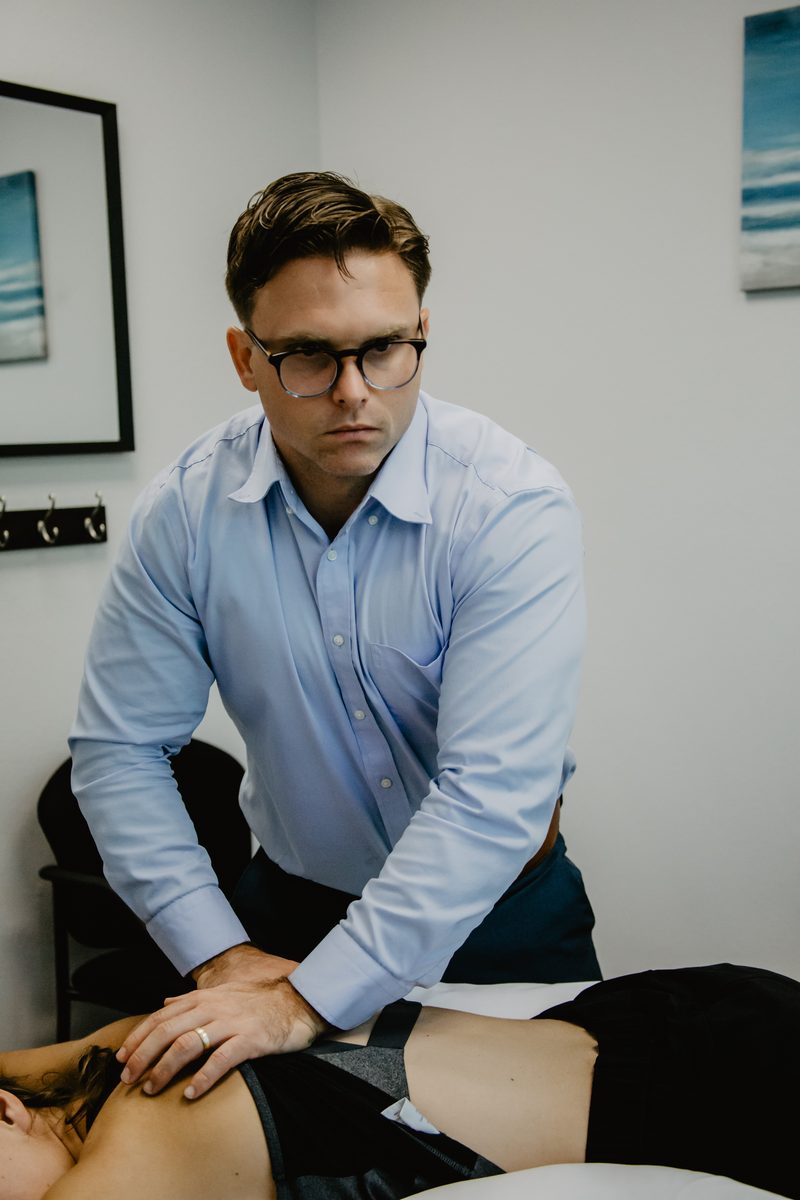
Surgery has risks, but it’s also sometimes necessary. If you don’t have a condition that needs urgent surgery, it often makes sense to try skilled physical therapy for your spine first. If it doesn’t help, surgery is still an option later.
At Back In Motion, a Doctor of Physical Therapy will:
- Look at your whole body, including your mid-back, hips and feet, not just the spot that hurts, using The Gray Method™
- Find what’s actually driving your pain
- Treat it with hands-on care and a progressive strengthening and mobility plan
Learn more about our back pain relief program and our approach to non-surgical treatment for chronic back pain.
If You Do Need Surgery
Physical therapy before and after surgery can help you go in stronger and recover more completely. See our pre-surgical physical therapy and post-surgical rehabilitation programs.
When Surgery May Be Needed Urgently
Get medical care right away if you have:
- Loss of bladder or bowel control, or numbness in the groin
- Rapidly worsening weakness in a leg or foot
- Severe pain after a significant fall or accident
Frequently Asked Questions
Should I try physical therapy before back surgery?
If you don’t have a condition that needs urgent surgery, trying skilled physical therapy first is often a good option. Talk with your doctor about your situation.
Why do I still have back pain after surgery?
Common reasons include a cause that was never addressed (like stiff hips or weak core muscles), lifestyle factors such as smoking, or the pain coming from a different part of the spine.
Can physical therapy help after a failed back surgery?
Often, yes. A thorough evaluation can reveal movement and strength problems that can still be improved. For more, read common causes of lower back pain.
Explore Your Options Before Surgery
Start with our Fixing the Cause & Not Just the Symptoms Assessment, or Inquire About an Appointment →
Call our office at (239) 223-0484 to schedule your appointment.
About the Author: Dr. Scott Gray


Get Dr. Gray's Best-Selling Book, Free
Why pain keeps coming back, and how The Gray Method™ helps you fix it for good.
Send Me the Free BookOur Most-Read Articles
- 1Three Conditions That Mimic Sciatica PainBack
- 2The Great Plantar Fasciitis Debate: Why Boots & Cortisone Rarely Fix ItFoot
- 3Common Causes of Lower Back Pain: Herniated DiscBack
- 4The 3 Most Common Symptoms of Knee Meniscal TearsKnee
- 5What Is Hip Bursitis?Hip
- 6Pelvic Pain Explained: When It's Not a UTI but Feels Like OnePelvic
What Do You Need Help With?
- 🩺Back, neck & joint pain→
- 💪Fitness for adults 50+→
- 💙Pelvic health→
- ⚡Sports performance→
- ⛳Golf performance→
Talk to a Doctor of Physical Therapy
One-on-one care that finds the cause of your pain. Fort Myers, Cape Coral & Estero.
Inquire About an Appointment Or call (239) 223-0484
