What Is a Pelvic Floor Therapist, and How Can They Actually Help?
If you’ve ever experienced bladder leaks when you laugh, sneeze, or exercise… or you’ve felt a heavy, uncomfortable pressure “down there”… you might have wondered if this is just a normal part of aging.
The truth is, while these problems are common, they’re not something you simply have to live with. And if you’ve ever heard of “pelvic floor therapy” but aren’t quite sure what it is, this article is for you.
Let’s break down what a pelvic floor therapist does, why their work is so important, and how they can help you feel like yourself again, often without drugs, pads, or surgery.
Why the Pelvic Floor Matters (and What Can Go Wrong)
The pelvic floor is a group of muscles at the base of your pelvis. Think of it as a hammock of support holding up your bladder, uterus, and rectum. These muscles work constantly to:
- Support your internal organs
- Control your bladder and bowel movements
- Provide stability to your hips and spine
- Play a role in sexual function
But just like any other muscle group, the pelvic floor can become too weak or too tight, and when it does, problems begin.
You may notice:
- Bladder leaks when you cough, sneeze, laugh, or exercise
- Feeling like you always have to go to the bathroom
- Pain or pressure in your pelvic area
- Difficulty with intimacy
- A sense that “something is falling out” (prolapse symptoms)
These symptoms can feel overwhelming. They may make you avoid exercise, turn down social events, or even change how you live your daily life.
And here’s what often makes it worse: many women are told these issues are “normal,” or they’re handed a prescription, pads, or the suggestion of surgery.
So, What Is a Pelvic Floor Therapist?
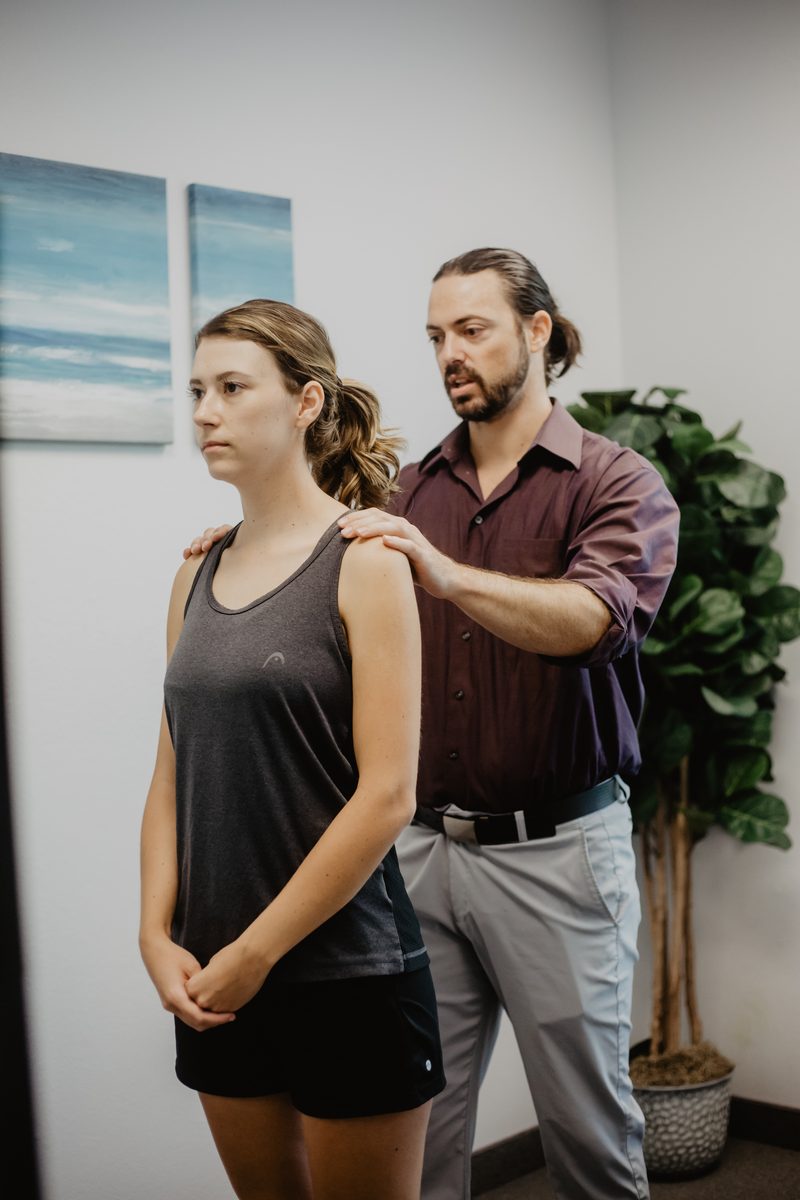
A pelvic floor therapist is a licensed physical therapist with advanced training in pelvic health. Their job is to evaluate and treat the underlying cause of pelvic floor dysfunction, not just cover up the symptoms.
Unlike a standard doctor’s visit, a pelvic floor therapist takes time to look at your whole body. Because the truth is, bladder leaks or pelvic pain often aren’t just about your pelvic floor muscles.
For example:
- Weak glutes and core muscles can overload your pelvic floor.
- Breathing patterns can affect how pressure builds in your abdomen.
- Old injuries, scar tissue, or poor posture can play a role too.
A pelvic floor therapist connects the dots between these issues, helping you understand why you’re having symptoms in the first place.
What Happens During an Appointment?
If you’re nervous about seeing a pelvic floor therapist, you’re not alone (our 32 pelvic floor therapy questions answer the most common worries). Many women worry it will be awkward, embarrassing, or invasive. The good news? The process is much more comfortable and private than most people imagine.
Here’s what usually happens:
- Conversation first: You’ll start by talking. Your therapist will ask about your health history, daily habits, and what symptoms you’re experiencing. This is a safe, judgment-free space.
- Movement and posture assessment: Your therapist may look at how you walk, breathe, and move. Remember, the pelvic floor doesn’t work in isolation, it’s part of your whole body system.
- Pelvic floor check (optional): With your consent, your therapist may gently check your pelvic floor muscles to see how they’re functioning. This is always explained fully, kept private, and completely your choice.
- Treatment plan: based on what they find, your therapist will create a plan that could include:
- Gentle exercises to retrain weak or tight muscles
- Breathing techniques to reduce pressure on your bladder
- Hands-on therapy to release tension or scar tissue
- Education on daily habits that affect your pelvic floor
The best part? Your plan is personalized. No one-size-fits-all routines.
How Can Pelvic Floor Therapy Help?
Here are just a few of the results many women experience:
- Fewer bladder leaks: so you can exercise, laugh, and live freely again (see the right questions to ask about bladder leaks).
- Improved confidence: knowing you’re in control, not your bladder.
- Relief from pelvic pain or pressure: making daily life and intimacy easier.
- Better strength and posture: since your core and hips often improve too.
- Peace of mind: knowing you have options beyond drugs or surgery.
For many women, pelvic floor therapy feels like finally getting answers after years of frustration. Read how pelvic floor physical therapy can change your life for more.
Why Now Is the Best Time to Start
Here’s something important to know: pelvic floor problems don’t usually fix themselves. In fact, they often get worse if left untreated.
What might start as small leaks with sneezing can turn into avoiding exercise, skipping outings, and planning your day around the nearest bathroom.
The sooner you address these issues, the sooner you can get back to living fully, and prevent things from getting more complicated down the road.
When to See Your Doctor Right Away
Pelvic floor therapy works alongside your medical care. See your doctor promptly if you have:
- Sudden or severe pelvic pain: especially if it comes on quickly or keeps getting worse
- Bleeding: unexplained vaginal bleeding, or blood in your urine or stool
- Fever or burning: with urination, or other signs of infection
- Sudden loss of control: of your bladder or bowel, or numbness in the groin or saddle area
Taking the Next Step
If you’ve been struggling with leaks, pelvic pressure, or pain, you don’t have to settle or accept it as “normal.” A pelvic floor therapist can help you:
- Understand the root cause of your symptoms
- Learn safe, effective strategies to retrain your body
- Take back control of your health, naturally and confidently
At Back In Motion, our pelvic health team specializes in helping women like you feel strong, supported, and confident again.
Final Thoughts
Urinary leaks, pelvic pain, or pressure don’t have to define you. They’re signals from your body that something needs attention, and pelvic floor therapy can provide the solution you’ve been searching for.
You deserve to live without embarrassment, discomfort, or constant worry. And you don’t need to face it alone.
Feel Strong and Confident Again
You deserve to live without embarrassment, discomfort, or constant worry. Our pelvic floor physical therapy in Fort Myers starts with The Gray Method™, one-on-one with a Doctor of Physical Therapy at our clinics in Fort Myers, Cape Coral and Estero.
Start with our Fixing the Cause & Not Just the Symptoms Assessment, or Inquire About an Appointment →
Call our office at (239) 223-0484 to schedule your appointment.
About the Author: Ashley Gray


Get Dr. Gray's Best-Selling Book, Free
Why pain keeps coming back, and how The Gray Method™ helps you fix it for good.
Send Me the Free BookOur Most-Read Articles
- 1Three Conditions That Mimic Sciatica PainBack
- 2The Great Plantar Fasciitis Debate: Why Boots & Cortisone Rarely Fix ItFoot
- 3Common Causes of Lower Back Pain: Herniated DiscBack
- 4The 3 Most Common Symptoms of Knee Meniscal TearsKnee
- 5What Is Hip Bursitis?Hip
- 6Pelvic Pain Explained: When It's Not a UTI but Feels Like OnePelvic
What Do You Need Help With?
- 🩺Back, neck & joint pain→
- 💪Fitness for adults 50+→
- 💙Pelvic health→
- ⚡Sports performance→
- ⛳Golf performance→
Talk to a Doctor of Physical Therapy
One-on-one care that finds the cause of your pain. Fort Myers, Cape Coral & Estero.
Inquire About an Appointment Or call (239) 223-0484