
Weight Loss After 50 & Understanding GLP-1 Medications, Strength Training, and Long-Term Health
Losing weight after 50 can feel very different than it did earlier in life. Many people notice that the strategies that once worked—cutting calories for a few weeks or increasing cardio—don’t produce the same results anymore. Hormonal changes, slower metabolism, reduced muscle mass, and lifestyle factors all influence how the body stores and burns energy as we age.
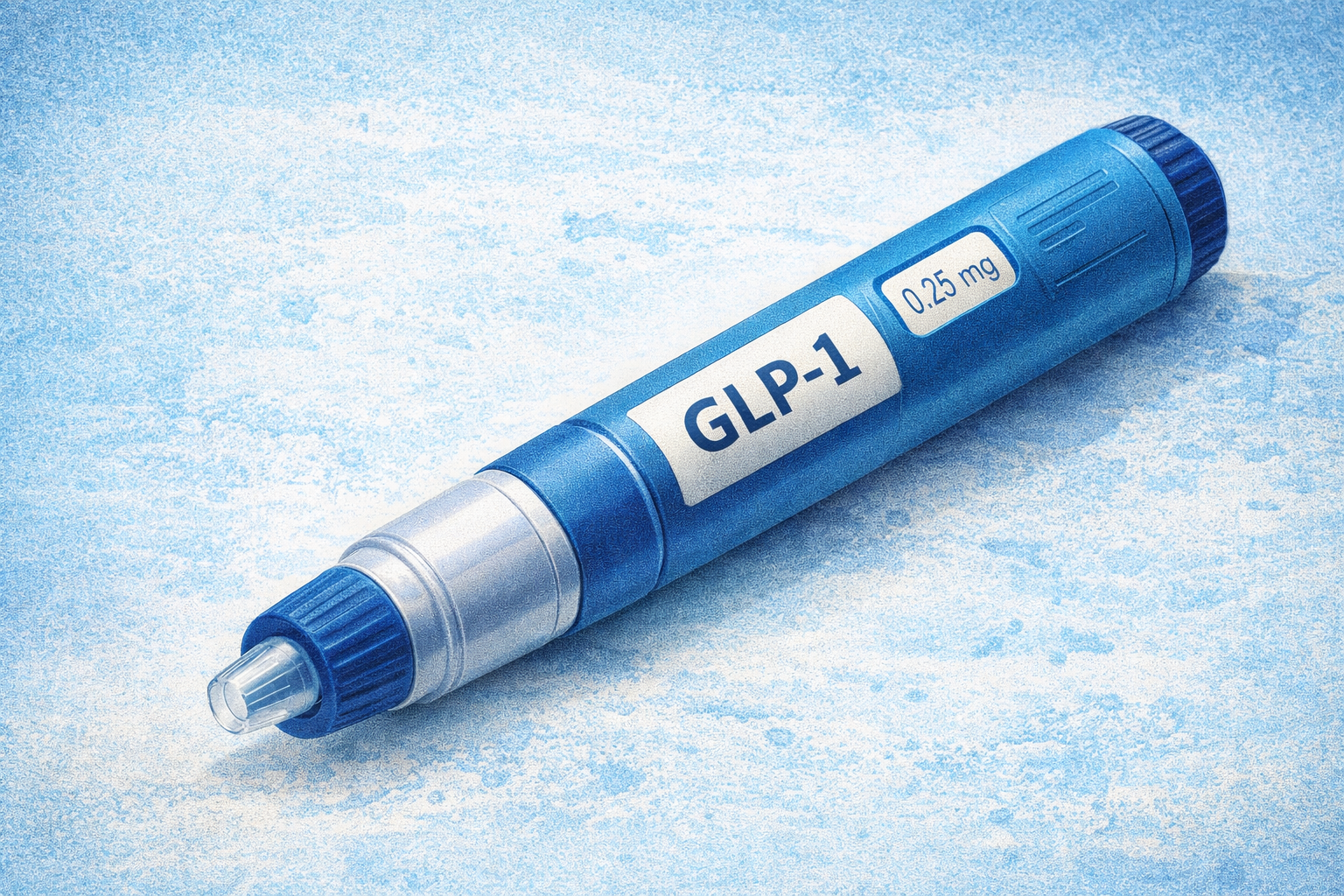
Because of this, many adults are exploring newer medical options such as GLP-1 medications, including drugs like Ozempic, Wegovy, and Mounjaro. These medications have gained significant attention because they can help people lose weight when traditional approaches have not been successful.
But while these medications can be helpful for some individuals, they are not a complete solution on their own. Understanding the pros and cons is important, especially for adults over 50 who want to protect their long-term health, mobility, and strength.
Why Weight Loss Changes After 50
One of the biggest reasons weight loss becomes more difficult after 50 is the gradual loss of muscle mass, a process called sarcopenia.
Muscle tissue plays an important role in metabolism. The more muscle someone has, the more calories the body burns at rest. As muscle mass declines, metabolism slows, which makes weight loss harder and weight gain easier.
Other factors also contribute:
- hormonal changes, including menopause and testosterone decline
- reduced daily movement due to work or lifestyle patterns
- past injuries that limit activity
- sleep and stress changes
- long-term dietary habits
Because of these changes, successful weight loss after 50 requires a slightly different strategy than it did earlier in life.
What GLP-1 Medications Actually Do
GLP-1 medications work by mimicking a natural hormone in the body called glucagon-like peptide-1. This hormone plays several roles in regulating appetite and blood sugar.
These medications generally help by:
- slowing stomach emptying
- increasing feelings of fullness
- reducing appetite
- helping regulate blood sugar
For many people, this results in eating fewer calories without feeling constantly hungry.
Clinical studies have shown that people taking these medications may lose anywhere from 10–20% of their body weight, depending on the medication and individual response.
This is why GLP-1 medications have become such a widely discussed option in the weight loss world.
Potential Benefits of GLP-1 Medications
For certain individuals, these medications can offer meaningful health benefits.
Some potential advantages include:
- significant weight reduction for people struggling with obesity
- improved blood sugar control
- lower risk of developing type 2 diabetes
- improved cardiovascular markers
- reduced appetite and cravings
For individuals who have struggled with weight for many years, these medications can provide an initial push that helps them begin making other healthy changes.
However, it’s important to understand that these medications also have limitations.
Potential Downsides to Consider
While GLP-1 medications can be helpful tools, they are not without drawbacks.
Some potential concerns include:
Muscle Loss
One of the most important concerns—especially for adults over 50—is that rapid weight loss can include loss of muscle mass, not just fat.
Without strength training, a significant portion of the weight lost may come from muscle tissue. This can slow metabolism even further and negatively affect long-term strength and mobility.
Side Effects
Some individuals experience:
- nausea
- digestive discomfort
- fatigue
- reduced appetite to the point of under-eating
These symptoms vary from person to person but can affect quality of life for some individuals.
Long-Term Dependency
Many people regain weight if the medication is discontinued without developing sustainable lifestyle habits.
This is why medication alone is rarely the full solution.
The Missing Piece: Strength and Movement
Whether someone chooses to use a medication or pursue weight loss naturally, one factor remains essential for long-term health after 50:
Strength training.
Maintaining muscle mass is one of the most powerful ways to:
- support metabolism
- improve joint stability
- enhance balance and mobility
- maintain independence
- protect bone health
Strength training also helps ensure that when weight is lost, the majority of that weight comes from fat rather than muscle.
At Back In Motion, we often remind people that the goal isn’t simply to weigh less.
The goal is to build a body that moves well, feels strong, and supports the life you want to live.
A Balanced Approach to Weight Loss After 50
For many adults, the best approach to weight loss after 50 combines several elements:
- thoughtful nutrition
- progressive strength training
- adequate recovery and sleep
- addressing movement limitations or injuries
- guidance from qualified professionals
For some individuals, medications like GLP-1 drugs may play a role in that process. But they work best when combined with habits that support long-term health.
Ultimately, weight loss should not come at the expense of strength, mobility, or quality of life.
The goal is not simply to lose weight.
The goal is to build a healthier, more capable body for the decades ahead.
About the Author: Dr. Scott Gray



 Call (239) 788-0838